

Can I Feed Hydrangeas with Tomato Feed? Tips for Beautiful Blooms
If you’re a gardening enthusiast asking, “Can I feed hydrangeas with tomato feed?”, you’re not alone. Many gardeners wonder if it’s okay to use the same fertilizer for different plants. The answer is yes, you can use tomato feed for your hydrangeas, but it requires a bit of care and understanding to do it right.
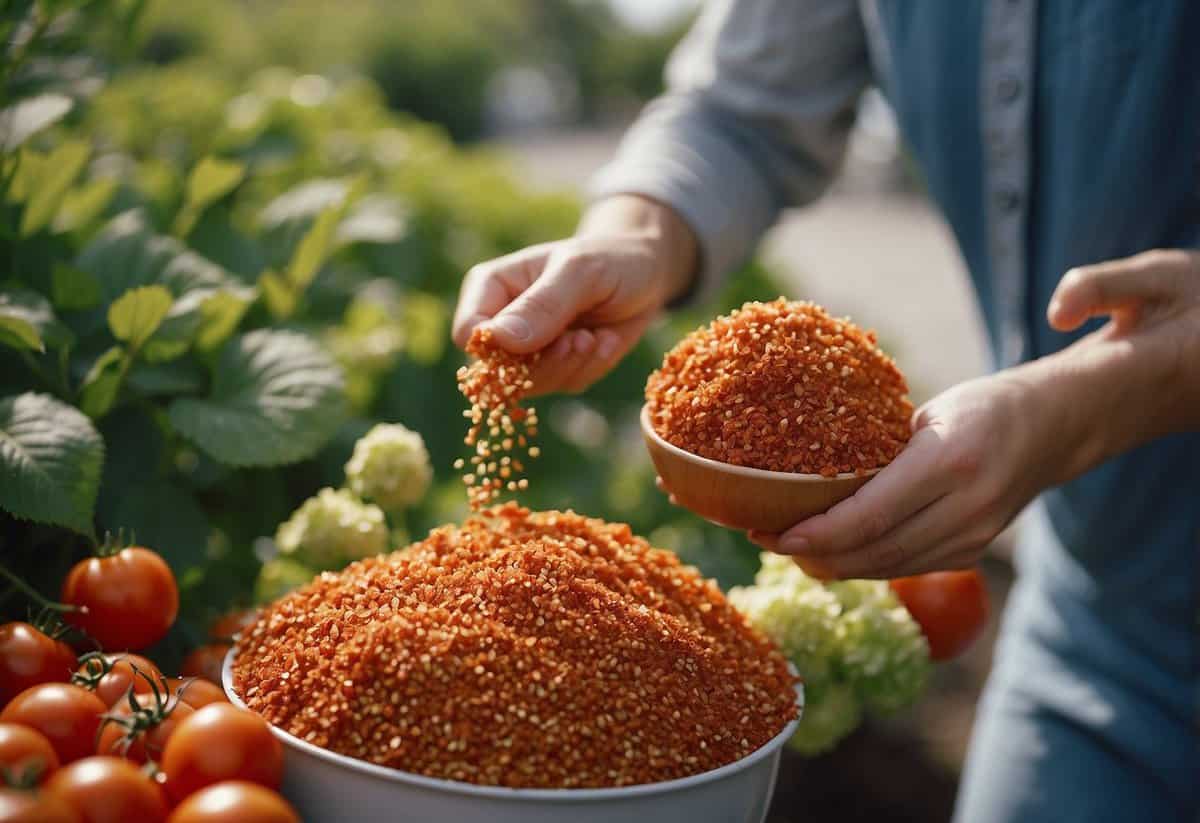
Tomato feed is slightly acidic, which can be a good thing if your soil is too alkaline. Hydrangeas thrive in slightly acidic to neutral soils, so this type of feed can help balance the pH. However, it’s important to note that using tomato feed might change the color of your hydrangea blooms, especially if you’re aiming for specific shades of pink or blue.
When feeding your hydrangeas, be cautious about the amount and frequency. Too much tomato feed can lead to lush foliage but fewer blooms, as hydrangeas don’t need high levels of nitrogen, which is common in many tomato feeds. Keep reading to learn the best practices for feeding your hydrangeas to keep them healthy and vibrant.
Understanding Hydrangeas
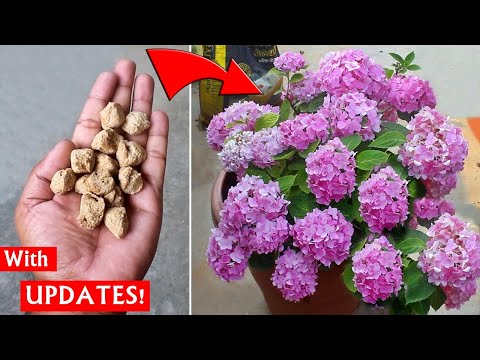
Hydrangeas are stunning plants known for their beautiful blooms. To grow them successfully, you need to know about their different varieties, growth needs, and soil preferences.
Varieties of Hydrangeas
Hydrangeas come in various types, each with unique characteristics. The most common are Hydrangea macrophylla (Bigleaf), Hydrangea paniculata (Panicle), and Hydrangea arborescens (Smooth).
Bigleaf hydrangeas are popular for their large, mophead and lacecap blooms. They often change color based on the soil pH, displaying blue in acidic soils and pink in alkaline soils.
Panicle hydrangeas have cone-shaped flowers and bloom on new wood, making them easier to prune.
Smooth hydrangeas produce large, round flower clusters. They are very hardy and adaptable to different growing conditions.
Hydrangea Growth Requirements
For healthy hydrangeas, you need to provide the right amount of sunlight, water, and nutrients. These plants prefer morning sun and afternoon shade. Too much direct sunlight can scorch the leaves and reduce blooming.
Water your hydrangeas regularly, ensuring the soil stays evenly moist. They need about 1 inch of water per week. Adding a layer of mulch can help retain moisture and keep the soil cool.
Fertilizing your hydrangeas is crucial for vigorous growth and abundant blooms. Use a balanced fertilizer with an N-P-K ratio of 10-10-10, or one slightly higher in phosphorus to promote flowering.
Soil Preferences for Hydrangeas
Soil quality is vital for hydrangeas. They thrive in rich, well-drained soil full of organic matter. The pH of the soil greatly affects the bloom color and overall health of the plant.
For blue blooms, maintain acidic soil with a pH of less than 6. Add aluminum sulfate to the soil to lower pH and enhance blue colors.
For pink blooms, keep the soil more alkaline, with a pH above 7. Adding lime to the soil can raise the pH and promote pink hues.
Hydrangeas generally prefer soil that is slightly acidic to neutral. Ensure the soil is not waterlogged, as this can lead to root rot.
Proper Feeding Practices for Hydrangeas

Feeding hydrangeas properly is crucial for their growth and vibrant blooms. You’ll need to pay attention to the timing of fertilizing, choosing the right type of fertilizer, and understanding the role of N-P-K in their care.
When to Fertilize Hydrangeas
Fertilize hydrangeas in early spring, as this is when they start to grow actively. Use fast-release fertilizer if you want quick results, or slow-release fertilizer for steady nutrient supply.
You should also fertilize them in May and July. Lightly dress the fertilizer around the drip line, not at the base. Water thoroughly after applying to help the nutrients reach the roots.
Choosing the Right Fertilizer
Choose a well-balanced fertilizer to encourage both leaf and bloom growth. A common choice is a 10-10-10 fertilizer, which provides equal parts nitrogen, phosphorus, and potassium. If you want more blooms, use a fertilizer with a higher phosphorus content, such as 10-20-10.
Organic options like compost or soil amendments can also benefit hydrangeas. These give a slow release of nutrients and improve soil structure.
The Role of N-P-K in Hydrangea Care
N-P-K stands for nitrogen (N), phosphorus (P), and potassium (K), which are crucial for hydrangea care. Nitrogen promotes lush green leaves, phosphorus encourages strong roots and abundant blooms, and potassium helps overall plant health.
Hydrangeas also need about 1 inch of water per week. Using mulch around the base helps retain soil moisture and provides additional nutrients as it breaks down.
Understanding and applying these elements will keep your hydrangeas healthy and blooming beautifully throughout the season.
The Impact of Tomato Feed on Hydrangeas
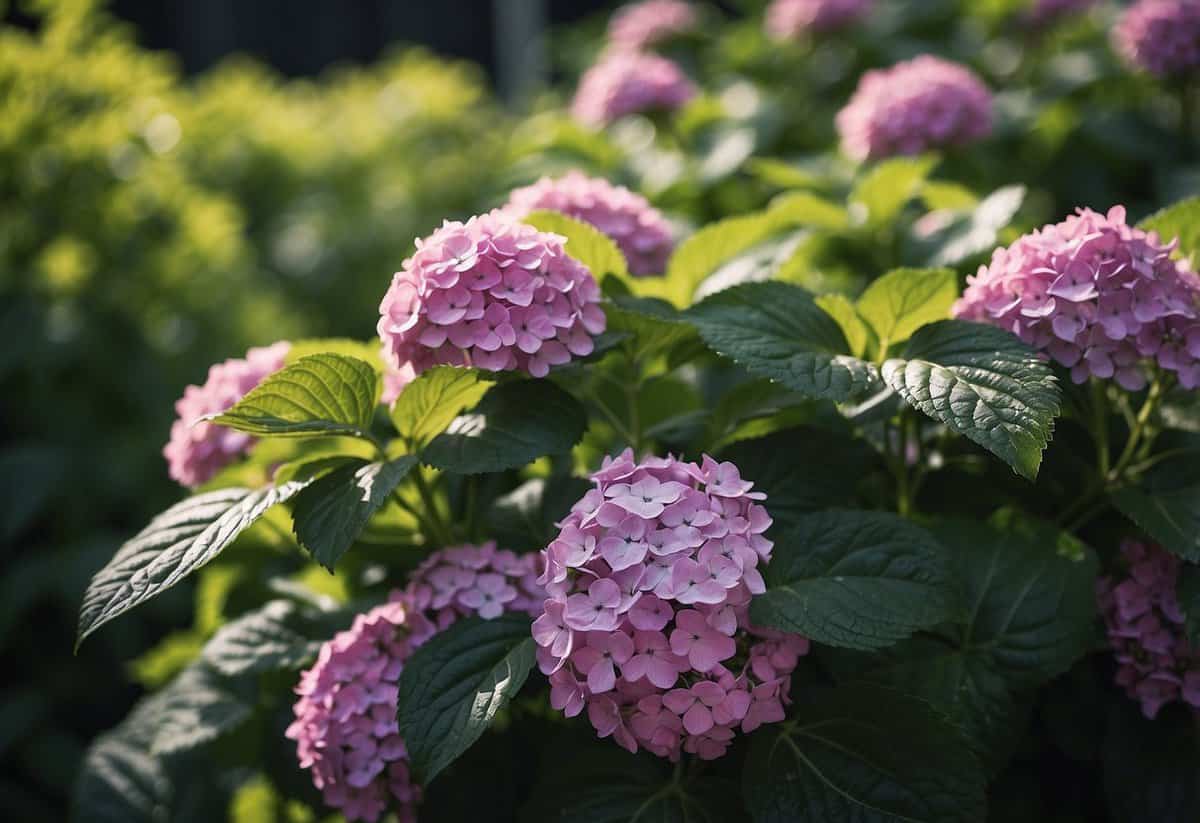
When considering using tomato feed to support the growth of your hydrangeas, it’s essential to look at the nutrient content and how it could benefit or potentially harm your plants. Understanding these aspects will help you make informed decisions for your garden.
Nutrient Content of Tomato Feed
Tomato feed, typically, contains a blend of nutrients formulated to support tomato plants. Commonly, it includes nitrogen, phosphorus, and potassium in varying ratios. For example, a popular tomato feed might have an N-P-K ratio of 4-3-8.
Nitrogen promotes leafy growth, phosphorus encourages root development, and potassium enhances flower production. These nutrients are beneficial for both tomatoes and hydrangeas. Additionally, some tomato feeds may contain iron and other micronutrients that can help plants maintain their color and overall health.
Potential Benefits and Risks
Using tomato feed for hydrangeas can offer several benefits. The high potassium content can improve the blooms of your hydrangeas, making them more vibrant. The slight acidity of tomato feed can also help if your soil is too alkaline, potentially changing the color of your hydrangea flowers to shades of blue.
However, there are some risks to consider. Tomato feed’s high nitrogen content might encourage excessive leafy growth at the expense of flowers. Also, if applied too close to the foliage, it could cause leaf burn. Over-fertilizing can also be a problem, leading to lush foliage but fewer blooms. Always follow the recommended application rates to avoid these issues.
Understanding these aspects can guide you in effectively using tomato feed for hydrangeas.
Hydrangea Care Throughout the Seasons

Hydrangeas require specific care during different times of the year. Understanding these needs can help keep your plants healthy and vibrant all year long.
Winter and Early Spring Care
During late winter, it’s important to protect hydrangeas from frost. You can cover them with a fabric or burlap to prevent winter damage.
In early spring, prune back the old wood to encourage new growth. This is also a good time to check for any winter damage and remove affected parts. Make sure to water deeply to help wake up the roots from dormancy.
You can also add a layer of mulch around the base of the shrubs. This helps retain moisture and keep the soil warm as the temperatures start to rise. Feeding hydrangeas with a balanced, slow-release fertilizer in early spring can set the stage for a healthy growing season.
Summer Maintenance and Feeding
Hydrangeas need regular maintenance and feeding during the summer. Watering is crucial, especially if the weather is hot and dry. Make sure to water deeply at least once a week to keep the roots hydrated.
Use a water-soluble, balanced fertilizer every few weeks to encourage blooming. Be cautious not to overfeed, as this can lead to poor flower production.
For vibrant blue flowers, you may need to add an acid-based fertilizer. This keeps the soil’s pH balanced. Check the soil regularly and adjust as needed. Mulching also helps retain moisture and control weeds around the base of your hydrangeas.
Preparing Hydrangeas for Dormancy
As you move into late August and early fall, start preparing your hydrangeas for dormancy. Reduce watering gradually to help the plants slow their growth.
Stop fertilizing by early fall to prevent new growth that could be damaged by frost. Start pruning off any dead or damaged branches to keep the shrubs healthy.
In early fall, add a layer of mulch to protect the roots from the cold. You may also want to cover your hydrangeas with a breathable fabric to guard against early frost. This careful preparation helps ensure your hydrangeas are ready to bloom again when the growing season starts.


