

How Do You Stick Bamboo to the Wall? Simple Steps for a Beautiful DIY Project
Transforming your space with bamboo can add a unique touch while being eco-friendly and sustainable. You typically use strong adhesive or nails designed for lightweight materials to stick bamboo to the wall. This simple method allows you to enhance your home improvement projects with natural beauty.
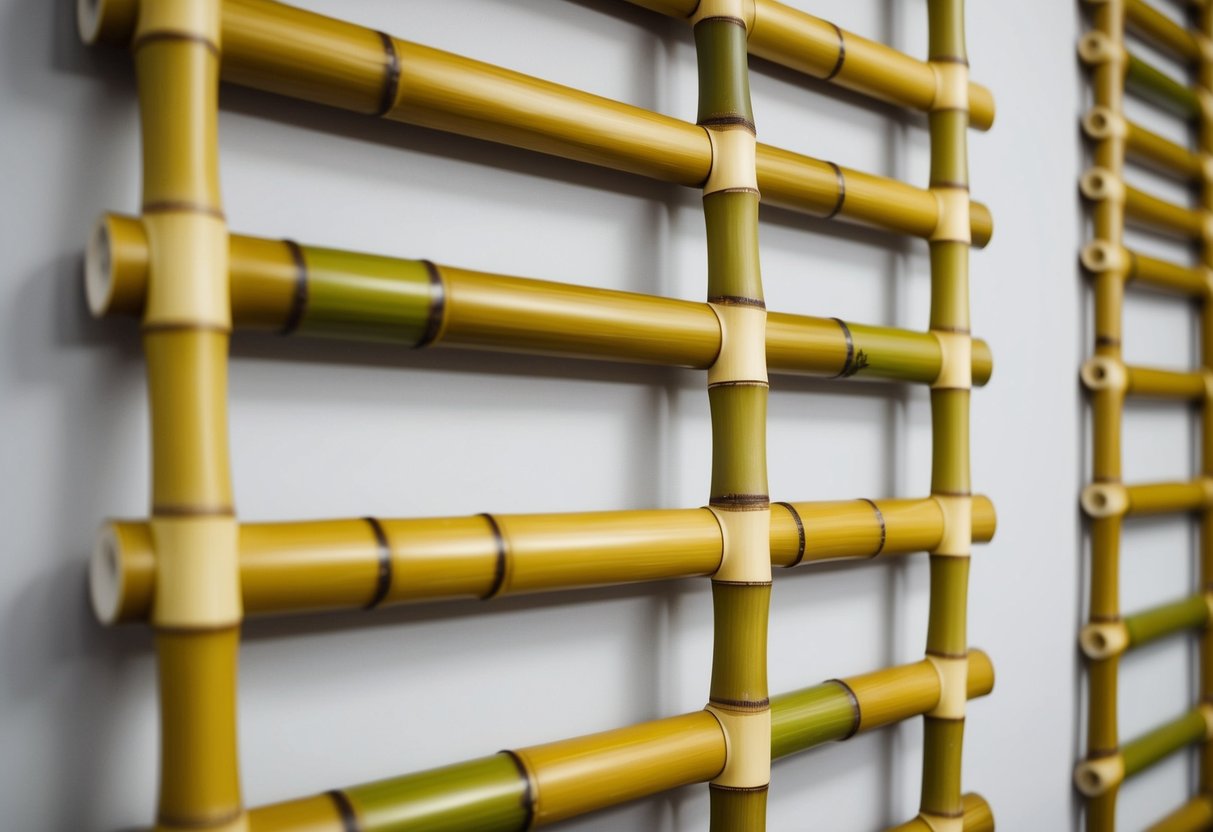
Bamboo panels are popular for their durability and charm, making them perfect for various decor styles. You can create a stunning accent wall or decorative features that reflect your love for sustainable living. Incorporating bamboo not only improves your home but also supports environmental friendliness.
Whether you’re tackling a large renovation or a small DIY project, sticking bamboo to your walls can refresh your environment. With the right tools and techniques, you can achieve a clean and stylish look that is sure to impress.
Choosing the Right Bamboo

When you decide to stick bamboo to your wall, selecting the right type is crucial for both aesthetic and practical reasons. Different types of bamboo offer unique looks and performance traits. Understanding these differences helps you make the best choice for your space.
Bamboo Types and Aesthetics
There are many types of bamboo, each with its own beauty. For wall panels, consider options like Moso and Tiger Grass. Moso is tall and has a classic appearance, while Tiger Grass offers a unique striped look.
When it comes to aesthetic appeal, think about how the bamboo will fit into your décor. Choose darker varieties for a warm feel or lighter shades for a more airy vibe. Using bamboo that complements colors in your environment can enhance your room’s design.
Opting for bamboo wall panels brings a natural charm and can create a cozy atmosphere. You can also use bamboo in fencing or flooring to maintain a consistent style throughout your home.
Bamboo for Indoor vs Outdoor Use
Choosing bamboo for indoor or outdoor use requires careful consideration. Indoor bamboo should withstand lower humidity levels. Varieties such as Bambusa are great for indoor installations as they resist moisture better.
For outdoor use, select sturdier types like Guadua. These species can endure changing weather and higher humidity. Outdoor bamboo needs to be treated for added durability against pests and rain.
Make sure to check local conditions before installation. Proper treatment will enhance the longevity of your bamboo, whether it’s for walls or fencing in your backyard. Choosing the right type ensures your bamboo looks great and lasts longer.
Preparing the Wall Surface

Before you attach bamboo to the wall, it’s essential to prepare the surface properly. This preparation will ensure that your bamboo adheres well and lasts a long time. You’ll want to consider the type of wall you have and take steps to enhance durability and security.
Dealing with Different Wall Materials
The material of your wall can affect how you stick bamboo to it. If you have a brick wall, make sure it is clean and dry. Use a paint brush to sweep away dirt and dust. For drywall, patch any holes or imperfections. A smoother surface will help the adhesive bond better.
For plaster walls, smooth out rough areas with sandpaper. This step is crucial because uneven surfaces can create gaps. Always test the adhesive on a small area first to ensure good adhesion.
Ensuring Durability and Security
To maximize durability, clean the wall with a suitable cleaner to remove oils or residues. Use a damp cloth, then let it dry completely.
Choose a strong adhesive designed for bamboo. Follow package instructions carefully. Apply adhesive evenly with a paint brush for better coverage and bonding.
After placing the bamboo, press firmly to ensure good contact. It’s best to allow the bamboo to cure for at least 24 hours before subjecting it to stress. This patience helps secure your bamboo in place.
Attachment Methods

When you’re ready to stick bamboo to the wall, there are several methods to consider. You can choose adhesive solutions, use non-drill options, or rely on hardware for extra support. Each technique has its benefits, depending on your wall type and the look you want.
Adhesive Solutions for Bamboo
Using adhesives is a straightforward way to attach bamboo to your wall. Construction adhesive is often strong enough for most applications. Look for ones that are designed for both wood and heavy materials.
Before applying, make sure both the wall and bamboo surfaces are clean and dry.
You can also use adhesive hooks for lighter bamboo pieces. They allow for easy removal if you want to change things up. Just press the hooks into place according to package instructions, then attach your bamboo.
Non-Drill Alternatives
If you want to avoid drilling, there are some handy options. For instance, brick clips can be a simple solution for brick walls. These clips hook directly onto the brick and allow you to hang lighter bamboo pieces without damaging the wall.
Another idea is to use zip ties. If you have a framework or existing structure, zip ties can hold bamboo in place securely. Just thread the tie around the bamboo and your support structure, then tighten.
Using Hardware for Additional Support
If you prefer more secure methods, using hardware can make a big difference. Basic screws or wall anchors work well for heavier bamboo pieces. Ensure you choose screws that match the wall type for best results.
Whether you’re working with drywall or masonry, make sure your screws are evenly spaced for stability. Use a level to avoid any tilting.
For a polished look, consider using stylish brackets that suit your decor. This method gives your bamboo a sturdy hold and enhances your space’s aesthetic.
Finishing Touches

Now that you’ve successfully attached your bamboo to the wall, it’s time to add those final details that personalize your space. You can enhance the beauty of your bamboo installation with creative decor ideas and ensure it lasts by knowing how to care for it.
DIY Bamboo Decor Ideas
You have many fun options to enhance your bamboo wall. Consider creating a bamboo mirror. It adds a stylish touch while reflecting light.
Arrange bamboo planks in various patterns to create unique designs. You can use bamboo strips to craft a bamboo accent wall that stands out in any room.
Add plants to the wall by using bamboo wall coverings. They can hold small pots or even act as a frame for hanging flower vases. You can also make simple art pieces using leftover bamboo. A little creativity transforms your space into a charming retreat.
Caring for Your Bamboo Installation
Maintaining your bamboo wall is easy and keeps it looking fresh. Use a soft cloth or duster regularly to remove dust. Harsh chemicals can damage the bamboo finish, so avoid using them. If your wall gets wet, quickly dry it with a soft towel to prevent water damage.
For added longevity, periodically check for loose panels. Use a measuring tape to ensure everything stays aligned. If you notice any issues, secure the loose pieces with a strong adhesive. Caring for your bamboo wall enhances its beauty and durability, making it a lasting feature in your home.


