

How to Put Up Bamboo Screening Without a Fence: A Simple Guide to Enhancing Your Privacy
Bamboo screening is a wonderful way to enhance your outdoor space while adding a touch of nature. If you want an easy installation method that doesn’t require a traditional fence, you’re in the right place. This eco-friendly option not only provides privacy but also creates a beautiful backdrop for your garden or patio.
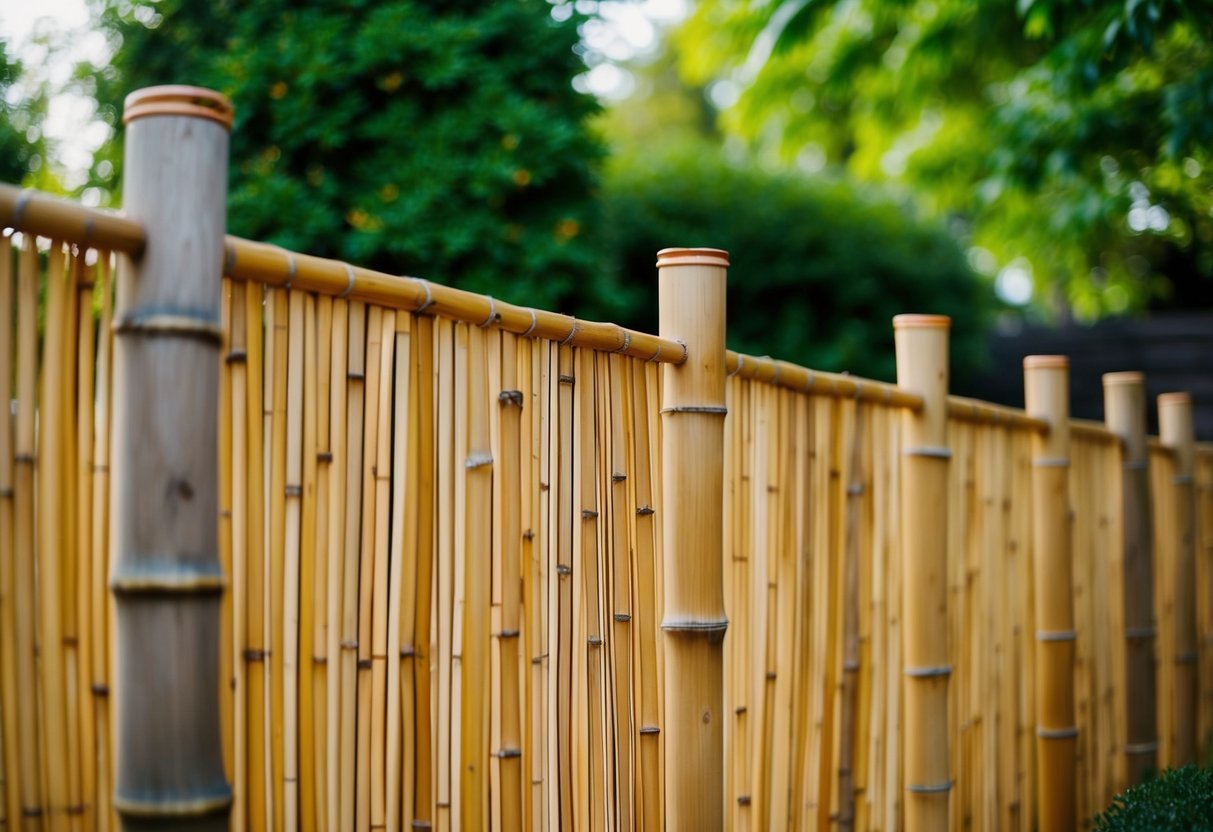
When you want to put up bamboo screening without a fence, you’ll find that it involves simple materials and a bit of creativity. You can use posts, wire ties, or even build a frame to support your screening. With a few tools and some planning, you can transform your area into a cozy retreat.
Getting started with your bamboo screening project is straightforward and rewarding. Whether you want to block out noise, shield your outdoor space from prying eyes, or just add decorative flair, bamboo screening is a perfect choice. Dive in, and let’s explore how to achieve this without the hassle of a fence!
Preparing the Installation Area

To install bamboo screening without a fence, it’s important to prepare your area thoroughly. Proper measuring and clearing ensure that your bamboo installation is secure and looks great in your outdoor space.
Measuring and Marking
First, gather your materials. You will need a measuring tape, a level, and a marker.
Select the area where you want your bamboo screening. Measure the length and height of the space. Use the measuring tape to get precise dimensions.
Mark the spots where you will install the bamboo. Ensure your measurements account for any slopes or uneven ground. If your ground is concrete, make sure to check that the surface is level. A level will help you keep everything straight. Accurate measurements make sure your bamboo screen fits perfectly and looks professional.
Clearing the Space
Once you have marked the area, clear it of any debris. This includes rocks, weeds, and any furniture or personal items that might be in the way. A clean space makes installation easier and safer.
Consider the materials you will use to anchor your bamboo. If using concrete blocks or stakes, ensure there’s enough room to secure them effectively. This will help your bamboo screen withstand wind and weather. A tidy area also helps you visualize how your bamboo screening will look when it’s up, making the whole project smoother.
Choosing Your Bamboo Screening

Selecting the right bamboo screening is key to creating an inviting outdoor space. You’ll want to consider the types of bamboo available and the quality that suits your needs.
Types of Bamboo Screening
There are several types of bamboo screening to choose from. Common options include rolled bamboo, bamboo panels, and bamboo fences.
- Rolled Bamboo: This option offers flexibility and easy installation. You can unroll it against walls or fences.
- Bamboo Panels: Pre-manufactured panels come in standard sizes and provide a uniform look. They are ideal for creating a solid barrier.
- Bamboo Fencing: This is a more structured choice and often combines bamboo with wood for durability.
Each type has its strengths, so think about where and how you plan to use the screening.
Considerations for Quality
When selecting bamboo screening, quality matters. Look for high-quality bamboo that is sturdy and resistant to weather.
- Sustainable Material: Bamboo is eco-friendly, but make sure it is harvested responsibly. Certifications can help verify this.
- Finish: The finish should be smooth to prevent splinters. A well-treated bamboo can withstand sunlight and moisture.
Additionally, check for any discoloration or damage before buying. Quality bamboo will enhance both the appearance and longevity of your screening.
Installation Process

To put up bamboo screening without a fence, you need to carefully install support posts, attach the bamboo panels, and ensure everything is stable. Here’s how to do it step by step.
Installing Support Posts
Begin by selecting the spots where your support posts will go. Aim to space them about 6 to 8 feet apart for good coverage.
Using a post hole digger, create holes that are at least 2 feet deep to provide stability. Make sure the holes are wide enough to allow for concrete if needed.
Place the posts in the holes and check that they are vertical using a level. If you want extra stability, you can backfill the holes with concrete.
After cementing, let the posts set for at least 24 hours. This ensures they are secure before you move on to the next step.
Attaching Bamboo Screening
Once your posts are installed and sturdy, start attaching the bamboo screening panels.
Start at one end and use drill and screws to secure the panels to the posts. For easier attachment, you can use zip ties or cable ties. These can hold the bamboo in place while you drill.
Be sure to secure the screening tightly to prevent sagging. Continue attaching each panel, overlapping them slightly for a seamless look.
Regularly step back to check the alignment as you go. This will help maintain a neat appearance.
Ensuring Stability
After attaching the bamboo screening, it’s important to check the overall stability.
Pull on the panels gently to see if they are secure. If they wobble, consider reinforcing them with additional support posts.
You may also use wire cutters to trim any excess zip ties or cable ties for a clean finish. Ensure that the entire setup is level and properly aligned. If needed, adjust the positions of the posts to enhance stability.
Lastly, give it a few days to settle, and check for any changes. This helps ensure that your bamboo screening remains intact and stable over time.
Finishing Touches and Maintenance
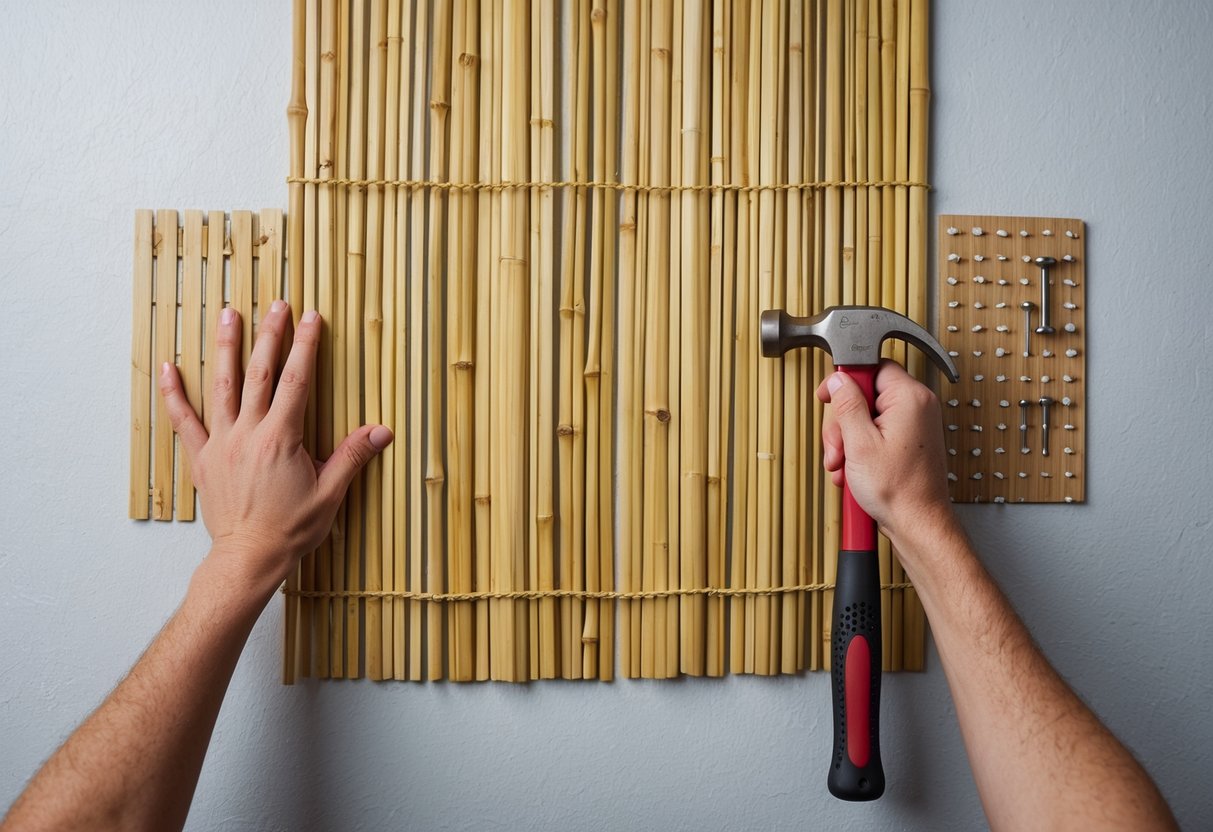
After setting up your bamboo screening, it’s important to focus on the finishing touches and maintenance. These steps enhance the natural beauty of your screen and ensure it remains functional for a long time. Here are some key aspects to consider.
Trimming Excess Material
Start by trimming any excess bamboo material. This not only creates a clean look but also prevents sharp edges that could cause injury.
Use sharp garden shears or a saw for a neat cut. Make sure to wear gloves while trimming to protect your hands.
Keep the height consistent with your desired level of privacy. Trimming also allows for better airflow, which is important in an outdoor environment. Regularly check for any overgrowth and trim as needed to maintain the desired appearance.
Adding Decorative Elements
Incorporating decorative elements can enhance the appeal of your bamboo screening.
Consider adding climbing plants like jasmine or ivy, which can provide extra privacy while adding color and texture.
You can also hang outdoor lights or lanterns to create a charming ambiance in your yard or garden.
Use planters or pots filled with seasonal flowers to brighten the space. These decorative features allow your privacy screen to blend beautifully into your outdoor settings while still serving its purpose.
Maintenance Tips
For the longevity of your bamboo screening, regular maintenance is crucial. Check for rotting or damaged sections every few months. If you notice any issues, replace or repair those sections immediately to prevent further damage.
Clean your bamboo regularly using a soft cloth or brush to remove dirt and debris.
Apply a natural sealant or protective coating to guard against moisture and UV damage. This will help your privacy screen retain its natural beauty over time.
Routine care ensures that your bamboo screening stays beautiful and functional for years.


