

Is Bamboo Bad for Foundations? Understanding Its Impact on Your Home’s Stability
If you’re considering adding bamboo to your yard, you may want to think twice. Bamboo is known for its fast growth and beauty, but it can also pose risks to your property. Bamboo roots can damage foundations by growing into cracks and crevices, leading to costly repairs.
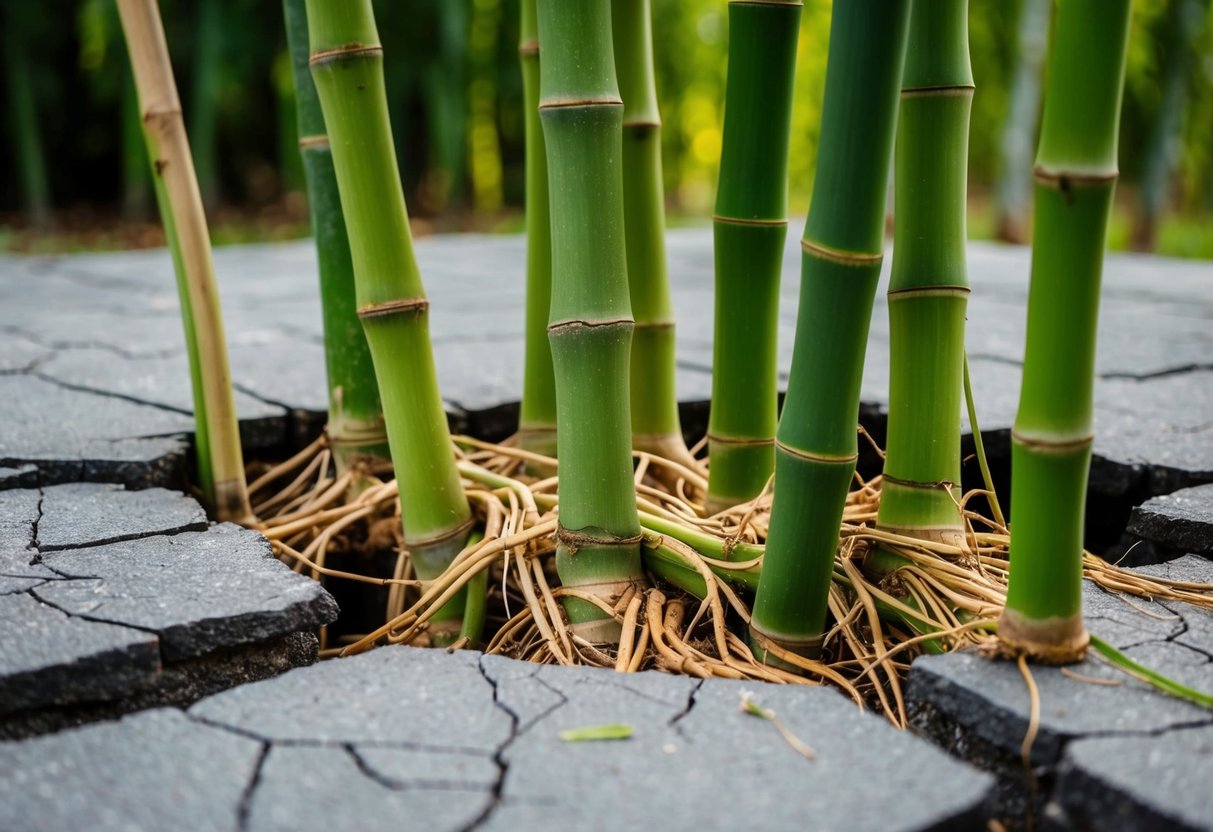
Imagine planting this plant only to find that it threatens your home’s stability. Issues can range from lifted foundations to blocked sewer pipes, resulting in significant damage and expenses.
It’s important to understand the potential dangers before you decide to grow bamboo on your property.
By being aware of how bamboo can affect your home, you can make an informed choice. With the right factors in mind, you can enjoy your landscape while protecting your foundation.
Understanding Bamboo and Its Growth Habits

Bamboo is a unique plant known for its fast growth and different types. Understanding its characteristics and how it grows can help you make informed decisions about its impact on your property.
Characteristics of Bamboo
Bamboo is a type of grass that can grow quickly. Some species, like Phyllostachys aurea, can reach heights of up to 40 feet. They have a strong root system made up of rhizomes, which are underground stems that help the plant spread.
The leaves are usually long and narrow, providing the plant with a lush appearance. Bamboo is also very adaptable; it can grow in various climates from tropical to temperate regions. Depending on the species, bamboo can thrive in different soil types, but it prefers well-draining, nutrient-rich soil.
Some popular species include Phyllostachys nigra, also known as black bamboo, and Hibanobambusa tranquillans, which can add unique beauty to your garden.
Types of Bamboo: Clumping Vs. Running
Bamboo can be classified into two main types: clumping and running.
Clumping bamboo, like Phyllostachys bambusoides, grows in tight clusters. This type tends to stay more contained and is less likely to invade areas where you don’t want it to grow.
On the other hand, running bamboo spreads aggressively through its rhizomes. If you plant it, like Tanakae, you may find it moves beyond your intended area, potentially causing damage to foundations or other structures.
When choosing bamboo for your garden, think about these habits. Clumping bamboo can create a beautiful screen or hedge without the worry of it spreading uncontrollably. Running bamboo, while attractive, requires careful planning to manage its growth.
Potential Impacts of Bamboo on Foundations
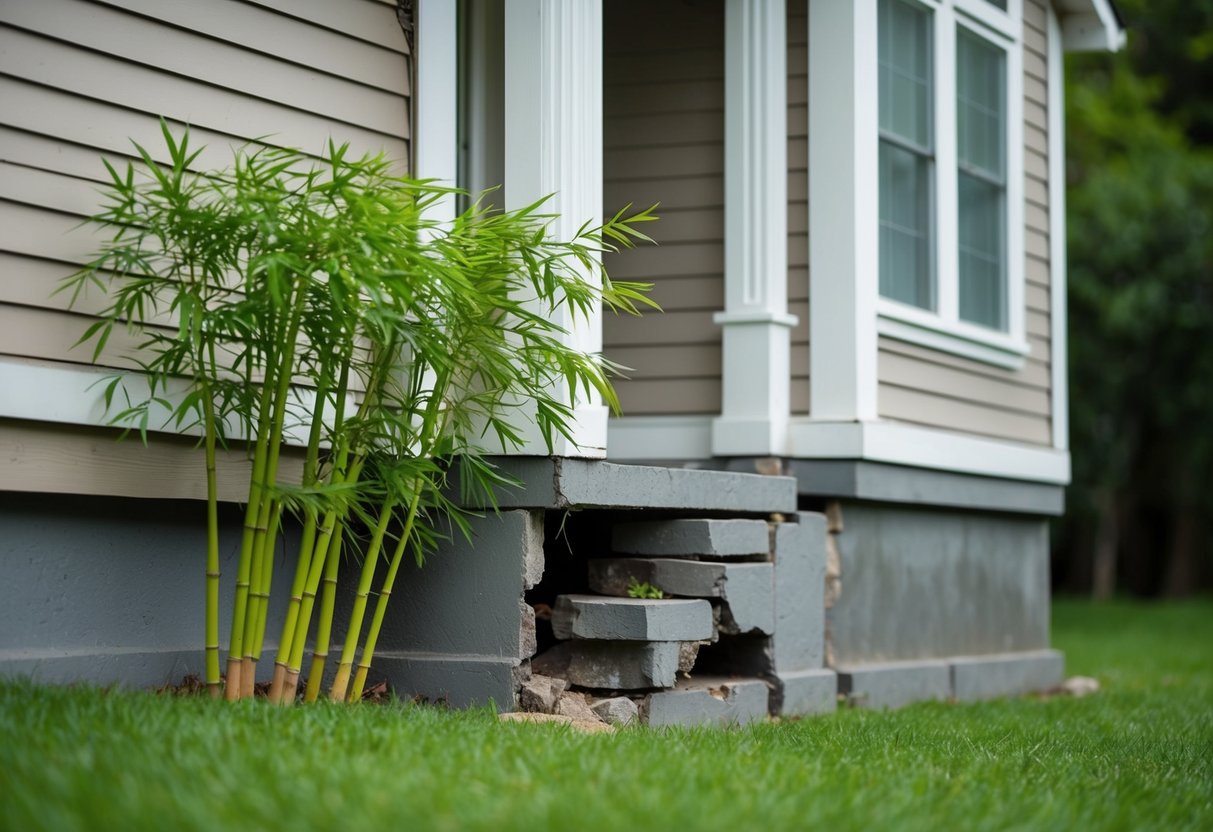
Bamboo can affect the stability of your property in a few significant ways. Its roots and rhizomes can lead to soil movement and structural damage. Being aware of these impacts can help you protect your home.
How Bamboo Rhizomes Affect Soil and Structures
Bamboo has a strong and invasive root system. The rhizomes tend to grow horizontally, often spreading up to 30 feet from the main plant. If you plant it too close to your home, they can create pressure on the soil beneath your foundations.
This pressure can lead to shifts in the ground, increasing the risk of foundation cracks and other structural issues. Weak or damaged foundations are particularly vulnerable to the impacts of bamboo growth. Pipes and other underground utilities may also be affected, causing more property damage.
Identifying Signs of Bamboo Damage
You should be alert for several signs indicating bamboo damage. Look for cracks in your foundation or walls that seem to worsen over time. Uneven floors or gaps in your home’s structure may also point to underlying issues.
Additionally, you might notice bamboo showing up in strange places, like cracks in patios or near basement walls. If you see bamboo shoots emerging from these areas, it’s time to take action. Early detection can help you manage any risks related to bamboo and avoid costly repairs down the line.
Effective Bamboo Management Strategies

Taking care of bamboo is essential to prevent it from damaging your property. By focusing on specific management strategies, you can keep your bamboo in check and protect your foundations. Here are some effective approaches to consider.
Installation of Root Barriers
One of the best ways to control bamboo is through the installation of root barriers. A root barrier, or rhizome barrier, helps to block the spread of bamboo roots.
- Choose a strong material, like plastic or metal, that can withstand bamboo’s aggressive growth.
- Install the barrier at least 30 inches deep to make it effective.
- The barrier should extend at least 12 inches above ground. This prevents the bamboo from growing over it.
Proper placement can significantly limit the area where roots can spread. Regularly check for any signs of bamboo growth around the barrier to address issues early.
Regular Maintenance and Root Pruning
Routine maintenance is vital to keeping bamboo under control. Regular inspections of your bamboo plants will help you spot any runaway growth.
- Root pruning is an effective method to limit bamboo spread. You can cut the rhizomes, which reduces their ability to spread aggressively.
- Aim to prune your bamboo roots at least once a year, or more frequently if you notice growth near foundations or pathways.
- Remove any invasive shoots as soon as you see them. This will help maintain boundaries and prevent damage.
With diligent care, you can enjoy the beauty of bamboo without risking damage to your property.
Professional Bamboo Removal Techniques
If your bamboo has become unmanageable, consider hiring experts for bamboo removal. Professionals have the skills and tools needed for effective removal.
- They will assess the extent of the bamboo invasion and determine the best removal strategy.
- Professional removal often includes excavating roots, which is crucial for preventing regrowth.
- They may use herbicides carefully to ensure complete eradication, but this is done with caution to protect the surrounding environment.
Investing in professional help can save you time and protect your foundations from further damage.
Bamboo in Landscaping and Neighboring Properties

Bamboo can be a beautiful choice for landscaping, offering both aesthetic appeal and practical benefits. However, it’s important to consider its growth habits and potential impacts on neighboring properties.
Benefits and Risks of Bamboo in Gardens and Yards
Bamboo is a popular ornamental plant that adds a unique touch to your home garden. It grows quickly and can create privacy screens or windbreaks. This can enhance your outdoor space and provide shelter for local wildlife.
On the flip side, bamboo can spread rapidly. Its rhizomes can extend underground, causing it to invade neighboring yards. This aggressive growth can lead to disputes with neighbors if left unchecked. If you’re considering bamboo, be mindful of its potential to encroach on others’ properties.
Mitigating Bamboo Spread Between Adjacent Lands
To keep bamboo contained, consider planting it in a pot or raised bed. This can prevent its roots from spreading too far.
You may also install physical barriers, like plastic root barriers, deep into the soil to limit growth.
Communication with your neighbors is key. If you plan to grow bamboo, inform them to avoid future conflicts.
Working together can lead to a harmonious solution, allowing both you and your neighbors to enjoy your landscaping choices without worry.


