

Can I Cut Bamboo Stalks and Replant? A Guide to Successful Bamboo Propagation
If you have bamboo plants in your garden, you may wonder about the best way to manage them. Yes, you can cut bamboo stalks and replant them successfully. This can help you control growth and even expand your garden with new plants.
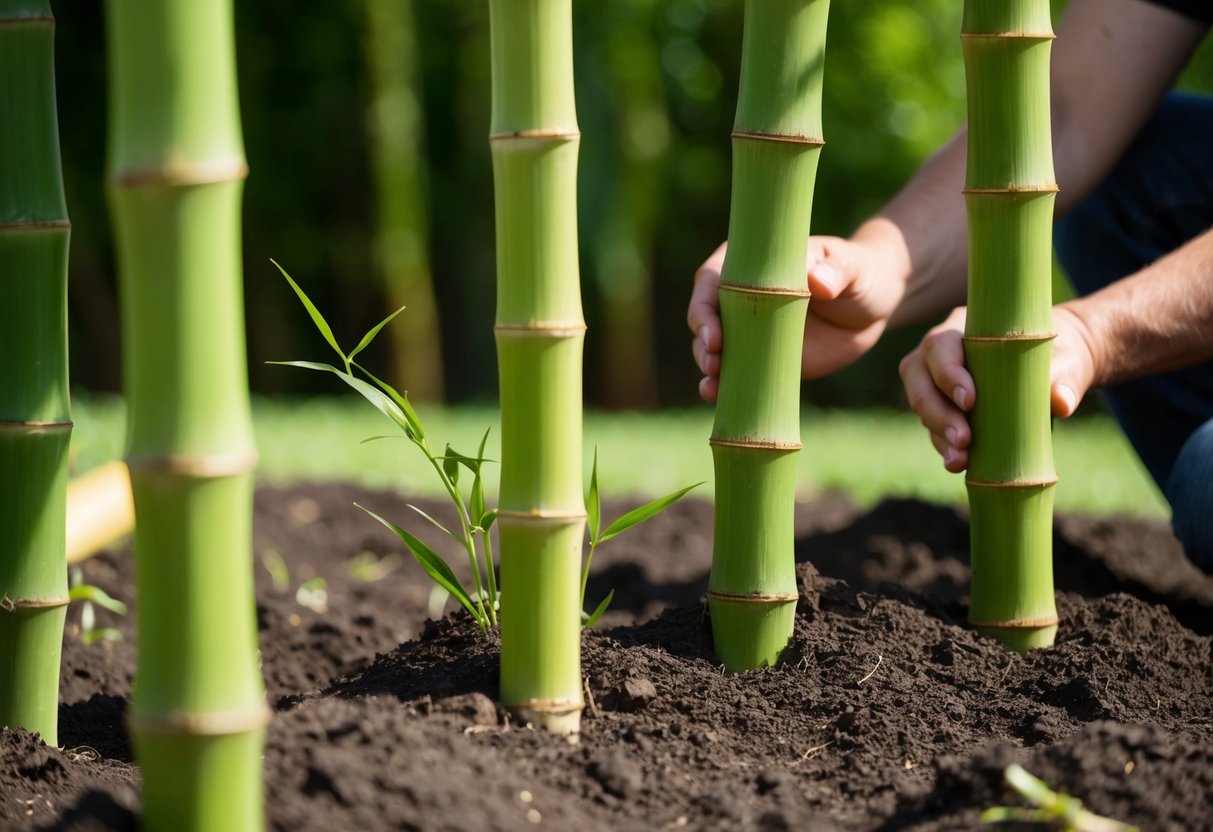
Lucky bamboo, often kept indoors, can also thrive if you decide to propagate it. By choosing the right stalks and ensuring they have enough nodes, you can increase your collection without needing to buy more. This makes gardening with bamboo both rewarding and cost-effective.
Transplanting bamboo requires some care, but it can lead to a healthier, more vibrant plant. With the right techniques, you can enjoy the beauty of bamboo while making the most of your gardening space.
Understanding Bamboo and Its Varieties
Bamboo is a fascinating plant known for its strength and rapid growth. It comes in various species, each with unique traits. Understanding the two main types of bamboo—clumping and running—can help you choose the best option for your gardening needs.
Characteristics of Bamboo
Bamboo is a type of grass that can grow very tall. It has hollow stems, called culms, which make it lightweight yet strong. You will find that some bamboo species can grow several feet in just a single day!
Most bamboo is green, but there are also varieties with colorful stems, such as yellow or black. Its lush foliage provides a tropical feel, making it popular in landscaping. The plant’s ability to bend without breaking makes it useful for building materials and crafts.
Types of Bamboo: Clumping and Running
There are two main types of bamboo: clumping and running. Clumping bamboo grows in tight clusters, with new shoots emerging close to the parent plant. This variety is great for small gardens or tight spaces. It tends to be less invasive, making it easier to manage.
Running bamboo spreads quickly through underground rhizomes. It can cover a large area if not controlled. While these varieties may need more space, they can provide excellent privacy screens or windbreaks. Identify which type fits your garden best to enjoy the benefits of bamboo!
Preparation for Cutting and Replanting
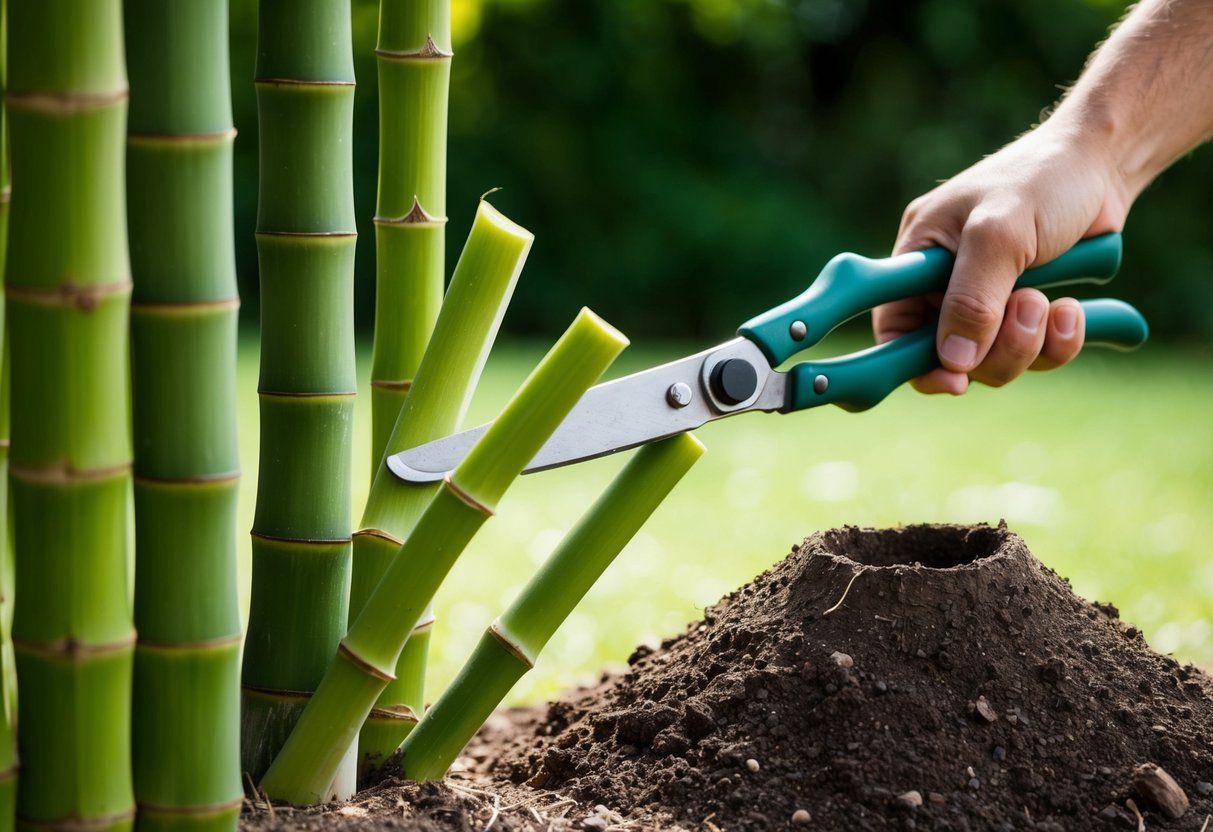
Before you start cutting and replanting bamboo, it’s important to get ready properly. This involves selecting the right tools, knowing when to cut, and identifying which bamboo culms are healthy.
Selecting the Right Tools
Choosing the right tools makes all the difference. For cutting bamboo, consider using pruning shears for smaller culms and a chainsaw for larger ones. A sharp knife is useful for precise cuts and smaller tasks.
Ensure your tools are clean to avoid spreading disease. Disinfecting them before use is a good practice. This preparation will help you make clean cuts, which reduces damage to the plant. Sharp tools will also allow for easier handling and better results, promoting healthy regrowth.
When to Cut Bamboo for Optimal Growth
Timing is key when cutting bamboo. The best time to prune is during the growing season, which is typically in spring. This is when you will see the most new growth. Cutting during this period encourages faster recovery and more vigorous growth.
Avoid cutting during the dormant season, as this can shock the plant. Wait for a sunny day, as this helps the plant recover quicker. If you cut after heavy rainfall, the ground may be muddy, making it harder to plant again. Proper timing will ensure your bamboo stays strong and healthy.
Identifying Healthy Bamboo Culms
Not all bamboo culms are suitable for cutting. Look for healthy culms that are straight and without signs of damage or disease. A good indicator of health is their color; vibrant green culms are usually a sign of vitality.
Focus on the nodes, which are the joints on the culms. These areas are critical for new growth. You want to select culms with several nodes, as they will produce more shoots after replanting. Avoid culms that are too thin or discolored, as these may not thrive when replanted. Choosing the right culms is essential for promoting healthy growth in your bamboo garden.
Propagation Techniques

When you want to expand your bamboo garden, using the right propagation techniques can make all the difference. The culm-segment cutting method is popular and effective. Once you have your cuttings ready, proper planting techniques will help them take root successfully.
Culm-Segment Cutting Method
To start, choose a healthy bamboo stalk. Use sharp pruning shears or a saw to cut it into segments. Each segment should contain at least two or three nodes. Nodes are where the leaves grow and are crucial for rooting.
Make cuts approximately one foot long and ensure you cut below a node. This will give the cutting a better chance of growing roots. After cutting, you can let the segments dry for a day or two. This helps prevent rot when planted.
Planting Bamboo Cuttings
Once the cuttings are ready, it’s time to plant them. Choose a spot with well-draining soil. Bamboo prefers a sunny area to thrive.
Dig holes deep enough to bury the cuttings at least a third of their length. Then, place the cuttings in the holes and backfill gently. Add mulch around the base to retain moisture and suppress weeds.
Water the cuttings well after planting but avoid soaking them. In a few weeks, you should see new growth appearing, signaling that your bamboo cuttings are taking root!
Aftercare for New Bamboo Plants
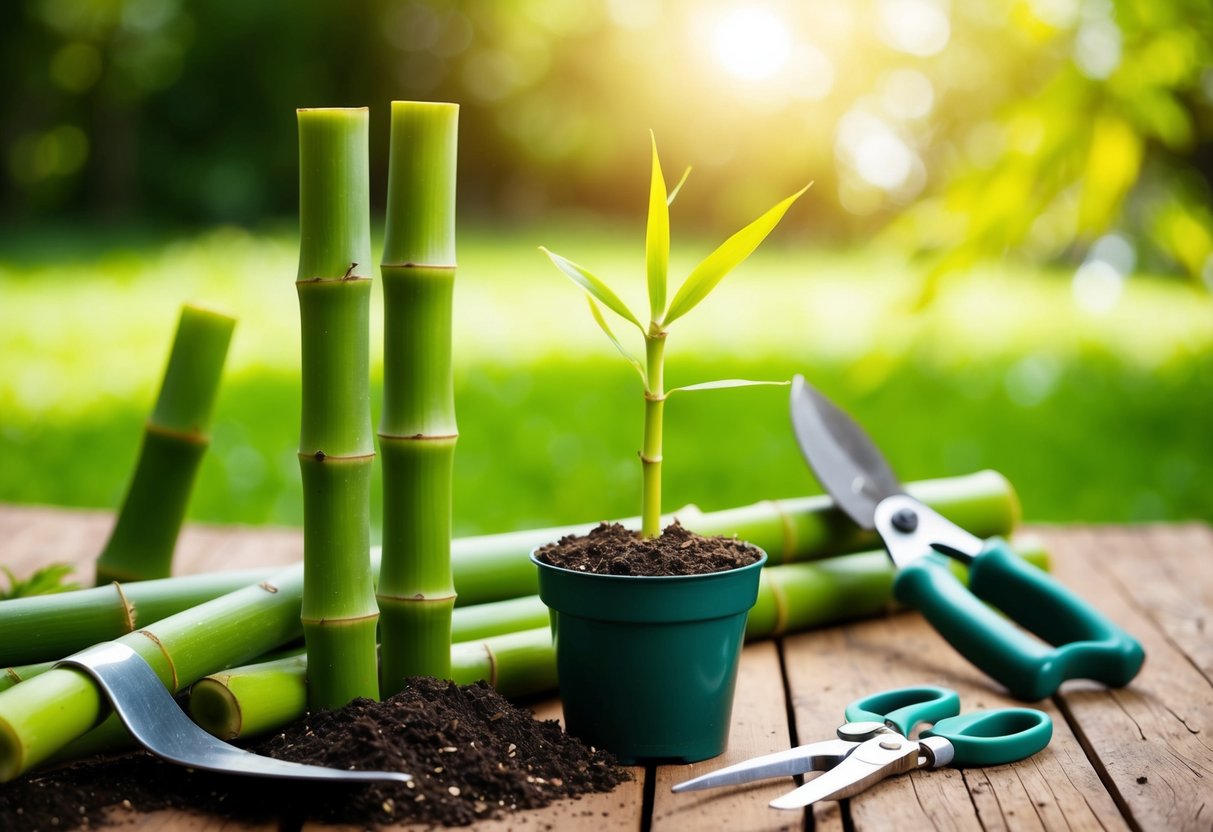
Taking care of your new bamboo plants helps them grow strong and healthy. Proper aftercare includes managing moisture levels and supporting their growth.
Maintaining Moisture and Preventing Rot
To keep your bamboo healthy, it’s crucial to maintain moisture without oversaturating the soil. Aim for consistently moist soil, which helps encourage growth. Use a simple finger test: if the top inch of soil feels dry, it’s time to water.
Make sure to choose a pot with drainage holes if you’re growing bamboo as a houseplant, as stagnant water can lead to rot. If you’re planting bamboo in your garden, applying a layer of compost around the base helps retain moisture and provides essential nutrients.
Monitor your bamboo for signs of rot, like blackened stems or a foul smell. If you notice these issues, improve drainage and reduce watering.
Encouraging New Shoots and Long-Term Health
Encouraging new shoots is essential for a thriving bamboo plant. You can encourage robust bamboo growth by regularly fertilizing your bamboo with a balanced fertilizer. Do this during the growing season, typically in spring and summer. This can also prevent overgrowth, which some varieties experience.
As your plant grows, consider thinning out excessive canes to allow better air circulation. This helps prevent diseases and encourages healthy new shoots.
If you want to use your bamboo for landscaping, be mindful of its growth habits to maintain its appearance and health.
With these practices, your bamboo can thrive, providing beauty and structure to your space. Enjoy your growing bamboo garden!


