

Can You Bring Lucky Bamboo Back to Life? Tips for Reviving Your Plant
A lucky bamboo plant is more than just a houseplant; it’s often seen as a symbol of good luck and positive energy. If you’ve noticed your lucky bamboo looking a bit worse for wear, you might be wondering, yes, you can bring lucky bamboo back to life! With some simple care tips and a little patience, you can restore its health and enjoy its benefits once again.
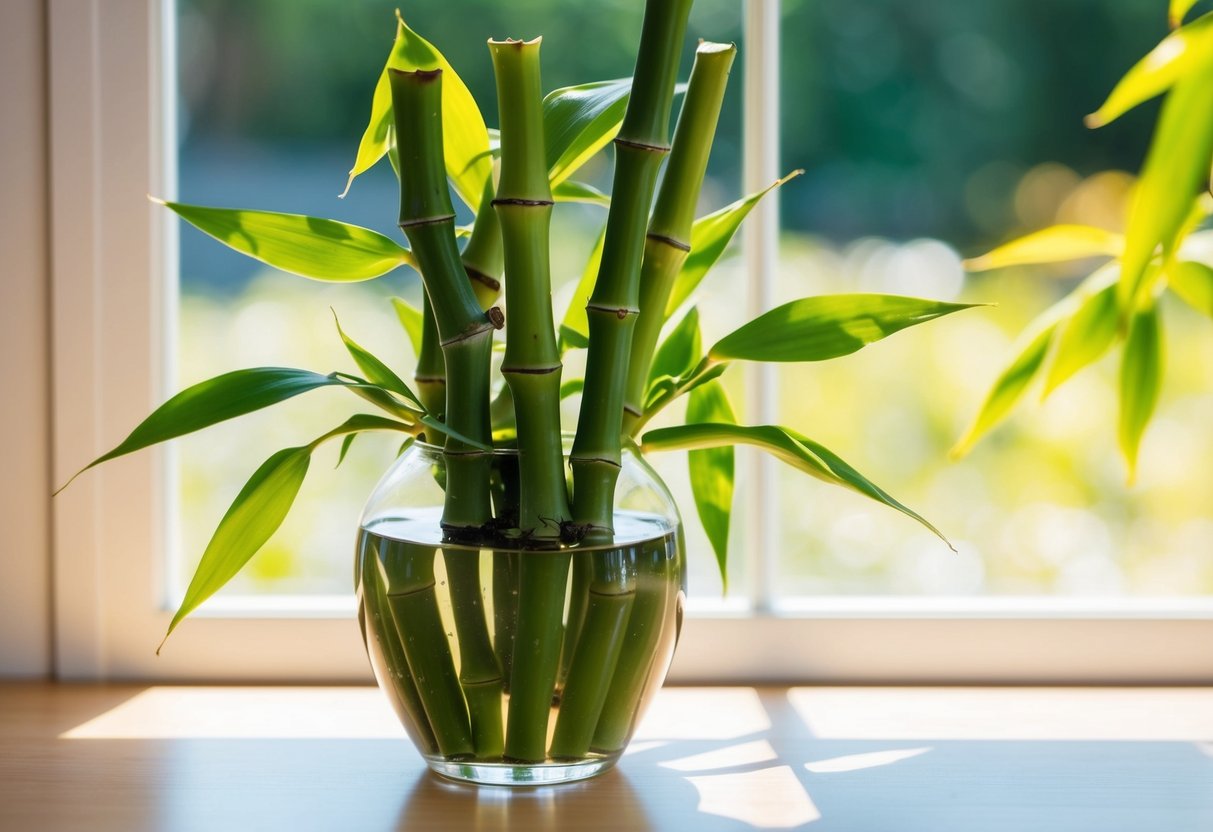
The good news is that lucky bamboo is resilient. Common issues like yellowing leaves or wilting can usually be fixed with the right adjustments to its care. Whether you’re dealing with water quality or light exposure, understanding the needs of your lucky bamboo is the key to reviving it.
So, if you’re ready to learn how to breathe new life into your bamboo, keep reading. You’ll discover easy steps to ensure your lucky bamboo thrives and continues to bring you that positive energy you cherish.
Understanding Lucky Bamboo
Lucky bamboo, known scientifically as Dracaena sanderiana, is a popular indoor plant that brings both beauty and good luck to your space. Understanding its needs and characteristics will help you care for it properly.
Species Profile: Dracaena Sanderiana
Dracaena sanderiana, commonly called lucky bamboo, is not a true bamboo but a member of the Dracaena genus. It typically grows in water or soil and can be found in various shapes and sizes. This plant is often associated with good fortune, especially in Feng Shui.
Lucky bamboo can grow up to several feet tall indoors. When caring for it, you should focus on maintaining the right growing conditions. This plant thrives in an environment that mimics its natural tropical habitat.
Ideal Growing Conditions
Lucky bamboo prefers indirect sunlight. Direct sunlight can cause its leaves to scorch. Instead, place your plant in a bright spot with filtered light.
The ideal temperature range for your lucky bamboo is between 60°F and 80°F (16°C to 27°C). Keeping it in this range helps promote healthy growth.
Moreover, high humidity levels are beneficial. You can increase humidity by misting the leaves or placing a tray of water nearby. Ensuring these conditions will help your lucky bamboo flourish.
Common Issues in Lucky Bamboo
Even with the best care, lucky bamboo can encounter issues. One common problem is yellowing leaves. This may be a sign of too much direct light or issues with water quality.
If you notice brown tips on the leaves, it could mean that your plant is sensitive to chemicals in tap water. Switching to distilled or filtered water often improves the plant’s health.
Another issue is wilting. This can happen due to improper watering. Always aim to keep the roots submerged if your bamboo is growing in water, but avoid over-watering if it’s planted in soil. Keeping an eye on these aspects helps maintain your plant’s vitality.
Watering Your Lucky Bamboo
Proper watering is essential for your lucky bamboo to thrive. Understanding the signs of overwatering and underwatering will help you maintain its health. Choosing the right type of water also plays a crucial role in its growth.
Signs of Overwatering and Underwatering
Recognizing the signs of overwatering and underwatering can save your lucky bamboo from serious damage.
Overwatering symptoms include yellowing leaves, mushy stems, and a foul smell from the roots. If you see these signs, you may be providing too much water. To rectify this, reduce your watering frequency and ensure the pot has adequate drainage.
Underwatering symptoms include browning leaf tips, drooping leaves, and dried-out stems. If your plant looks like this, it could be thirsty. You can fix underwatering by slowly increasing the water supply while checking the moisture level of the soil.
Tip: Check the roots regularly. They should be firm and white, not brown or mushy.
Choosing the Right Water
The type of water you use for your lucky bamboo can greatly impact its health.
Tap water often contains chemicals like chlorine and fluoride, which can be harmful to plants. If you notice browning tips, it might be due to the chlorine. Instead, consider using rainwater, which is free of chemicals and generally ideal for plants.
Filtered water or distilled water are also good options. They do not have the added chemicals of tap water and can help your lucky bamboo flourish. Make sure to avoid chlorinated tap water to keep your plant healthy.
In any case, always let the water sit for 24 hours before using it. This allows harmful chemicals to dissipate.
Reviving a Struggling Bamboo Plant

Reviving your lucky bamboo plant can seem challenging, but with the right approach, you can save it from distress. First, it’s essential to identify the signs of a struggling plant. Once you know what to look for, you can start a step-by-step recovery process to bring your bamboo back to vitality.
Identifying Symptoms of Distress
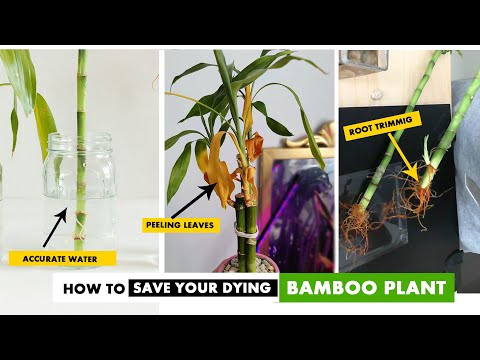
To effectively revive your bamboo, watch for some clear signs that it’s struggling. Common symptoms include:
- Yellow Leaves: When you see yellowing leaves, this can indicate issues like nutrient deficiencies or overwatering.
- Brown Leaves: These often mean the plant is under stress. Brown tips or edges suggest it might need more humidity.
- Wilting Stems: If the stems droop or appear soft, it could be a sign of root rot from excessive water.
- Yellow Stems: Yellowing stems can indicate poor health or insufficient light.
By paying attention to these symptoms, you can determine the best course of action to save your dying bamboo plant.
Step-by-Step Recovery Process
Once you’ve identified the symptoms, follow these steps to help your bamboo recover:
- Assess Watering Habits: Ensure you’re not overwatering. Your bamboo likes moist soil, but soggy soil can lead to root rot.
- Improve Light Conditions: Place your bamboo in bright, indirect light to help it regain strength.
- Prune Damaged Parts: Trim away any dead or yellow leaves and wilting stems. This helps redirect energy to healthier growth.
- Check Soil Quality: Use well-draining soil to prevent water from pooling. Replant if necessary.
- Fertilize Sparingly: If nutrient deficiencies are present, fertilize with a diluted plant food. Use it every few months to support new growth.
By following these steps, you can increase your chances of reviving a struggling bamboo plant.
Prevention and Maintenance

To keep your lucky bamboo healthy, it’s important to follow consistent care routines and proactively manage any potential threats. Focusing on the right care and prevention early on can save your plant from future problems.
Routine Care Tips
Start by placing your lucky bamboo in a spot with indirect sunlight. Although it can tolerate low light, it thrives with about 6 hours of bright, filtered light each day. Be careful not to leave it in direct sunlight, which can scorch the leaves.
Water your bamboo using filtered or distilled water to avoid harmful chemicals found in tap water. Change the water every two weeks to keep it fresh. Use a well-draining potting mix if you’re planting it in soil. This helps prevent root rot by allowing excess moisture to escape.
Fertilize every month using a balanced liquid fertilizer, but don’t overdo it. Too much can harm your plant. Regularly trim off any yellow or dead leaves to encourage healthy growth.
Dealing with Pests and Diseases
Pests like mealybugs can cause your bamboo to deteriorate. These pests often hide in leaf axils and can be removed with a soft cloth dipped in soapy water.
Make sure to monitor for signs of insufficient light or stress on your plant. Yellowing leaves can indicate that your bamboo is not getting enough light or that it is suffering from root issues. If you notice any symptoms, adjust its location to improve lighting conditions.
Also, check the humidity levels, especially in dry environments. Misting the leaves can help increase humidity and prevent disease. Keeping your bamboo healthy will make it easier to manage any problems that arise.


