

DIY Garden Shed Skirting Ideas: 25 Friendly Ways to Enhance Your Outdoor Space
If you’ve got a garden shed, you might notice those annoying gaps at the bottom that let in dirt, pests, or even cold drafts. Skirting around your shed can fix these issues and give the whole thing a tidier, more finished look.
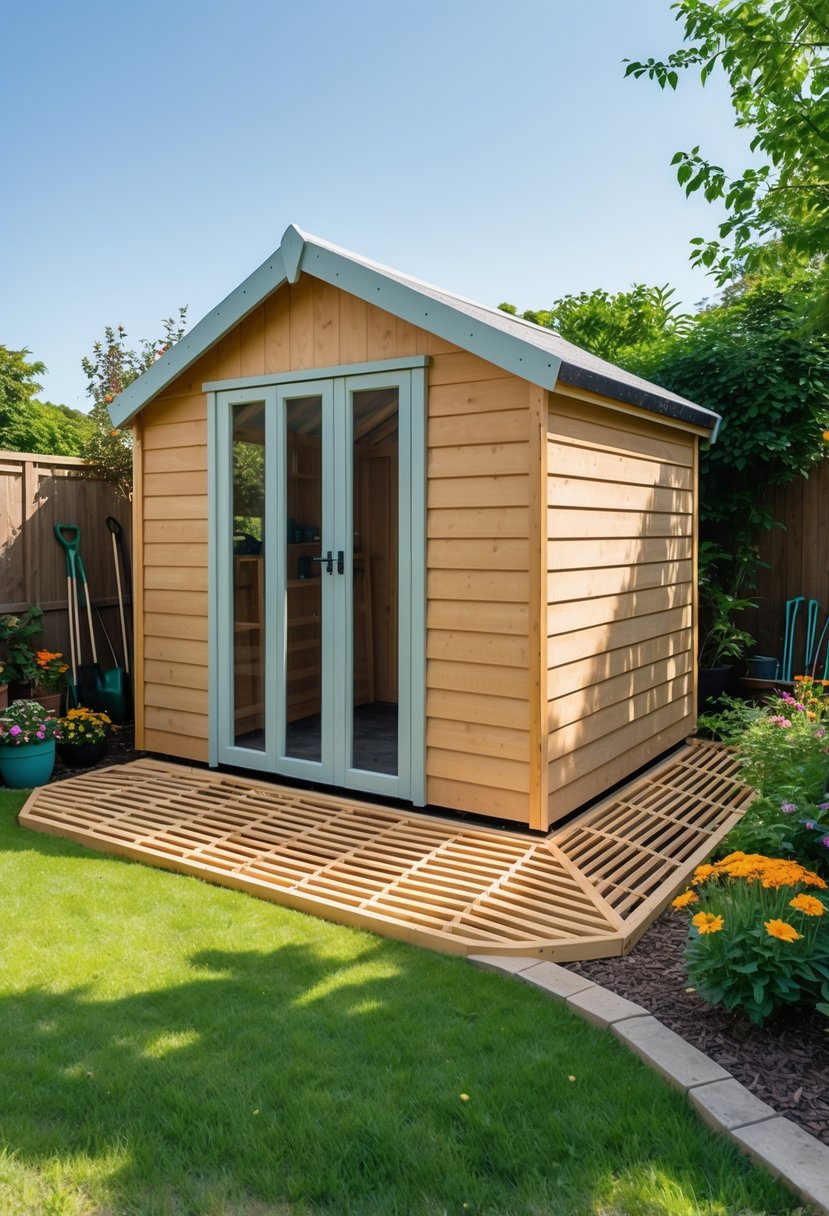
DIY garden shed skirting ideas really help you upgrade your shed’s appearance and shield it from damage. You don’t need to be a pro—there are so many materials and styles out there, so you’ll find something that fits your space and your wallet.
1) Lattice Panels for Ventilated Skirting
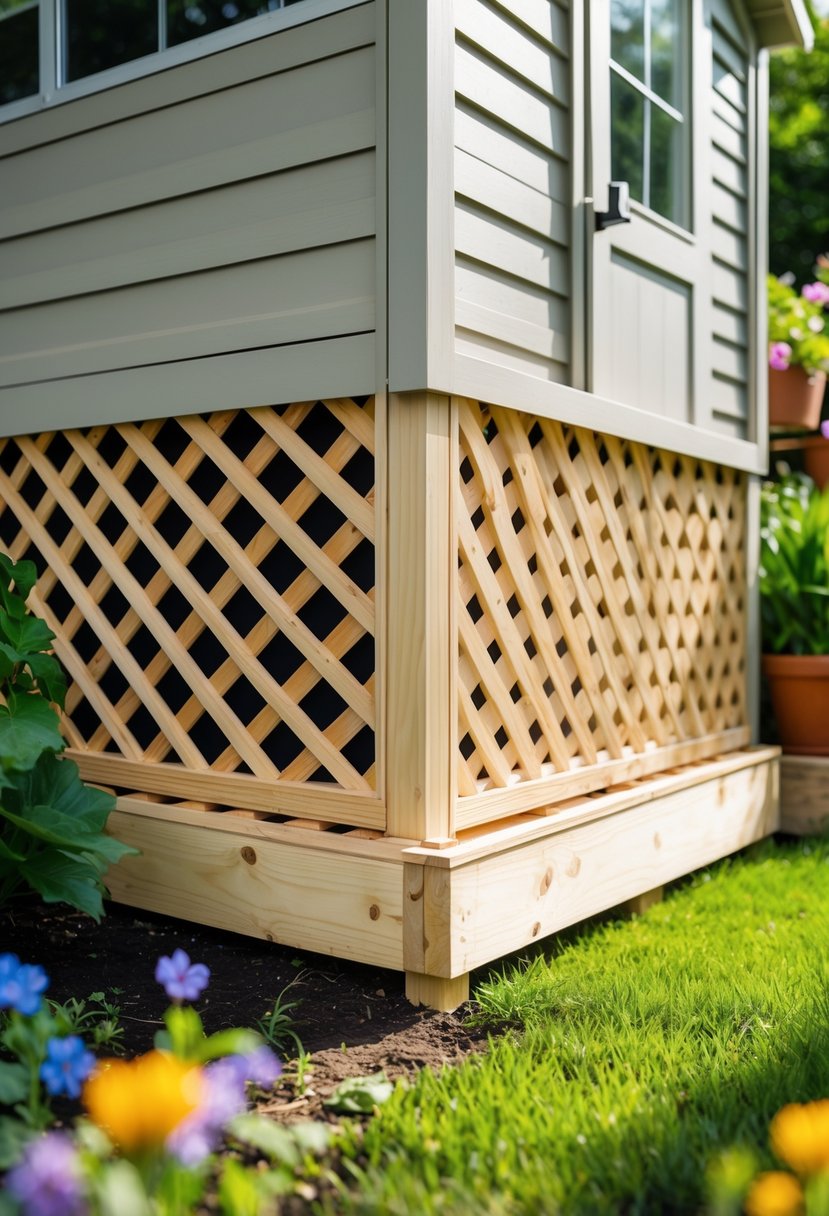
Lattice panels work well if you want airflow under your shed. They keep things dry by letting air circulate, which cuts down on moisture.
You can keep small animals out with lattice and still add a bit of style to your garden. It’s simple to install, and you’ll find lots of styles and colors to match your shed.
Lattice skirting won’t break the bank and does a great job protecting your shed’s base. It just fits in with most garden designs and looks tidy. For more, check out DIY Sheds and Plans.
2) Brick Skirting for a Classic Look
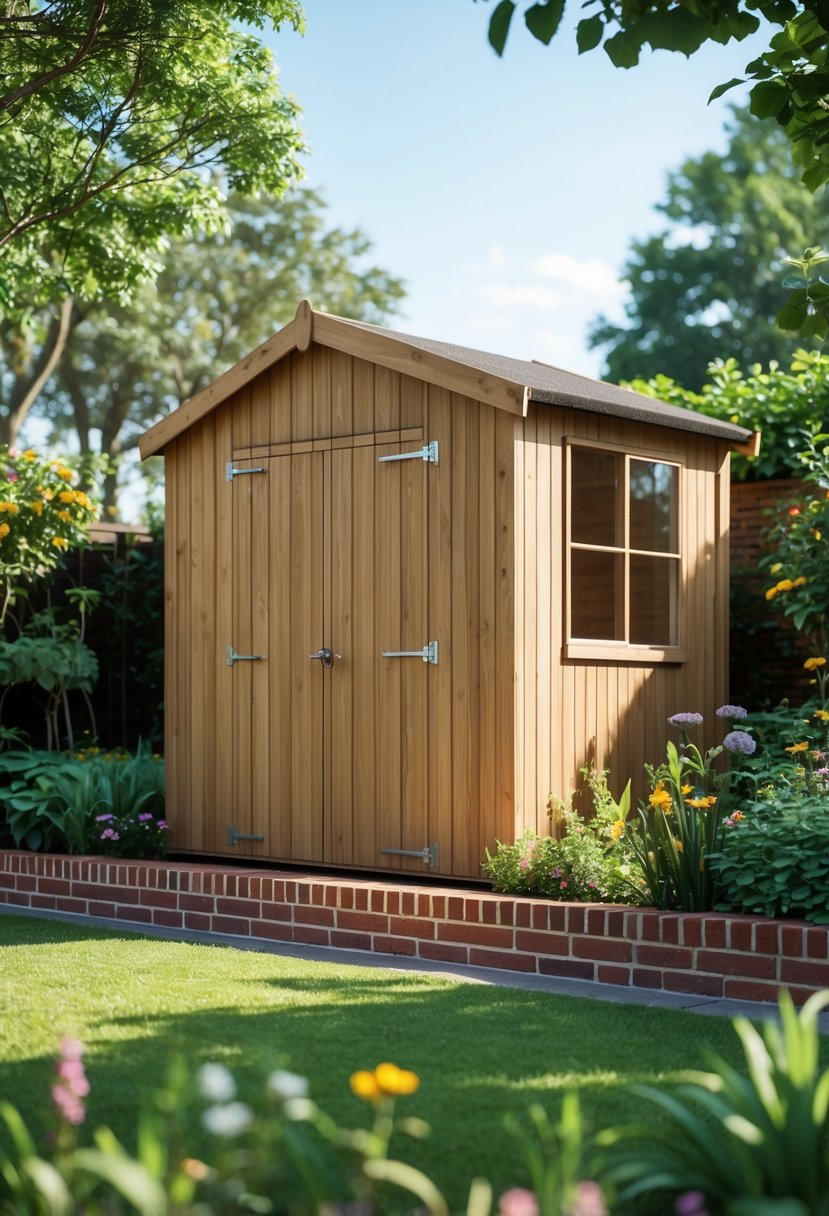
Brick skirting gives your garden shed that timeless, sturdy feel. It adds real stability and helps block moisture and pests from sneaking in.
You can pick from different brick styles and colors to match your garden or your house. Installing brick skirting takes some effort, but the end result is a solid, clean barrier.
If you want something classic and low-maintenance that’ll last, brick skirting is a good bet. For inspiration, check out brick skirting designs on Pinterest.
3) Wooden Slat Skirting Painted White

Wooden slats give your garden shed a simple, clean look. Painting them white brightens things up and works with just about any garden style.
Place the slats vertically with small gaps to let air move through. That helps prevent moisture from building up under the shed.
White wooden slat skirting is easy to put in and doesn’t need much care. If you ever want to change things, just paint it another color. More ideas are out there if you want to see other wooden slat skirting options.
4) Stone Veneer Skirting with Faux Rock Panels

Stone veneer skirting brings a natural vibe to your shed. Faux rock panels are lightweight and much easier to install than real stone.
You’ll find panels in lots of colors and styles, so it’s not hard to match your shed’s look. Just measure, cut, and stick them on with adhesive or screws.
Faux rock skirting hides gaps and keeps out pests and debris. It looks polished without all the heavy lifting of real stonework.
If you want to see more, GenStone’s site has plenty of stone veneer deck skirting ideas.
5) Metal Mesh Skirting to Keep Pests Out

Metal mesh works well if you’re trying to keep pests out. The holes let air circulate but block rodents and bugs from getting in.
You can attach mesh right to your shed’s frame or just use stakes to hold it along the ground.
Metal mesh lasts a long time and stands up to the elements. It also stops dirt and leaves from piling up under your shed.
This method doesn’t need much care and doesn’t change your shed’s look much at all.
Find more shed skirting options at upgradedhome.com.
6) Concrete Block Skirting with Decorative Paint

Concrete blocks are a tough, budget-friendly pick for shed skirting. They keep pests and moisture away from your shed’s base.
You can make concrete blocks look better with a coat of outdoor paint. Pick colors that work with your garden or shed.
This option is simple to install and lets you add your own style. If you want an easy but strong fix, concrete blocks might be your thing.
For more ideas, take a look at this shed skirting options list.
7) Recycled Pallet Wood Skirting for Rustic Charm
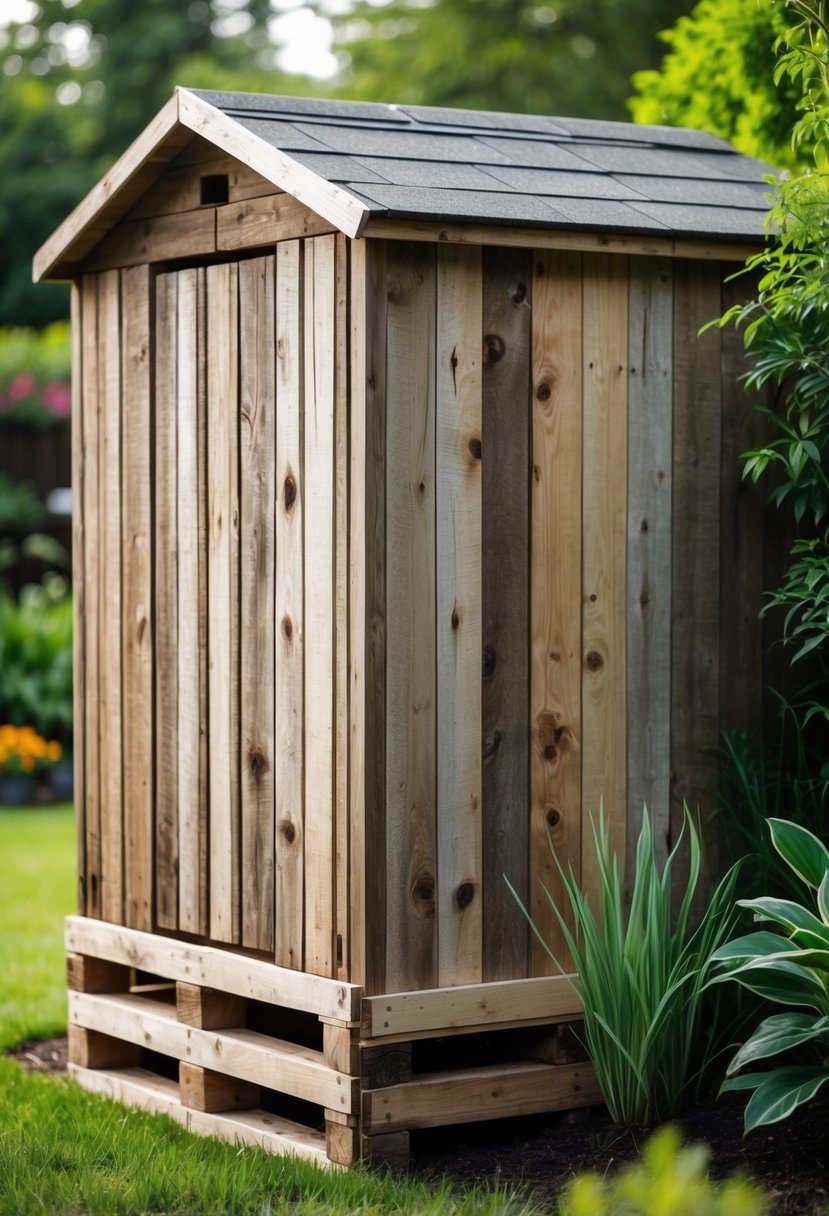
Recycled pallet wood gives your shed a rustic, homey touch. Take apart old pallets and sand the boards so they’re smooth.
Arrange the wood slats vertically or horizontally around the base. This saves money and keeps wood out of the landfill.
Add a coat of paint or sealant to help the wood last longer. Pallet wood skirting just adds a simple, natural look to your yard.
For more pallet wood ideas, check out 15 Creative Shed Skirting Plans to Enhance Your Outdoor Space.
8) Trellis Panels with Climbing Plants

Trellis panels make shed skirting both useful and attractive. Attach the panels around your shed’s base to hide the foundation and add a touch of nature.
Plant some climbing vines like clematis or ivy nearby. As they grow, they’ll cover the trellis and make your shed look lush.
This option lets air flow under the shed and gives your plants a nice place to climb. You’ll find easy DIY trellis ideas here.
9) Corrugated Metal Skirting for Industrial Style
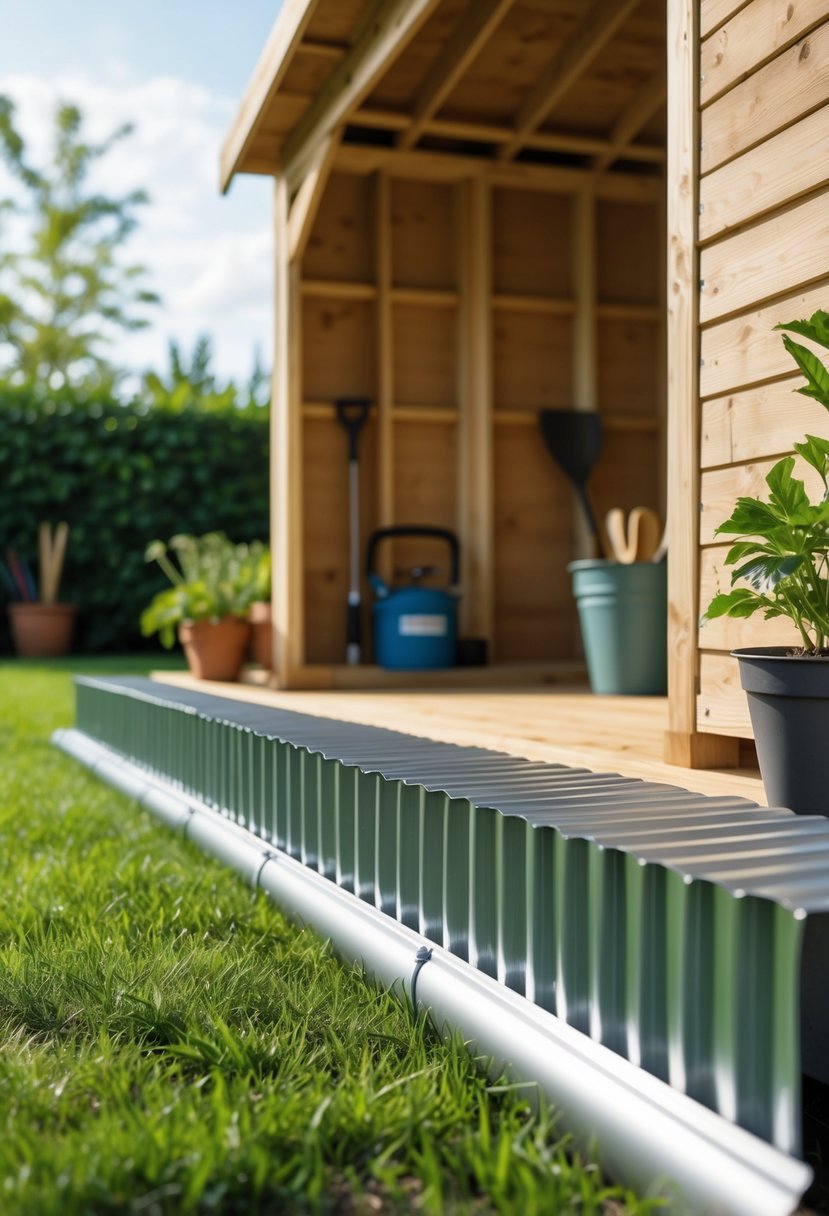
Corrugated metal skirting gives your shed an industrial vibe. This stuff is strong and doesn’t mind rain, snow, or wind.
The metal adds a modern edge and protects the shed’s base. It’s easy to keep clean and should last for years.
If you want tips or plans, check out corrugated metal skirting. It’s a good fit if you like things sleek and a little urban.
10) VINYL Shed Skirting Panels for Low Maintenance
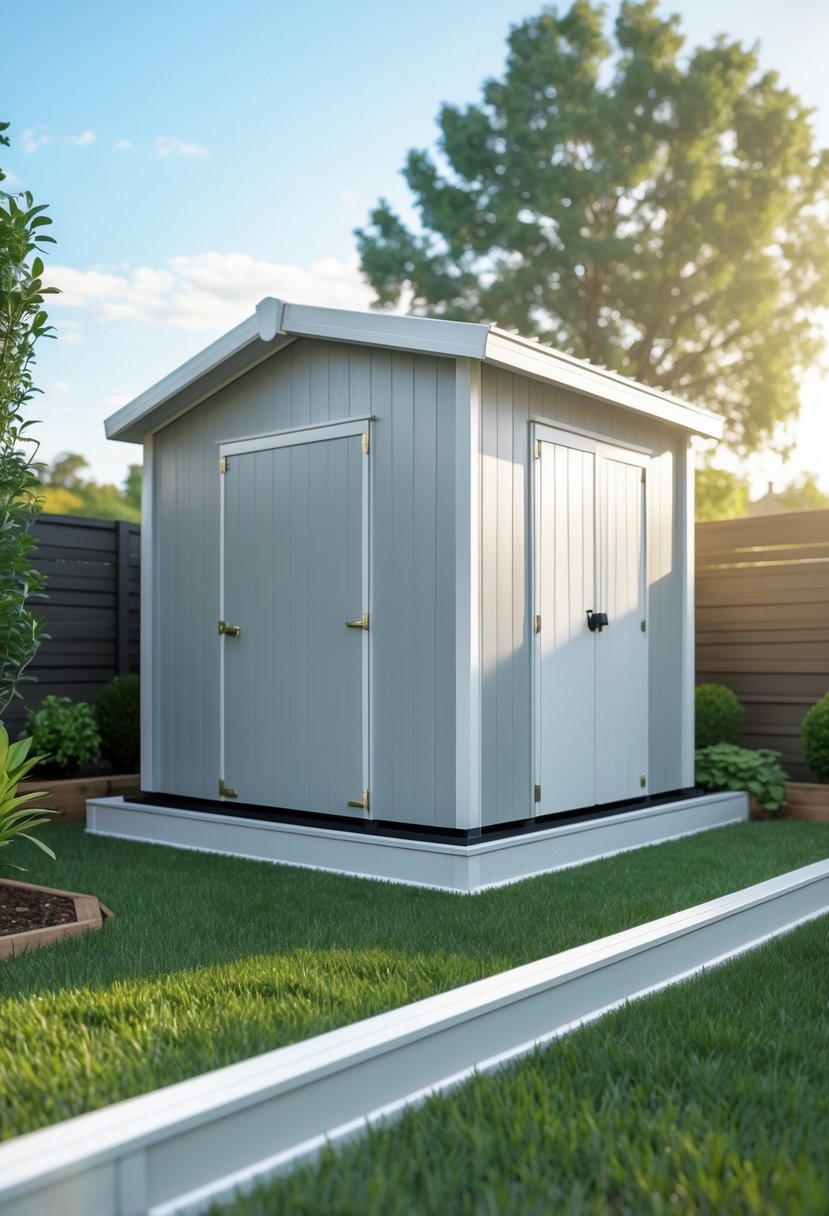
Vinyl skirting panels make things super easy to care for. They don’t rot or warp like wood, so you’ll have less to worry about.
You’ll find vinyl in all sorts of colors and styles—even ones that look like stone or brick. Installation is a breeze, so it’s a solid weekend project.
Vinyl is tough and keeps out pests while protecting your shed’s base. If you want something practical and tidy, vinyl skirting panels are a solid option. Learn more at Lowe’s vinyl skirting panels.
11) PVC Door Skirting with Hinged Access

PVC boards make shed skirting look neat and last a long time. They resist moisture and don’t rot like wood.
Add a hinged door to the skirting for easy access under your shed. It’s handy for checking pipes or stashing small tools.
The door opens smoothly and stays shut when you need it to. This idea keeps things tidy and maintenance simple. For an installation walkthrough, see this PVC shed skirting guide.
12) Gabion Stone Filled Wire Cage Skirting

Gabion skirting uses wire cages filled with stones to wrap around your shed’s base. This gives a strong, natural look that just fits in with the outdoors.
You get to fill the cages with any rocks you like. Building them is straightforward and doesn’t take much skill.
Gabion skirting lets water drain away naturally, so you don’t have to stress about moisture damage. It’s practical and stylish.
If you want to try this, check out this guide on making gabion cages.
13) Brick Paver Borders for Clean Finish

Brick paver borders give your garden shed skirting a crisp, tidy edge. You can lay them in straight or curved lines to match your shed’s shape.
Bricks stop dirt and grass from creeping under your shed. They add some color and texture, too—nice bonus for hardly any effort.
You don’t need fancy skills to install brick borders. Just lay them on a solid base like sand or gravel to keep them from shifting.
Want ideas? There are plenty of brick paver border inspirations out there you can try yourself.
14) Vertical Wooden Board Skirting Stained Dark
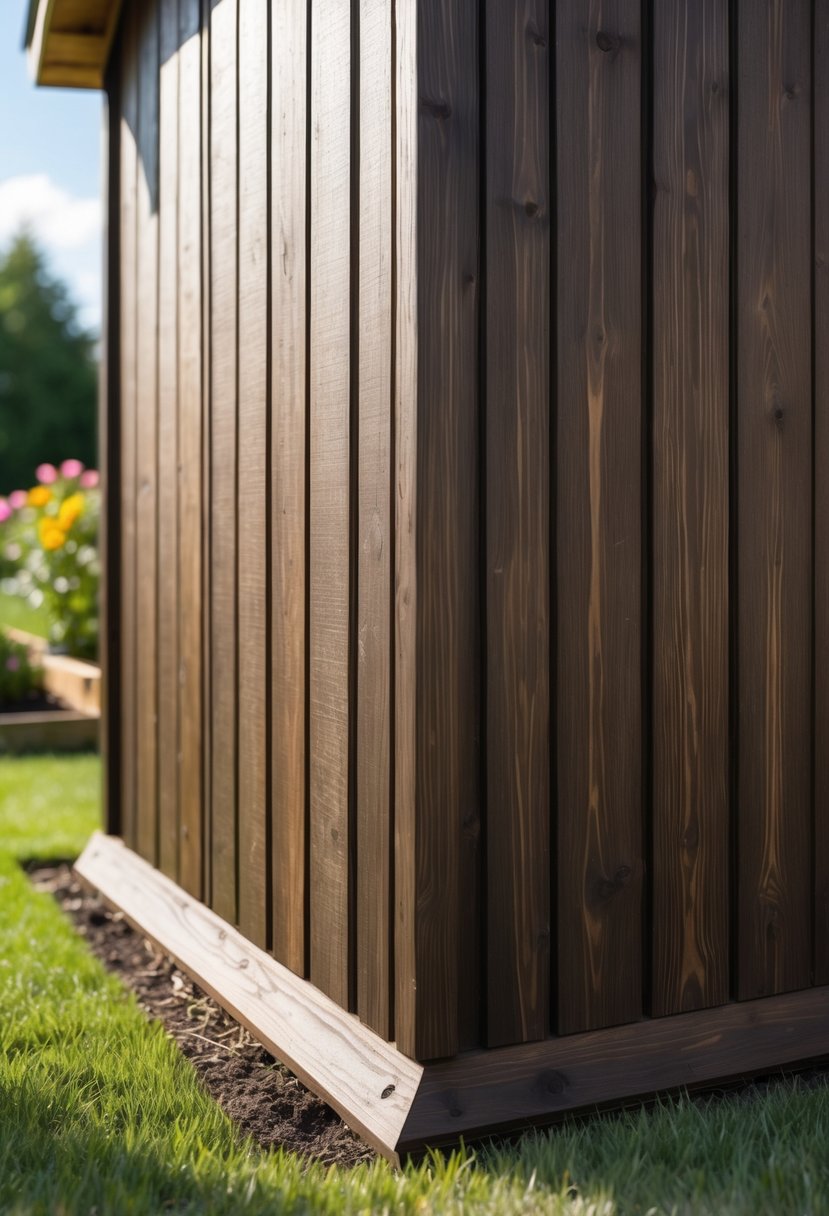
Vertical wooden boards are a straightforward way to give your shed a modern look. Stain the wood dark, and you’ll get a rich color that matches lots of garden styles.
Space the boards evenly so air can move through and keep moisture away from the base. Dark stains hide dirt and weathering better than lighter ones, which is a relief if you don’t want to clean all the time.
You’ll find this style easy to maintain. Just reapply stain every couple of years to keep things looking sharp.
Vertical boards give your shed a clean finish that works in almost any outdoor space. For more ideas, check out vertical wood deck skirting options here.
15) Decorative Screen Panels with Cutouts

Decorative screen panels with cutouts add style and airflow to your shed skirting. You’ll find loads of patterns, so it’s easy to pick something that fits your vibe.
These panels let air move under the shed and block critters from sneaking in. They also create a fun visual feature that makes your shed stand out.
You can install these panels pretty quickly. Just attach them around the shed’s base and you’re done.
Looking for more inspiration? Check out creative outdoor screen options online.
16) Snap-On Shed Base Skirting Kits

Snap-on shed base skirting kits make installation a breeze. Just snap the panels onto your shed’s base—no special tools needed.
You’ll find these kits in vinyl or metal, and they instantly tidy up the look by covering gaps under the shed.
Snap-on kits help keep pests and moisture out. It’s a quick way to keep things neat and secure underneath.
For more details, check out concrete shed skirting kits.
17) Cinder Block Skirting with Embedded Lighting
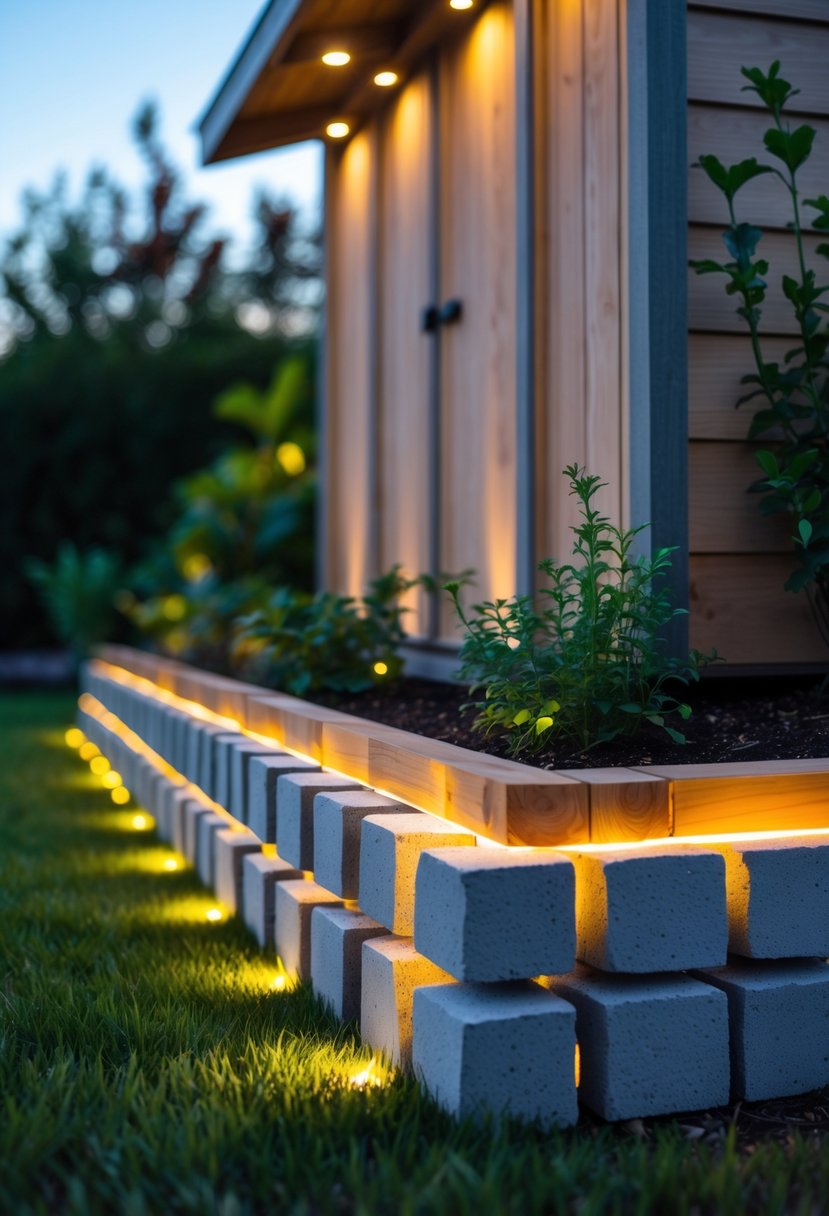
Cinder blocks make tough skirting for your garden shed. They block pests and protect the base really well.
If you tuck small LED lights into the block gaps, you’ll get a soft glow at night. It looks great and helps you see around the shed after dark.
You just stack the blocks and pop the lights in where you want them. It doesn’t take much to add a little safety and charm out there.
Curious about more options? Check out cinder block skirting ideas here.
18) Reed or Bamboo Matting Skirting for Tropical Vibe
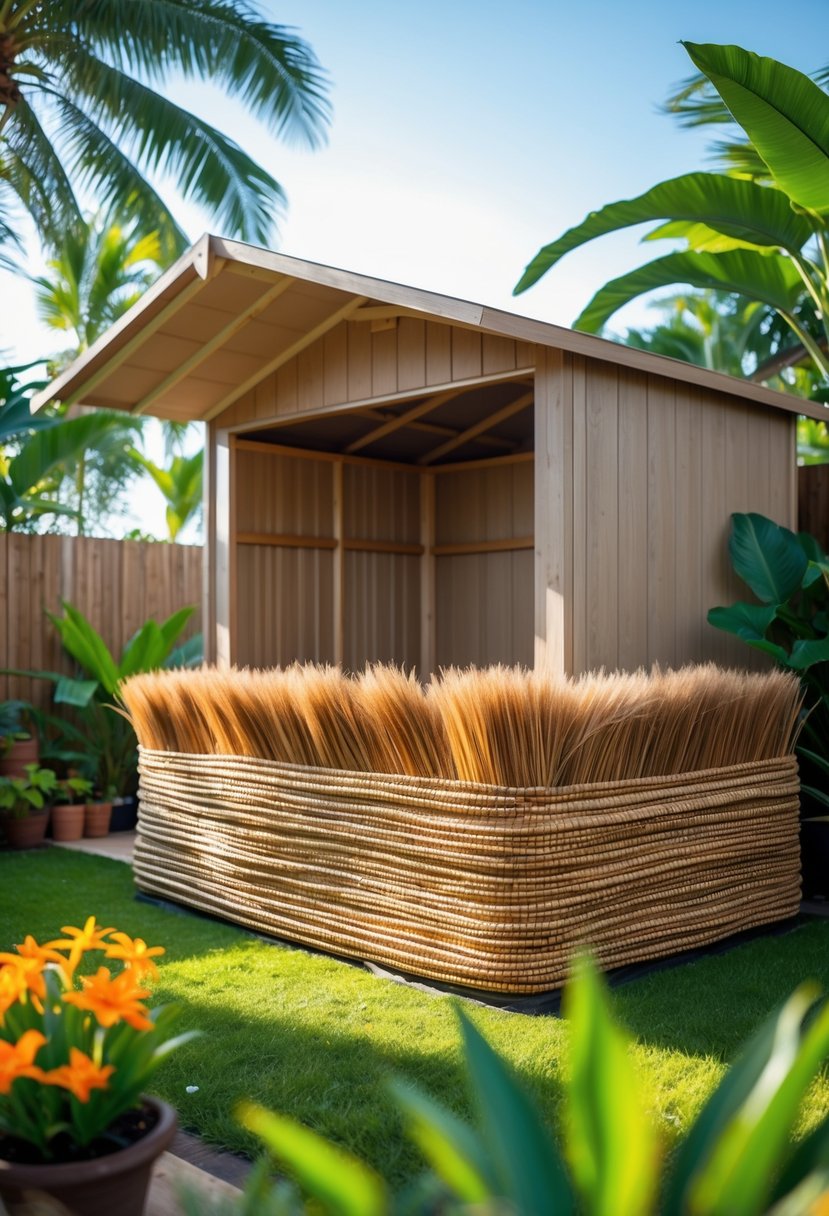
If you’re after a natural look, reed or bamboo matting makes great skirting. It gives your shed a laid-back, tropical vibe with almost no effort.
You’ll find bamboo or reed rolls at most home stores. They’re lightweight and easy to cut to size.
This option is easy on the wallet, too. You’ll get texture and a warm color that fits right in with plants and outdoor spaces.
Bamboo or reed matting makes your shed feel more inviting right away. It works for modern and rustic sheds alike.
Want to try it? Check out bamboo skirting plans and ideas.
19) Repurposed Shutters as Shed Skirting

Old shutters can turn into charming skirting for your garden shed. They bring a rustic look and hide the base nicely.
Just attach the shutters side by side. You can paint them to match your shed or leave them weathered for a vintage touch.
Shutters let air move under the shed, which helps stop moisture problems. Repurposing them is an eco-friendly way to boost your shed’s style and function.
20) DIY Cement Skirting Molded on Site

You can make cement skirting right where your shed sits. Just use mold forms to shape the cement around the base.
It’s tough and keeps pests and moisture out. You only need some quick-setting concrete, molds, and basic tools.
This takes a bit of time, but you’ll end up with a solid, tidy finish. If you want to see how it’s done, check out this step-by-step guide on concrete skirting.
21) Heavy Duty Fabric Barrier Skirting

Heavy duty fabric works well as skirting for your garden shed. It keeps animals and weeds from sneaking under and is easy to cut to fit.
The fabric lets water drain so you won’t get moisture build-up. You can secure it with stakes or fasten it right to the shed base.
If you want a fast, affordable way to close up gaps, heavy duty fabric is a solid pick. For more material ideas, check out shed skirting plans.
22) Treated Cedar Boards for Weather Resistance

Treated cedar boards make smart skirting for your shed. Cedar naturally fights off rot and bugs, and the treatment adds extra weather protection.
These boards are sturdy and last in harsh or wet conditions. They also give your shed a clean, natural look.
Leave a small gap for ventilation when you install cedar skirting. That keeps moisture from building up and helps your shed last longer.
Treated cedar combines strength and good looks, so it’s a great choice for weather-resistant skirting. Want more ideas? Visit DIY Shed Skirting Ideas.
23) Stacked Stone Look with Faux Panels
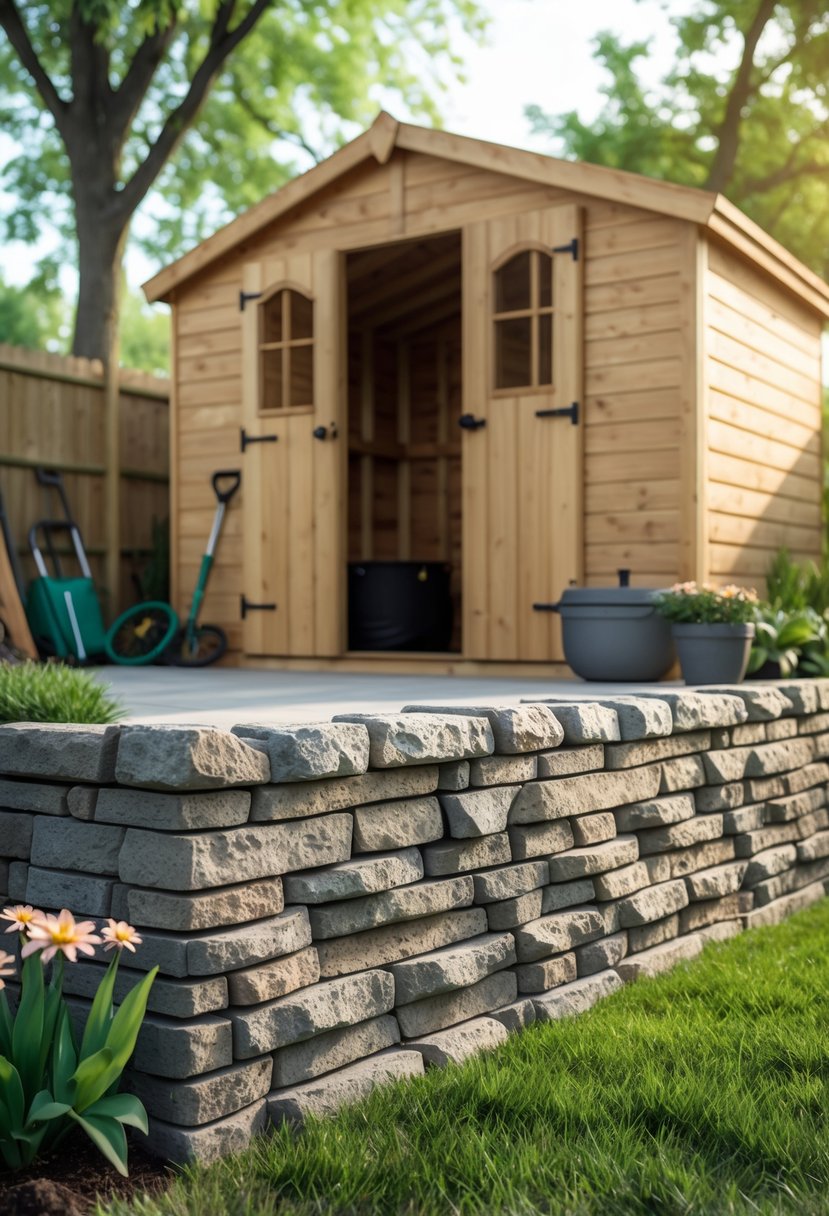
Faux stacked stone panels give your garden shed a fresh, stylish upgrade. These panels are light and easy to put up, even if you’re new to DIY.
Faux stone looks like the real thing but costs less. It even adds a bit of insulation, which is a nice perk.
Since the panels come in sets, you can cover all sides of your shed’s base pretty fast. This hides the foundation and boosts curb appeal.
Need a hand? Watch this DIY guide for faux stacked stone panels for step-by-step help.
24) Plastic Louvered Skirting for Airflow

Plastic louvered skirting keeps your shed looking sharp and lets air flow underneath. That helps prevent moisture and keeps things dry.
The slats let air in but block debris and pests. Installation is easy, and you won’t need to do much upkeep.
If you want something tough that helps with ventilation, plastic louvered skirting is a smart pick. You can find more ideas at Today’s Homeowner.
25) Hinged Shed Skirting Door for Easy Access

A hinged shed skirting door lets you reach the space under your shed fast. You can grab tools or check pipes without lifting heavy panels.
Building one is simple—just wood or vinyl and a few basic tools. The door swings open, so maintenance is easy.
You can match the door to your skirting style. Add a latch to keep it secure and tidy. A hinged skirting door is a practical way to manage your shed’s base.
For more plans, check out 15 Creative Shed Skirting Plans to Enhance Your Outdoor Space.
Benefits of Adding Skirting to Your Garden Shed
Skirting around your garden shed does more than just improve its look. It helps keep animals out and shields the shed’s base from damage.
These perks help your shed last longer and look better in your yard.
Enhancing Visual Appeal
Skirting gives your shed a neat, finished look that blends in with your garden. You can pick wood, vinyl, or stone, depending on your style and what feels right for your space.
Wood skirting brings in a natural vibe, while vinyl gives off a clean, modern look. Honestly, it’s nice to have options.
Skirting covers up those awkward gaps and uneven spots under the shed, so your yard looks a lot tidier. You can even paint or stain the skirting to match your shed or other outdoor stuff if you want.
It just makes the whole thing look more put-together, you know?
Improving Pest Control
Mice, squirrels, and bugs love hiding under sheds. Skirting blocks their way in, so they can’t make nests or mess things up under there.
If you skip skirting, you might end up with some unwelcome guests. Nobody wants that.
Chicken wire or solid wood both work well to keep pests out, but still let your shed breathe. That way, you don’t have to deal with repairs from chewing, nesting, or moisture problems animals might cause.
Protecting Shed Foundations
Skirting shields your shed’s foundation from rain, snow, and wind. It keeps moisture from building up around the base, so you avoid wood rot and rusty metal parts.
It also stops leaves and debris from piling up under the shed. That means less chance for mold or water damage.
If you want more ideas on materials or how to install them, check out these shed skirting options.
Tips for Selecting the Right Skirting Materials
When you’re picking skirting for your shed, think about how long it’ll last and how it fits with your yard. You want something tough, but it should also look good with your shed and garden.
Considering Durability and Weather Resistance
Your shed’s base takes a beating from rain, wind, sun, and sometimes snow. So, pick materials that can handle moisture without rotting or warping.
Vinyl’s a solid choice because it resists water and doesn’t need much work to keep up. Pressure-treated wood is pretty strong, but you’ll probably want to seal or paint it to keep it protected.
Metal skirting, like aluminum, lasts a long time and stands up well, though it might dent if something hits it hard. Try to avoid materials that fall apart easily, like untreated wood or thin plastics.
And don’t forget about pests—some skirting keeps rodents and insects from sneaking under your shed.
Choosing Colors and Styles to Complement Your Garden
Try to match your skirting with your shed’s color or let it blend in with your garden. If you’ve got a shed that’s pretty bold, neutral skirting—think white, beige, or gray—can really tone things down and keep everything looking tidy.
Wooden sheds? Natural wood or earth tones just feel right and help keep that cozy, rustic vibe going.
Maybe you want something with a bit more personality. Skirting with texture or patterns, like lattice panels, can add some interest and make your shed feel like it actually belongs in your garden design.
Pro tip: Try out paint or stains on a small piece of skirting first. You’ll get a better idea of how the colors really look in your garden’s actual light.
If you want more inspiration for materials and styles, take a look at these creative skirting options.


