

How Deep Are Bamboo Roots UK? Understanding Their Growth and Spread
If you’re considering planting bamboo or dealing with its growth in your garden, you’re likely curious about its root depth. Most bamboo roots (or rhizomes) typically grow only about 0.5 meters deep, but some varieties can reach deeper depths over time.
Understanding how deep these roots go is important for managing bamboo effectively and preventing it from spreading uncontrollably.
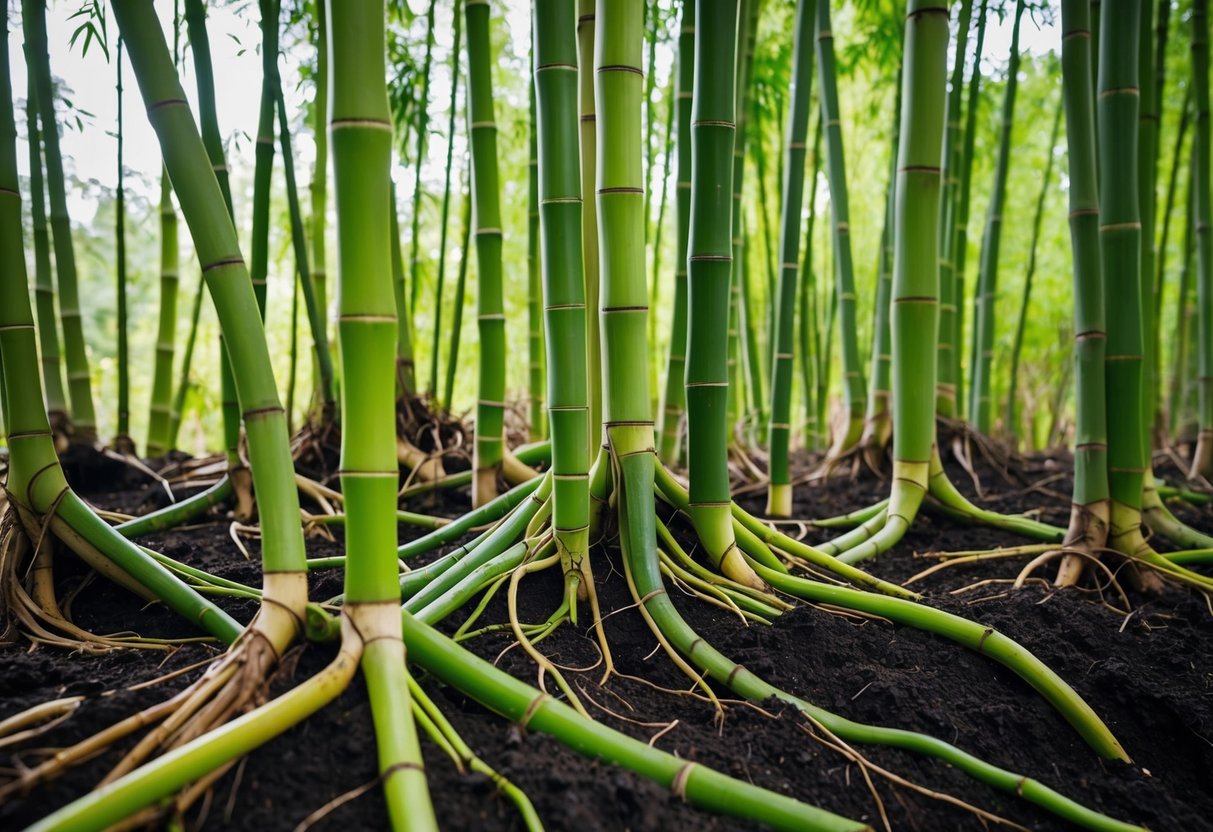
Bamboo can be quite beautiful in your garden, but it can also become a problem if not properly contained. Knowing the depth of bamboo roots can help you plan the best way to keep them in check and maintain a flourishing landscape.
Whether you’re looking to plant bamboo or have already seen its vigorous growth, this information will help you take the right steps.
By exploring the types of bamboo and their growth habits, you can better prepare for their presence in your outdoor space. This guide will give you the insights you need to handle bamboo’s growth and keep your garden looking great.
Understanding Bamboo Root Systems

Bamboo has a unique and complex root system that is essential for its growth and stability. Understanding the different parts of bamboo roots can help you appreciate how they work and how to care for them better.
Key aspects include the anatomy of the roots, the role of rhizomes, and the differences between running and clumping bamboo.
The Anatomy of Bamboo Roots
Bamboo roots are primarily composed of thin, fibrous structures. They grow from the culm, the main stem of the plant. The roots typically spread horizontally near the soil surface, helping anchor the bamboo securely.
Most bamboo species have root systems that are generally shallow. They often stay within the top 1 to 2 feet of soil. This shallow growth allows bamboo to absorb nutrients and water efficiently.
You can expect roots to form a network just beneath the surface. This is crucial for supporting the plant during strong winds or heavy rain. Healthy roots contribute to the overall vitality of your bamboo.
Rhizomes and Their Growth Patterns
Rhizomes are underground stems that are vital for bamboo. They allow the plant to spread and create new shoots. Bamboo rhizomes typically grow horizontally, extending out from the main plant.
The growth pattern can vary depending on the type of bamboo. For instance, running bamboo produces long rhizomes that can spread quickly. In contrast, clumping bamboo has shorter, denser rhizomes, which keeps it more contained.
Knowing about these growth patterns can help you manage your bamboo in the garden. Understanding the differences can guide your decisions on plant placement and spacing.
Differences Between Running and Clumping Bamboo
Running bamboo and clumping bamboo differ significantly in their growth habits. Running bamboo varieties, like Phyllostachys, can spread aggressively. Their rhizomes travel far and wide, making them suitable for privacy screens but often requiring control measures.
Clumping bamboo, such as Fargesia species, is more restrained. Its rhizomes grow tightly around the plant, creating a dense, bushy appearance. This makes clumping bamboo a great choice for smaller gardens where space is limited.
Knowing the differences between these two types can help you choose the right bamboo for your needs. Whether you want a fast-growing screen or a compact garden accent, these factors are vital for success.
Planting and Controlling Bamboo

Planting bamboo can add beauty to your garden, but it can also spread quickly if not managed properly. Understanding how to prepare for planting, use barriers, repot when necessary, and implement strategies to control its spread is essential for successful bamboo gardening.
Preparation for Planting Bamboo
Before planting bamboo, it’s crucial to choose the right spot in your garden. Look for an area with well-draining soil and enough sunlight.
Dig a hole that is wider than the root ball, which allows the roots to expand easily.
Prepare a trench around the planting area if you want to manage its spread. Ensure the trench is at least 60cm (2 feet) deep, as bamboo roots typically grow shallow.
Take your time to remove any rocks or debris from the soil to promote healthy growth.
Don’t forget to mix in organic matter like compost to fuel your bamboo. This will help in creating a rich environment for your plant.
Using Barriers to Contain Bamboo
Using a bamboo barrier is one of the best ways to control its growth. You can install a bamboo root barrier which is a strong material that stops roots from spreading into unwanted areas.
Aim for a barrier depth of at least 60cm (2 feet). This barrier should be made specifically for bamboo, as standard materials may not be strong enough.
Dig a trench around the planting site and place the barrier upright in the soil. Afterward, fill the trench with soil, ensuring the barrier remains stable.
This way, you can enjoy your bamboo without worrying about it taking over your garden.
Repotting to Control Growth
If your bamboo starts to grow too large for its space, repotting is a great way to manage its size.
Choose a container that is deep enough—at least 45cm (18 inches). Make sure the pot has drainage holes to prevent root rot.
Carefully remove the bamboo from its current pot, shaking off excess soil. Trim back the roots lightly to encourage new growth in the fresh soil.
Fill the new container with fresh, well-draining soil. Place the bamboo in the center and fill around it with soil, ensuring it stands upright.
This not only helps control growth but also refreshes its environment.
Strategies to Stop Bamboo Spreading
To stop bamboo from spreading, regular maintenance is key. Inspect your garden frequently for new shoots appearing outside your desired area. Cut these back immediately to discourage further growth.
You can also consider using a physical barrier along the edges of your garden. A combination of trenches and barriers can be quite effective.
Lastly, consider planting bamboo in larger containers or troughs. This containment strategy can provide you with the look of bamboo without the worry of rampant spread.
By staying proactive, you can enjoy bamboo’s beauty without it becoming a burden.
Dealing With Bamboo Invasiveness

Managing bamboo can be tricky due to its aggressive growth and invasive roots. Understanding how deep these roots go is essential for effective control. You can then employ the right methods to keep bamboo in check and maintain your garden.
Depth of Bamboo Roots and Implications
Bamboo roots can grow quite deep, typically reaching depths of 60 cm (2 feet) or more depending on the species. Its root system consists of rhizomes, which spread horizontally underground.
This allows bamboo to quickly take over garden space and even invade neighboring properties.
When planting bamboo like Fargesia, consider its potential spread. If left unchecked, bamboo can damage foundations or other structures.
Knowing the depth of bamboo roots helps you plan for proper barriers or removal strategies to protect your garden and home.
Methods for Bamboo Removal
Removing bamboo can be tough, but it’s doable. First, you need to identify the type of bamboo you are dealing with, as some species are more invasive than others.
To kill bamboo, start by cutting the stems at ground level. You can apply systemic herbicides to the cut ends for effective removal.
Alternately, you can dig up the roots and rhizomes. Ensure you remove as much of the root system as possible to prevent regrowth.
Use a spade or fork to loosen the soil around the roots, making them easier to excavate.
Expert Tips on Bamboo Maintenance
To manage bamboo and reduce invasiveness, you should install a physical barrier during planting. Dig a trench at least 60 cm deep and insert strong, thick plastic barriers to significantly restrict root spread.
Regularly pruning bamboo can also help control growth. Remove old canes to allow new, healthier growth to flourish. Monitoring your bamboo regularly is also important to catch any unwanted spread early.
If you find that maintenance is becoming overwhelming, you might want to consult an expert. They can provide tailored advice specific to your bamboo species and local conditions.


