

Is Bamboo Toxic to Cats? Understanding the Safety of Bamboo Plants Around Your Feline Friend
If you’re a cat owner, you might be wondering about the safety of having bamboo plants in your home. While bamboo can add a beautiful touch to your space, it’s important to know more about its effects on your furry friend.
Lucky bamboo is toxic to cats and should not be consumed.
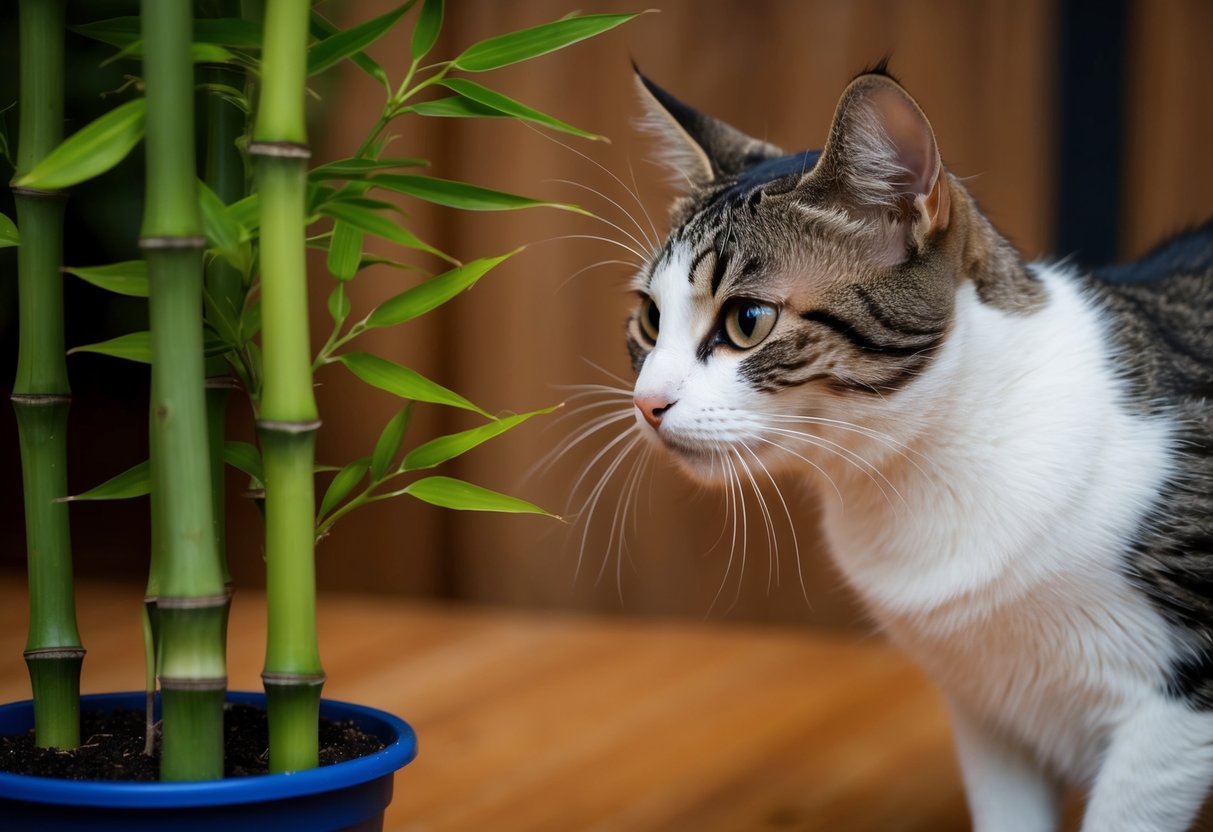
There are different types of bamboo, and not all are harmful. Some varieties are safe, but others can cause serious health issues if eaten by your pet.
Understanding which types are toxic will help you keep your home safe for your cat while enjoying the beauty of bamboo plants.
As you read on, you’ll discover which bamboo varieties to avoid and how to create a safe environment for your feline companion. Knowing what to look out for can make all the difference in ensuring your cat stays happy and healthy.
Understanding Bamboo and Its Varieties

Bamboo is a diverse group of plants that fall under the Bambusoideae subfamily. Not all plants labeled as bamboo are true bamboo.
This section breaks down the differences between real bamboo and some alternative varieties, focusing on what you need to know.
True Bamboo vs. Alternative Bamboo Plants
True bamboo belongs to the Bambusoideae subfamily and includes species like Phyllostachys aurea, commonly known as golden bamboo. These plants are generally safe for cats.
However, some plants that look like bamboo, such as lucky bamboo (Dracaena sanderiana) and heavenly bamboo (Nandina domestica), are not real bamboo and can be toxic to cats.
When choosing bamboo for your home, always check the species. True bamboo plants are known for their hollow stems and fast growth, while alternatives may not share these characteristics.
Knowing this can help you create a safe environment for your pets.
Common Varieties of Bamboo and Their Characteristics
There are many types of bamboo that you can consider. Here are a few common varieties:
- Phyllostachys aurea (Golden Bamboo): This is a true bamboo that is safe for cats and has striking yellow stems.
- Bambusa vulgaris (Common Bamboo): Another safe species, it is often used for construction and landscaping.
- Dracaena sanderiana (Lucky Bamboo): Not a true bamboo, this plant is popular for indoor decor but is toxic to cats.
- Nandina domestica (Heavenly Bamboo): This beautiful plant has berries that are harmful to cats and should be avoided.
When selecting bamboo, always check if it is inherently safe for your furry friends. Keeping a pet-friendly garden is important for your peace of mind!
Toxicity of Bamboo to Cats

When it comes to bamboo, it’s essential to know which species can be harmful to your cat. While some types of bamboo are safe, others can lead to serious health issues.
Identifying Toxic and Non-Toxic Bamboo Species
Not all bamboo is created equal. The lucky bamboo (Dracaena spp.), for example, is toxic to cats. If ingested, it can cause gastrointestinal upset.
Another plant to be cautious of is nandina domestica, often called sacred bamboo, which is also harmful.
On the other hand, true bamboo plants are generally safe for cats. They belong to a different family and lack the toxic compounds found in other species.
To ensure your pet’s safety, always check if the plant is a genuine bamboo rather than a lookalike.
Symptoms and Risks of Bamboo Toxicity in Cats
If your cat consumes toxic bamboo, they may show various symptoms. Common signs of bamboo toxicity include:
- Vomiting
- Diarrhea
- Lethargy
These symptoms can be mild to moderate, depending on how much of the plant was ingested. If your cat has pre-existing health issues, they might react more severely.
It’s important to monitor your cat closely if you suspect they have ingested a toxic plant. If you notice any troubling symptoms, contact your veterinarian immediately. Quick action can help ensure the best outcome for your feline friend.
Safe Practices for Cat Owners

Taking care of your cat involves making informed choices about the plants in and around your home. By knowing how to select safe plants and what to do in case of possible exposure, you can keep your feline friend healthy and happy.
Choosing Safe Bamboo and Plant Alternatives
When selecting bamboo for your home, it’s essential to choose types that are safe for cats. The bamboo palm is generally considered non-toxic, making it a great choice. On the other hand, Lucky Bamboo (Dracaena sanderiana) can be harmful.
Consider other non-toxic plants for your cat’s environment, such as:
- Catnip
- Cat grass
- Spider plants
These plants are not only safe but also appealing to cats.
Regularly check your plants to ensure none have been damaged or ingested. If you suspect your cat may have eaten something harmful, promptly identify the plant to inform your vet.
Immediate Actions and Veterinary Care for Exposure
If you believe your cat has ingested bamboo or any toxic plant, you need to act quickly. Look for signs of distress, such as vomiting, diarrhea, or lethargy.
Take the following steps:
- Remove Access: Prevent your cat from eating any more of the plant.
- Check Symptoms: Observe your cat closely for signs of illness.
- Contact Your Vet: If symptoms appear, call your vet immediately. Make sure to have the plant name ready, as it can help your vet recommend appropriate treatment.
Severe symptoms may require a visit to the veterinary clinic. Quick action can make a difference in your cat’s health and safety.


