

What Kills Bamboo Naturally? Exploring Effective Solutions for Bamboo Control
Bamboo can be a beautiful addition to your yard, but it can quickly become invasive and hard to manage. If you’re wondering how to tackle this problem naturally, you’re not alone. Many people want to know effective ways to eliminate bamboo without resorting to harsh chemicals.

Natural methods to kill bamboo include digging up the rhizomes, using vinegar, and planting native plants to compete with the bamboo. These techniques are not only effective but also environmentally friendly, allowing you to maintain a healthy garden.
With the right approach, you can reclaim your space and keep bamboo from taking over.
In this article, you’ll discover various natural methods that work best for getting rid of bamboo. These solutions are straightforward and can help you manage your yard with ease.
Let’s take a closer look at how you can restore balance to your garden without the use of chemicals.
Identifying the Type of Bamboo in Your Garden
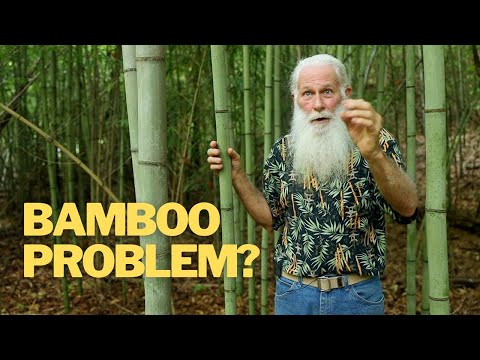
Recognizing the type of bamboo in your garden is important for effective management. There are two main categories: running bamboo and clumping bamboo. Each type has distinct characteristics that can help you identify them.
Distinguishing Between Running and Clumping Bamboo
Running bamboo spreads quickly and aggressively. It sends out rhizomes, which are underground stems, allowing new shoots to emerge far from the main plant. You might notice these shoots popping up several feet away. This type can cause damage to your garden or neighbors’ yards.
Clumping bamboo grows in tight clusters and spreads more slowly. It stays close to the original plant, making it easier to contain. When you look closely, you’ll see that the growth is packed together instead of spreading out.
Identifying your bamboo type helps you decide on the best removal methods if needed.
Natural Control Methods

If you’re looking to eradicate bamboo naturally, there are several effective methods you can try. These methods focus on physical removal, using heat, and limiting the spread of bamboo growth with barriers. Each approach has its own advantages and requires different techniques.
Physical Removal Techniques
Physical removal is one of the most direct ways to get rid of bamboo. Start by cutting down the bamboo culms as close to the ground as possible. Use garden loppers or saws for thicker stems.
Once you cut the bamboo, it’s important to dig up the roots and rhizomes, especially the underground rhizomes that spread the plant.
Remove all the bamboo shoots and roots you can find. This can be time-consuming but is effective. It may take multiple attempts over a few growing seasons to completely eliminate the bamboo.
Regularly check for any new growth and remove it immediately to prevent it from establishing again.
Using Heat and Water
You can also use boiling water as a natural method to kill bamboo. Pour boiling water directly onto the bamboo shoots and around the roots.
This method not only damages the visible parts but can also reach the underlying rhizomes.
When applying this method, do it on a sunny day to increase the effectiveness of the heat. Be careful not to splash neighboring plants as this could harm them too.
For added effectiveness, you can repeat this process every few weeks until you see a significant reduction in the bamboo’s growth.
Limiting Bamboo Growth with Barriers
Finally, creating physical barriers can help control bamboo spread. Digging a trench around your bamboo plants and placing a tarp or thick plastic can limit the growth of rhizomes.
This method confines the bamboo to a specific area and reduces its ability to spread.
Additionally, you can plant other vigorous plants or ground covers around the area. This will crowd out new bamboo shoots and make it harder for them to thrive.
Over time, this can help keep your garden free of unwanted bamboo without the use of chemicals.
Chemical Herbicides: Use and Safety

When dealing with bamboo, using chemical herbicides can be effective. It’s essential to choose the right product and apply it safely to protect your garden and the environment.
Selecting the Appropriate Herbicide
To get rid of bamboo effectively, glyphosate and imazapyr are common choices. Glyphosate works well on many plants, including bamboo. However, it can also affect other nearby plants. Be careful if you have flowers or vegetables in the area.
Imazapyr is another herbicide specifically for woody plants, which can be useful against bamboo.
Before buying any herbicide, read the label for safety instructions. Check if it’s suitable for your type of bamboo.
Triclopyr is an option too, especially for more extensive bamboo roots. Always opt for products labeled for bamboo control.
Proper Application Techniques
When using chemical herbicides, timing and technique are crucial.
Start by cutting down the bamboo to about 3 feet high. Wait for new shoots to emerge. These should be around 3 feet tall before you apply the herbicide.
Using a spray bottle, apply the herbicide directly to the leaves. Aim for dry days to improve effectiveness. Ensure you follow the manufacturer’s instructions for safety and dosage.
Avoid windy days to keep the herbicide from drifting to other plants.
Lastly, consider using a stump and root killer on any cut sections. This helps prevent regrowth.
Always wear protective gear, like gloves and masks, to keep safe from any chemicals.
Landscaping Considerations and Maintenance
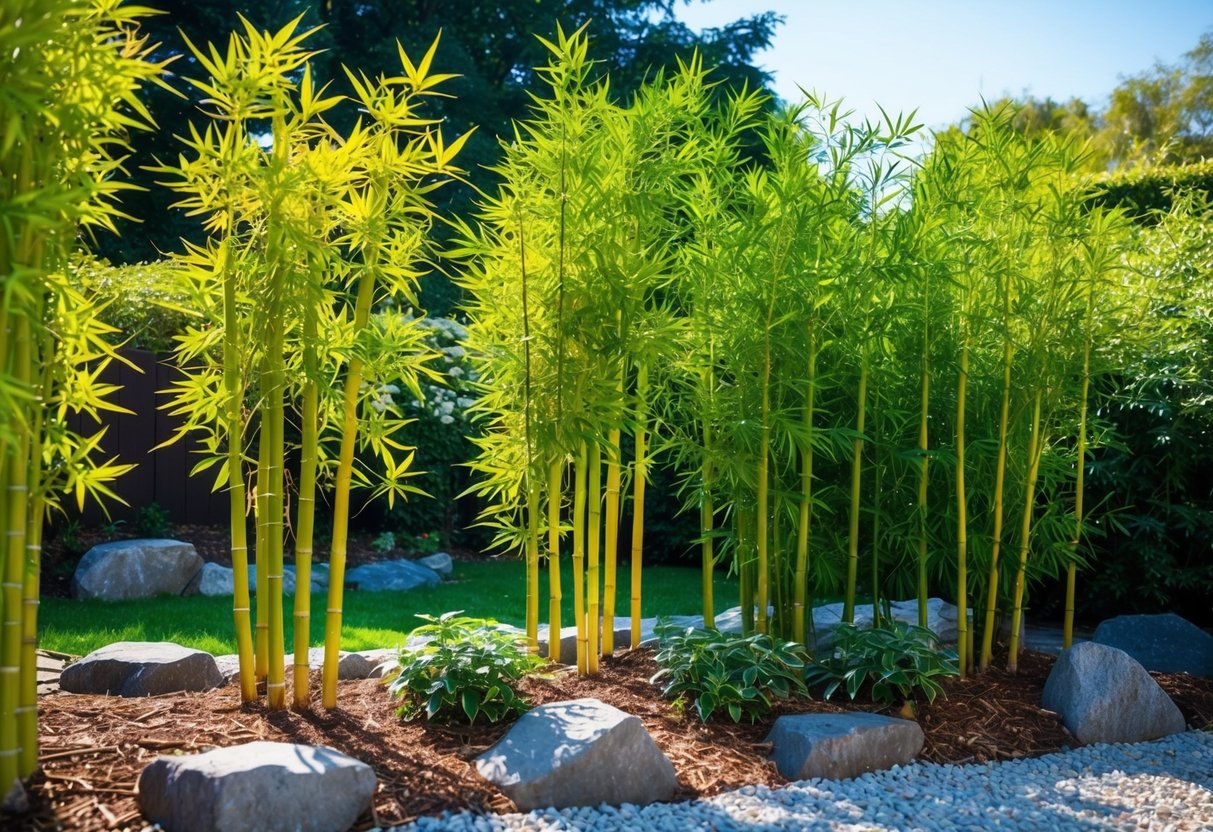
When dealing with bamboo in your yard, it’s essential to consider its invasive nature and how it can serve as a privacy solution. Managing unwanted bamboo requires awareness of its growth patterns and effective landscaping strategies.
Invasive Plant Management
Bamboo can quickly become invasive due to its extensive rhizome system. To manage its spread, regularly check your bamboo patch for new growth.
A good practice is to cut back bamboo canes at ground level, which can help control the population.
Consider using barriers around your bamboo to prevent rhizomes from spreading. Digging a trench and installing a solid barrier can keep it contained.
You’ll need to monitor these barriers, checking for any sneaky rhizomes trying to escape.
A combination of physical removal and natural methods, like pouring boiling water or undiluted vinegar on the roots, can be effective in controlling unwanted bamboo. Just be careful to target only the bamboo, as these methods can affect nearby plants as well.
Bamboo as a Privacy Solution
Bamboo can be a fantastic privacy solution for your yard, despite its invasive qualities. When properly managed, it can create a lush, green screen. Many people love how quickly bamboo grows, creating a natural barrier.
To take advantage of bamboo’s privacy benefits, choose clumping varieties instead of invasive types. They grow more slowly and stay contained, reducing maintenance. You can also mix bamboo with other plants to achieve an eye-catching landscape.
Clumping varieties grow more slowly and stay contained, reducing maintenance. You can also mix bamboo with other plants to achieve an eye-catching landscape.
Regular maintenance encourages healthy growth. This care keeps your bamboo looking its best while maintaining its privacy function.


