
When Should Bamboo Be Cut Back? A Guide to Pruning for Healthy Growth
Bamboo can add beauty and privacy to your garden, but knowing when to cut back your bamboo is essential for its health and appearance. The best time to prune bamboo is during the spring. Especially if you’re dealing with overcrowded clumps or removing any dead or damaged canes. By timing your pruning right, you can encourage new growth and keep your bamboo looking its best.
As you prepare to prune bamboo plants, remember that different types of bamboo may require different care. Clumping bamboo generally needs less pruning than running bamboo, which can spread quickly. Understanding your bamboo’s specific needs will help ensure you maintain its shape and health without overdoing it.
When you take care of your bamboo, you not only enhance its appearance but also promote a thriving garden environment. Dive into this article to learn more about how and when to prune bamboo effectively!
Understanding Bamboo Growth Patterns
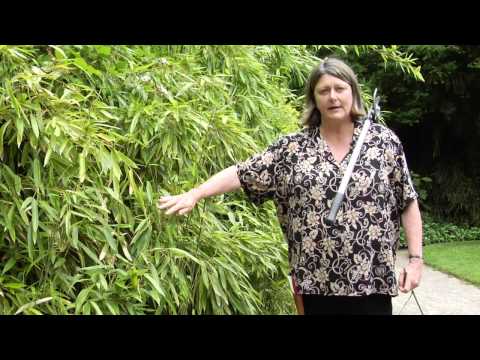
Bamboo has unique growth patterns based on its type. Knowing whether you have clumping or running bamboo will help you understand how to manage it better. Additionally, understanding the life cycle and culm development of bamboo is crucial for its care.
Clumping Versus Running Bamboo
Clumping bamboo grows in a tight group, forming dense clusters over time. It spreads slowly and is great for small spaces. You might find varieties like Fargesia, which thrive in cooler climates and are perfect for privacy screens.
Running bamboo spreads aggressively through underground rhizomes. This growth can lead to invasiveness in your garden. Types like Phyllostachys are known for their height and fast growth. If you have running bamboo, regular maintenance is important to control its spread.
Bamboo Life Cycle and Culm Development
Bamboo has a fascinating life cycle. Each culm (the main stem) grows rapidly and usually reaches maturity in just one growing season. After reaching full height, culms may produce side branches and leaves.
New culms emerge each spring, and older ones will start to die back. This cycle of renewal means you should also consider cutting back older culms to encourage new growth. It’s best to cut above the nodes, where you’ll see healthy new shoots in the following season. Understanding this helps you promote robust bamboo growth in your garden.
Optimal Time and Techniques for Pruning Bamboo

Pruning bamboo at the right time and using the right methods ensures healthy growth. Understanding the best seasons and techniques will help keep your bamboo looking its best.
Seasonal Timing for Pruning
The best time to prune bamboo is during late winter or early spring. This timing allows your plants to focus on new growth as the weather warms. Cutting back during this period helps rejuvenate your bamboo, as they can rapidly recover.
If your bamboo has any damaged or dead culms, it’s a good idea to prune those in early spring too. Use clean pruning shears to make your cuts. This prevents the spread of disease and allows more light to reach the healthy shoots.
Avoid pruning during the active growing season. Cutting back when the bamboo is growing can stress the plant. It can also make them more vulnerable to pests and diseases.
Maintenance Pruning Strategies
Regular maintenance pruning helps control the height and density of your bamboo. To trim bamboo effectively, start by removing dead or weak culms from the base. This encourages new growth and improves air circulation.
When you notice crowded areas, thin out the culms by removing one-third to one-half of them. This promotes better light exposure for the remaining canes and keeps your bamboo looking neat.
You can also choose to shape your bamboo for a more tailored appearance. Use loppers for thicker culms to make the task easier. Remember, regular maintenance keeps your bamboo healthy and vigorous.
Tools for Pruning
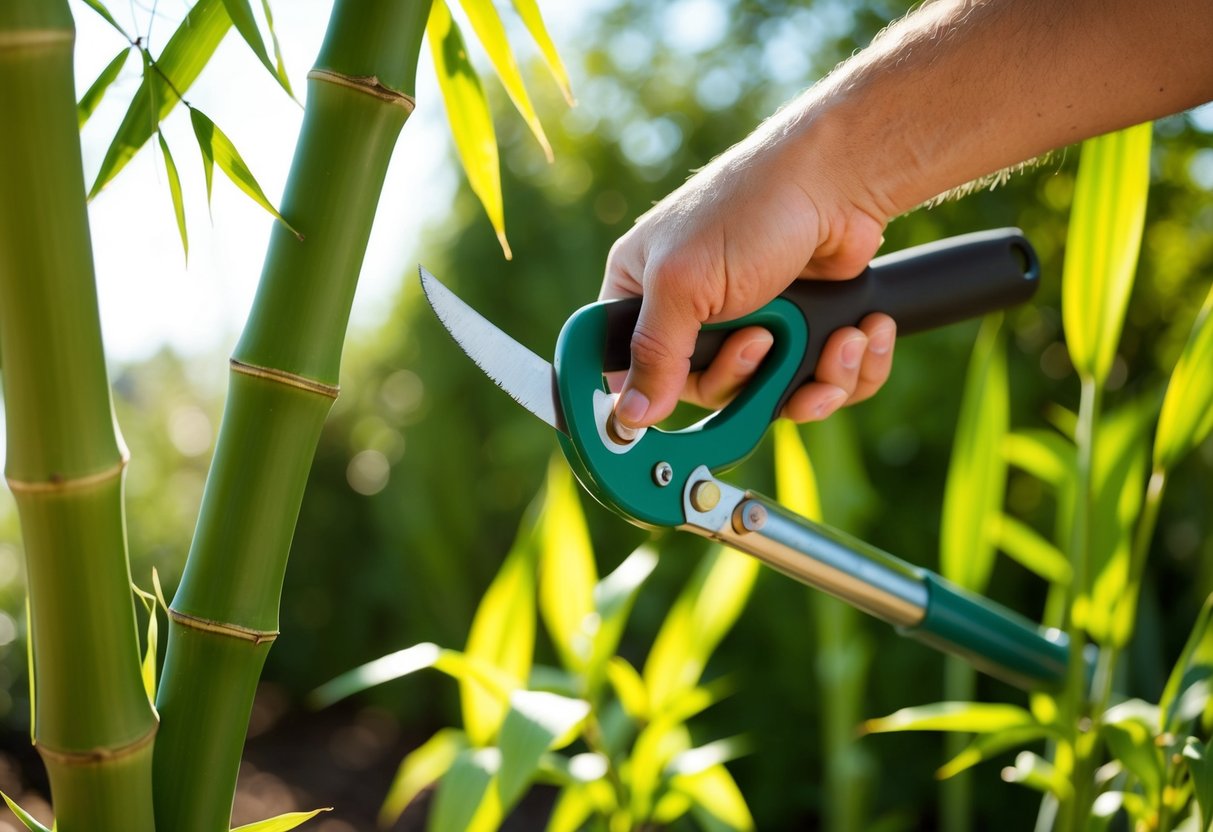
Having the right tools makes all the difference when pruning bamboo. Use sharp pruning shears for cleaning up small shoots and cutting back dead culms. For thicker canes, loppers are especially helpful.
Before you start, make sure all your tools are clean and sharp. This will ensure clean cuts, which are better for the plant’s health.
After pruning, it’s a good idea to clean your tools again. This prevents any harmful pests or diseases from spreading to other plants. Keeping a toolkit ready will save time and help you keep your bamboo in great shape.
Specific Pruning Methods

Knowing how to prune bamboo properly helps you maintain its health and appearance. Different methods, like thinning, managing height, and trimming hedges, are essential for keeping your bamboo looking its best.
Thinning Bamboo Clumps
Thinning bamboo clumps is an important step to encourage healthy growth. Start by examining the clump and identifying canes that appear weak, damaged, or overcrowded. Use sharp, clean tools to cut these canes back at ground level.
Removing excess canes also promotes better air circulation and light penetration. This helps prevent diseases and allows remaining canes to grow stronger. Aim to leave a balanced number of canes to maintain the clump’s density.
Regularly thinning your bamboo ensures that lower foliage gets enough light, helping your plants thrive. You can perform this task in early spring before the growing season begins for optimal results.
Managing Height and Topping Bamboo
To manage height effectively, topping bamboo can be a great option. This involves cutting back the tallest canes to control the overall height of your plants. Use sharp pruning shears to make clean cuts just above a node, ideally at a 45-degree angle.
This technique prevents water from pooling on the cut, reducing the risk of disease. Topping is best done in late winter or early spring, just before new growth starts. This ensures the plant can redirect energy to lower shoots and maintain a fuller appearance.
Remember to assess how you want your bamboo to look. Keeping the desired height in mind helps make your garden more attractive.
Trimming Bamboo Hedges
If you have bamboo hedges, regular trimming keeps them neat and encourages dense growth. Start by examining the hedge and looking for any dead or yellowing leaves. Remove these to maintain appearance and plant health.
For maintaining shape, trim the lateral canes to ensure even growth. Cutting back the edges can also help you control the thickness of the hedge. You can thin out the canes to allow sunlight to reach the lower foliage, boosting overall health.
It’s best to perform hedge trimming in spring or early summer after the new shoots have emerged. This ensures the plant recovers quickly and continues to flourish.
Caring for Bamboo After Pruning

Taking care of your bamboo after pruning helps ensure it thrives in the coming season. Proper maintenance and attention to regrowth will keep your plants healthy and vibrant.
Post-Pruning Maintenance
After you finish pruning your bamboo stems, it’s important to give them some extra care. Start by cleaning up the area around the plants. Remove any cuttings or debris to prevent pests and diseases.
Next, water your bamboo thoroughly. This ensures that the roots get the moisture they need to support new growth. If you’ve thinned out the bamboo, it’s a good time to add some organic mulch around the base. This helps retain moisture and suppress weeds.
Consider fertilizing your bamboo with a balanced fertilizer to promote healthy growth. Look for products specifically designed for bamboo. Apply it according to the instructions for the best results.
Ensuring Healthy Regrowth
To ensure your bamboo grows back strongly, monitor the moisture levels. Bamboo prefers well-drained soil but needs consistent watering, especially during dry spells.
Watch for any signs of stress, like yellowing leaves or drooping stems. These can indicate that your bamboo needs more water or nutrients.
If you have dwarf bamboo, keep an eye on its growth habit, as it may respond differently to pruning. Aftercare may involve trimming back any weak or weedy growth as it emerges, promoting a neat appearance.
With the right care, your bamboo will bounce back and continue to enhance areas like your driveway or garden.


