

January Gardening Tips: Brighten Your Winter Garden
Gardening in January can be a rewarding experience, even in colder months. It’s a great time to prepare your garden for the year ahead and start planning for the spring season. You can take important steps now to ensure a beautiful and productive garden later.

As you look to improve your garden, there are many simple tasks you can tackle this January. From indoor planting to outdoor preparations, every effort you make this month sets the stage for your gardening success. Discovering these January gardening tips will help you enjoy the process and results of your hard work.
1) Prune Rose Bushes

January is a great time to prune your rose bushes. Start by using clean, sharp pruning shears. This helps prevent disease.
Make cuts at a 45-degree angle, about 1/4 to 1/2 inch above an outward-facing bud. This encourages new growth in the right direction.
Remove any dead or damaged branches. Look for weak shoots and suckers that can take energy away from healthy blooms.
Don’t forget to clear out branches that cross each other. This helps open up the center of the plant and allows for better air circulation.
With these simple steps, your rose bushes will be set for a beautiful blooming season ahead!
2) Plant Bare-Root Trees

January is a great time to plant bare-root trees. Begin by soaking the roots in water for several hours before planting. This helps them recover from being out of the ground.
Dig a hole that is wider and deeper than the root system. Remove any grass in a 3-foot area around the hole. This gives the roots space to grow without competition.
When you place the tree in the hole, spread the roots out gently. Backfill with soil, making sure there are no air pockets. Firm the soil lightly around the base of the tree.
Support your newly planted tree with stakes if needed. Then, give it plenty of water. Watering helps the roots settle.
3) Start Onion Seeds Indoors

Starting onion seeds indoors is a great way to get a jump on your garden. Choose a good seed starting mix and fill your containers.
Make small holes in the soil and plant 5 seeds in each cell. Cover them lightly with soil and water gently. Place the containers in a bright spot or under grow lights.
Onion seeds will germinate in about 6 to 12 days if kept warm and moist. Keep the soil damp, but not soaking wet.
When the seedlings grow a few inches tall, you can thin them out by snipping the weaker ones. This helps the stronger plants get more nutrients.
4) Feed Winter Vegetables

Feeding your winter vegetables helps them grow strong and healthy. Use organic fertilizers that are high in nitrogen, phosphorus, and potassium. These nutrients support root development and boost overall plant health.
When applying fertilizer, follow the package instructions carefully. Too much can harm your plants. A little goes a long way, especially during the winter months.
Water your vegetables well after fertilizing. This helps the nutrients soak into the soil. Keep an eye on your plants for any signs of stress or nutrient deficiency. Adjust your feeding schedule as needed.
5) Mulch Flowerbeds

Mulching your flowerbeds in January is a great way to protect your plants. A layer of mulch helps insulate the soil and keeps roots warm during cold weather. It can also prevent frost heaving, which can hurt your plants.
Before you apply mulch, clear away any debris like fallen leaves or old plant material. You want a clean surface for the new mulch.
Aim for about three inches of mulch. This amount helps with water retention and gives a cozy layer of protection. Choose organic types for added benefits as they break down and enrich the soil.
So, don’t skip the mulch this January! Your flowers will thank you when spring arrives.
6) Divide Perennials

January is a great time to think about dividing perennials. This helps keep your garden healthy and vibrant. Start by digging up the parent plant with a spade or fork.
Gently lift the plant out and clean off any loose dirt around the roots. You can divide the plant by pulling the roots apart by hand or using a sharp knife.
Make sure to choose vigorous sections for replanting. Aim to keep pieces that are about 20 to 25 percent of the original clump. Dividing plants in the winter allows them to settle in before spring growth begins. This can lead to stronger blooms in the growing season.
7) Order Summer Bulbs

January is a great time to start planning for your summer garden. Ordering your summer bulbs now ensures you get the varieties you want.
Look for bulbs like dahlias, gladiolus, and begonias. These flowers can add vibrant color to your garden.
When you order, check that the bulbs are healthy and firm. This increases your chances of a successful bloom in the warmer months.
Take your time to research different types so you can choose the best ones for your garden’s style. Enjoy the process of planning your beautiful summer display!
8) Plan Your Crop Rotation

Planning your crop rotation helps keep your garden healthy. By not planting the same crops in the same spot each year, you prevent pests and diseases from building up in the soil.
Start by listing the crops you want to grow. Consider the local climate and your space. This will help you choose which plants fit your garden best.
Decide how long your rotation will be. A good rule is to rotate crops every three years. This allows the soil to recover and maintain its nutrients.
Using crop rotation can lead to better yields in your garden. Different plants help to replenish the soil in unique ways. Happy gardening!
9) Clean Gardening Tools

Cleaning your gardening tools is an important task to do in January. By keeping your tools clean, you can prevent the spread of bacteria and fungi.
Start by mixing two cups of chlorine bleach with one gallon of water. Soak your tools in this solution for about 10 minutes. This will help disinfect them.
After soaking, rinse your tools thoroughly and dry them completely with a cloth. Store them in a dry place to keep them in great condition for spring. Taking these steps now will make gardening much easier later!
10) Check & Reorganize Seed Inventory

Now is a great time to check your seed inventory. Look through what you have from last year. This will help you know what you need for the upcoming planting season.
As you sort through your seeds, make a list of what you want to grow. Don’t forget to check the expiration dates on your seeds. Some may still be good, while others might need replacing.
Consider using heirloom seeds if possible. They often produce healthier plants and better-tasting fruits. Organizing your seeds can save you time later when it’s planting season.
Preparing Your Garden for January

As January arrives, it’s important to focus on the actual conditions of your garden. Understanding the weather patterns and ensuring soil health can set you up for a successful gardening season.
Weather Considerations
In January, temperatures can dip low, so you need to protect your plants. Frost is a real threat, especially during the night. Make sure to cover sensitive plants with frost cloths or blankets.
Monitor the weather forecast for any unexpected cold snaps. If the ground is frozen, avoid stepping on it to prevent soil compaction. Instead, try to work around plants carefully.
If you have perennials, mulch around them to keep them warm. This helps to insulate the roots against extreme cold. Remember, a little preparation can help your garden survive winter’s chill.
Soil Health and Improvement
Checking your soil is a vital task for January. Start by testing the nutrient levels in your soil. A simple test kit can help you determine what your soil needs.
Consider adding organic matter like compost. This improves soil structure and provides essential nutrients. Also, check for drainage issues. If water pools in any areas, you may need to adjust the soil or add sand to enhance drainage.
If you haven’t done so yet, this is a great time to clear away any debris. Rake up leaves or dead plants to keep the soil healthy and reduce pests. Taking action now ensures that your garden is ready for new growth come spring.
Planting Ideas and Tips
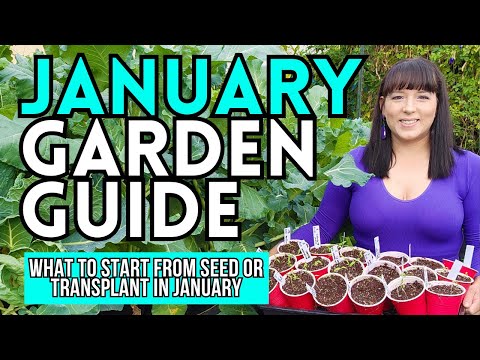
January is a great time to start thinking about your garden. You can get ahead by planning which plants to grow and whether to start indoors or outdoors. Here are some key points to help you make the best choices.
Choosing the Right Plants
When selecting plants for January, consider your climate zone. Look for cold-tolerant crops such as:
- Asparagus: You can start new beds for healthy growth.
- Strawberries: Plant bare-root strawberries for summer yields.
- Vegetables: Try leafy greens like kale and spinach, which thrive in cooler weather.
Make sure to check your local gardening guides for specific plant recommendations. Starting seeds indoors can help you have a stronger garden come spring. Look for varieties suited to your area.
Indoor vs Outdoor Planting
Deciding between indoor or outdoor planting in January can depend on your weather conditions. If it’s too cold outside, consider starting seeds indoors.
You can plant:
- Microgreens: Easy to grow on your kitchen counter.
- Seedlings: Begin seeds for cauliflower, cabbage, and leeks.
For outdoor planting, focus on hardy crops. Check the ground conditions. If the soil is workable, you can plant root crops like carrots and beets.
This split approach helps you maximize your harvest throughout the year. Remember to keep an eye on the weather and adjust your planting plans as needed.


