

Low-Maintenance Front Garden Design Ideas UK 25 Easy and Stylish Tips for Your Home
Let’s be honest, most of us want a front garden that looks good but doesn’t demand hours every week. The front garden is the first thing people notice, but who wants to spend all weekend tidying it up?
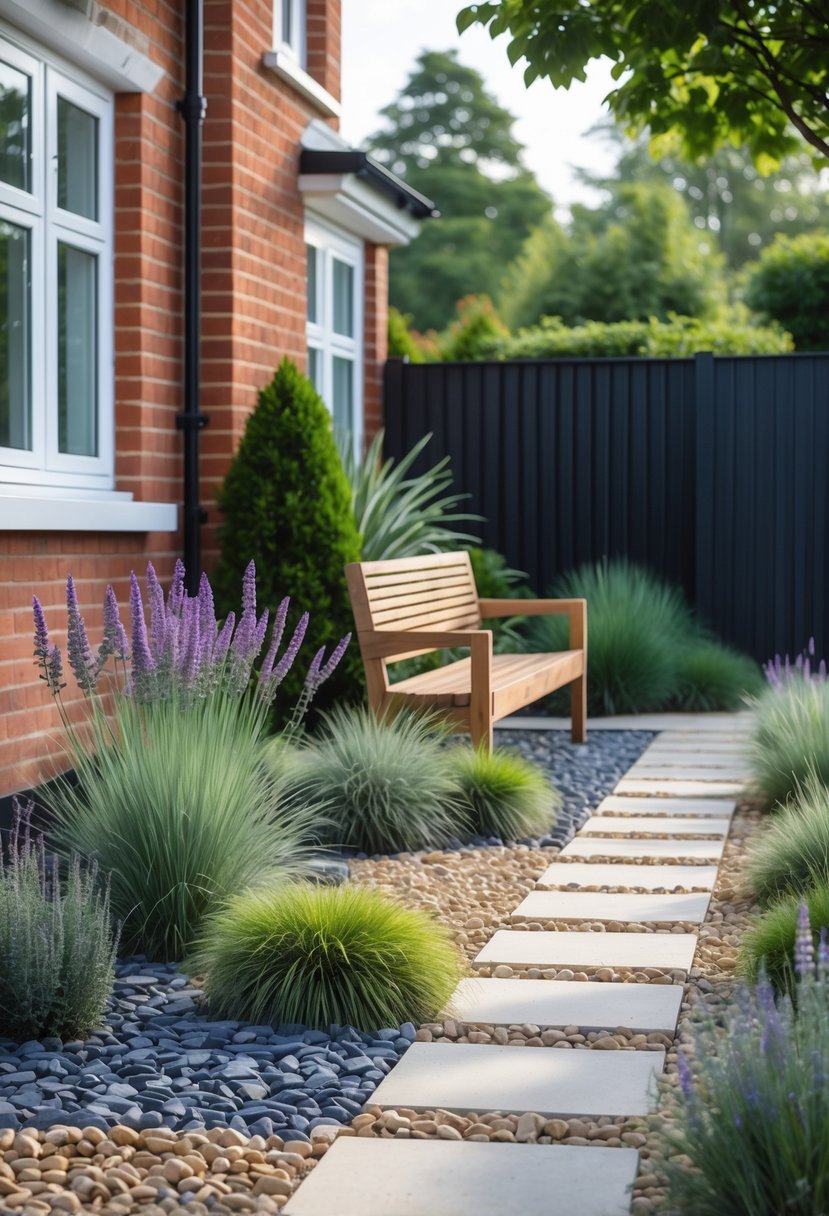
Low-maintenance front garden design ideas let you enjoy a lovely space without fussing over it all the time. You can make things look inviting and stylish, and you’ll save effort (and probably cash) over time.
1) Use drought-resistant perennials like lavender and sedum
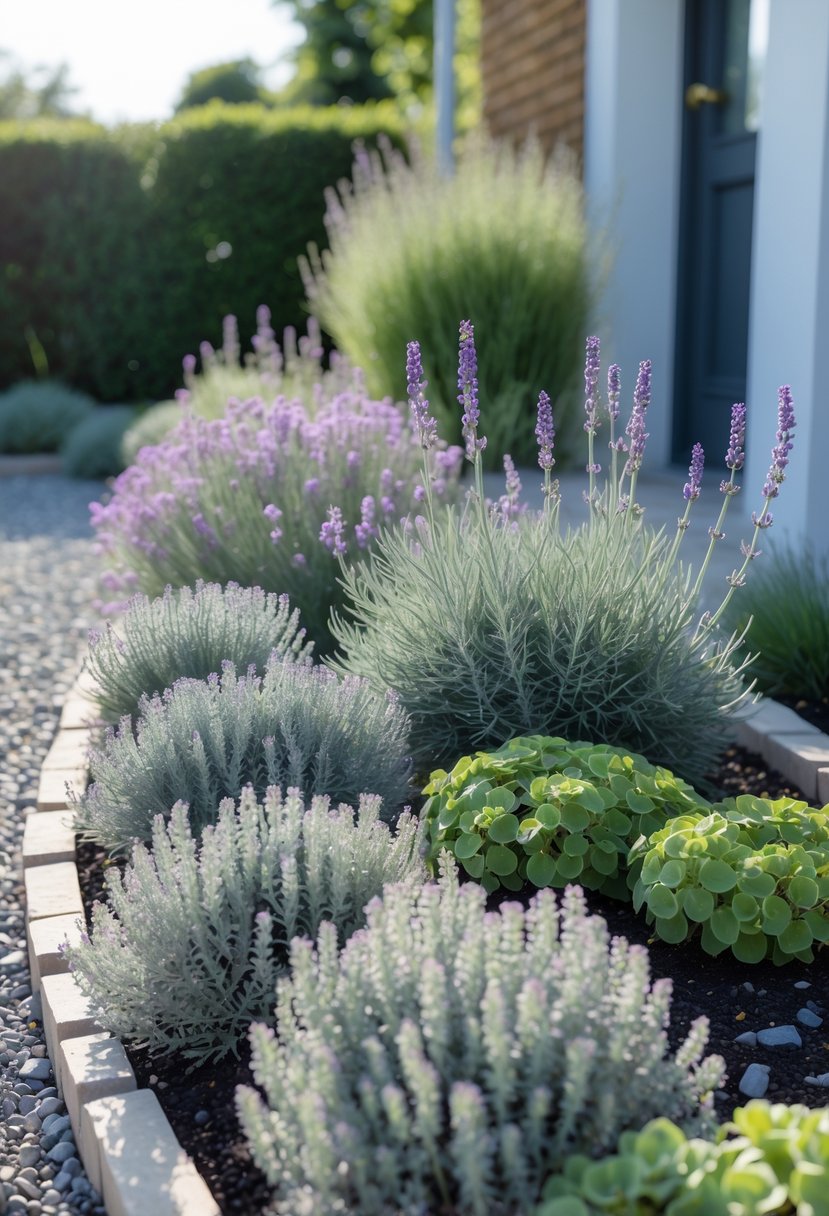
If you want to water less, pick drought-resistant plants like lavender and sedum. These perennials handle dry spells like champs.
Lavender brings colour and a lovely scent. Bees love it, so it’s good for pollinators too.
Sedum comes in loads of varieties with bright flowers and keeps looking decent even in hot weather. When you use these, you save time and water, and the garden still looks charming.
Want to see more drought-tolerant options? This guide has you covered.
2) Incorporate decorative gravel pathways

Add gravel pathways to your front garden and walking around gets easier. Gravel looks great and you can pick different colours and sizes to suit your vibe.
Gravel paths barely need any maintenance. They don’t want mowing or watering, and drainage is never a worry.
Just check for weeds now and then, and top up the gravel if it gets thin. That’s really it. For ideas, see how decorative gravel can fit into outdoor spaces.
3) Replace turf with low-maintenance ground covers like creeping thyme

Want to ditch the mower? Swap your grass for ground covers like creeping thyme.
Creeping thyme stays low, spreads out, and shrugs off UK weather. Plus, it smells amazing when you walk on it.
It needs way less water and care than grass. This plant fills in bare spots fast and helps keep weeds out.
Looking for more ground cover ideas? Check out these options and 23 Ground Covers That Replace Grass and Require No Mowing.
4) Install stepping stones for easy access and style
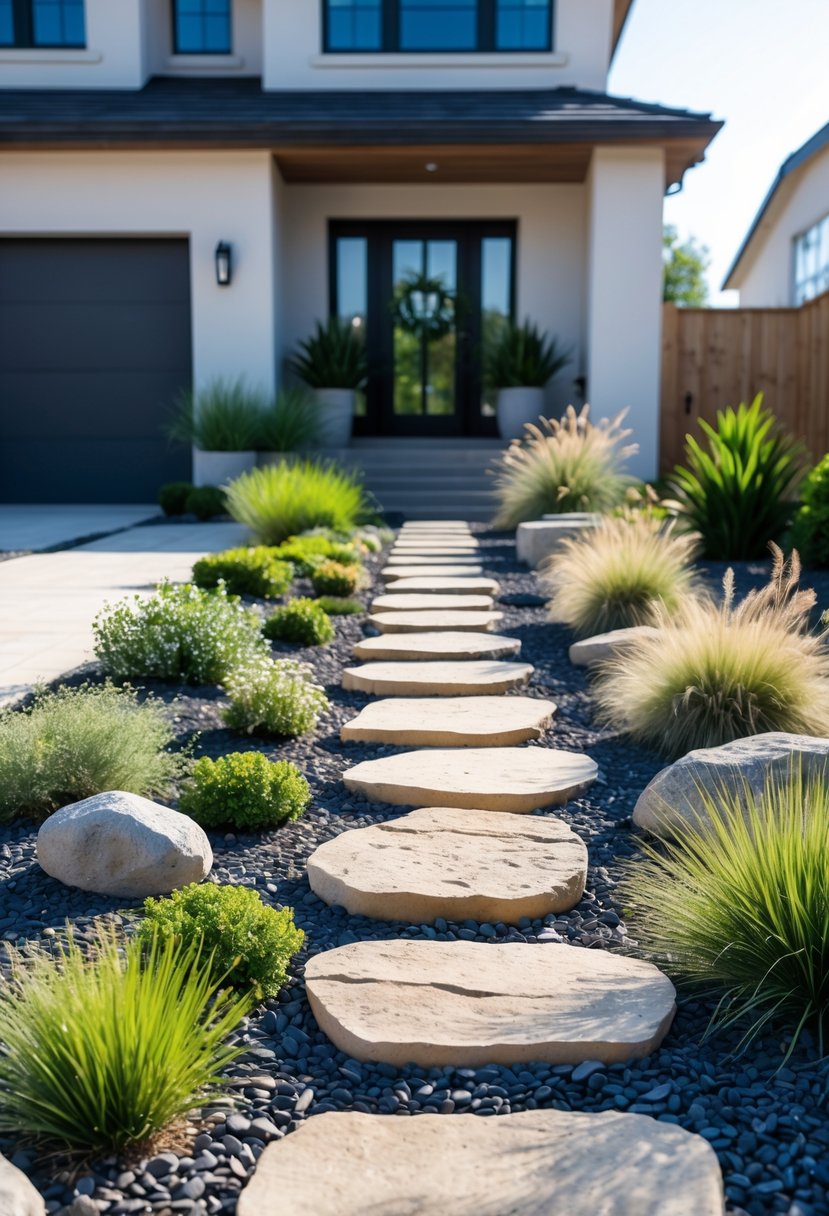
Stepping stones make it simple to get around your front garden. They guide your feet and keep your plants safe from trampling.
Pick stones that fit your style—natural stone or concrete both work. Cleaning them is easy, too.
Stepping stones add a bit of interest and create clear paths. The garden looks neater and more welcoming.
Need a how-to? This stepping stone walkway guide is a good place to start.
5) Plant evergreen shrubs such as boxwood for year-round greenery

Evergreen shrubs like boxwood keep your garden looking lively, even in winter. They stay green no matter the season.
Boxwoods ask for little maintenance. You can trim them into tidy hedges or let them go a bit wild if you prefer.
They mix well with other plants and bring a classic touch. If you want a garden that always looks put-together, boxwood shrubs are a safe bet.
Find tips on growing them at Boxwoods 101.
6) Add raised flower beds with native wildflowers
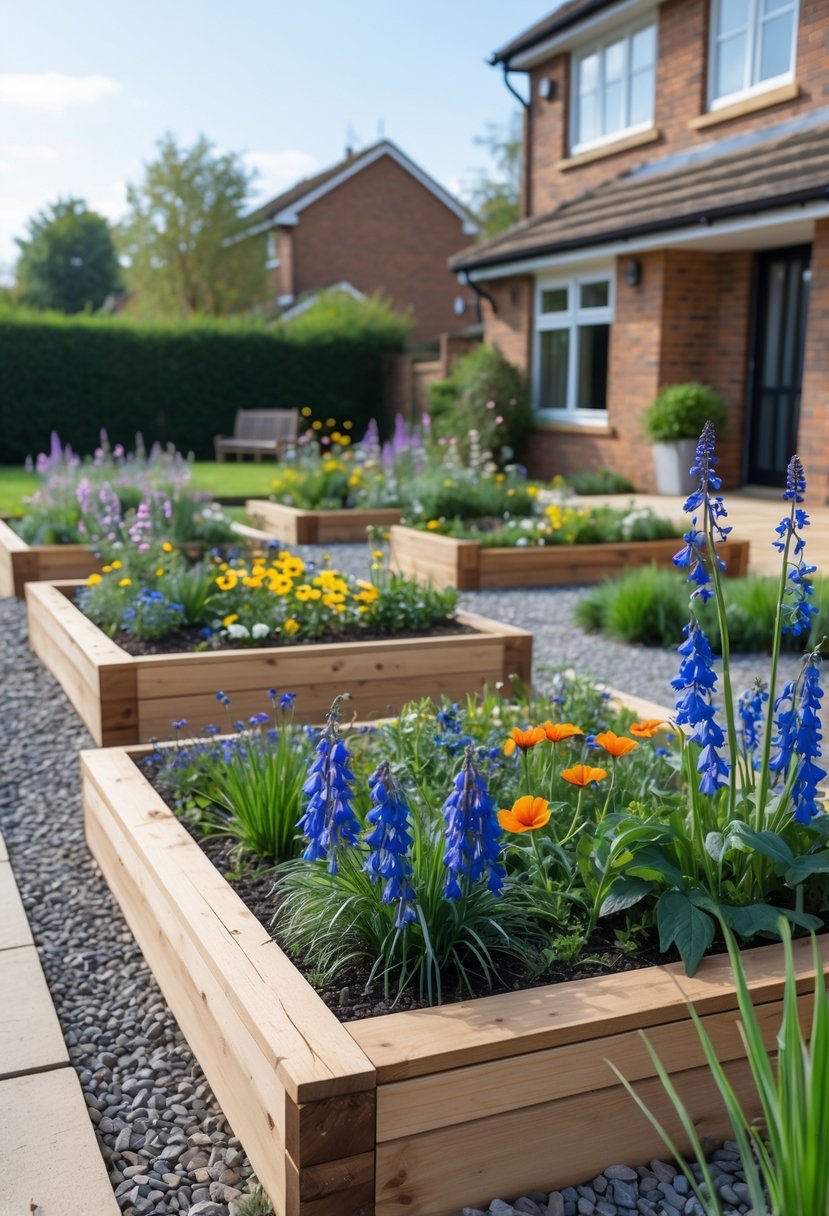
Raised flower beds make weed control and drainage easier. You get a tidy, organized look that lasts.
Fill those beds with native wildflowers. They suit the local weather and hardly need any fussing.
Wildflowers attract bees and butterflies, so you help nature out too. Raised beds with native plants add colour and life with barely any effort.
For inspiration, look at native wildflower raised beds.
7) Use bark mulch to reduce weeds and retain moisture

Bark mulch keeps weeds down by blocking sunlight. It’s a simple fix if you’re tired of pulling weeds all the time.
Bark mulch also locks in water. That means less watering for you, even during a hot spell.
It gives your garden a natural look and helps keep soil temperatures steady. For more on this, check out this bark mulch guide.
8) Create a seating area surrounded by hardy plants
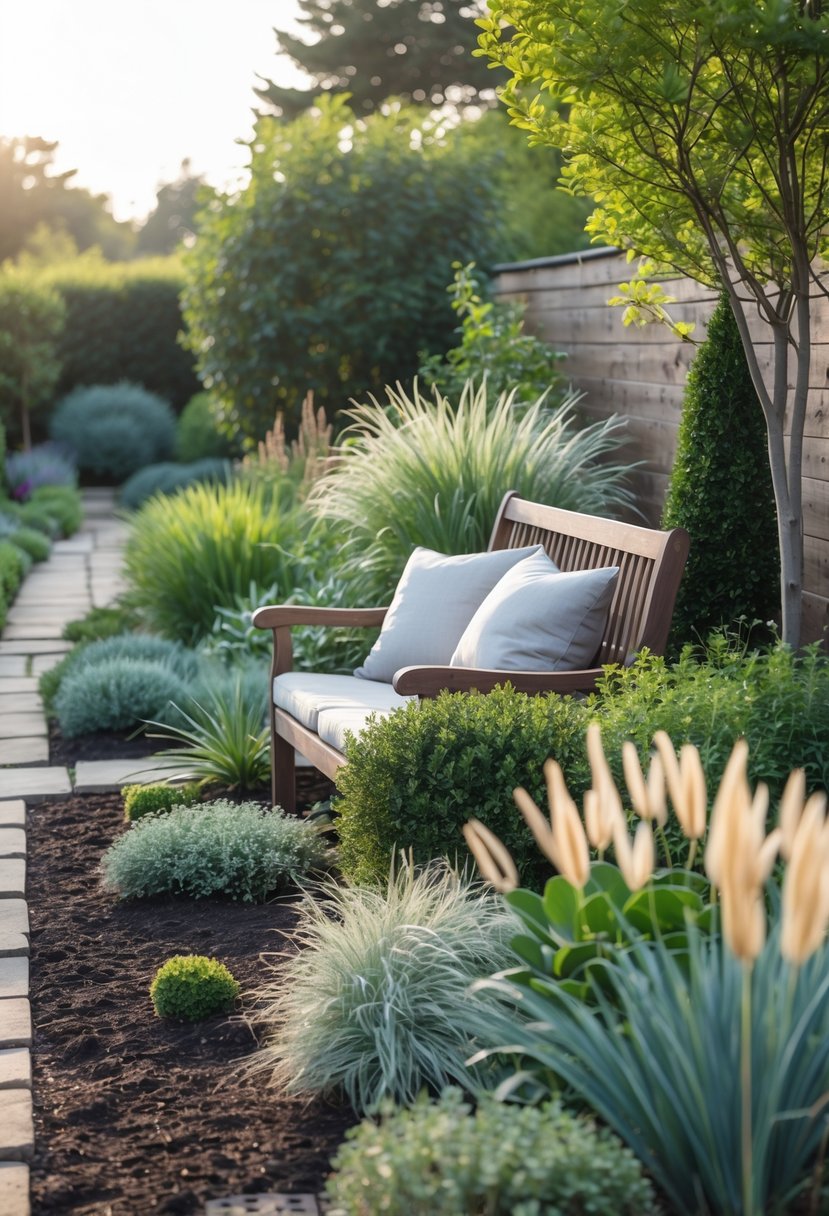
Why not add a seating spot for relaxing or chatting? Pick hardy plants like evergreens or drought-tolerant types around your seat.
These plants need little care and keep things looking good. Plus, they give you some privacy and make the space feel cozy.
If you want ideas for arranging things, this low-maintenance landscaping guide might help.
9) Incorporate ornamental grasses like Festuca glauca

Ornamental grasses such as Festuca glauca add cool colour and texture. Their blue-green tufts stand out and need almost no attention.
These grasses do well in poor soil and dry conditions. Use them in borders, pots, or even on patios.
Festuca glauca stays compact, so it won’t take over. It brings life and movement to the garden with hardly any effort.
More on ornamental grasses here.
10) Opt for self-watering planters to ease watering chores

Self-watering planters make life easier. These pots have a water reservoir, so your plants get a steady drink and you don’t have to water every day.
If you forget to water sometimes (who doesn’t?), these planters have your back. They help keep plants healthy with less stress.
You’ll find loads of styles to fit your look. For more ways to make gardening easier, check out these DIY self-watering container gardens.
11) Plant Hebe shrubs which thrive in UK climates

Add Hebe shrubs for greenery all year. They thrive in the UK climate and don’t ask for much once they’re settled.
Hebes like well-drained soil and sun or part shade. They handle a bit of drought, so you can skip watering sometimes.
Many Hebe varieties stay evergreen, so you get colour even in winter. Some stay low, others grow taller—pick what fits your space.
Just give them a light prune now and then to keep things tidy. Want to know more? Here’s a guide to Hebe shrubs.
12) Use gravel or slate chips instead of grass

Swap out grass for gravel or slate chips and you’ll barely need to mow or water. These materials look tidy and modern without the hassle of keeping grass alive.
Try mixing sizes and colours for extra texture. Gravel and slate also help with drainage, which is handy in rainy weather.
Lay a weed barrier under the gravel to keep things low-maintenance. This option saves water and time but still looks sharp.
Want to know how to do it? Here’s a guide on replacing a lawn with gravel.
13) Choose compact conifers for structure and low care

Compact conifers really add shape to your front garden with barely any effort. Since they grow slowly, you won’t find yourself trimming them all the time.
You can tuck these plants into small spaces like rockeries or containers. They’re great for creating tidy lines and bringing in greenery all year.
If you want something low-maintenance, dwarf conifers are a solid pick. They keep their color no matter the season, which keeps your garden looking fresh.
For more options, take a look at these low-maintenance dwarf conifers.
14) Add climbing plants like clematis on trellises

Clematis brings color and life to your front garden without adding much work. These climbers love growing up trellises, and they don’t hog space.
You’ll find trellises in all sorts of styles, from classic wooden ones to sleek metal designs. Just pick one that fits your vibe and pop it in.
Clematis needs a bit of support as it climbs. A sturdy trellis lets the plant grow upward and show off its flowers, keeping your garden looking neat.
Want more inspiration? Check out these clematis trellis ideas to find something that works for your space.
15) Include drought-tolerant succulents in pots
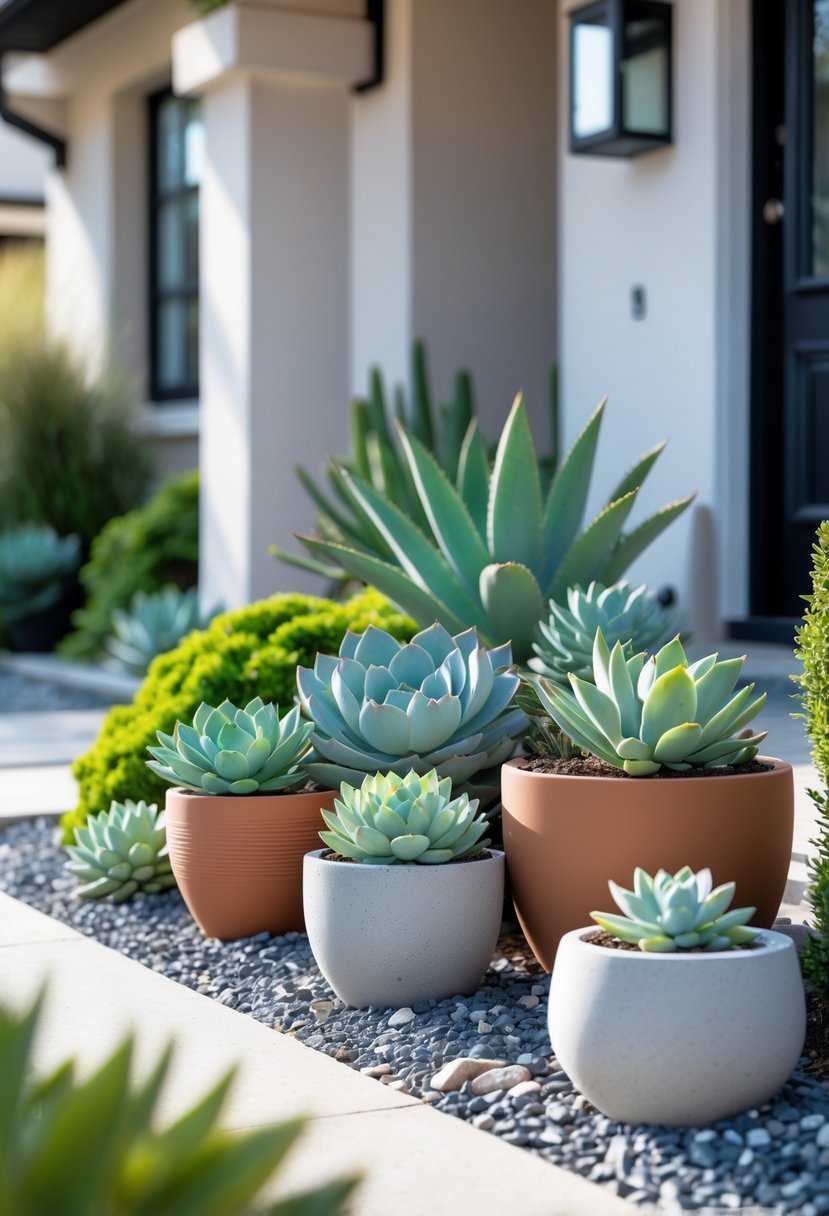
If you want low-maintenance pots, try adding drought-tolerant succulents to your front garden. These plants store water in their leaves, so you barely need to water them.
Succulents come in loads of shapes and colors. You can easily make eye-catching displays without much work.
They actually thrive in the UK, especially if you use soil that drains well. If you’re busy or away a lot, succulents basically look after themselves.
They’ll brighten up your entrance and save you time and water. For ideas, check out these drought-tolerant succulent container garden ideas.
16) Use planters with built-in drainage for healthier plants
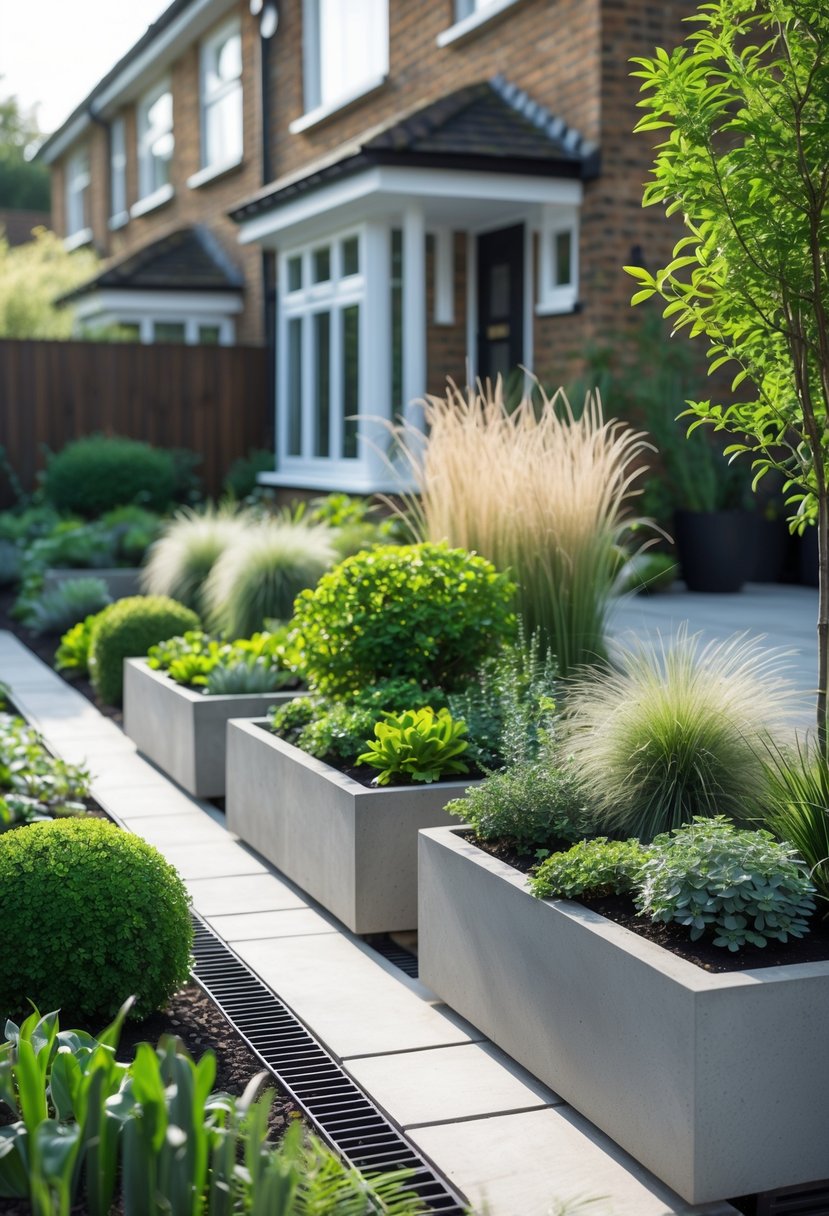
If you grab planters with built-in drainage holes, your plants will thank you. These holes let extra water escape, so roots don’t sit in soggy soil.
Good drainage stops root rot and gives roots the air they need. Your plants will grow stronger and last longer.
Look for pots that are designed for drainage—ceramic ones with raised bases work well. They make it easier to keep your garden healthy. For more ideas, check out best indoor plant pots with drainage.
17) Plant heathers for colorful, low-maintenance blooms

Heathers work wonders if you want color all year round with barely any effort. They stay evergreen and add lovely texture to your front garden.
These plants actually do fine in poor soil and only need a bit of water once they’re settled in. If you like a garden that takes care of itself, heathers are a top pick.
You can plant them in little patches, pots, or between rocks for a natural look. Mix up the types to get blooms in different colors and seasons.
Want more tips? Here’s a guide full of heather ideas and tips for a low-maintenance garden.
18) Incorporate ferns for texture in shaded areas
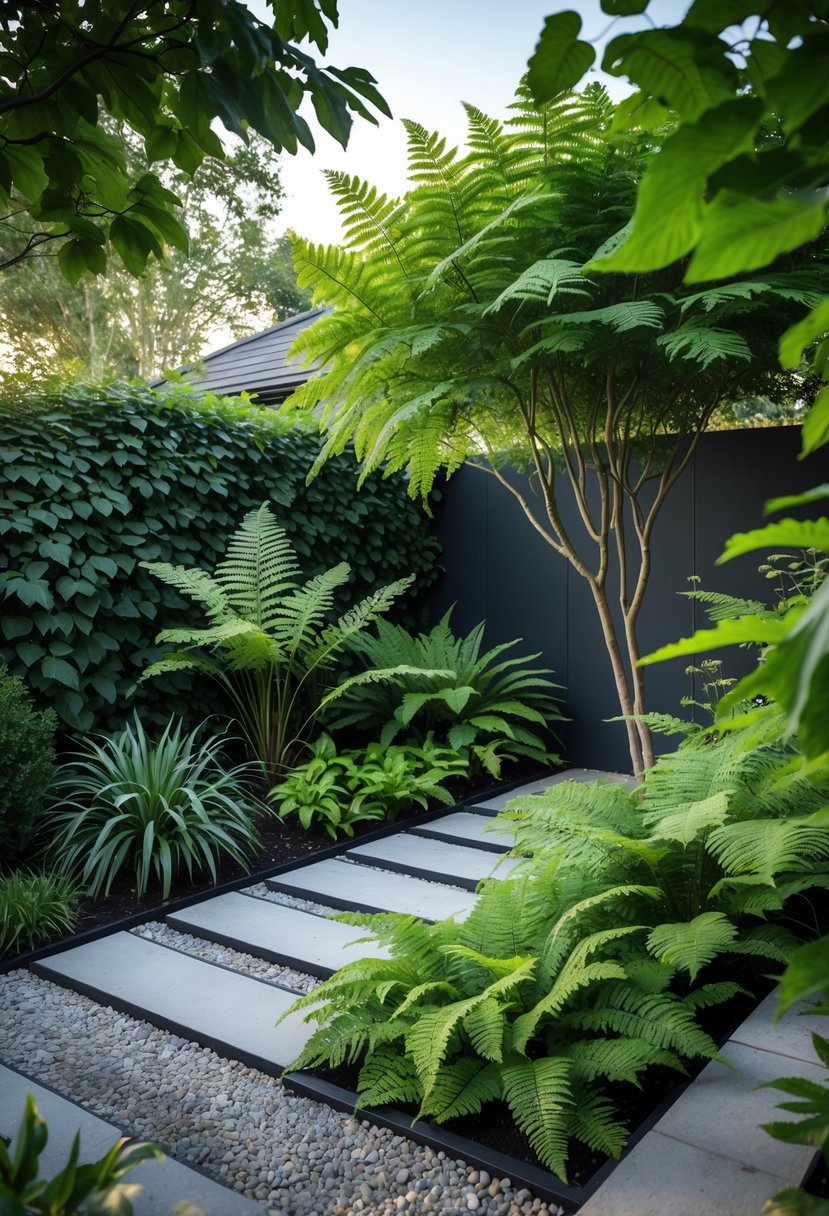
If you’ve got shaded spots in your front garden, ferns are a great way to fill them. They bring a soft, green texture that makes the space feel calm.
Ferns are super easy to look after and stand out, even in those darker corners. Try mixing a few types to get interesting layers and shades.
Use low-growing ferns as ground cover to replace grass in shady areas. This cuts down on upkeep and adds a bit of wild charm.
Check out more on using ferns for shade gardens at 9 Low-Maintenance Ferns to Liven Up Your Shade Garden.
19) Build a rock garden using local stones

Try building a rock garden with local stones to keep things natural and easy to maintain. Local stones match your area’s style and blend in perfectly.
Arrange stones in simple patterns or little clusters. You’ll get an interesting look without a lot of work.
Pick hardy plants that like your climate to go with the rocks. This keeps your garden low-maintenance and looking good all year.
For more design ideas, check out this guide on low-maintenance rock gardens.
20) Select perennial geraniums for long-lasting color

Perennial geraniums are a fantastic choice for your front garden. They bloom for ages, from spring all the way into autumn, so you get color for months.
These plants are easy-going and handle UK weather without a fuss. Many types spread out nicely, which makes them useful for ground cover or filling empty spots.
Some, like ‘Geranium macrorrhizum’, even have scented leaves. You can find different colors and sizes to match your taste.
If you want more ideas, check out this guide on hardy geraniums for your garden.
21) Install solar garden lights to avoid wiring

Why mess with wiring when you can just use solar garden lights? These lights soak up sunlight during the day and switch on by themselves at night.
They’re easy to install and you can move them around whenever you want to change things up.
Put the lights in sunny spots so they get enough charge. Solar lights give off a gentle glow and help highlight paths or plants—no cables needed.
For more tips, learn about installing solar garden lights and save yourself some hassle.
22) Use low-maintenance shrubs like euonymus

Euonymus shrubs really make your garden look good with almost no effort. They come in all sorts of sizes and colors, so fitting them in is easy.
You don’t have to fuss over them. Just plant euonymus in your front garden and they’ll stay green and lively most of the year.
They work for ground cover or small hedges, too. If you want color and texture without much work, these shrubs are a no-brainer.
Get more info on planting and caring for euonymus here.
23) Use Decorative Gravel and Stones

You can make a stylish front garden with decorative gravel or stones. These options need barely any water and almost no upkeep.
Gravel helps keep weeds down, so you spend less time pulling them. Stepping stones or bark chips add some interest and make it easier to walk around.
For a simple and tidy look, pick gravel in natural colors to match your house. It’s a great idea if you want to skip the grass and reduce mowing.
If you want more inspiration, see how to design with decorative gravel in low-maintenance gardens here.
24) Include colorful snapdragons in hardy beds

Brighten up your front garden with snapdragons. These tough plants handle cool weather well, making them perfect for UK gardens.
Snapdragons come in loads of colors, so you can mix and match or keep it simple with one shade. They grow in different heights—put the tall ones at the back and the short ones up front for a tidy look.
These flowers need little care but attract bees and butterflies, which makes your garden feel lively. Want more tips? Check out these snapdragon landscaping ideas.
25) Create a wildflower patch for natural beauty

Why not add a wildflower patch to your front garden? It’s a pretty easy and low-fuss way to bring a splash of color and life outside your door.
Wildflowers pull in pollinators like bees and butterflies, so you’ll help local wildlife without much effort.
Once your patch gets going, you hardly need to do anything except cut it back in autumn. The natural, slightly wild look works with all kinds of garden styles and doesn’t mind different soil types.
Starting a wildflower patch means you’ll spend less time mowing and barely any time watering. You end up with a lovely, eco-friendly spot that changes with the seasons—what’s not to like?
If you want to dig deeper, check out how to set up a wildflower patch for your garden here.
Essential Principles of Low-Maintenance Front Garden Design
If you want a front garden that looks good but doesn’t eat up your weekends, pay attention to your soil and how the sun, wind, and shade hit your space.
Choosing plants that cover the ground well will reduce weeds and protect your soil. These details make your garden easier to care for and keep it healthy.
Understanding Soil and Microclimate
Your garden’s soil type really matters for plant health. In the UK, you’ll probably deal with clay, sand, or loam.
Clay holds onto water but drains slowly, which can mess with roots. Sandy soil drains fast but loses nutrients. Loam is the sweet spot, balancing both.
You can fix poor soil by adding compost or other organic stuff. That helps drainage and boosts nutrients.
Microclimate is just the tiny climate quirks in your garden—think sunny spots, shade from fences, or windy corners. A south-facing patch gets more sun and suits drought-tolerant plants.
Shadier spots? Stick shade-loving plants there. Knowing these little zones helps you pick what’ll actually thrive.
Choosing the Right Ground Cover
Ground cover plants keep the soil safe and push back against weeds, so you spend way less time weeding.
Great ground covers for low-maintenance gardens are tough, spread on their own, and don’t need much care.
Some favorites:
- Creeping thyme: Smells lovely, loves sun, and bees can’t get enough.
- Irish moss: Soft, bright green, perfect for shady spots.
- Grasses: Blue fescue, for example, adds texture and barely needs water.
You can also use mulch or stones as ground cover. Mulch slows weeds and keeps moisture in.
Stones look tidy and stop weeds too, plus you never have to water or feed them.
Pick ground covers that fit your soil and microclimate so they’ll survive with less effort.
Want more ideas? Check out low-maintenance front garden tips here.
Sustainable Solutions for UK Climates
If you’re planning a low-maintenance front garden, stick with plants and materials that naturally do well in the UK.
That way, you’ll use less water, do less work, and still help local wildlife and soil.
Drought-Resistant Planting Choices
Go for plants that shrug off dry spells, since UK summers can surprise you with a drought. Native plants like lavender, heather, and rockrose are great picks—they just get on with it and don’t need much fuss.
You can mix in grasses like fescues and sedges. They stay looking good and don’t guzzle water.
These choices help you save water and cut down on chores like watering and feeding.
Focus on plants with deep roots or hardy leaves—they naturally handle drought. Try to group plants with similar water needs together, so you don’t accidentally overwater or underwater anything.
Eco-Friendly Mulching Techniques
Mulching keeps moisture in the soil, protects roots, and cuts down on weeds. Try using natural stuff like bark chips, leaf mould, or composted garden waste.
These materials save water and make your soil healthier as they break down. Honestly, it just feels good knowing you’re not adding anything synthetic.
Spread mulch in a 5-7 cm layer around your plants, but keep it away from the base of stems. That way, you’ll keep pests at bay and avoid rot.
Mulch keeps soil temperatures more stable, which really helps plants get through chilly UK winters and those rare warm summers. You won’t need as many chemical weed killers, either.
Once a year, usually in spring or autumn, just top up the mulch. That’s all it takes to keep things ticking along.
Curious about more ways to garden sustainably? Check out eco-friendly gardening and get some low-maintenance planting ideas at Gardens Of Style.


