

When Should I Repot My Bamboo Plant? Signs It’s Time for a New Home
Knowing when to repot your bamboo plant is key to keeping it healthy and thriving. You should repot your bamboo every two to three years or whenever it shows signs of being root-bound.
Signs include roots growing out of the pot’s drainage holes or a general decline in growth.

Repotting not only helps your bamboo plant grow, but it also allows you to refresh the soil, giving it the nutrients it needs.
This process can be simple, and with the right timing, your bamboo will flourish in its new home.
Understanding Bamboo Plants

Bamboo plants are fascinating and versatile. They come in various species and serve unique purposes in different cultures, particularly in feng shui. Let’s break down some key aspects of bamboo you should know.
Varieties and Species
Bamboo has many varieties and species. Some popular types include Phyllostachys edulis (also known as Moso bamboo), Bambusa vulgaris, and the well-known lucky bamboo, or Dracaena sanderiana.
Lucky bamboo is unique because it’s not a true bamboo. It is often used in homes for good luck and positive energy.
You can find bamboo in sizes from a few inches to over 100 feet tall, depending on the species.
Most bamboo prefers warm, humid climates and does well in pots or gardens. Knowing your bamboo type helps you care for it properly.
For example, Moso bamboo can spread quickly, so you might want to contain it in a pot if space is limited.
Significance in Feng Shui
In feng shui, bamboo represents strength, flexibility, and good fortune. Many people believe having lucky bamboo in your home can attract positive energy, or chi.
It’s often arranged in specific ways to enhance its effects.
For instance, placing three stalks in your home is thought to bring happiness, while five stalks may promote wealth. The number of stalks is essential, as it relates to the specific energy you want to attract.
Positioning bamboo in the eastern or southeastern parts of your home is often recommended for prosperity.
Remember to keep it healthy with proper water and light, as a vibrant plant can act as a powerful feng shui tool in your space.
Recognizing the Need to Repot
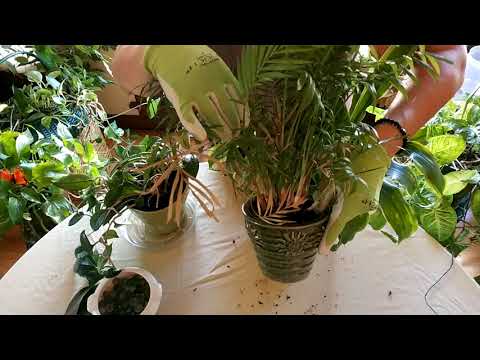
Being aware of when to repot your bamboo plant is key to ensuring it remains healthy. Watch for specific signs that indicate your plant might need a new home and keep an eye on root health to avoid issues like root rot.
Identifying Signs of Root Bound Plants
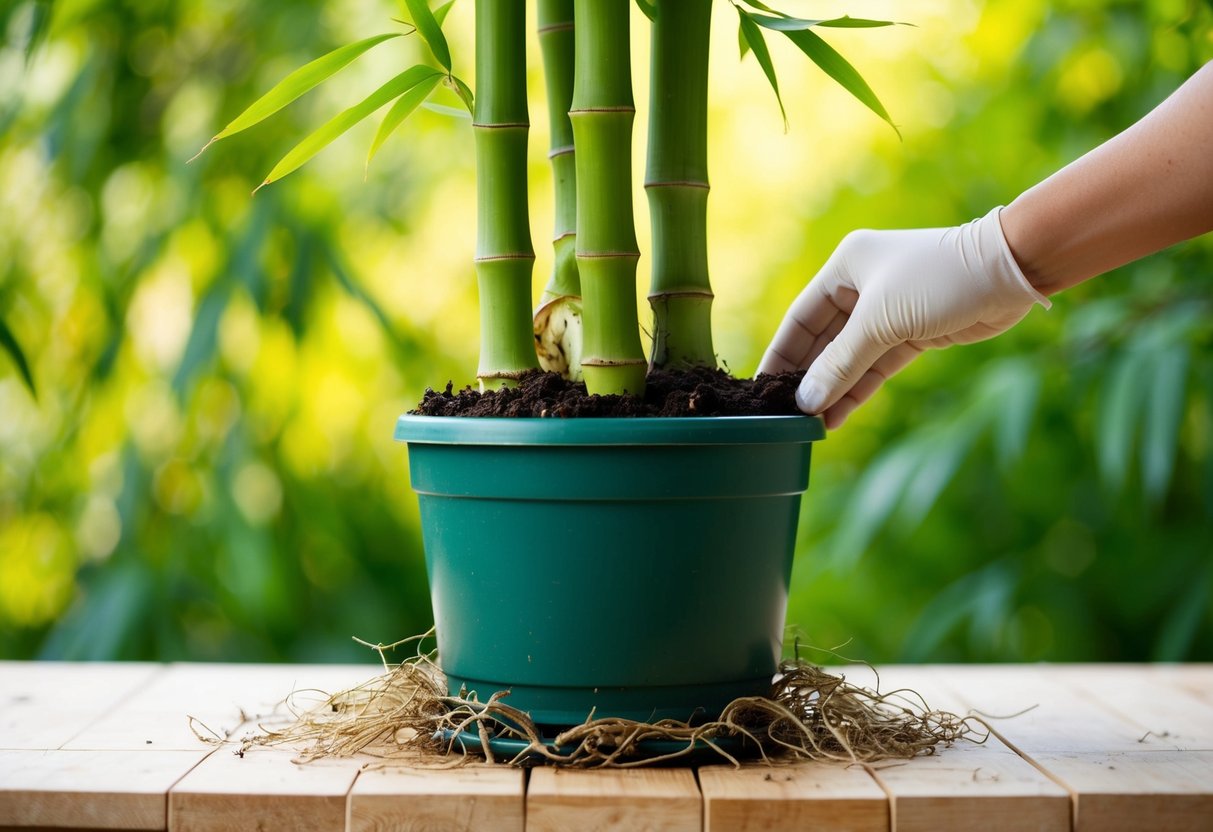
A root bound plant means the roots have filled the pot and can no longer grow freely. You can spot this by looking for roots growing out of the drainage holes.
If your bamboo plant is struggling to absorb water or nutrients, it might be root bound.
Another sign is slowed growth. If your plant seems stagnant and you’ve been caring for it properly, repotting could be necessary.
You may also notice the plant wilting despite proper watering.
Regularly check your plant after 1-2 years to prevent this issue from developing.
The Impact of Root Rot
Root rot is a serious condition that can harm your bamboo plant. It often occurs when the roots sit in water for too long.
If you see yellowing leaves or a mushy root system, your plant might be experiencing root rot.
To help prevent this, always ensure your pot has adequate drainage.
If you suspect root rot, remove the plant carefully and trim away any dead or mushy roots. Then, repot it in fresh, dry soil specifically for bamboo.
The Repotting Process

Repotting your bamboo plant is an important task that helps it stay healthy and thrive. Knowing the right time, choosing the right potting mix, and following the steps for repotting will ensure your bamboo remains strong and vibrant.
Choosing the Right Time
You should assess when it’s time to repot your bamboo. Look for signs like roots growing out of the drainage holes or if the plant seems to be growing slower.
Generally, bamboo benefits from repotting every 2-3 years. If the plant appears root-bound, it’s time for a larger pot.
Early spring is the best time to repot, as it aligns with the plant’s growth cycle. Avoid repotting during winter when the plant is dormant.
Selecting Suitable Potting Mix
Using the right potting mix is crucial for your bamboo’s health. A good mix should be well-draining to prevent excess moisture, which can cause root rot.
You may create a mix with one part organic matter like compost and three parts well-draining potting soil. This combination provides the nutrients needed for healthy growth.
Avoid overly acidic soil, as bamboo thrives in a slightly acidic to neutral range.
Steps to Repot Bamboo
Here’s how to repot your bamboo plant step by step:
-
Gather Your Supplies: You’ll need a new pot that’s 1-2 inches larger in diameter, fresh potting mix, and some tools like a trowel.
-
Prepare Your Bamboo: Water the plant a day before repotting to make it easier to remove from the pot.
-
Remove the Bamboo: Gently take the bamboo out. Check the roots for any damage and trim them if necessary.
-
Add Potting Mix: Place a layer of fresh potting mix at the bottom of the new pot. Ensure it’s well-draining.
-
Position Your Bamboo: Center your bamboo in the pot and add more potting mix around the sides. Press down lightly to remove air pockets.
-
Water Thoroughly: After repotting, water your bamboo well to help settle the soil around the roots.
Aftercare for Repotted Bamboo
After repotting your bamboo, proper care is key to ensure healthy growth. Here are some important tips to follow:
-
Watering: Water your bamboo thoroughly right after repotting. Make sure the soil is damp but not soggy. Then, check the moisture level regularly.
-
Light Conditions: Place your bamboo in indirect sunlight. This helps it adjust to the new environment without stress. Avoid direct sunlight, which can harm the plant.
-
Fertilization: After a couple of weeks, begin fertilizing with a diluted liquid fertilizer. This gives your bamboo the nutrients it needs to thrive in its new pot.
-
Temperature and Humidity: Keep your bamboo in a warm area, ideally between 65-85°F. Bamboo enjoys humidity, so misting it can help create a comfortable environment.
-
Monitoring: Keep an eye out for signs of stress. Yellowing leaves or drooping may indicate over or under-watering. Adjust your care routine as needed.
-
Pruning: Trim any dead or damaged leaves to encourage new growth. Use clean shears to make neat cuts.


