

Does Bamboo Make a Good Fence? Exploring Its Benefits and Drawbacks
Bamboo is becoming a popular choice for outdoor fencing, but you might wonder, does bamboo make a good fence? Yes, bamboo can be a great option for fencing due to its strength, eco-friendliness, and aesthetic appeal. This versatile plant offers a natural look that can enhance the beauty of your yard while providing the privacy you need.
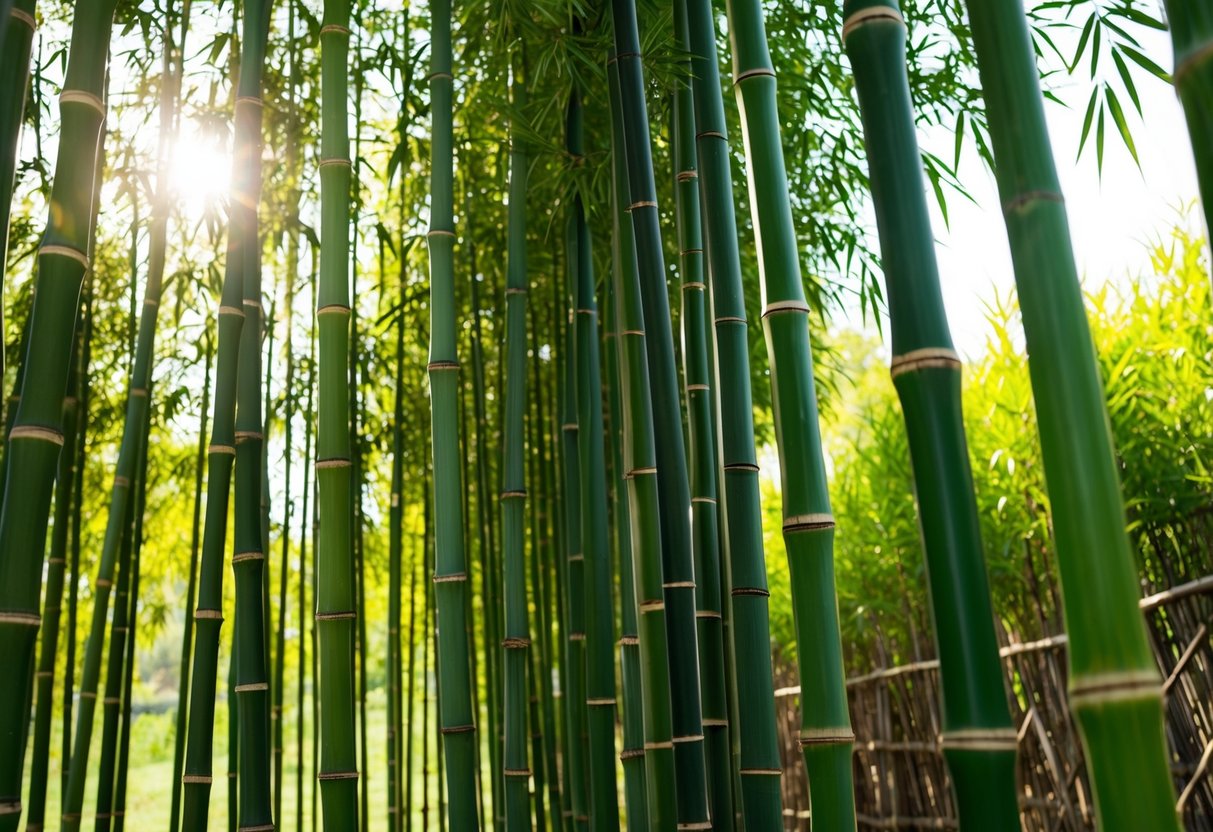
When considering bamboo, it’s important to note its rapid growth and durability. Unlike traditional wood, bamboo is a type of grass, which makes it both sustainable and resilient. Not only will a bamboo fence give you a unique design, but it also stands up well against the elements.
With various styles to choose from, bamboo fences can match different tastes and preferences.
As you explore the possibilities of bamboo for your fencing needs, think about the benefits it offers. Whether you’re looking to define your space or add a touch of nature to your outdoor area, bamboo might just be the perfect fit for you.
Benefits of Bamboo as a Fencing Material

Bamboo fencing offers several compelling advantages that can enhance your outdoor space. From its natural beauty to its eco-friendly attributes, bamboo is a popular choice among homeowners looking for both style and sustainability. Let’s explore what makes bamboo an excellent option for your fencing needs.
Natural Aesthetics and Landscaping Harmony
One of the biggest draws of bamboo fencing is its natural aesthetics. Bamboo has a unique appeal with its rich tones and texture that blends seamlessly with various landscaping styles. Whether you aim for a tropical vibe or a rustic look, bamboo can complement your garden beautifully.
You can choose between different finishes and heights to fit your design needs. This versatility allows you to construct a fence that matches your personal style while enhancing the overall curb appeal of your property. Many people appreciate the warmth and organic feel that bamboo brings to their yards.
Eco-Friendly and Sustainable Practices
When you choose bamboo, you’re also making environmentally friendly decisions. Bamboo grows rapidly, making it one of the most sustainable materials available. Unlike traditional hardwoods, which can take decades to mature, bamboo can reach maturity in just a few years.
This fast growth means less deforestation and reduced impact on our forests. Additionally, when responsibly harvested, bamboo roots remain intact, which helps in preventing erosion and maintaining soil health. This commitment to sustainable practices makes bamboo fencing a green choice for environmentally conscious homeowners.
Flexibility in Design and Construction
Another advantage of bamboo fencing is its flexibility in design. Bamboo can be used in various styles, from simple panels to elaborate designs, making it suitable for any backyard layout. You can easily customize heights or use different configurations for unique looks.
Installation is also straightforward, often making it a feasible DIY project. This flexibility means you can create a fence that fits your requirements without needing specialized tools or extensive labor. The lightweight nature of bamboo further simplifies the construction process, allowing you to achieve your desired design efficiently.
Considerations for Building a Bamboo Fence

When planning to build a bamboo fence, there are important factors to keep in mind. You should consider the type of bamboo that suits your needs, how climate affects growth, and the maintenance your fence will require.
Selecting the Right Bamboo Species
Choosing the right bamboo species is essential for durability and appearance. Some popular options include Moso bamboo, which is strong and fast-growing, and Black bamboo, known for its unique look.
Make sure to select a species that thrives in your region. Some species do better in tropical climates, while others are more cold-resistant. It’s also wise to buy from a reputable provider to ensure you get healthy plants.
Understanding Climate Impact on Bamboo
Bamboo grows best in warm, humid climates, but some types can withstand cooler temperatures. Before selecting your bamboo, check if your area has temperature extremes or dry seasons.
Consider how much sunlight your fence area receives. Many species require full sun, while others tolerate partial shade. If you live in an area with strong winds, you may need to protect your bamboo from damage.
Maintenance and Upkeep Requirements
Bamboo fences can be low maintenance if designed properly but may need regular pruning. Pruning helps maintain shape and health. You should trim back overgrown sections at least once a year.
Applying a sealant can also extend the lifespan of your bamboo by protecting it from moisture and pests. While it might seem like extra work, taking a few simple steps can minimize maintenance in the long run. Regular checks for signs of rot or insect damage will help keep your bamboo fence looking great.
Installation Techniques for Bamboo Fencing

When installing bamboo fencing, it’s vital to create a strong framework, consider the use of live bamboo, and apply sealants for added durability. These techniques will help ensure your fence lasts while providing privacy and beauty to your yard.
Creating a Sturdy Framework with Bamboo Poles
To start, you’ll need to build a solid framework using bamboo poles. Begin by measuring the area where you want your fence. Use durable bamboo poles that can withstand the elements.
Make sure to dig holes deep enough for stability, around 2-3 feet. This depth will help provide good support against winds. Space the poles about 6 feet apart. Once the poles are in place, use a level to ensure they stand straight.
To secure them, fill the holes with concrete or tamp down the soil firmly. The tensile strength of bamboo adds flexibility, so choose poles that are at least 2 inches in diameter for added strength. This framework will be the backbone of your bamboo fence.
Incorporating a Live Bamboo Fence
Using clumping bamboo can create a stunning and eco-friendly fence. Clumping bamboo varieties grow in tight clusters and are less invasive than running bamboo. This makes them a great option for your fence.
Start by planting the bamboo about 3-5 feet apart. This spacing encourages them to grow and fill in gaps while still allowing air circulation. Make sure to use a root barrier to prevent spreading into unwanted areas.
As the bamboo grows, it will become dense and provide great privacy. Be prepared to trim occasionally to maintain the desired height and thickness. A live bamboo fence also brings life to your garden while offering excellent protection.
Applying Suitable Sealants for Longevity
Applying a sealant is key to extending the life of your bamboo fence. Sealants create a protective layer against moisture, UV rays, and pests. Choose a sealant that is eco-friendly to maintain the natural look of the bamboo.
To apply, ensure that the bamboo is clean and dry. Use a brush or sprayer for even coverage, focusing on cut ends and joints where moisture can enter.
Reapply the sealant every couple of years for best results. This simple step will keep your fence looking fresh and vibrant for years to come. Regular maintenance will significantly improve your bamboo fence’s durability and overall longevity.
Cost Analysis and Long-Term Value
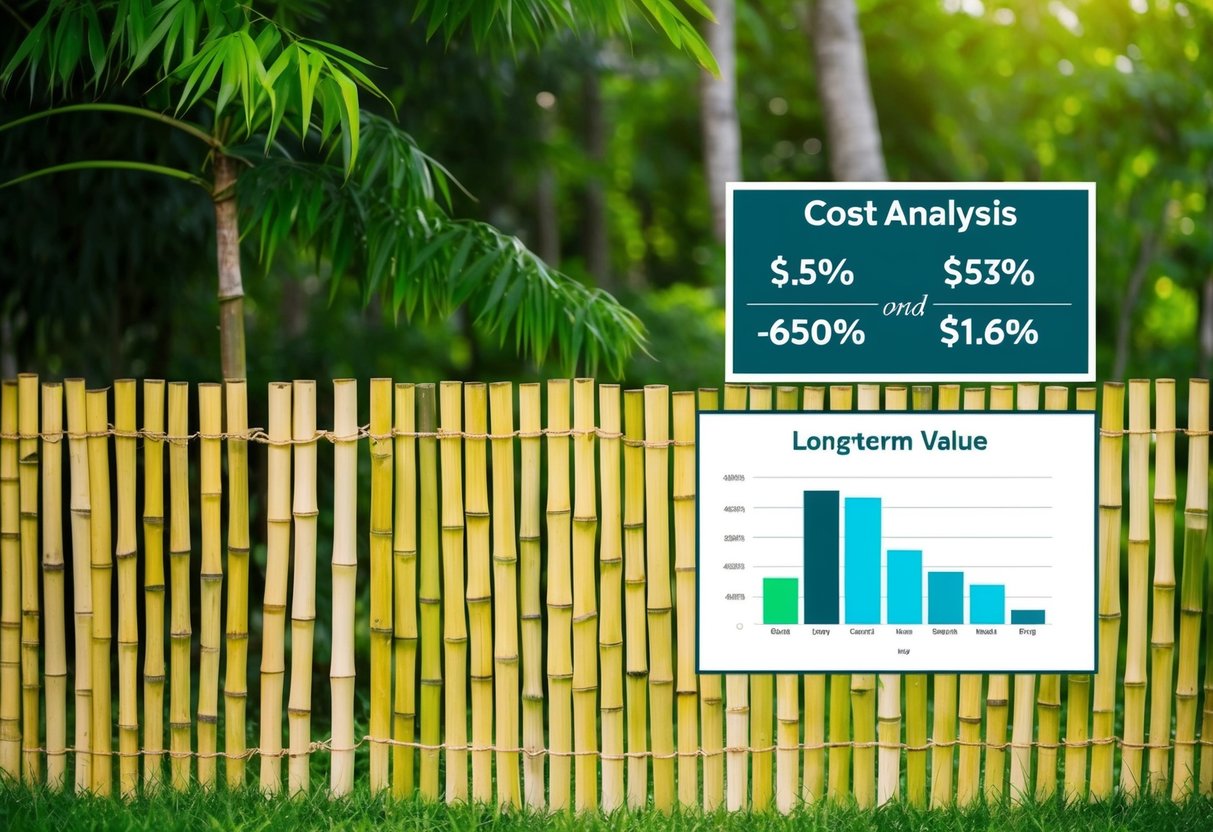
When considering bamboo for your fencing needs, it’s essential to look into the costs and long-term value. This includes comparing its price to other materials and understanding its durability and upkeep requirements.
Comparing Price with Other Fencing Materials
Bamboo fences typically cost between $12 to $23 per linear foot. This price range is competitive, especially when compared to options like wood and vinyl.
For example, wooden fences may cost $10 to $30 per linear foot, while vinyl can reach $25 to $50.
Bamboo offers advantages, such as being eco-friendly and visually appealing, which can enhance your yard’s aesthetics. However, remember that bamboo can be more susceptible to rot if not treated properly. This means you may need to account for any additional costs for protective coatings or treatments to extend its lifespan.
Assessing the True Cost of Durability and Upkeep
Bamboo might seem like a lower-cost option upfront, but you should consider the long-term expenses. Bamboo fences require regular maintenance to stay in good shape. This includes periodic checks for rot, especially in humid climates.
If you opt for a live bamboo fence, it requires more upkeep, like frequent pruning to prevent overgrowth. In general, a well-maintained bamboo fence can last many years, reducing overall replacement costs.


