

Low-Maintenance Garden Shed Skirting Ideas You’ll Love: 25 Easy Solutions
If you’ve got a garden shed, you probably know how important it is to keep it looking good and protected—without spending all your free time on maintenance.
Skirting around the base of your shed hides gaps and keeps pests from sneaking inside.
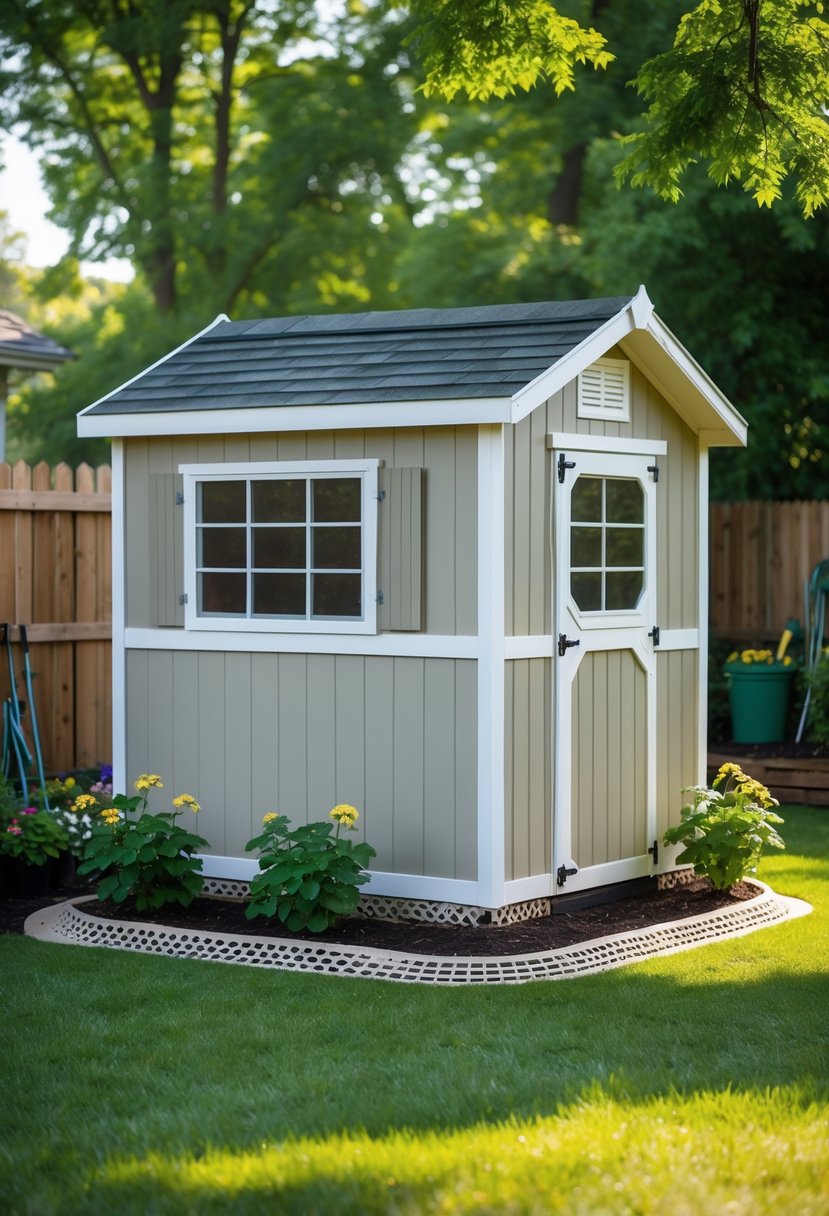
Low-maintenance garden shed skirting ideas help you save time and keep your shed neat and protected year-round. It just makes your outdoor space look tidier, and you barely have to think about it.
1) Vinyl siding panels

Vinyl siding panels work really well if you want low-maintenance shed skirting. They don’t rot or rust, so they last a long time near the ground.
You can use leftover vinyl panels from other projects or just buy ones made for sheds. Cutting them to fit around slopes or uneven ground is pretty straightforward.
Vinyl siding gives a clean, neat look that makes your shed look well cared for—without much effort. It’s a practical option that blocks pests and adds a polished finish to your yard.
For more info, check out vinyl skirting options for sheds.
2) Lattice fencing
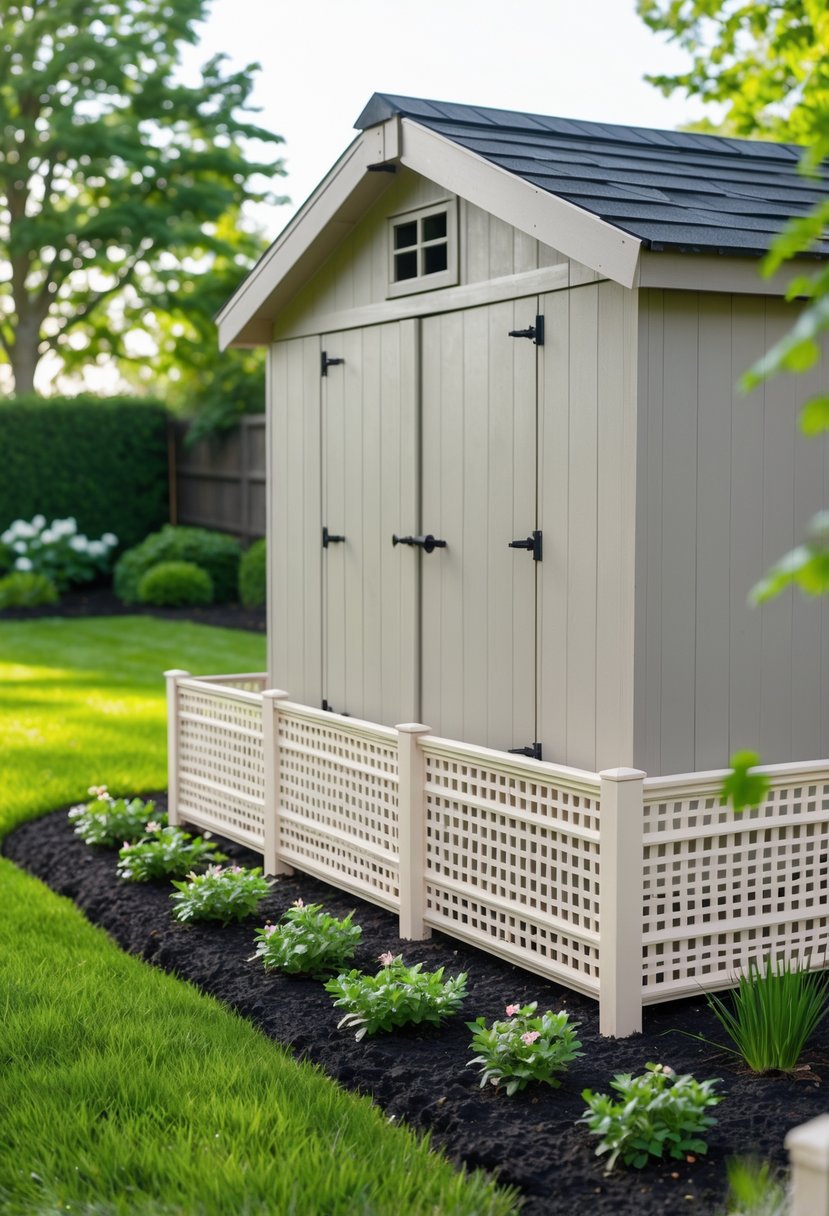
Lattice fencing gives you that classic look and lets air move around your shed. You’ll find lattice in wood or vinyl, and both are pretty low-maintenance.
Vinyl lattice especially doesn’t rot or need painting. Wood lattice can last, too, if you treat it right.
This skirting keeps pests away and gives your shed a tidy, finished look. Lattice comes in different styles, so you can pick what fits your yard.
Find out more about using lattice for shed skirting at Garden Shed Skirting Ideas.
3) Faux stone panels
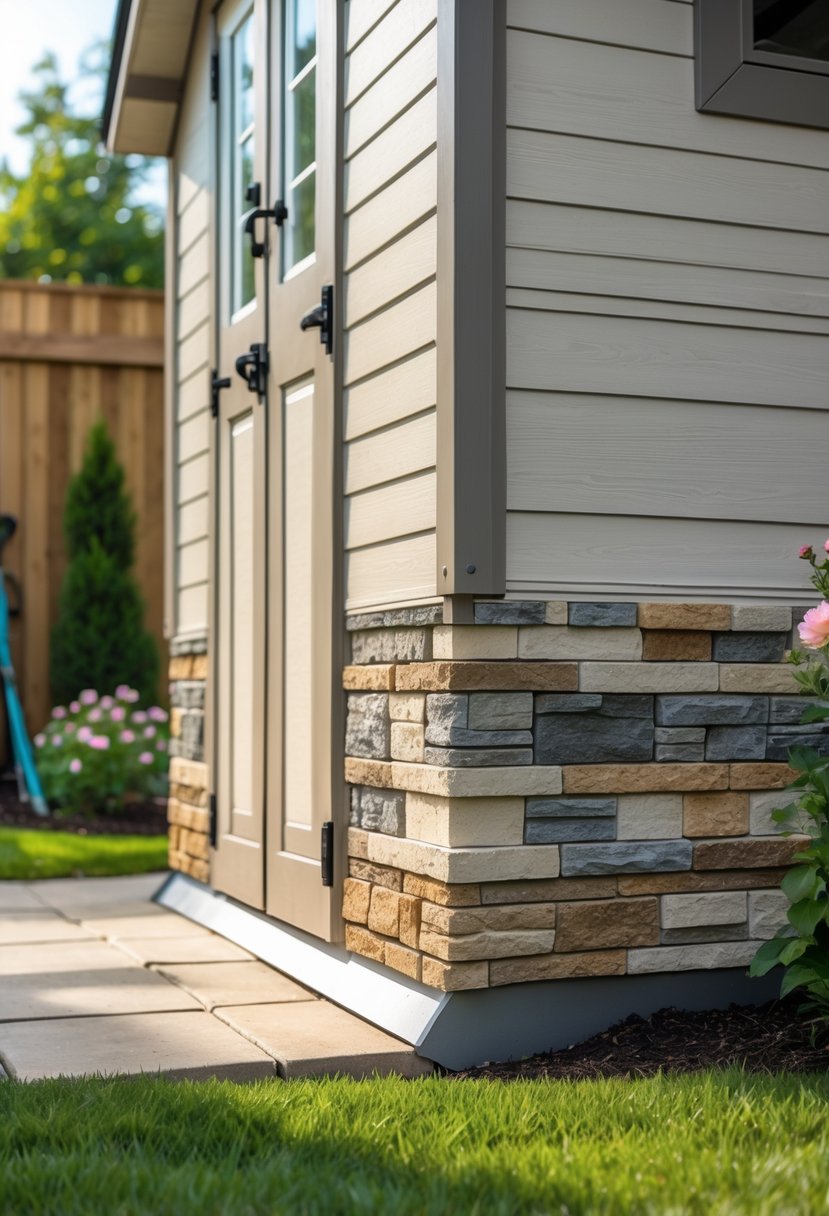
Faux stone panels make your shed look stylish and clean with barely any effort. They’re lightweight and easy to install, so you can finish the job quickly.
These panels hold up against all sorts of weather. You won’t need to worry about repairs or painting.
You can pick from lots of colors and styles to match your garden. Faux stone brings a natural touch and boosts your shed’s curb appeal.
Want more ideas? Check out Faux Stone Storage Shed Skirting Ideas.
4) Brick veneer skirting

Brick veneer skirting gives your shed a sturdy, classic look. It doesn’t crack, expand, or shrink much with the weather, so you don’t have to stress about damage.
Brick veneer barely needs any maintenance. No regular repairs or repainting, which is honestly a relief.
This skirting keeps animals and moisture out from under your shed. It’s a simple way to protect your shed and keep things looking sharp.
For more brick skirting ideas, visit 7 Shed Skirting Options To Consider.
5) Metal mesh screens

Metal mesh screens make a sturdy, low-maintenance skirting. You can attach them to the bottom of your shed to cover gaps and keep out pests.
These screens let air flow, which helps stop moisture from building up. Metal mesh doesn’t rot or get damaged by the weather like wood sometimes does.
You’ll find different sizes and styles to match your shed’s look. Cleaning them is easy if they get dirty. Metal mesh screens keep things neat and functional.
Learn more about using metal screens for garden sheds at metalgardenscreen.co.uk.
6) Pressure-treated wood planks

Pressure-treated wood planks work well for shed skirting. They resist rot and insects way better than regular wood. That means less work for you in the long run.
These planks give a natural look and are easy to cut to size. You can paint or stain them to match your shed.
Pressure-treated wood protects your shed’s base from moisture and pests. If a plank gets damaged, you can replace it without much hassle.
It’s a smart, practical choice if you want something strong but still easy to deal with.
Find more ideas on pressure-treated lumber for exterior use.
7) Concrete block skirting
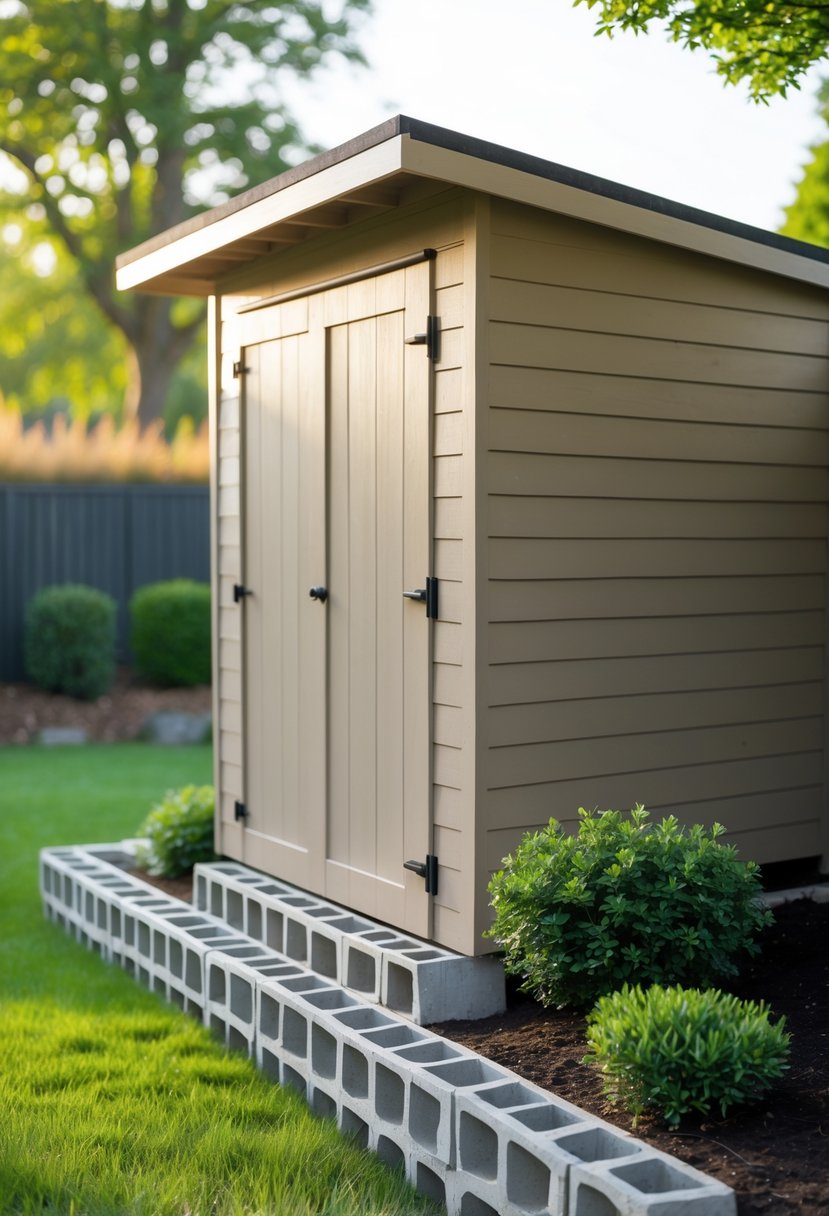
Concrete blocks work as a solid option for shed skirting. They block pests and dirt from getting under your shed.
Stack the blocks around the base to cover up gaps. You’ll get a clean, sturdy barrier that lasts for years.
Concrete blocks don’t rot or need painting, so you don’t have to fuss over them. Toss some gravel behind them if you want better drainage.
If you like things simple and practical, concrete block skirting could be your answer.
You can find more concrete block skirting ideas here.
8) Gravel-filled skirting bed

Try filling the area around your shed with gravel. Gravel keeps pests away and lets water drain, so you don’t get moisture problems under the shed.
Gravel doesn’t rot or need paint. Just rake it every now and then to keep it looking good.
It gives your shed a tidy, finished look with barely any work. For more ideas, check out shed skirting options that use gravel and other materials.
9) Plastic garden edging

Plastic garden edging makes shed skirting really simple. It’s lightweight and easy to install, and you can cut it to fit any shape.
This material stands up to the weather and doesn’t crack or fade fast. You won’t need to do much to keep it looking nice.
Plastic edging comes in a bunch of colors and styles. It helps your shed look neat and finished. For more inspiration, check out plastic edging options for garden borders.
10) Decorative metal panels

Decorative metal panels give your shed a clean, modern look. These panels resist pests and mildew, and they won’t bend or warp in extreme weather.
Metal panels are easy to clean and last a long time. The shiny surface can even brighten up the area around your shed.
If you want something simple but effective, metal panels are a smart pick. You’ll find plenty of styles to fit your shed’s vibe and still keep things low-maintenance.
For more ideas, check out metal deck skirting ideas.
11) PVC lattice panels
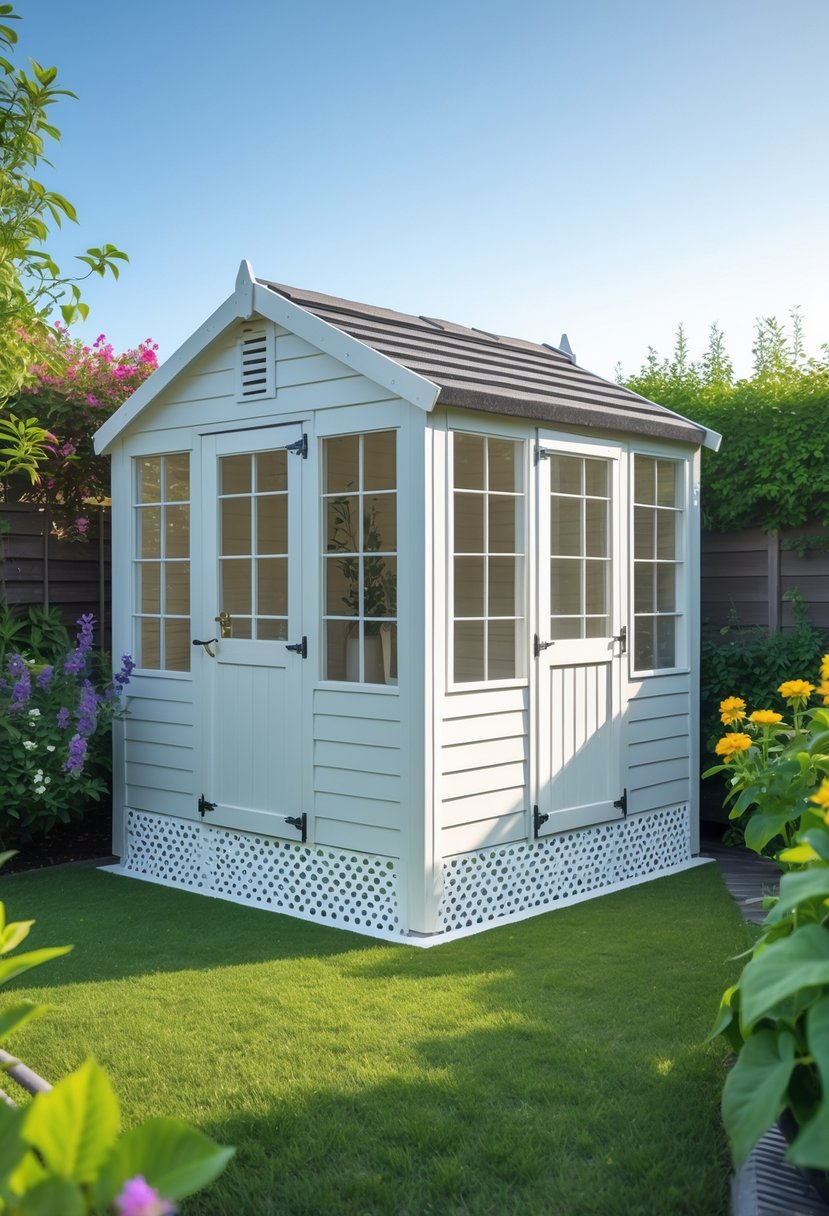
PVC lattice panels are a super low-maintenance choice for skirting. They won’t rot, warp, or need painting like wood.
You can get them in different patterns and colors, so matching your shed is easy. They let air flow, which helps keep moisture from building up underneath.
Installation is a breeze, and you just need soap and water to clean them. If you want a tidy look and no fuss, PVC lattice is a solid pick. Check out vinyl lattice skirting ideas for more.
12) Composite wood boards

Composite wood boards make shed skirting so much easier. They don’t rot, warp, or split like regular wood.
You’ll find plenty of colors and styles, so matching your shed is no problem. Cleaning is easy—just use soap and water.
Composite boards keep pests and moisture out from under your shed. They last a long time and don’t need much attention.
If you want something durable that’s easy to care for, composite wood boards are a great call.
For more ideas, check out composite deck skirting ideas.
13) Barn wood planks

Barn wood planks give your shed skirting that rustic, natural vibe. Reclaimed wood is eco-friendly and brings a lot of character.
Barn wood stands up to the weather if you seal it to protect against moisture.
This material hides dirt and wear better than smooth surfaces. It’s a simple way to add charm and keep maintenance low. For ideas, check barn wood options in shed skirting plans.
14) Wire mesh with frame
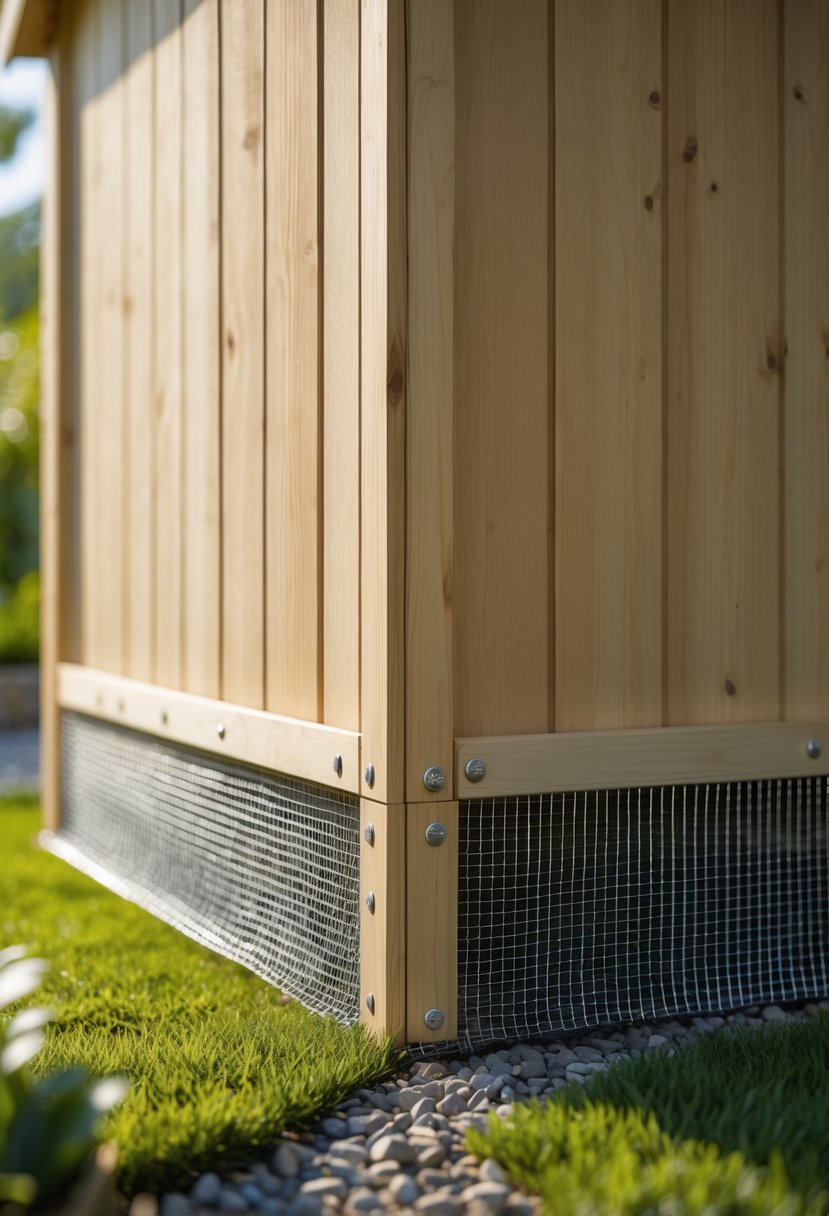
Try using wire mesh with a wooden or metal frame to keep pests out of your shed. You’ll get plenty of airflow, and it still keeps out mice and squirrels.
This method hardly needs any attention since wire mesh doesn’t rot or break down easily. Just give it a look every so often for holes or rust—no big deal.
Paint or stain the frame to match your shed if you want. It’s a practical pick for folks who want something that just works without much fuss.
If you want more inspiration, check out these wire mesh and lattice skirting examples.
15) Recycled plastic skirting boards

Recycled plastic skirting boards make life easier if you want something low-maintenance. They shrug off water, pests, and rot way better than wood.
You’ll find lots of styles and colors, so matching your shed is a breeze. No need to paint or seal them, which saves you time.
Since these boards come from recycled materials, you’re making a greener choice too. Using recycled plastic skirting boards cuts down on waste and keeps your shed looking sharp.
For more info, check out recycled plastic skirting board ideas.
16) Corrugated metal sheets

Corrugated metal sheets work well if you want shed skirting that barely needs any care. They’re tough and stand up to the weather without much help from you.
Just cut the sheets to size and fasten them with screws or bolts. That’s about it.
Metal gives your shed a crisp, modern vibe. Some sheets even have decorative patterns if you want to dress things up a bit.
Want more tips? Take a look at Shed Skirting Ideas.
17) Cedar board skirting
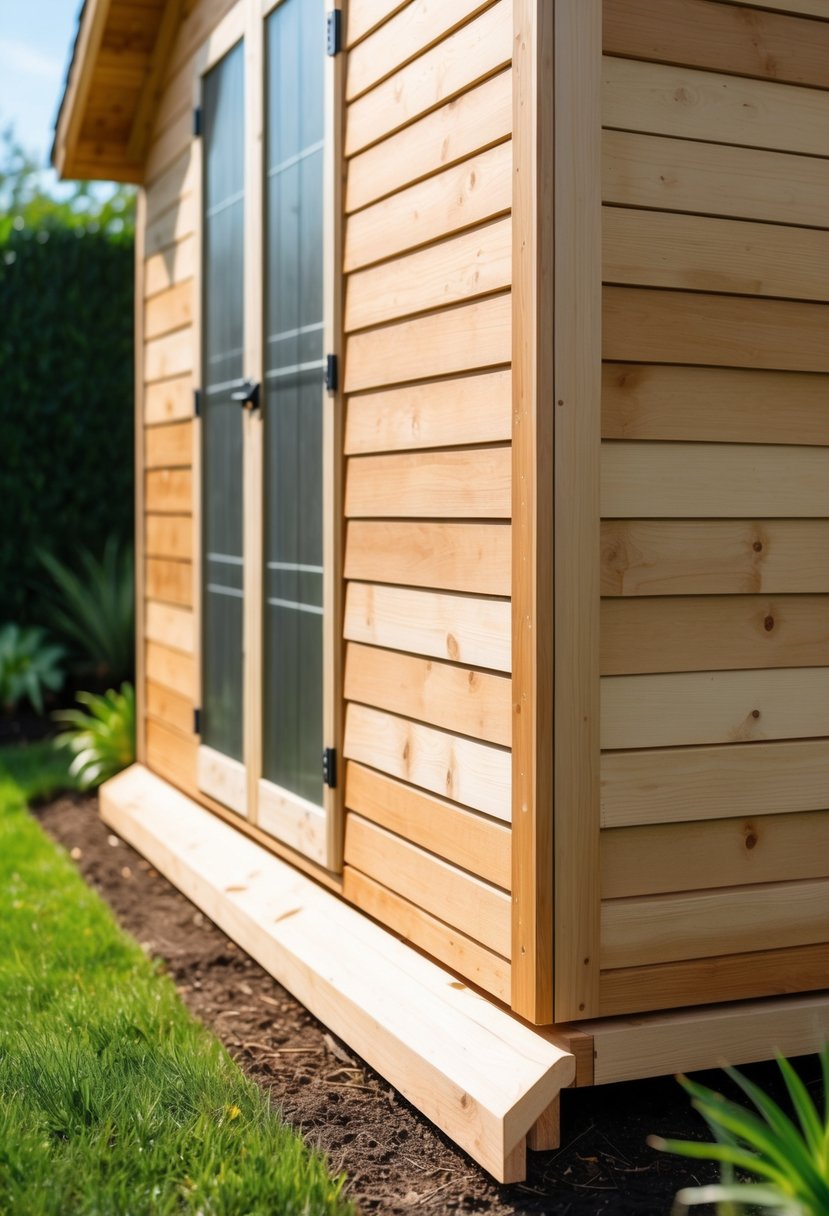
Cedar board skirting is a solid pick if you like a natural, long-lasting look. Cedar naturally resists rot and bugs, so you won’t have to worry much about it.
Paint or stain the boards to match your shed, or just let cedar’s warm color shine through. It covers gaps and helps keep pests out from under your shed.
Cedar holds up well over time, so you rarely need to fix it. Just check it once a year and brush off any dirt or leaves.
If you want to see more styles, check them out here.
18) Bamboo panels

Bamboo panels are a fun, low-maintenance option for shed skirting. They’re naturally sturdy and don’t mind the weather much.
You’ll love how bamboo brings a warm, earthy feel to your shed. It looks great with garden plants or next to wood.
These panels go up fast and don’t need much care—just wipe them down when they look dusty. Plus, bamboo is eco-friendly, which is always a win.
Bamboo can also add a bit of privacy without making things feel closed off. Style and function, all in one.
Want more ideas? Check out bamboo skirting options.
19) Rubber garden edging

Rubber garden edging works well for low-maintenance shed skirting. It’s tough and doesn’t crack or break when the weather changes.
You can get recycled rubber, which is flexible and eco-friendly. Installing these edges is pretty simple, and they help stop dirt and debris from piling up under your shed.
Rubber edging also gives your garden a tidy, finished look. If you want something easy and long-lasting, this is a good bet. Looking for more? Check out rubber garden border edging options.
20) Fiber cement siding
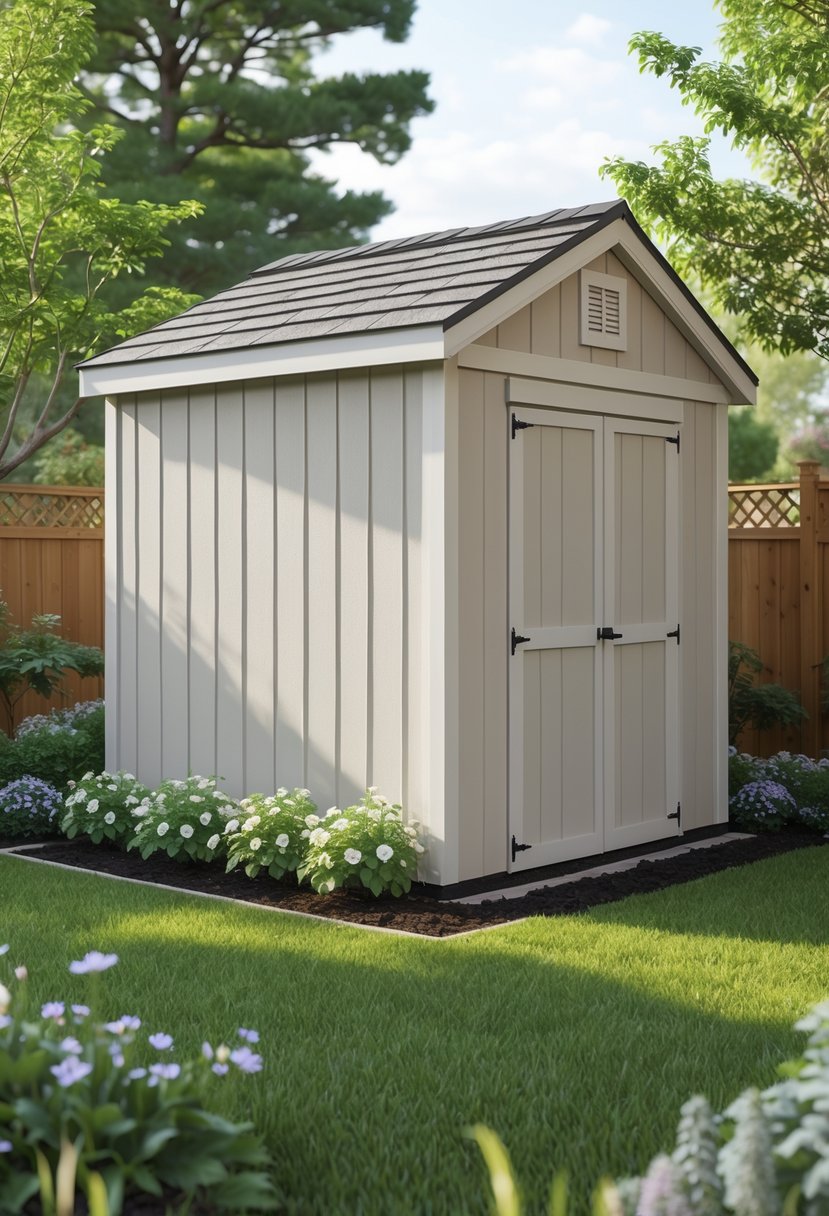
Fiber cement siding is a tough, low-maintenance option. Made from sand, cement, and fibers, it’s built to last.
You won’t need to paint it much, and it stands up to bad weather. It also looks good with lots of shed styles.
It does cost more than some other options, and putting it up takes some skill. But once it’s on, you can relax—it’ll protect your shed for years.
Curious about fiber cement? Find more info here.
21) Natural river rocks

Try using natural river rocks for shed skirting if you want texture and a tidy look.
These stones are smooth and tough, so they handle weather with barely any care.
Mix up sizes and colors to fit your style and tie your shed into the garden.
River rocks help with drainage, letting water flow through and keeping things dry.
If you want a natural, no-fuss choice, river rocks are worth a shot.
See more landscaping ideas with river rocks here.
22) Painted plywood panels

Painted plywood panels make for easy, budget-friendly shed skirting. Pick any color you like to match your yard.
This option gives your shed a neat, finished look. Painting also protects the wood from the weather.
Add trim around the edges for a sharper look. Painted plywood is simple to clean and holds up pretty well.
If you want a quick, tidy upgrade that keeps pests out, give painted plywood panels a try.
Find more painted plywood ideas here.
23) Pre-fabricated plastic panels

Pre-fabricated plastic panels are another easy way to skirt your shed. You can install them quickly, and they barely need any care.
They won’t dent or attract insects, so your shed stays protected. Cleaning is a breeze—just spray them off with a hose.
Plastic panels come in lots of styles, so you’ll find something that fits your shed. They also stand up to wind and give extra protection.
If you want to save time and keep things looking neat, these panels are a smart pick. Check out some vinyl skirting products.
24) Geotextile fabric with gravel

Lay geotextile fabric under gravel to stop weeds from popping up around your shed. The fabric blocks weeds but lets water drain through.
It keeps the gravel stable and stops it from sinking into the dirt.
Top it with gravel for a clean look and better water runoff. This combo is easy to care for and keeps your shed area tidy.
Need more info? Look up geotextile fabric uses under gravel.
25) Skirting with climbing plants

Go for climbing plants if you want natural, low-maintenance shed skirting. Ivy or clematis will grow up around your shed base and cover gaps with leafy green.
This trick also hides dirt or uneven spots under your shed. Just pick plants that work for your climate and won’t hurt the shed.
A willow stick lattice supports the plants and keeps everything neat. It’s a simple way to let climbers dress up your shed—see willow stick lattice uses.
Choosing the Best Materials for Long-Lasting Skirting
Picking skirting for your garden shed? You’ll want something that lasts, looks decent, and doesn’t create more work for you. Think about how each material handles the weather and what kind of upkeep it really needs. The right pick keeps your shed safe and your yard tidy, all with less hassle.
Comparing Vinyl and Metal Options
Vinyl skirting is light and you can install it pretty easily. It resists rot, bugs, and moisture, so you won’t be fixing it often. Just give it a quick wash now and then to keep it looking good. Vinyl comes in plenty of colors and styles, so matching your shed is simple.
Metal skirting is tougher and sticks around longer, especially if you want serious protection. It handles bumps and doesn’t warp or crack. Some metal options fight rust, but you should still check for damage or repaint if needed. Metal gives your shed a modern, clean finish that suits lots of designs.
| Feature | Vinyl | Metal |
|---|---|---|
| Weight | Light | Heavier |
| Maintenance | Low, mostly cleaning | Moderate, may need touch-ups |
| Durability | Good against moisture | Very strong against damage |
| Appearance Options | Many colors & designs | Sleek, modern finishes |
Weather Resistance Considerations
Your skirting faces rain, sun, wind, and sometimes even snow. Vinyl stands up to these elements pretty well—it doesn’t really fade or crack.
Since it’s waterproof, water can’t damage it or create a cozy spot for pests under your shed. That’s a relief, right?
Metal skirting deals with storms and impacts much better. If you live somewhere windy, metal could be the way to go.
Weathering steel, for example, builds up a rusty-looking layer that actually protects it from deeper corrosion. It’s kind of clever how that works.
Both vinyl and metal help slow down wear along the shed’s bottom edge. When you’re choosing, think about your local weather, how much upkeep you want, and honestly, what look you prefer for your shed’s base.
If you want more ideas or want to see what’s out there, check out garden shed skirting ideas.
Maintenance Tips to Keep Your Shed Skirting Looking Great
If you keep your shed skirting in good shape, it’ll last longer and your yard will look neater. Focus on regular cleaning and protecting it from pests.
Even simple routines make a difference. Your skirting will look fresher and work better if you give it a little attention now and then.
Easy Cleaning Techniques
Start by sweeping off dirt, leaves, and cobwebs with a broom or soft brush. That way, you stop buildup before it causes any trouble.
For vinyl or plastic skirting, just wash it with mild soap and water. Use a sponge or cloth for gentle scrubbing, then rinse everything off with a garden hose.
If your skirting’s made of wood, check for mold or mildew. Mix water and white vinegar to clean those spots.
Avoid harsh chemicals—they can damage the wood. It’s really not worth the risk.
Clean your skirting at least twice a year. If you notice dirt or grime piling up, go ahead and clean it more often.
Staying on top of it keeps things looking tidy and slows down wear.
Pest Prevention Practices
Rodents and insects love to hide under skirting, so blocking them out really keeps your shed safer.
Seal up any gaps or holes with wire mesh or expanding foam. Make a habit of checking the skirting for damage or new openings.
Clear away tall grass, weeds, or wood piles from around the shed. Those things just invite pests and give them a place to hide.
Try elevating wooden skirting a little off the ground, or go with pressure-treated lumber. That way, it resists moisture and decay, so bugs won’t find it as appealing.
You can spray natural deterrents like peppermint oil near the base if you want to avoid chemicals. It helps protect your shed and keeps the skirting in better shape.
Need more ideas? Here are some practical tips on skirting your storage shed.


