

Simple Garden Shed Skirting Ideas to Refresh Your Outdoor Space with 25 Easy Tips
A garden shed adds a lot to your outdoor space, but the area underneath? People usually forget about it.
Simple garden shed skirting ideas close off that space, making your shed look more finished and keeping out animals and debris.
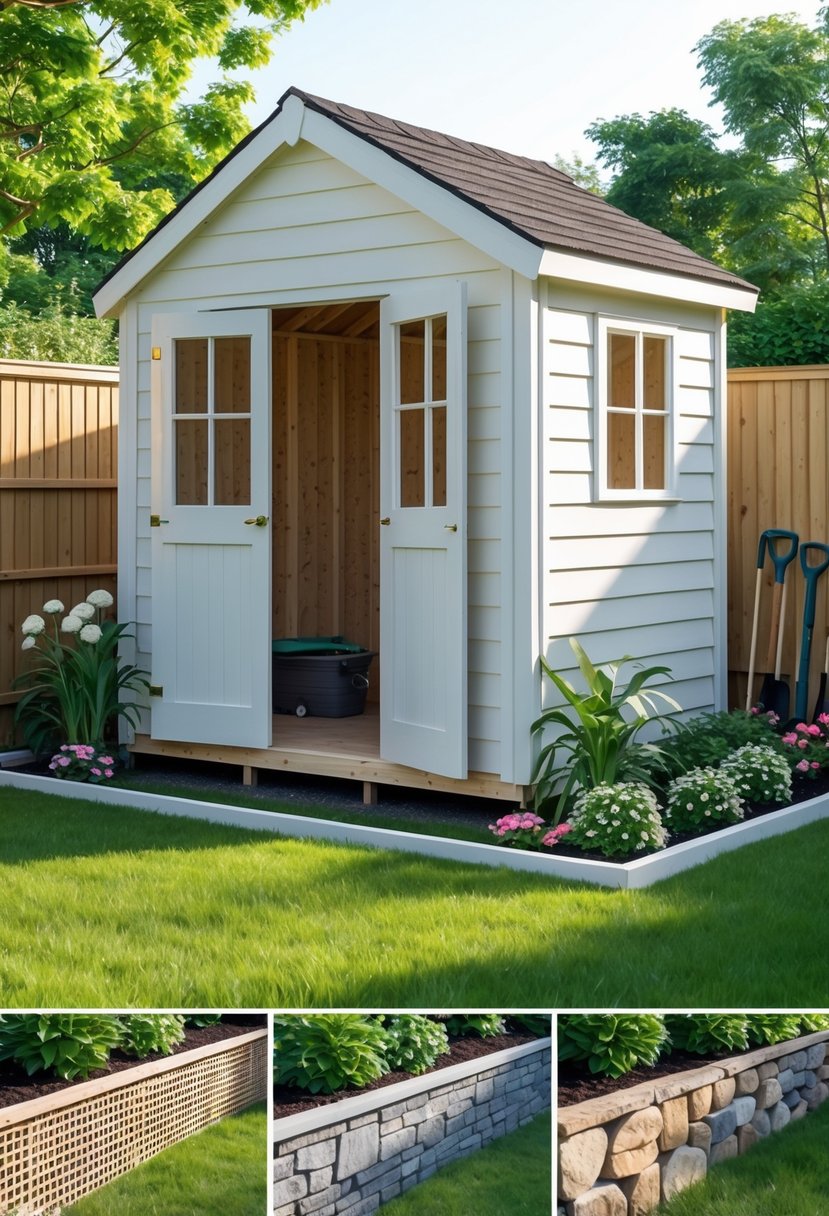
Skirting around your shed also helps with airflow and keeps moisture problems at bay. That means your shed stays in better shape for longer.
You don’t need to be a pro to add skirting. There are plenty of easy, affordable options that fit different styles and needs.
1) White lattice panels for a classic airy look
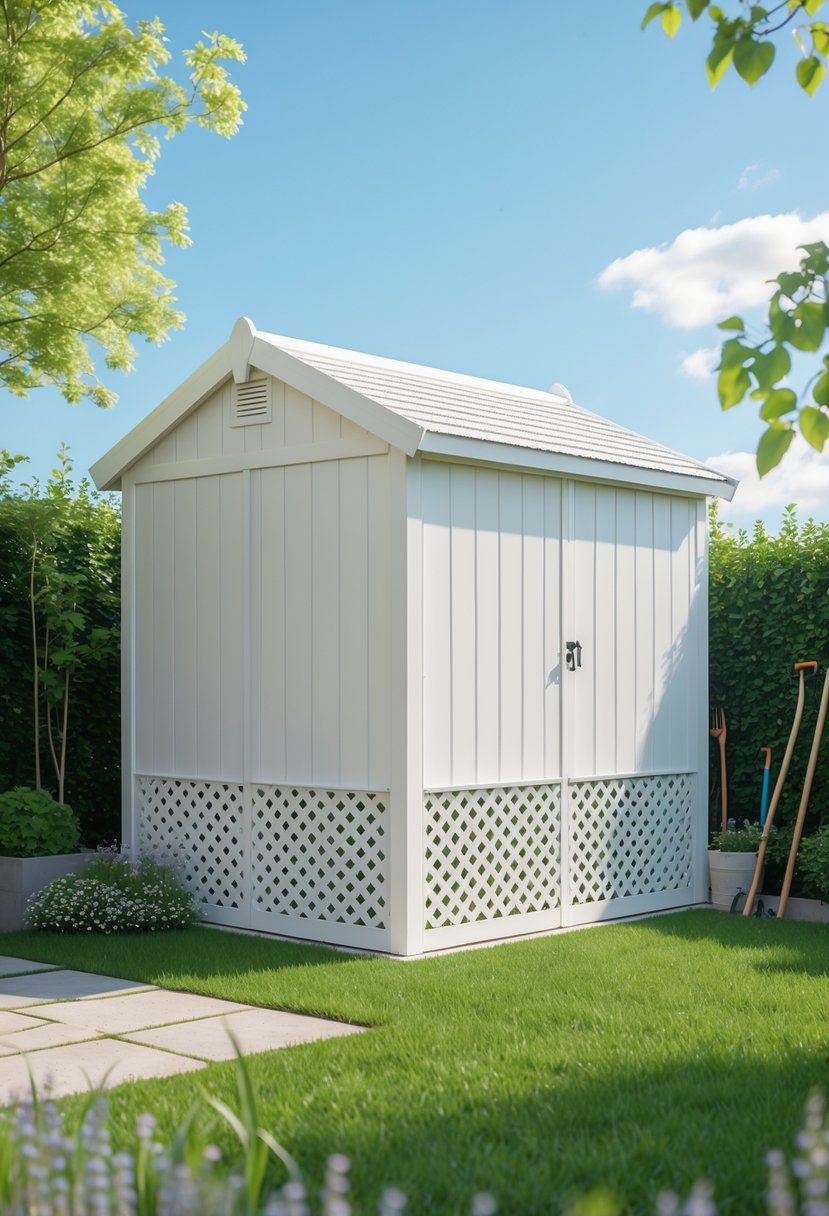
White lattice panels give your garden shed a clean, fresh style. They let air move freely, so the area under your shed stays dry.
You can use them to cover the base while still keeping things light and open. The white color fits with most garden styles and gives a timeless charm.
These panels are a breeze to install, and you can always paint them later if you want a change. White lattice keeps your shed looking neat without making it feel boxed in.
Curious about more ways to use lattice? Take a look at classic white porch lattice panels.
2) Vinyl skirting for low maintenance and durability
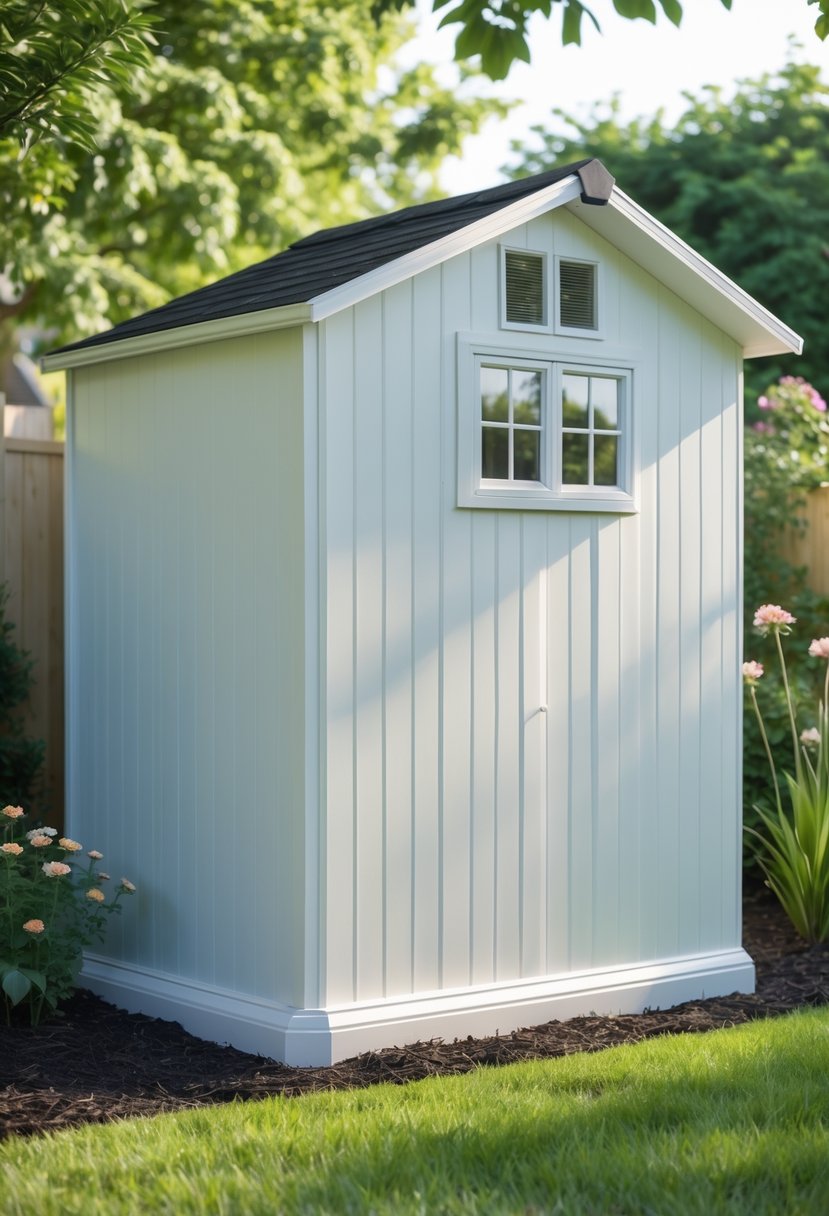
If you want skirting that lasts and doesn’t need much attention, vinyl is a solid choice. It stands up to weather and doesn’t rot or rust like some other options.
Cleaning vinyl skirting is simple—just hose it down now and then. It keeps your shed looking tidy with almost no work.
Vinyl is lightweight and easy to install, so you can probably set it up yourself without much hassle. For more vinyl lattice skirting ideas, check out vinyl lattice skirting options.
3) Faux stone panels to add a rustic charm
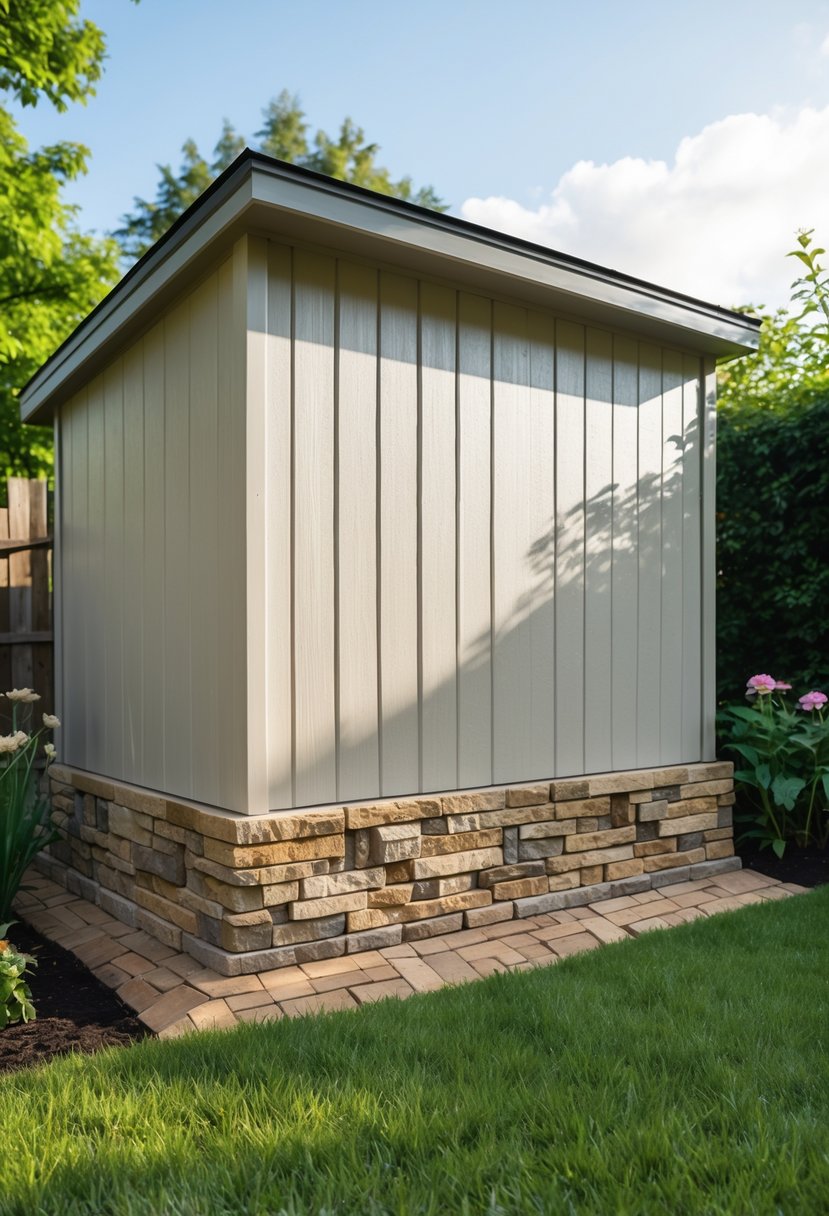
Faux stone panels can give your shed a warm, natural vibe. They look like real stone but are lighter and much easier to work with.
You just measure, cut, and attach them to your shed’s base—no heavy lifting or special tools needed. Faux stone adds texture and character without the high price tag or weight of real stone.
These panels last longer than wood or vinyl and need less upkeep. If you want a rustic style that stands out, this option is worth a look. Learn more about faux stone for sheds at GenStone.
4) Wooden slat skirting painted in garden green

Wooden slats can give your shed a fresh, natural look. Paint them garden green and your shed blends right in with the plants.
This skirting is easy to put up since the slats are lightweight and simple to attach. You can stain or repaint them whenever you want a new look.
Wood is eco-friendly and fits right in outdoors. It protects the base and adds a neat, clean touch to your garden. See more wooden skirting ideas here.
5) Decorative metal vents for style and airflow

Add decorative metal vents to your shed skirting for both style and function. These vents let air flow, which helps prevent moisture under your shed.
You can pick from brass, cast iron, or stainless steel, depending on your style. The right design can really dress up your shed.
Vents also help keep pests out while letting your shed breathe. It’s a simple upgrade that looks good and keeps things dry. See more about decorative vents here.
6) Brick veneer skirting for a sturdy base
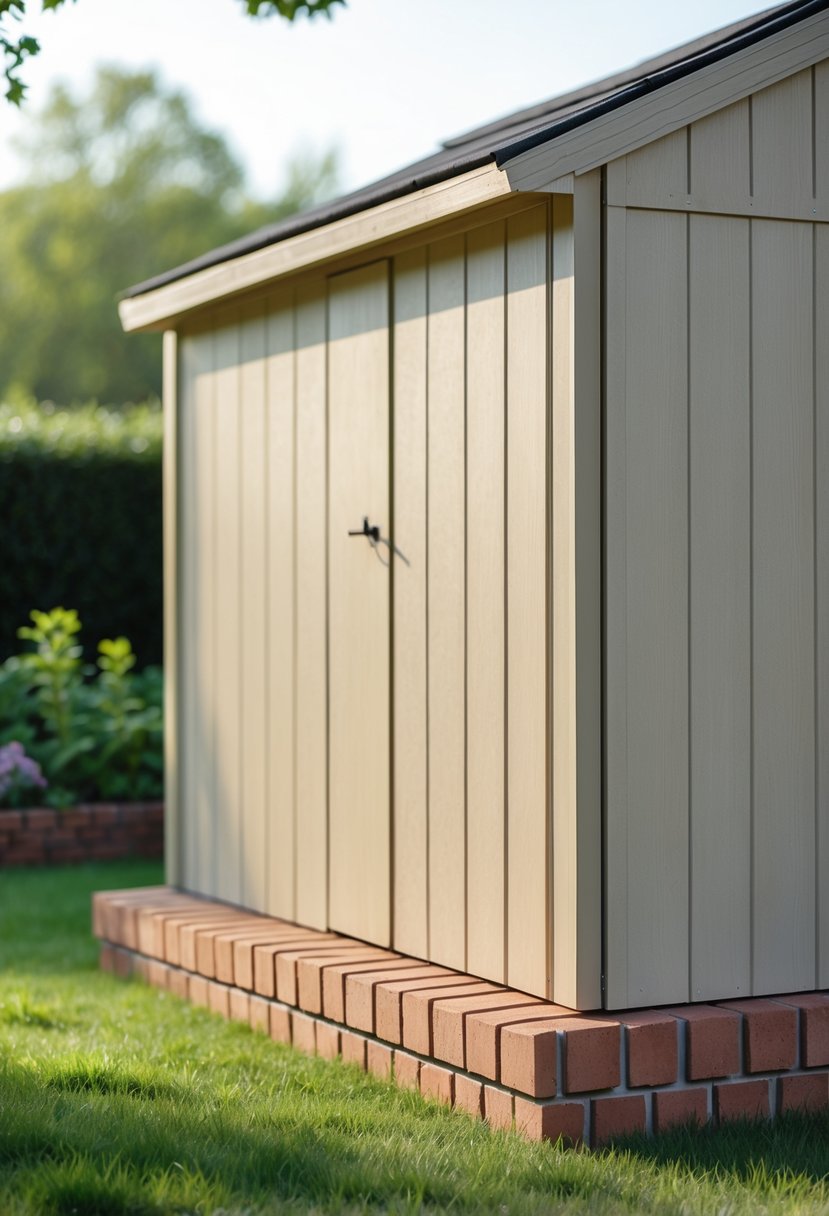
Brick veneer skirting gives your shed a solid, finished look. It works with lots of outdoor styles and feels sturdy.
You don’t have to build a real brick wall—the veneer is lighter and much easier to install. It blocks gaps under the shed, so critters can’t get in.
This type of skirting can help protect your shed from pests and weather. If you want a strong, low-maintenance choice, brick veneer is worth considering. For more info, check brick skirting options for sheds.
7) Recycled pallet wood for an eco-friendly option

Recycled pallet wood makes a green, budget-friendly shed skirting. You can often find pallets for free at hardware stores or warehouses.
Check the pallets for safety so you don’t end up with wood treated with chemicals. Pallet wood gives your shed a rustic look and helps cut down on waste.
A bit of sanding and paint can make the skirting look neat and last longer. This option lets you get creative and use old materials in a smart way. For pallet garden ideas, see creative uses of recycled wood pallets.
8) PVC lattice skirting for easy cleaning

PVC lattice skirting is a great pick if you want something that’s low maintenance. It’s lightweight and doesn’t rot or warp like wood.
You can wash dirt off with just a hose or a soft brush. That keeps your shed looking fresh with almost no effort.
PVC lattice comes in lots of styles and colors, so you can match your shed easily. It lets air flow while keeping pests out.
If you want a clean, simple look that’s easy to care for, PVC lattice skirting is a solid bet. Learn more about vinyl lattice options here.
9) Barnwood planks for a vintage vibe

Barnwood planks can give your shed a cool vintage look. These planks usually come from old barns, so they have a lot of character.
If you want a rustic style without much effort, barnwood is perfect. The texture and color changes in the wood really stand out.
Using barnwood is eco-friendly, too, since you’re reusing old materials. Find more ideas for barnwood sheds in Barnwood Farm Vintage Shed ideas.
10) Cedar board skirting that naturally resists rot

If you want skirting that lasts, cedar boards are a smart move. Cedar naturally resists rot, so it handles wet conditions better than other woods.
Try installing narrow cedar boards vertically for a clean, simple look. This style helps with ventilation, too.
Cedar’s natural oils keep bugs away, so you don’t need extra treatments. It ages nicely, giving your shed a warm, rustic feel over time.
This skirting is easy to work with even if you’re new to DIY. It adds both function and charm to your shed.
For more cedar skirting ideas, see mobile home cedar skirting ideas.
11) Wire mesh skirting to keep critters out

Wire mesh is a great way to keep animals from sneaking under your shed. Pick a mesh with small holes to block pests like rodents or raccoons.
Bend the wire mesh under the shed base so animals can’t push or dig their way in. Skip the chicken wire—it isn’t strong enough.
Instead, go for hardwire fencing for better protection. This method lets air flow around your shed while still keeping critters out.
For more tips, check this guide on animal-proofing your shed.
12) Vertical shiplap boards painted white

Vertical shiplap boards make great skirting for your shed. They offer a clean, neat look that works with lots of styles.
Paint them white to brighten up the area and make your shed pop. The subtle lines between the boards add a bit of texture.
Vertical shiplap is pretty easy to install and gives a polished finish. Want more ideas? Check out this vertical shiplap wall ideas guide.
13) Gabion garden stone baskets as skirting

Gabion baskets packed with stones give your garden shed skirting a sturdy, stylish vibe. Just stack these wire cages around your shed’s base—super simple.
They create a natural look and help keep pests and moisture out from under the shed. You get a modern touch, and honestly, it doesn’t take much effort.
Gabions are low maintenance. You don’t have to worry about painting or rot like with wood.
If you’re curious, check out some creative ways to use gabion baskets in your garden.
14) Corrugated metal sheets for industrial feel

Corrugated metal sheets give your garden shed a cool, industrial edge. The ridges add texture and hide any rough spots at the base.
These sheets hold up well in all weather, so your shed stays protected from moisture and dirt. Even if you’re new to DIY projects, you’ll find them easy to cut and install.
There are plenty of ideas out there for using corrugated metal as skirting. If you want a tough, modern finish that sticks around, this is a smart pick.
15) Fretwork panels with floral cutouts

Fretwork panels with floral cutouts bring a bit of charm to your garden shed. They give an airy, light look while still finishing off the shed’s base.
Pick wood or PVC panels, depending on your budget and style. The floral patterns add a nice, natural vibe that works in any garden.
Install fretwork panels easily, and they’ll hide the gap under your shed. You get both style and function.
Want inspiration? See floral fretwork designs here.
16) Concrete block painted in shed colors

Concrete blocks make a solid, lasting base for shed skirting. They keep dirt and pests away from your shed’s bottom.
Paint the blocks to match your shed, and they’ll blend right in. The look stays neat and doesn’t call too much attention.
Concrete takes some effort to set up, but it’s really stable. If you like simple and strong, painted concrete blocks work well. More ideas? Check out this creative shed skirting ideas page.
17) Stacked river rocks for natural texture

Stacked river rocks bring a natural look to your shed skirting. The smooth stones fit together and make a textured base that feels earthy and laid-back.
Arranging river rocks is easy, and you barely need to maintain them. The mix of shapes and colors gives your shed a cozy, unique touch.
River rocks last a long time and keep moisture away from your shed. They look great with plants or garden paths too. Want more ideas? See river rock landscaping ideas.
18) Bamboo fencing wrapped around the base

Wrap bamboo fencing around your shed’s base for a natural, laid-back look. It blends right in with your plants and yard.
Bamboo is strong yet lightweight, so you can cut and shape it around uneven edges. It does a nice job hiding gaps under the shed.
This option gives your shed a simple, eco-friendly feel. It also keeps out animals and debris. More ideas? Check out bamboo fence ideas for inspiration.
19) Garden trellis panels with climbing vines

Use garden trellis panels for shed skirting to add both charm and function. Attach the panels around the base to cover those unsightly gaps.
Pick climbing vines like ivy or morning glories. As they grow, they soften the shed’s look with natural greenery.
Trellis panels keep air flowing underneath, which helps prevent moisture. They make your shed look fresh and welcoming. For more, check out DIY trellis wall ideas.
20) Horizontal wooden slats for modern appeal

Horizontal wooden slats give your shed a crisp, modern feel. Place the slats side by side for clean, straight lines.
This style looks simple but stylish and hides gaps under your shed. It’s honestly a favorite for a reason.
Pick wood that matches or complements your shed for a connected look. Horizontal slats are straightforward to install and easy to keep up.
Want more sleek ideas? Check horizontal deck skirting ideas.
21) Natural log slices attached horizontally

Natural log slices make for a unique shed skirting. Attach thin slices horizontally for a rustic, woodsy style.
This method is pretty straightforward and lets the wood’s natural texture shine. Just cut the logs into slices and secure them with nails or screws.
Log slices hide gaps and keep the area ventilated. It’s a fun way to add charm without breaking the bank. For tips, see using logs for garden edging.
22) Painted plywood with cutout patterns

Painted plywood with cutout patterns can really brighten your garden shed. This kind of skirting adds color and personality to the base.
Pick simple shapes like leaves or geometric designs for the cutouts. Paint the plywood to match your shed for a neat, finished look.
This is a budget-friendly, easy-to-customize option. Need ideas? Look up creative painted plywood skirting with cutouts for inspiration.
You’ll find more tips and examples of painted plywood skirting out there.
23) Stone veneer tiles for a sophisticated base

Stone veneer tiles give your shed a stylish, finished look. These tiles are thin and light, so they’re easier to handle than real stone.
You can choose from lots of colors and textures to fit your shed’s vibe. They create a clean base that hides gaps and protects the bottom.
Even beginners can install stone veneer tiles without heavy tools. They add a classy touch and don’t require much experience. For more ideas, browse stone veneer options online.
24) Interlocking plastic panels for easy install

Interlocking plastic panels let you skirt your shed in no time. Snap the panels together—super easy, even if DIY isn’t your thing.
They’re lightweight and won’t drag your shed down. Plus, they resist moisture and avoid the rot that can happen with wood.
With different styles and colors, you can match your shed easily. They also keep pests out while letting air flow underneath.
For more tips, check out easy plastic shed skirting ideas.
25) Green artificial hedge panels as skirting

Green artificial hedge panels make for easy, neat shed skirting. They look natural but don’t need any of the work real plants do.
Just attach the panels snugly around the base of your shed. They cover gaps and keep pests out.
Since they don’t need water or sunlight, they stay green all year. That’s a win for anyone who wants low-maintenance skirting with a tidy look.
Want to try it? Here’s a simple guide for a green wall with artificial hedge.
Benefits of Adding Skirting to Your Garden Shed
Skirting does more than just make your shed look good. It also keeps pests away, helps with insulation, and gives your shed a tidier, finished appearance.
These perks protect your shed and make it more useful all year.
Pest Prevention Advantages
When you add skirting, you close off gaps that mice, snakes, and bugs use to sneak inside. This protects your tools and anything else you store.
You can use materials like brick, vinyl, or chicken wire to block pests. Some options let air flow but still keep critters from nesting under your shed.
By keeping pests out, you cut down on damage and keep the area cleaner and safer.
Improved Shed Insulation
Skirting blocks cold wind, rain, and snow from sneaking under your shed. That way, the inside stays warmer when it’s cold out and cooler when summer hits.
A sealed base keeps moisture from building up underneath. This helps stop wood rot and rust, so your shed’s structure lasts longer.
Try using pressure-treated lumber or vinyl for extra insulation. You’ll protect your stored stuff from those annoying temperature swings.
Enhanced Visual Appeal
Skirting gives your shed a more finished, polished look. It hides uneven ground or gaps at the bottom, so the shed fits in better with your yard.
You can pick skirting materials and styles that either match or contrast with your shed’s color and design. Lattice or natural stone, for example, easily add a bit of charm and personality.
A tidy, good-looking shed really lifts your whole garden’s vibe. It shows you pay attention to the little things in your outdoor space.
Need some creative inspiration? Check out these garden shed skirting ideas.
Choosing Materials for Shed Skirting
Choosing the right shed skirting material actually matters more than you might think. You want something that keeps out pests, lasts, and looks decent—while not breaking the bank or being a nightmare to install.
Durable vs. Decorative Options
If you want durability, pressure-treated lumber, brick, or vinyl siding all work well. These materials handle rough weather and stop pests like mice or squirrels from getting under your shed. They don’t need much upkeep, either, which is honestly a relief.
Decorative options, like lattice panels or faux stone, offer a softer, more stylish look. They still cover the base but might not last as long or keep out critters quite as well. Really, it depends on whether you want a stronger barrier or just a nice-looking finish.
Budget-Friendly Skirting Materials
Trying to save some cash? Chicken wire or plain wooden planks might do the trick for shed skirting. Chicken wire costs very little and lets air move through, though you’ll probably want to reinforce it if you’re worried about bigger critters slipping in.
Wood is another wallet-friendly option, and you can install it pretty easily—especially if you have extra lumber or even a few old pallets lying around. Vinyl skirting sits somewhere in the middle when it comes to price and durability, so it’s not a bad compromise.
Here’s a quick table for comparison:
| Material | Cost | Durability | Pest Protection | Appearance |
|---|---|---|---|---|
| Pressure-treated wood | Medium | High | High | Natural, sturdy |
| Brick | High | Very high | Very high | Solid, classic |
| Vinyl siding | Medium | Medium to high | Medium | Clean, modern |
| Lattice panels | Medium | Medium | Low to medium | Decorative |
| Chicken wire | Low | Low | Low to medium | Basic |
You can weigh your options and pick what makes sense for your wallet—and your shed. If you want to dig deeper, check out this guide on shed skirting materials.


