

Quick Garden Ideas Cheap DIY: 25 Easy and Affordable Projects for Your Outdoor Space
Want to spruce up your garden without blowing your budget? Quick garden ideas can totally help. You don’t need to wait around for a big overhaul or learn fancy skills to refresh your outdoor space.
A couple of simple changes can honestly make a huge difference, and you’ll see results fast.
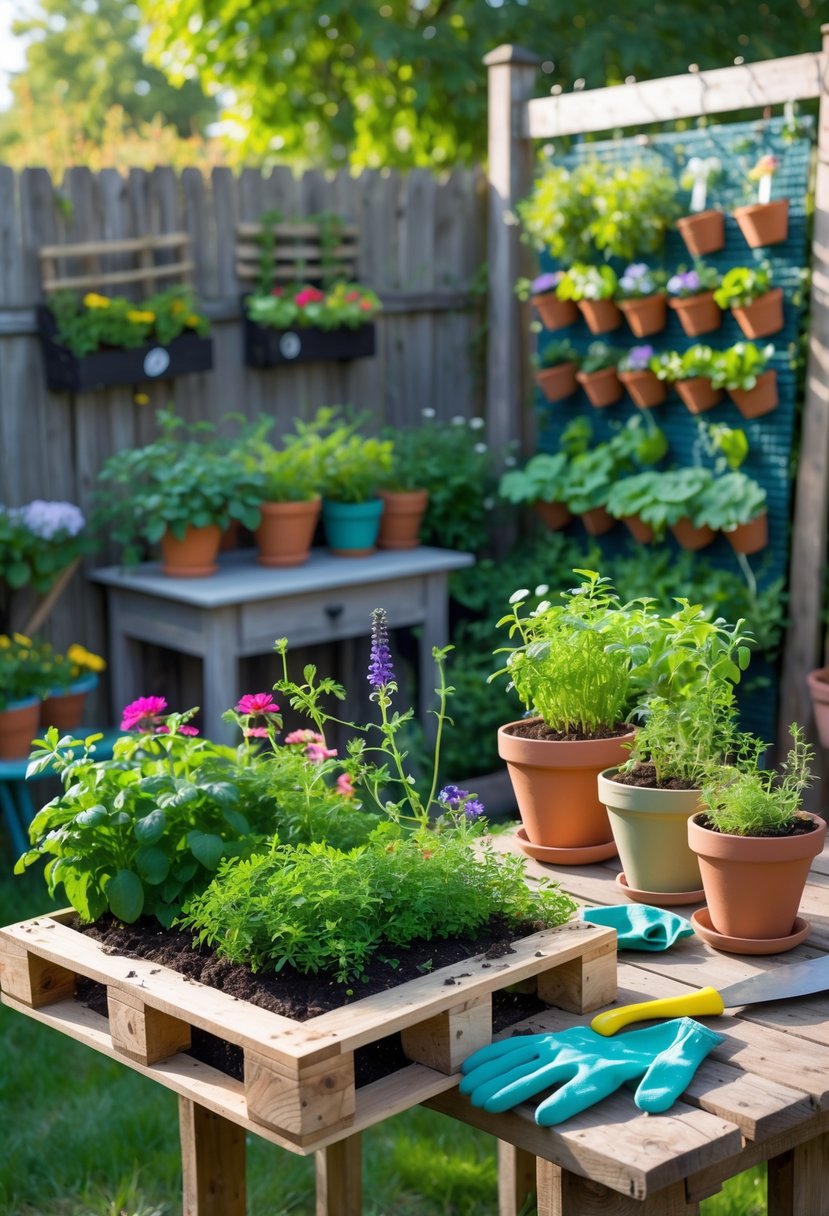
Quick and cheap DIY garden ideas offer easy ways to upgrade your garden using stuff you already have or can grab for next to nothing. If you want to enjoy your garden sooner rather than later, these ideas are a perfect fit.
1) Build a raised garden bed from reclaimed wood

Save yourself some cash by building a raised garden bed with reclaimed wood. Hunt for old pallets, leftover lumber, or scraps from previous projects.
This wood gives your garden a rustic, eco-friendly vibe. Start by measuring your space and cutting the wood to size. Stack and secure it with screws or nails.
Fill it with fresh soil and get planting. Using reclaimed wood is both cheap and green.
For more inspiration, take a peek at this guide on building raised garden beds with recycled materials.
2) Create vertical gardens with hanging shoe organizers

Turn a hanging shoe organizer into a vertical garden in no time. Just fill the pockets with soil and add your favorite herbs, flowers, or maybe even small veggies.
This trick saves space, especially if you live in a tiny apartment. Hanging shoe organizers are cheap and super easy to use.
Hang them on a wall, fence, or even a balcony railing. You’ll have plants growing even if you barely have outdoor space.
Need more tips? Check out this guide on shoe organizer gardens.
3) Use old tires as colorful planters

Old tires can become bright, cheerful planters for your garden. Clean the tire well, then paint it with your favorite colors.
It’s a fun way to add personality to your outdoor space without spending much. Tires hold soil well and last a long time, making them perfect for flowers or small plants.
You can stack them or hang them up to save space. Looking for more ideas? Check out these 10 DIY Tyre Planter Ideas for inspiration.
This is a simple project anyone can tackle.
4) Make a pallet herb garden for small spaces

If you’re short on space, a pallet herb garden just makes sense. Grab an old wooden pallet and set up a vertical garden for your balcony or patio.
This project is budget-friendly and pretty straightforward. Attach small containers or pockets to the pallet so you can hold soil and herbs.
Now you’ve got fresh herbs right outside your door. It adds a little green charm too.
See how to build one with this easy DIY pallet herb garden guide.
5) Transform broken pots into fairy garden scenes

Don’t toss those broken pots—turn them into fairy gardens instead. Use moss, succulents, and tiny fairy figurines to create a magical mini garden.
Arrange the broken pieces to form steps or little layers. It gives your garden a bit of depth and looks more interesting.
This idea lets you reuse damaged pots instead of throwing them away. It’s cheap and adds a playful touch to your outdoor space.
For easy guides, check out broken pot fairy garden ideas for beginners.
6) DIY plant markers with chalkboard paint

Make your own plant markers with chalkboard paint. Grab wooden stir sticks or small stakes from the hardware store.
Paint them with chalkboard paint and let them dry. Write your plant names with chalk or a chalk marker.
You can erase and update them as your garden changes. They add a cute, handmade vibe to your garden.
Check out more chalkboard plant marker ideas here.
7) Upcycle tin cans into seed starters

Turn old tin cans into seed starters with barely any effort. Clean the cans and poke holes in the bottom for drainage.
Tin cans are sturdy and keep soil moist, which helps your seeds grow strong. Paint or decorate them if you want to add some color.
You’ll save money and cut down on waste. It’s a simple way to start seeds indoors before moving them outside.
Get more ideas for DIY planters from upcycled tin cans.
8) Construct a garden path with found stones

Gather stones from your yard or nearby to create a garden path. Pick flat stones that are comfortable to walk on and place them evenly.
Lay the stones right on the soil or use a bit of sand to even things out. It’s a natural, budget-friendly walkway.
Using found stones adds charm and lasts a long time. For more inspiration, check out cheap DIY stone path tips here.
9) Grow vegetables from kitchen scraps

Start a garden with scraps from your kitchen. Onion ends, celery bases, and even potato eyes can grow into new vegetables.
You’ll save money since you don’t need to buy seeds or seedlings. Plus, it’s a fun way to cut down on food waste.
All you need is a bit of water, some sunlight, and a little patience. Leftovers can turn into fresh produce with just a few easy steps.
Learn how to regrow food from scraps with guides like this budget-friendly vegetable garden idea.
10) Install a rainwater collection system with barrels

Start saving water and money by collecting rain in barrels. It’s a simple, cheap DIY project that keeps your garden watered.
Place barrels under your roof’s downspouts and add a screen on top to block leaves and bugs. Rainwater is great for plants since it doesn’t have the chemicals found in tap water.
If you want to build your own system, try this DIY rain barrel system guide. It only takes a few hours, and you’ll use water more wisely.
11) Use wine crates for tiered garden shelves

Turn old wine crates into tiered garden shelves by stacking and securing them. It’s a quick way to create different levels for your plants.
This saves space and brings a rustic look to your garden or balcony. Wine crates are cheap—or sometimes free—so it’s a budget win.
The open sides help with airflow and drainage, which your plants will appreciate. Check out how to build a wine box planter from old crates if you want more tips.
12) Turn plastic bottles into self-watering planters

Make your own self-watering planters with old plastic bottles. Cut the bottle in half, flip the top part upside down, and use it as a funnel with a wick to draw water from the bottom.
These planters save you time and water—super handy if you sometimes forget to water your plants. Plus, it’s a smart way to reuse bottles instead of tossing them.
Want to try it? Find step-by-step ideas on sites like simplifyplants.com.
13) Build a simple trellis from bamboo poles

It’s surprisingly easy to make a garden trellis with bamboo poles. Bamboo’s affordable, sturdy, and super light, so you can move it around without breaking a sweat.
Just tie the poles together with garden wire or twine to make a grid or a simple frame. You won’t need any fancy tools for this.
Your vines will love climbing up this trellis and it’ll keep them healthier. Plus, bamboo looks pretty natural and blends in with almost any garden vibe.
If you want a step-by-step walkthrough, check out this DIY bamboo trellis tutorial.
14) Make a cold frame from old windows

Old windows can turn into a handy cold frame for your garden. Build a wooden box and set the window on top like a lid—sunlight gets in, cold air stays out.
Cold frames let you grow veggies longer and start seedlings earlier in spring. They’re cheap, easy, and a good way to use up old windows.
You can size this project for any garden, big or small. If you want more details, check out this guide to building a cold frame from old windows.
15) Create moss art on garden walls

Bring a bit of nature to your garden walls with some moss art. Moss barely needs any care and gives walls a soft, green look that’s hard to beat.
Pick a clean wall, grab some moss, a blender, buttermilk, and a brush. Blend the moss and buttermilk until you get a thick, paint-like mix.
Brush or splatter it on your wall however you want. Keep the wall damp, and before long you’ll have a living piece of art that slowly grows and changes.
Want more ideas? Here’s a DIY moss wall art guide that’s actually pretty fun.
16) Set up a compost bin from pallets

Grab four old pallets and stand them upright to form a square, then secure them together. Now you’ve got a quick compost bin for yard waste and kitchen scraps.
Pallet bins are cheap and let air flow through, so your compost breaks down faster. You can find step-by-step instructions in this pallet compost bin guide.
Reusing pallets is eco-friendly and helps you cut down on waste. It’s a win-win for your garden and the planet.
17) Decorate planters with mosaic tile pieces

Brighten up your garden by adding mosaic tiles to your planters. Gather broken tiles, old plates, or even glass to make a colorful design.
Cover plain pots—terracotta or plastic both work—to give them a fresh look without spending much. It’s a simple project and lets your style shine.
This is also a great way to recycle old materials. If you want some inspiration, check out these DIY mosaic garden decorations.
18) Use egg cartons for seed germination

Egg cartons make fantastic seed starters. They’re cheap, biodegradable, and you probably already have some in the kitchen.
Just fill each cup with soil and drop in a seed. When the seedlings are ready, cut the sections apart and pop them right into your garden.
It’s a clever way to recycle and a fun project for kids. For more tips, check out this egg carton seed tray guide.
19) Paint terracotta pots with bright patterns

Grab a few terracotta pots and splash on some color with acrylic paint. Go for stripes, dots, zigzags—whatever makes you smile.
Don’t stress about making it perfect. Even simple, rough designs look cool, and you can use stencils if you want clean shapes.
Once you finish painting, seal the pots so your work survives the weather. For more ideas, here’s a handy painting terracotta pots guide.
20) Craft garden wind chimes from old cutlery

Turn old forks, spoons, and knives into wind chimes for your garden. You just need some string or wire and a bit of patience.
Tie the cutlery at different lengths so they clink together in the breeze. The sound is soft and surprisingly pleasant.
It’s a creative way to reuse old stuff and add a musical touch outdoors. If you want more tips, check this wind chime DIY guide and more garden decor ideas.
21) Install solar garden lights made from jars
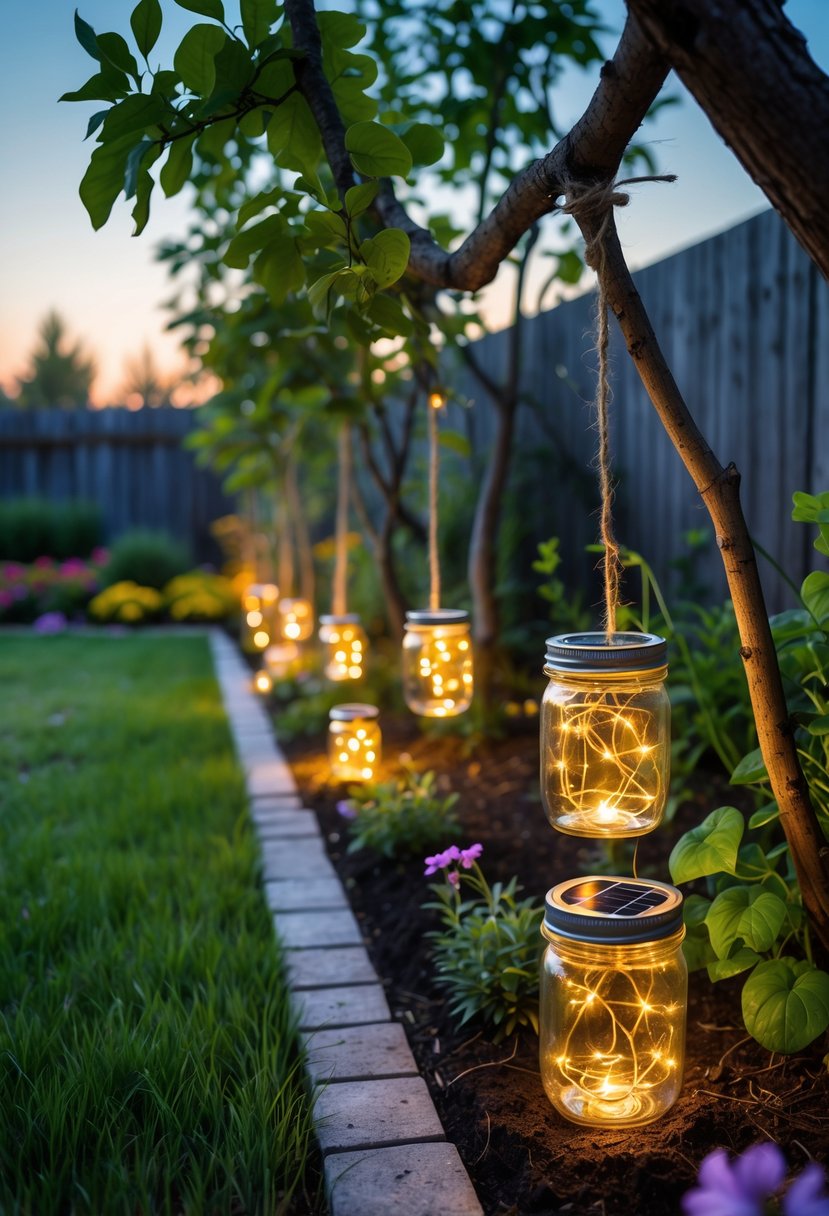
Make your garden glow using jars and solar lights. Pop a small solar LED into a clean glass jar and you’ve got a cute lantern.
You can hang these from branches or set them along a path for cozy, eco-friendly lighting. Just make sure the jars are sealed or use waterproof lights if you’re worried about rain.
This project won’t break the bank and adds a magical touch at night. For more inspiration, check out these DIY solar light garden hacks.
22) Make a bird feeder from pine cones and peanut butter

Grab a big pine cone and slather it with creamy peanut butter. Roll it in birdseed until it’s fully coated.
Tie a string to the top and hang it from a branch in your garden. Birds will flock to it, and you get a quick, cheap feeder in minutes.
If you want step-by-step instructions, check out this pine cone bird feeder guide.
23) Plant a butterfly garden with native flowers

Fill your garden with native flowers to attract butterflies and make a butterfly garden. Native plants need less fuss and bring in local butterflies naturally.
Pick flowers that offer nectar and host plants for caterpillars to support the butterfly life cycle. Skip the pesticides to keep your garden safe for pollinators.
Mix up flower heights and types so butterflies find plenty of spots to rest and feed. If you want more tips, check out creating a butterfly garden with native plants.
24) Use an old ladder as a plant stand

Dust off that old ladder and use it as a plant stand. Lean it against a wall or fence and you’ve got instant vertical shelves for your pots.
Stack pots of different sizes on each step to show off your collection. If the ladder’s a bit rough, fix it up before you use it.
It’s a stylish, budget-friendly way to add some charm to your garden or patio. Curious how to do it? Here’s a DIY tiered plant stand guide.
25) Create a sunflower teepee for kids
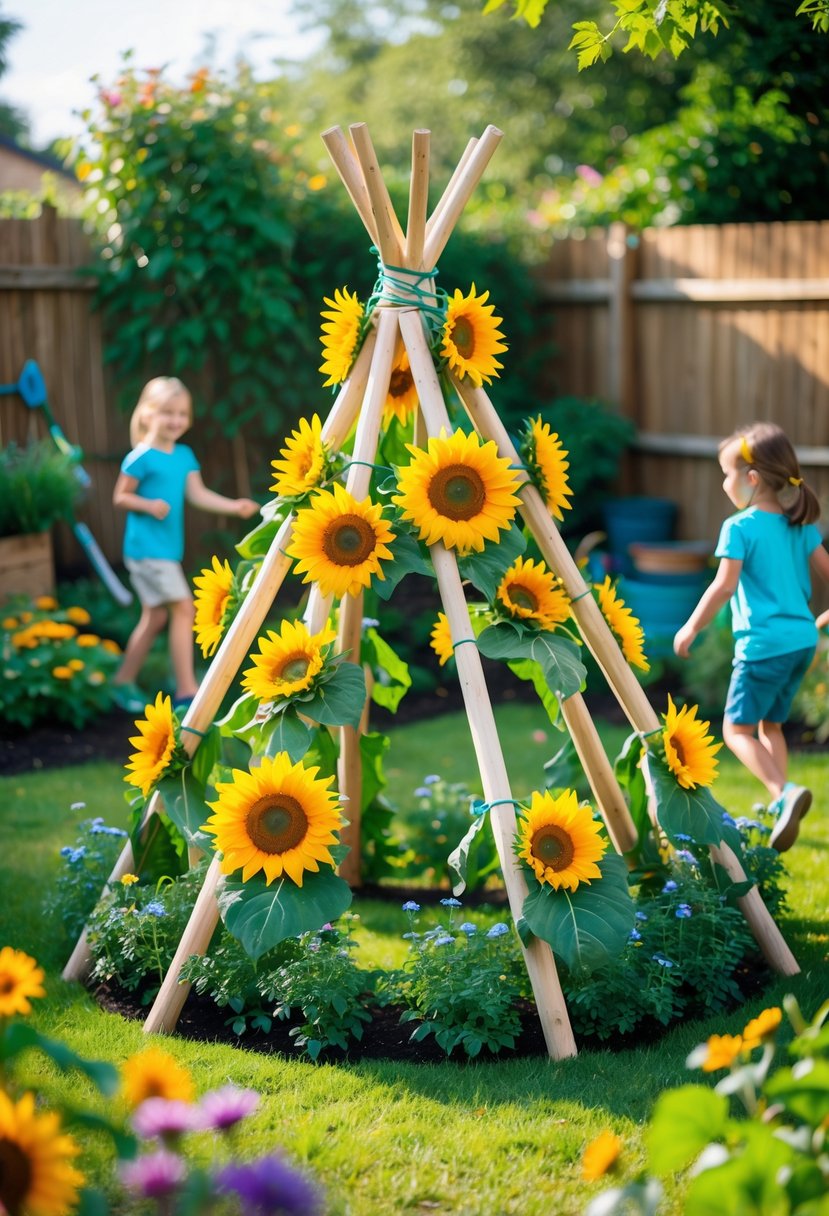
Plant tall mammoth sunflowers in a circle to make a sunflower teepee. As they grow, they’ll form a shady, leafy hideout.
Kids love playing and learning in their own secret garden spot. It’s a simple, creative way to make gardening more fun for the whole family.
If you want a how-to, check out this guide at flowergardennews.com. Your kids might just claim this teepee as their favorite place in the yard.
Why Quick Garden Changes Matter
Making small, fast updates to your garden can brighten the space and make it feel more inviting.
These little changes help you enjoy your outdoor area sooner, and honestly, you don’t have to spend much to see a difference.
Benefits of Fast DIY Updates
When you try quick DIY garden fixes, you see results fast.
That quick payoff keeps you motivated to care for your space more often.
Sometimes, just adding a couple of colorful pots or planting some easy flowers can change the whole vibe in a day or two.
You can tackle simple projects like building a small planter or laying down a pebble path.
You don’t need fancy tools or a ton of skills for that.
It saves you time, and you don’t have to wait months to see your hard work pay off.
If you only have a little free time each week, these fast updates fit right in.
Affordable Ways to Boost Curb Appeal
You don’t have to spend a ton to boost your garden’s curb appeal.
Try using recycled materials like old crates or tires to make shelves or planters—it costs almost nothing and actually looks pretty cool.
Just adding a fresh layer of mulch or moving a few pots around can make your garden look tidier and more cared for.
Smart planting helps, too.
Pick plants that grow quickly and fill empty spots fast, like marigolds or herbs.
If you add a few solar-powered lights, you can brighten your walkways and show off new additions—no extra electric bill, either.
Want more ideas that don’t break the bank? Check out cheap DIY garden projects that transform your yard for under $20.
Mistakes To Avoid With Cheap DIY Garden Ideas
When you’re working on a budget-friendly garden project, small details can save you time and money—or, honestly, waste it if you’re not careful.
Paying attention to the ground and noticing how sunlight hits your space can totally change how well your DIY garden turns out.
Overlooking Soil Preparation
Good soil makes all the difference in a healthy garden.
If you skip soil preparation, your plants might struggle, even if everything else looks perfect.
Start by testing the soil for nutrients and pH.
Add compost or organic matter to improve texture and richness.
That way, your plants actually get the water and nutrients they need.
Don’t pack the soil too tightly.
Loosen it up with a garden fork so roots can spread out.
If you ignore soil quality, you might end up wasting money on plants that just don’t make it.
So, taking a little time to prep the soil helps cheap plants and materials work better and saves you from constant replacements.
Ignoring Sun and Shade Patterns
Your garden’s sunlight exposure really shapes what’ll thrive out there. If you don’t pay attention to where the sun and shade actually fall, you might end up with scorched plants or sad, stunted ones.
Take a walk around your garden at different times of the day. See which spots soak up the sun and which corners stay shady the longest.
Let that guide your plant choices. Got a patch that bakes in the sun? Go for veggies or flowers that love the heat. If you’ve got a spot that barely gets any light, stick with shade-loving varieties or you’ll just waste money on plants that won’t make it.
Don’t forget about trees and buildings nearby—they can shift the sunlight as the seasons change. It’s a bit of a puzzle, but planning for this now means your garden stands a better chance, even if you’re on a tight budget.
If you’re curious about more ways to dodge expensive mistakes, check out Simple DIY Landscaping for extra tips.


