

Low-Maintenance Garden Ideas Cheap DIY for Easy and Affordable Outdoor Spaces
You don’t need a big budget or endless free time to create a beautiful garden. Whether you’re working with a sprawling backyard or just a tiny porch, you can make your outdoor space inviting without breaking the bank—or your back.
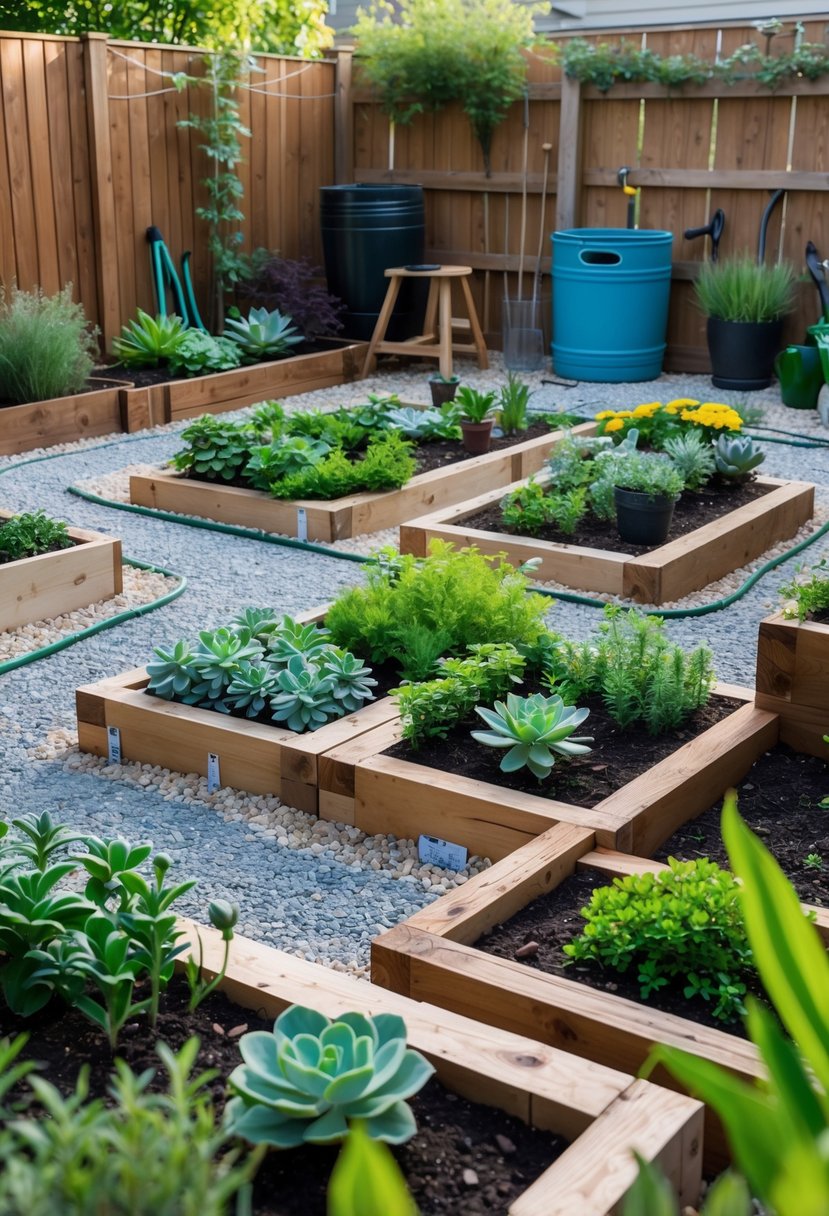
Low-maintenance garden ideas you can tackle yourself really take the pressure off. You still get a space that’s lovely and relaxing, but you don’t have to spend your weekends weeding or trimming nonstop.
1) Use native drought-tolerant plants
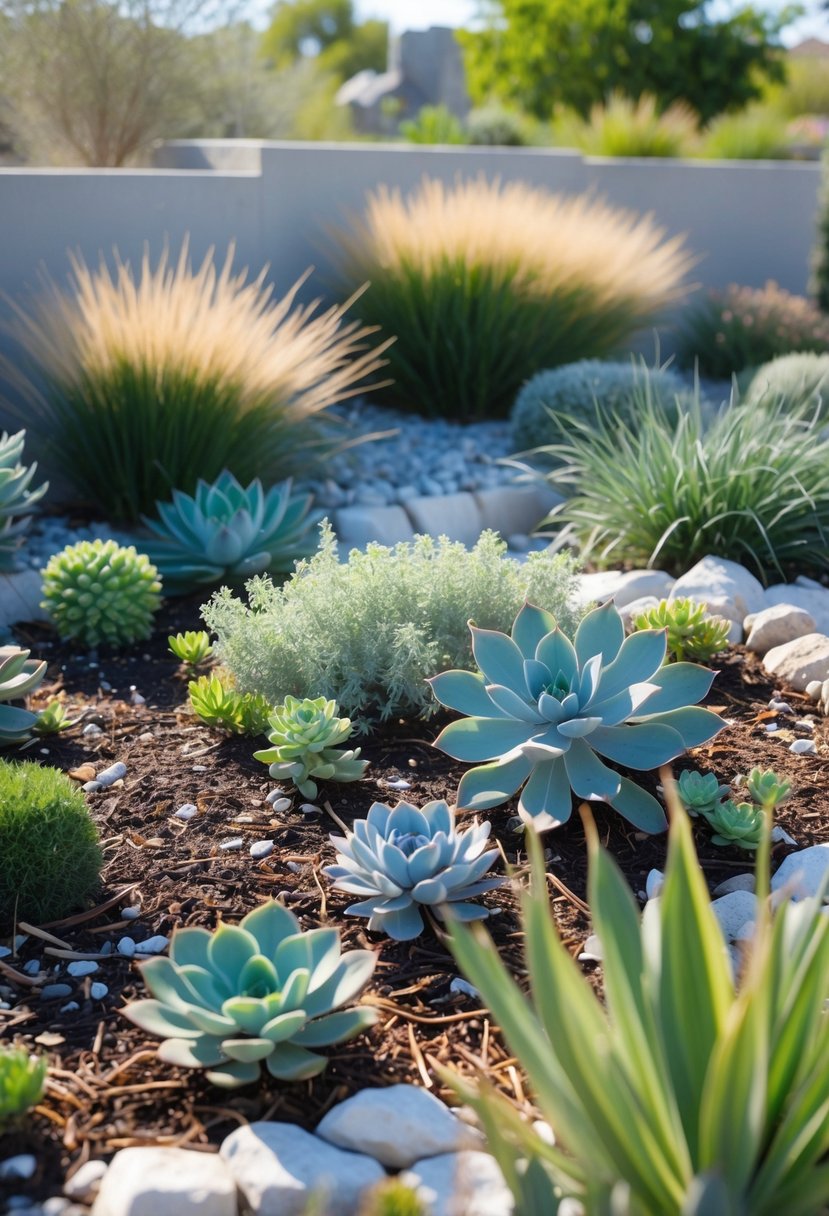
Try native drought-tolerant plants to save water and cut down on chores. These tough guys already know how to handle your local weather, so they won’t need much extra water or fussing.
They also attract bees and butterflies, which is always a win. You can find plenty of options that look good and don’t cost much.
When you pick native plants, you make life easier—and cheaper. Forget about buying tons of fertilizer or extra hoses. If you want suggestions, drought-tolerant native plant guides can help you out.
2) Create a gravel or mulch pathway
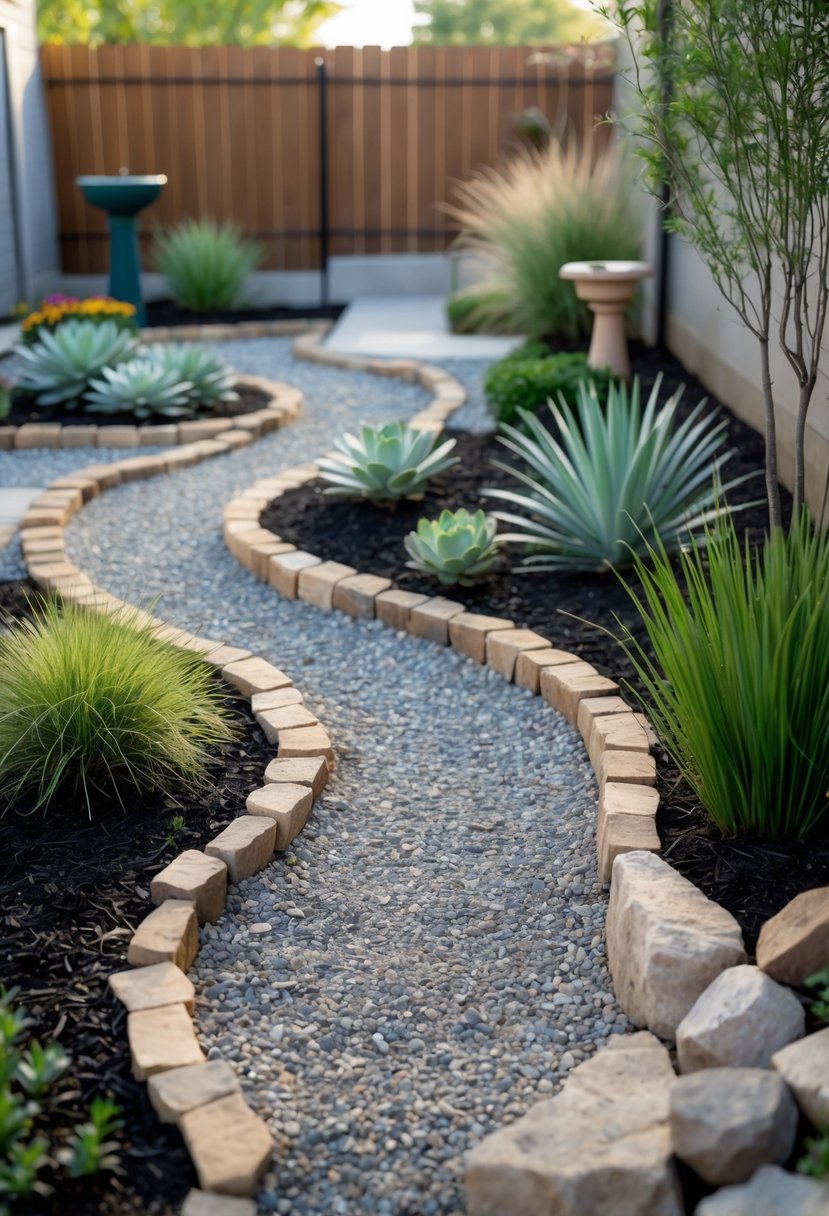
Building a garden path with gravel or mulch is surprisingly simple and affordable. You can find these materials almost anywhere.
Gravel lets water drain away, which is great for your plants. Mulch gives a soft, natural look that feels cozy.
Just remember, you’ll want to refresh mulch every few years. Both choices keep things easy and wallet-friendly.
Need inspiration? Check out some garden path ideas using gravel or mulch.
3) Install a drip irrigation system
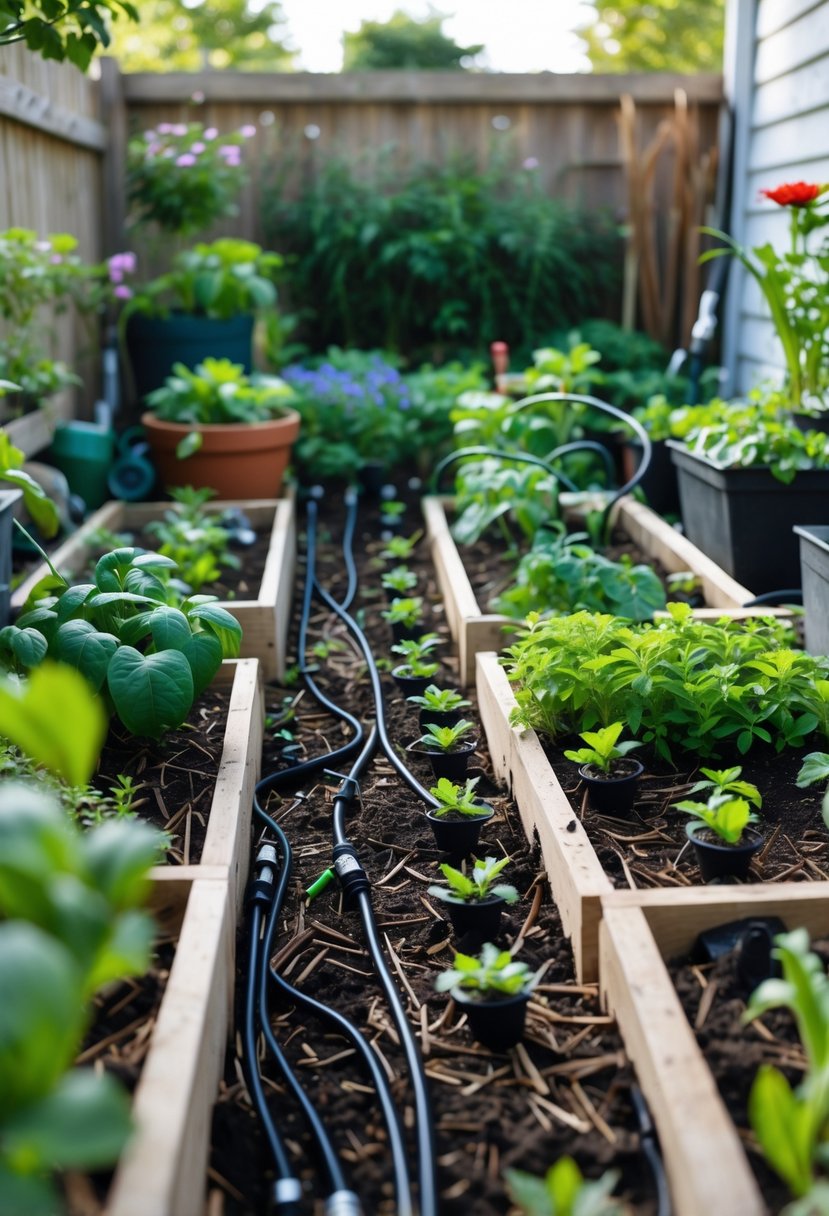
Set up a drip irrigation system, and you’ll barely have to think about watering. Drip lines send water right to the roots, keeping plants happy with less effort from you.
Most DIY kits don’t cost much and the setup is easy. Just hook up the tubing and place little emitters by each plant.
This method saves water and keeps leaves dry, so you avoid plant diseases. If you want a walkthrough, check out this DIY drip irrigation guide.
4) Grow shade-loving ferns
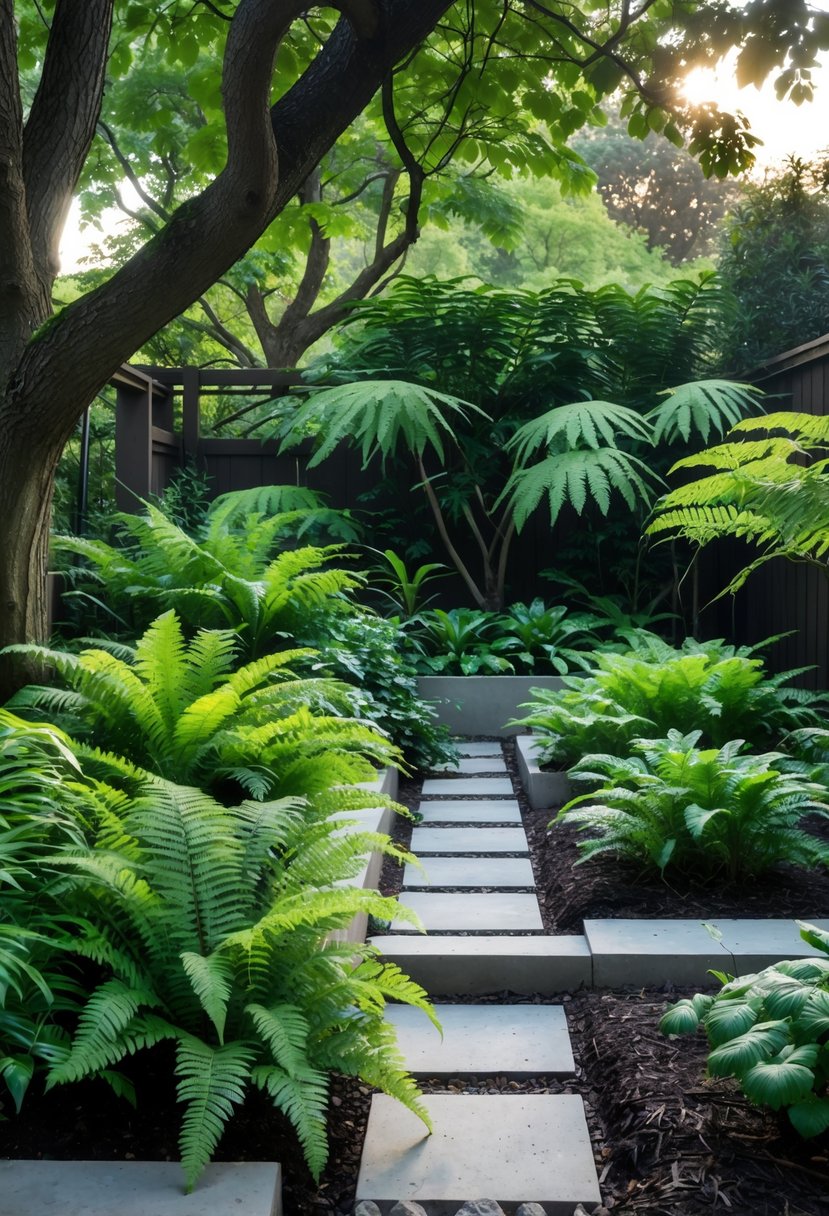
Got a shady corner? Try ferns. Once they settle in, they hardly need any water and basically take care of themselves.
Ferns can get tall and fill out a space with a lush, wild vibe. They’re happy in partial or full shade, so you don’t have to stress about sun.
Mix them with hostas or bleeding hearts if you want more variety. Shade-loving ferns are a super easy way to make your garden feel calm and green.
Looking for more ideas? Check out 23 Shade Garden Ferns Ideas You Gonna Love.
5) Add raised vegetable garden beds
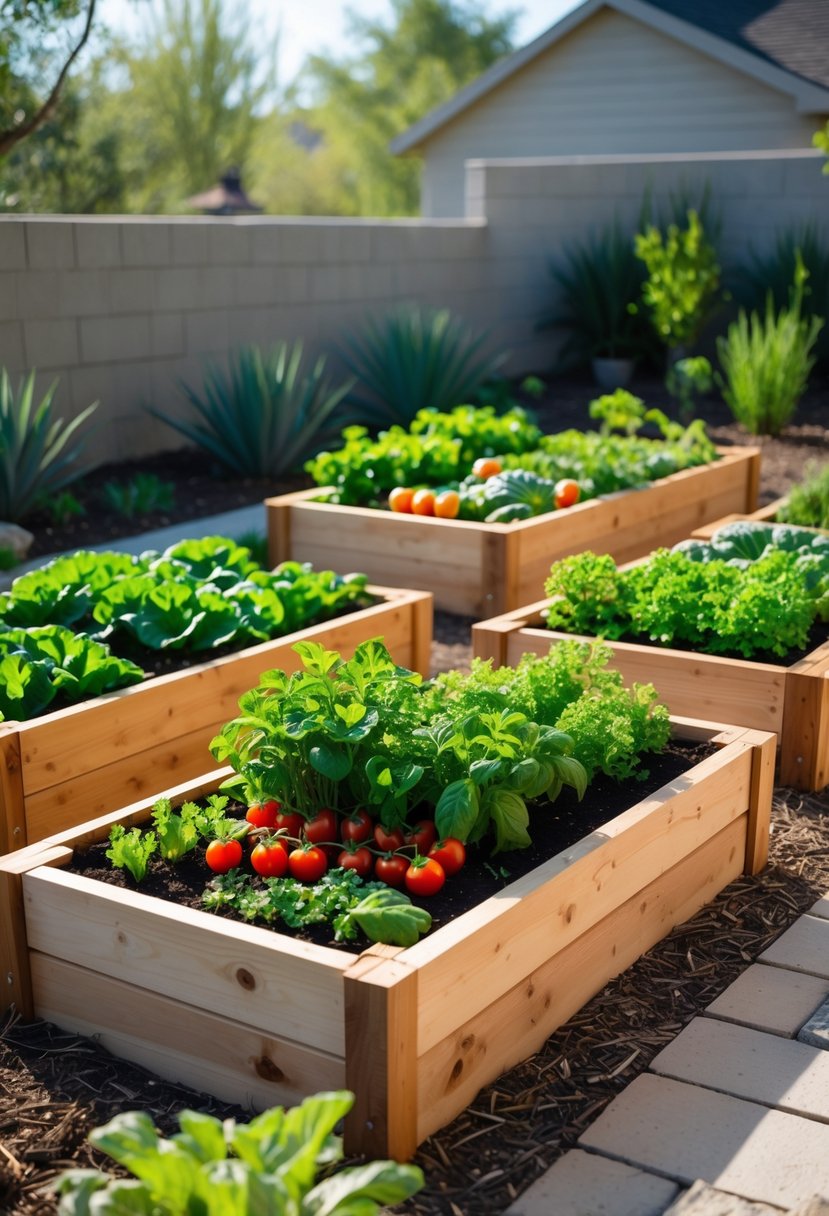
Try adding raised vegetable beds if you want a garden that’s easy to manage. Raised beds keep everything tidy and make it easier to control weeds and drainage.
You don’t need fancy materials—recycled wood or scrap lumber works fine. Raised beds make planting and watering a breeze, plus harvesting is a lot easier on your back.
Want more cheap ideas? Here’s a list of inexpensive raised garden bed ideas.
6) Use container gardens on patios
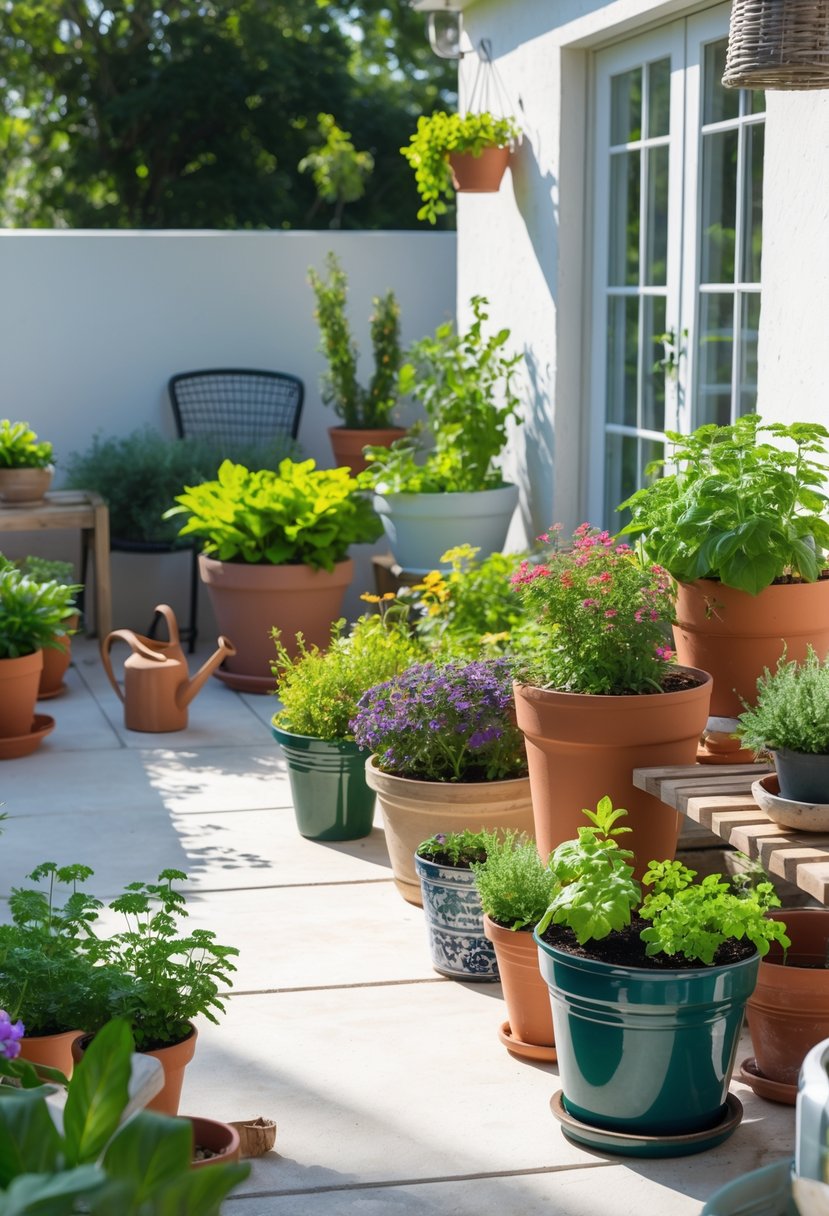
If you’re working with a small patio, container gardens are your friend. Use pots, crates, or even old buckets—whatever you’ve got lying around.
You can move containers around to chase the sun or freshen up your layout. Container gardens need hardly any weeding, which is always a plus.
Fill them with herbs, flowers, or even a few veggies. Toss some gravel in the bottom for drainage, and you’re good to go.
For more inspiration, check out these easy and affordable container garden ideas.
7) Plant ornamental grasses
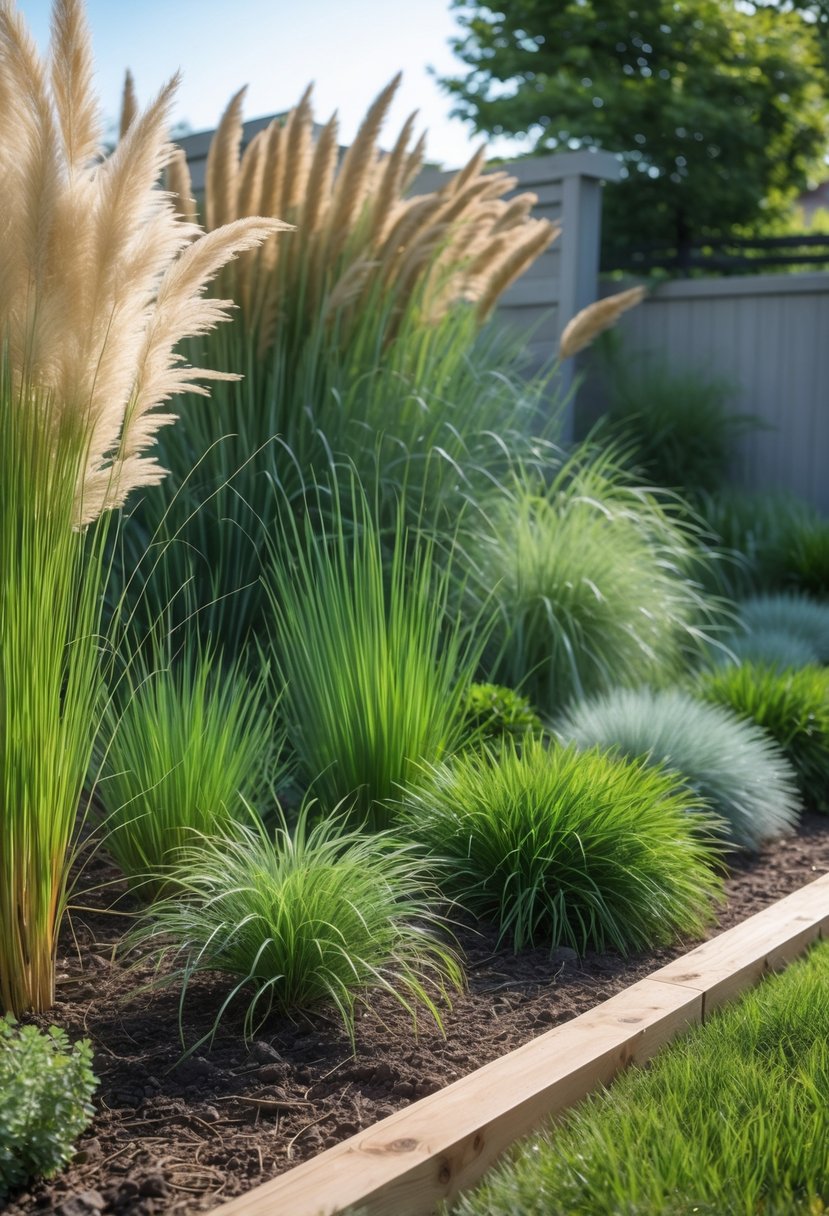
Ornamental grasses add texture and movement with almost no work. Once they get going, you barely have to water or prune them.
They grow just fine in rough soil and can handle dry spells. Perfect for anyone who wants a chill, low-maintenance yard.
You can find grasses that look good all year. Ornamental grasses create a relaxed, natural vibe for cheap.
Need suggestions? Here’s a guide to low-maintenance ornamental grasses.
8) Incorporate succulents and cacti
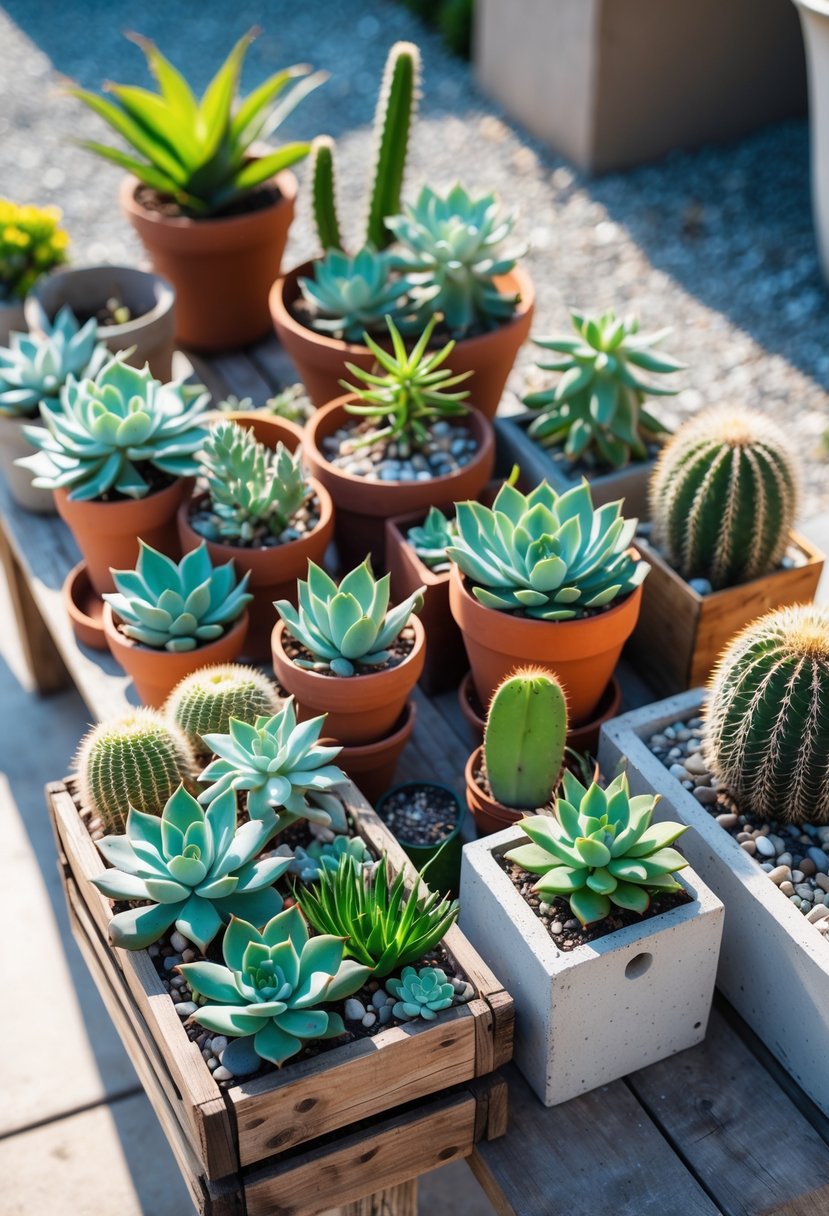
Succulents and cacti are lifesavers for anyone who forgets to water. They need very little care and still manage to look cool.
You can mix and match different shapes and colors for a unique look. Keep them in pots or tuck them into small garden beds for something easy and stylish.
Curious about more ways to use these plants? Check out creative ways to landscape with succulents and cacti.
9) Build a vertical garden with pocket planters
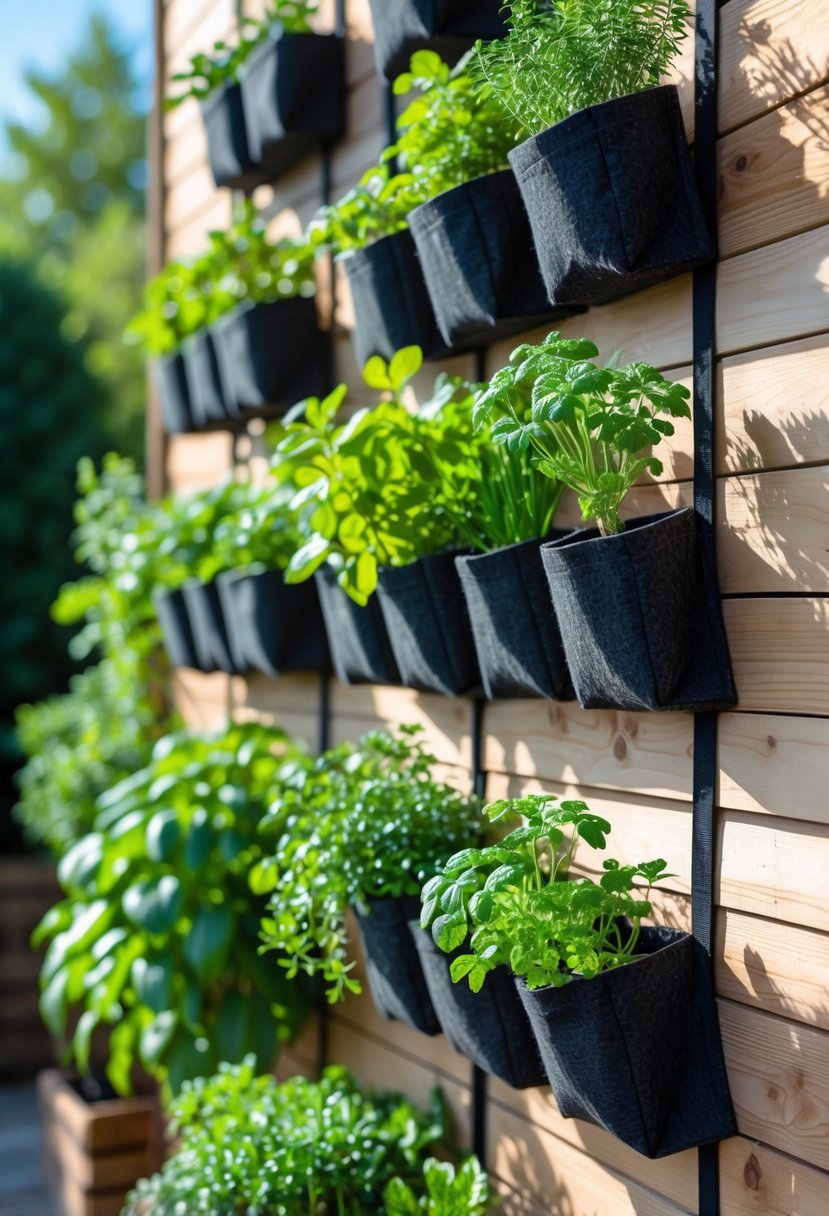
Short on space? Build a vertical garden with pocket planters. Hang them on a fence or wall, and suddenly you’ve got room for herbs, flowers, or even some veggies.
Make pocket planters from fabric or grab some pre-made ones. Just add drainage holes so your plants don’t get soggy.
Vertical gardens keep things neat and make it easy to care for each plant. Want to give it a shot? Here’s how to build your own vertical garden with pocket planters.
10) Apply thick layer of mulch to retain moisture
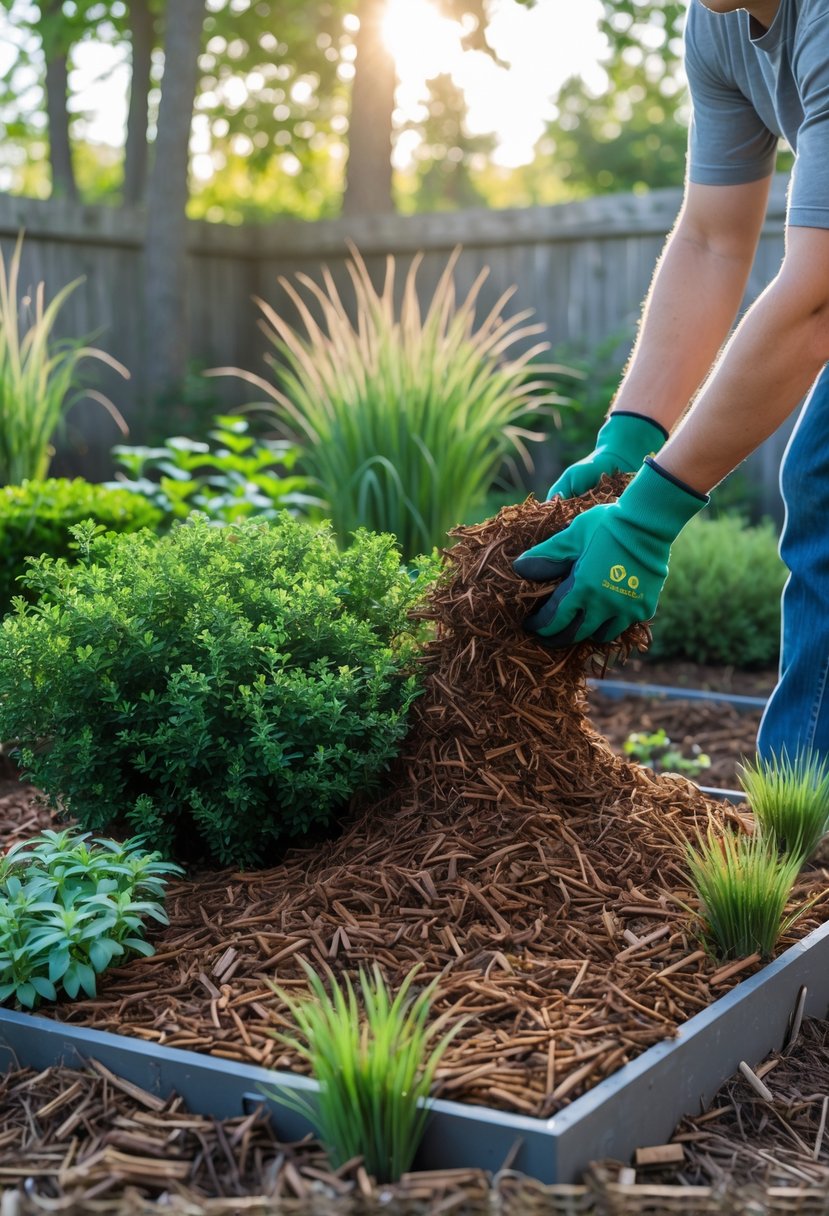
Spread a thick layer of mulch over your soil to help it stay moist. About 2 to 4 inches does the trick and helps keep the ground cool.
Mulch also blocks weeds, so you spend less time pulling them. Straw, shredded leaves, or bark all work well.
Leave a little space around plant stems so moisture doesn’t get trapped. Want to learn more? Here’s a guide on using mulch for moisture retention here.
11) Choose slow-growing shrubs
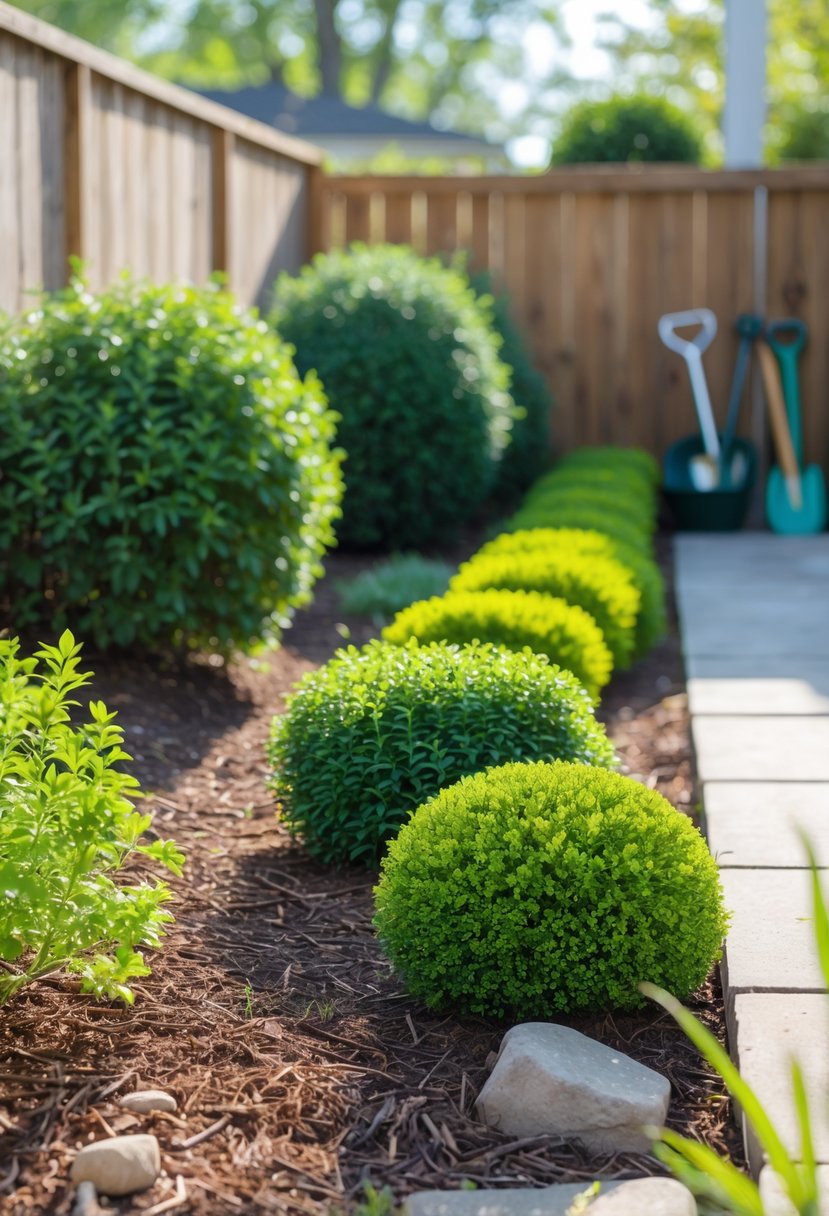
Go for slow-growing shrubs if you want a garden that doesn’t need much pruning. They grow at a relaxed pace and won’t take over your yard.
You’ll spend less time trimming, and they still look great year after year. Shrubs like boxwood stay tidy with minimal effort.
If you want more ideas, check out low-maintenance shrubs that never need pruning.
12) Set up a rain barrel for watering
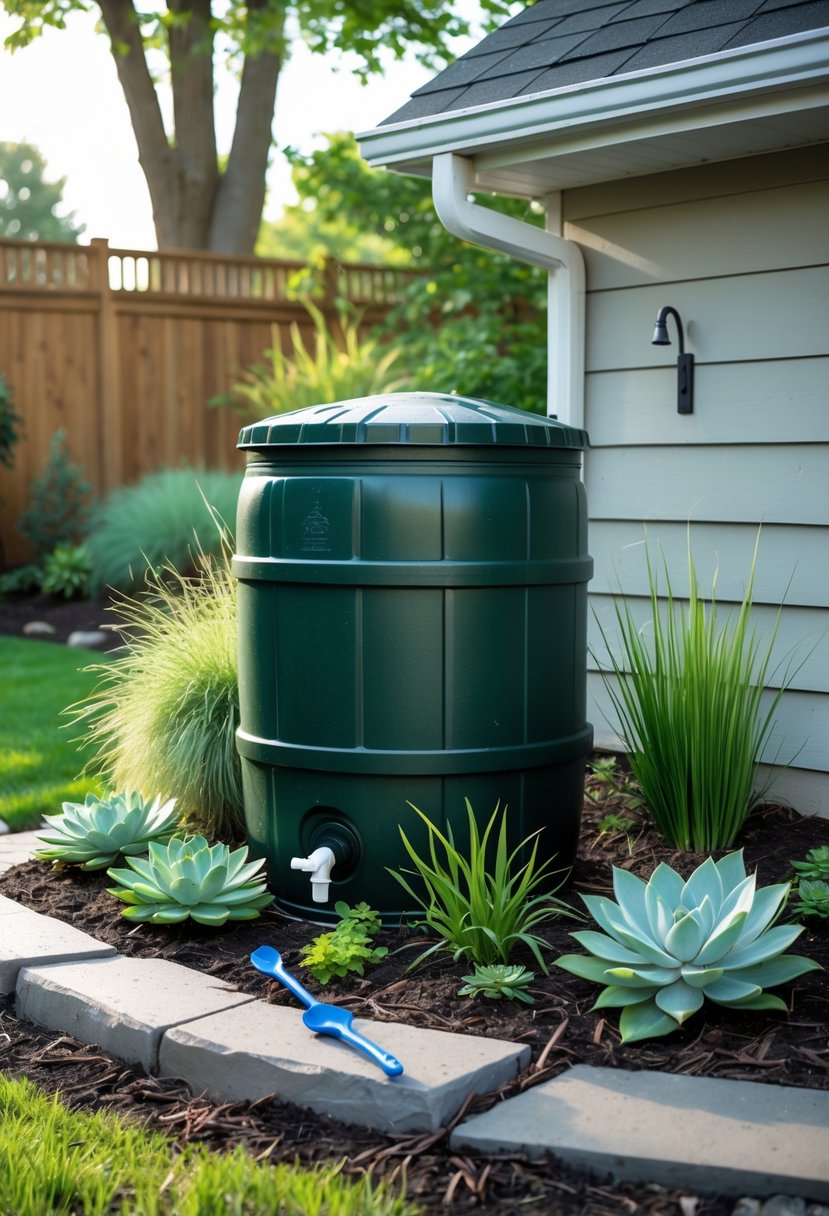
Set up a rain barrel and start collecting rainwater from your roof. It’s a simple DIY project that keeps your garden green and your water bill low.
Place the barrel under a downspout and let it fill up naturally. Add a spigot if you want easy access for watering.
Rainwater is usually better for plants than tap water. If you’re curious, here’s how to set up a rain barrel system at home.
13) Plant ground covers like creeping thyme
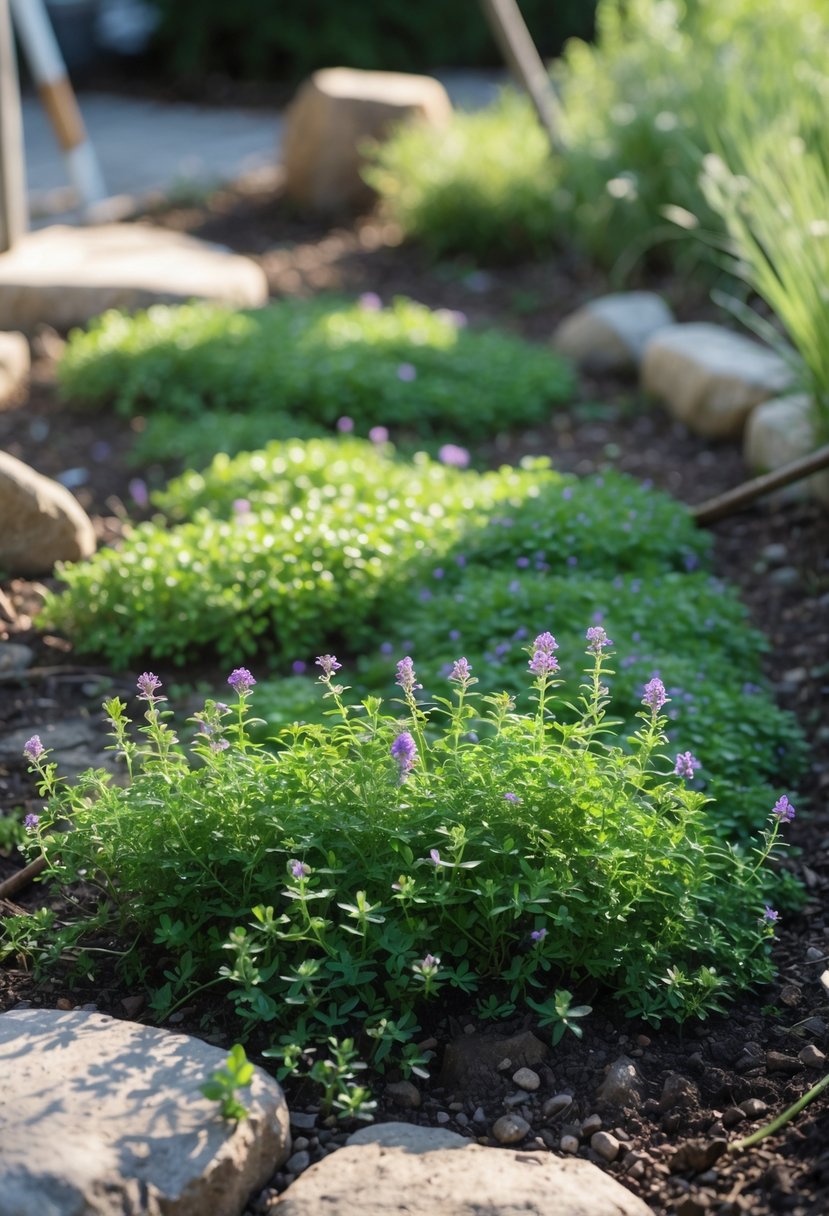
If you want a low-maintenance, budget-friendly garden, creeping thyme is honestly a great pick. It spreads fast, filling up empty spots with green leaves and those cute purple flowers.
Creeping thyme loves full sun and doesn’t care much about poor soil. When you walk on it, it even gives off a nice scent.
Once it settles in, you barely have to do anything. It chokes out weeds and keeps your soil from washing away.
If you hate mowing but still want a good-looking yard, creeping thyme’s a solid solution. You can read more about planting it here.
14) Use self-watering pots
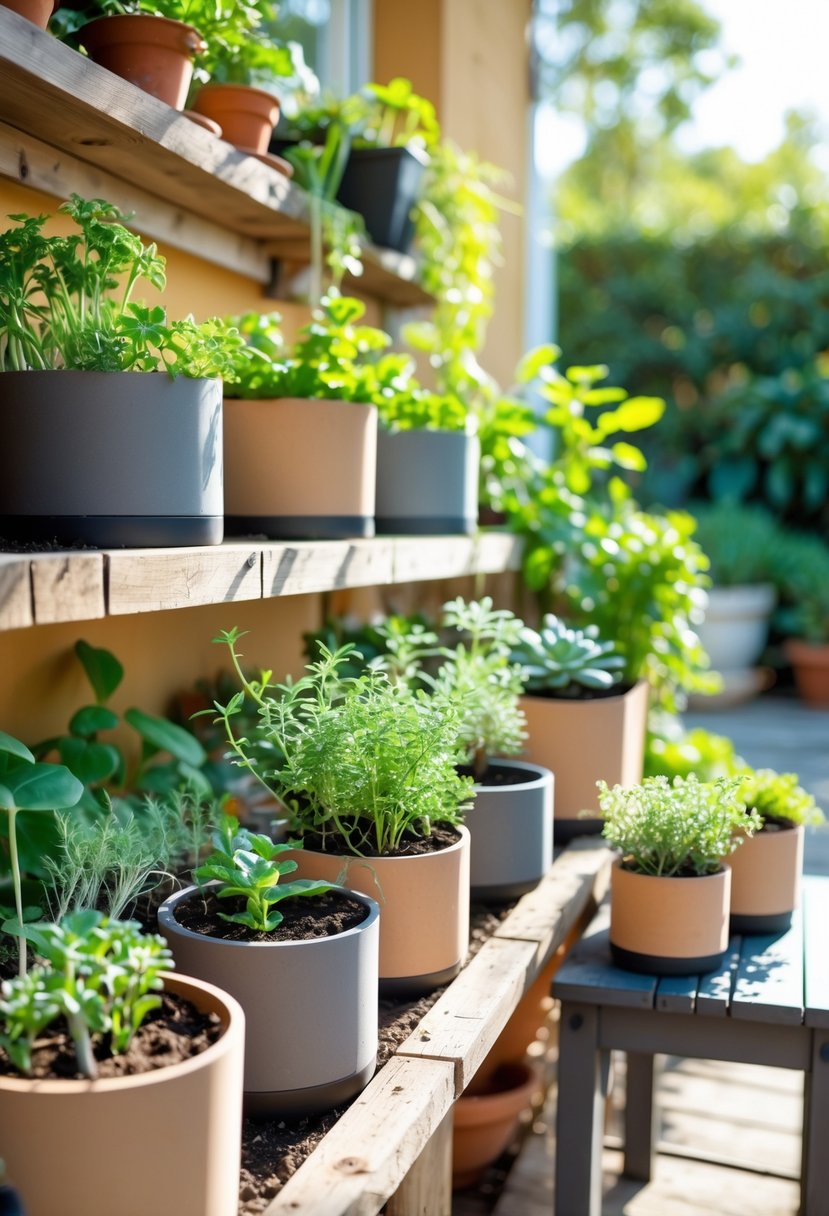
Self-watering pots honestly make life easier by watering your plants for you. They come with a little reservoir, so your plants just soak up water when they’re thirsty.
You can DIY these with stuff like plastic bottles or jars. It’s cheap, and you won’t have to water every single day.
These pots help cut down on water waste, too. If you’re feeling creative, try some DIY self-watering planter ideas for step-by-step help.
15) Integrate hardy perennials
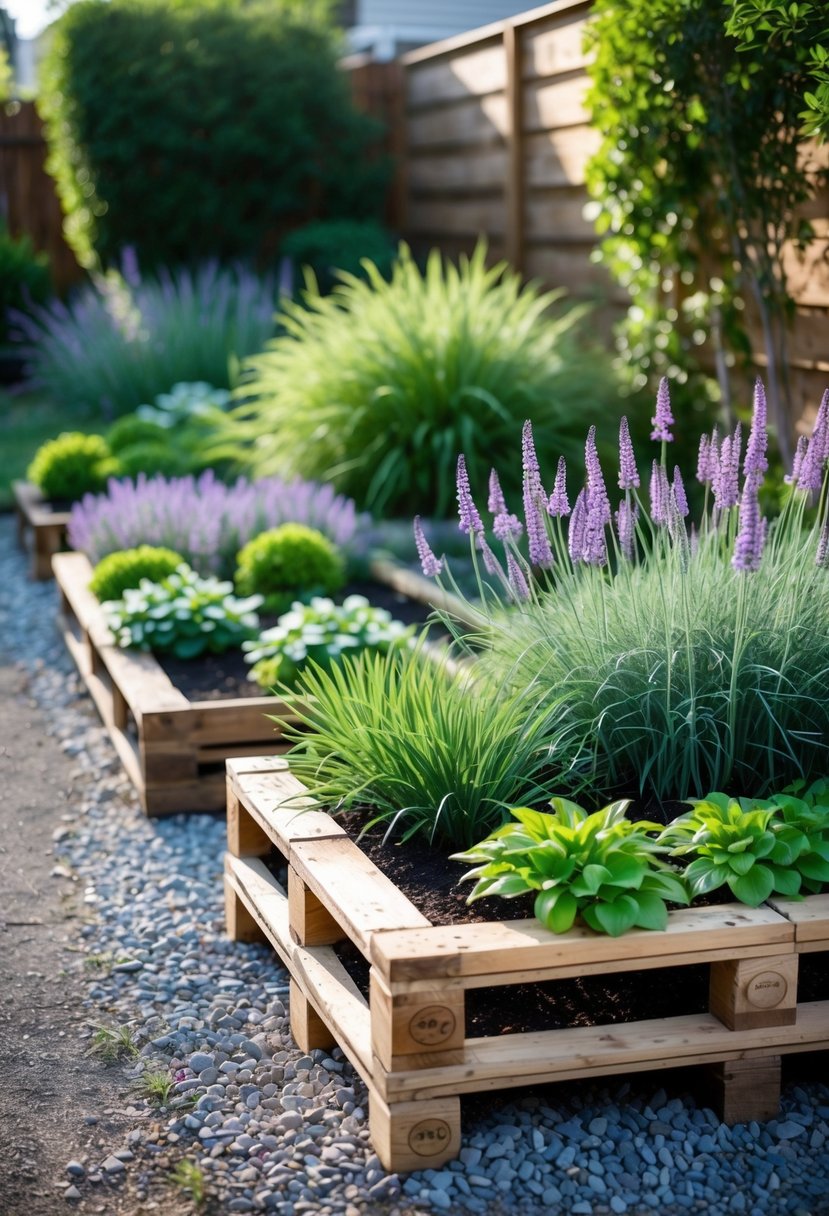
Bringing hardy perennials into your garden keeps things simple. These plants come back every year and don’t need much from you.
They put up with all sorts of weather and don’t beg for water or pruning all the time. Picking tough perennials can really save time and money.
Perennials also attract bees and butterflies, which is always a win for your garden. If you want more ideas, check out low-maintenance perennials that fit your climate and taste.
16) Add a simple rock garden
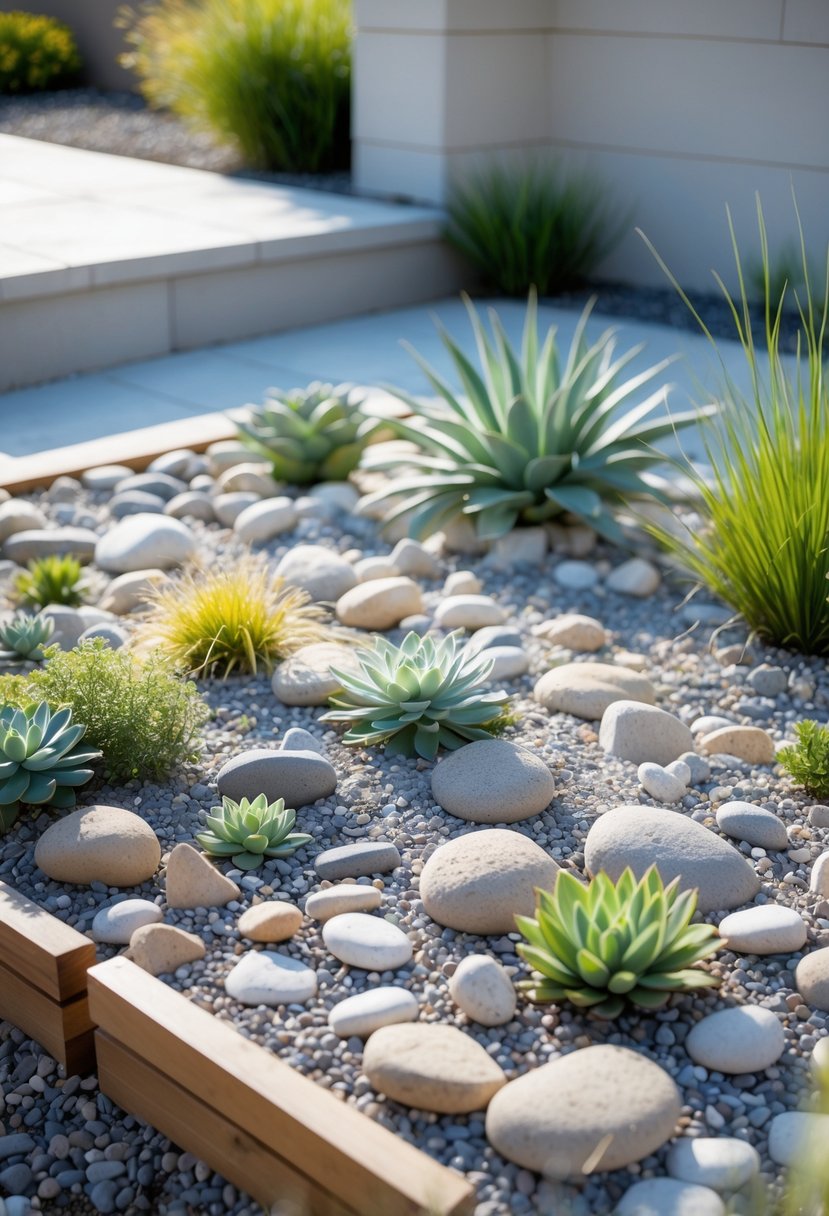
Try making a simple rock garden if you want something that barely needs care. Rocks don’t ask for much—just a sunny spot and a bit of arranging.
Scatter stones in different sizes for some variety. Add drought-tolerant plants like succulents or small shrubs to keep things green with almost no watering.
Rock gardens fit well in small yards and don’t break the bank. They give your space texture and style without extra work.
If you’re looking for inspiration, check out cheap rock garden designs.
17) Grow herbs in small pots
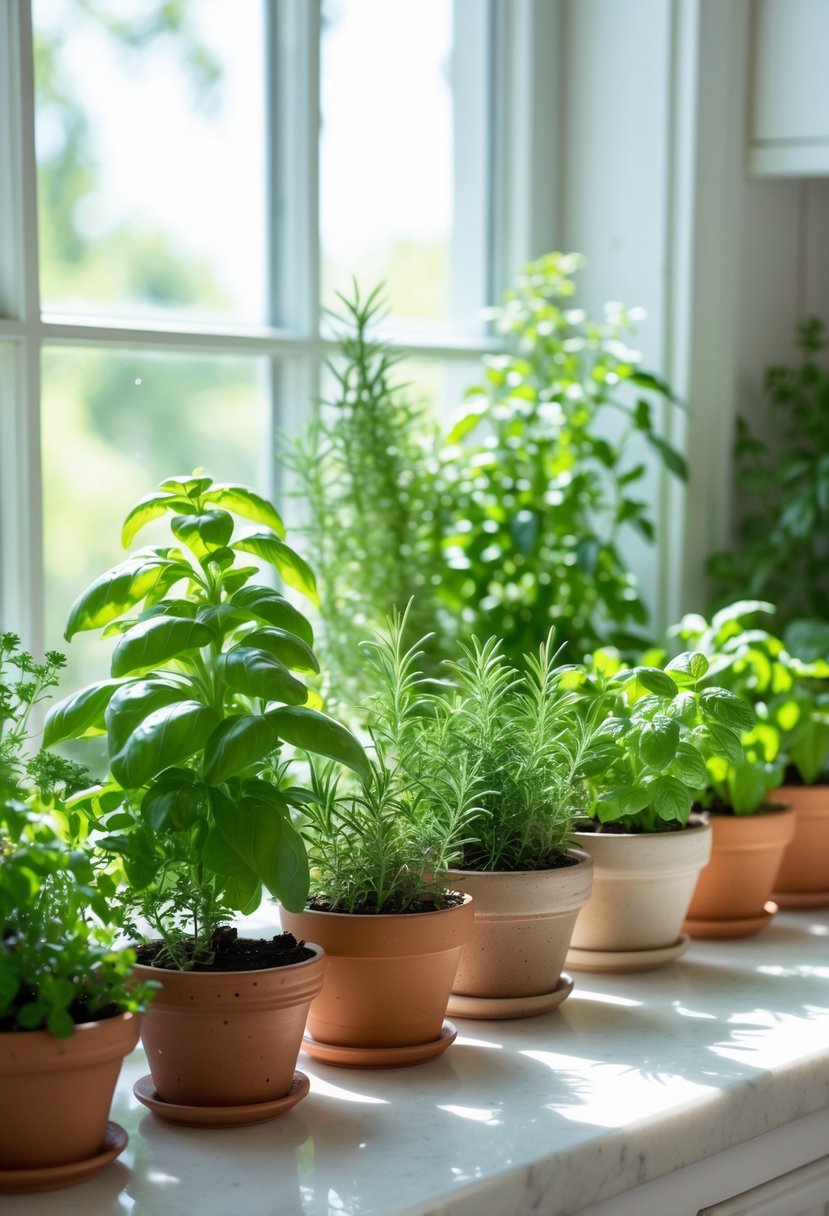
Growing herbs in small pots is super doable, even if you don’t have much room. Just pick pots with good drainage so your herbs stay healthy.
Put your pots on a sunny windowsill or out on the balcony. Herbs love light.
Small pots are cheap and easy to move around if you want to change things up. You can also use shelves or hanging planters to save space and bring in some green.
Growing herbs like this means you’ll have fresh flavors all year with barely any work. For more tips, check out small-space herb gardening.
18) Use automatic garden timers
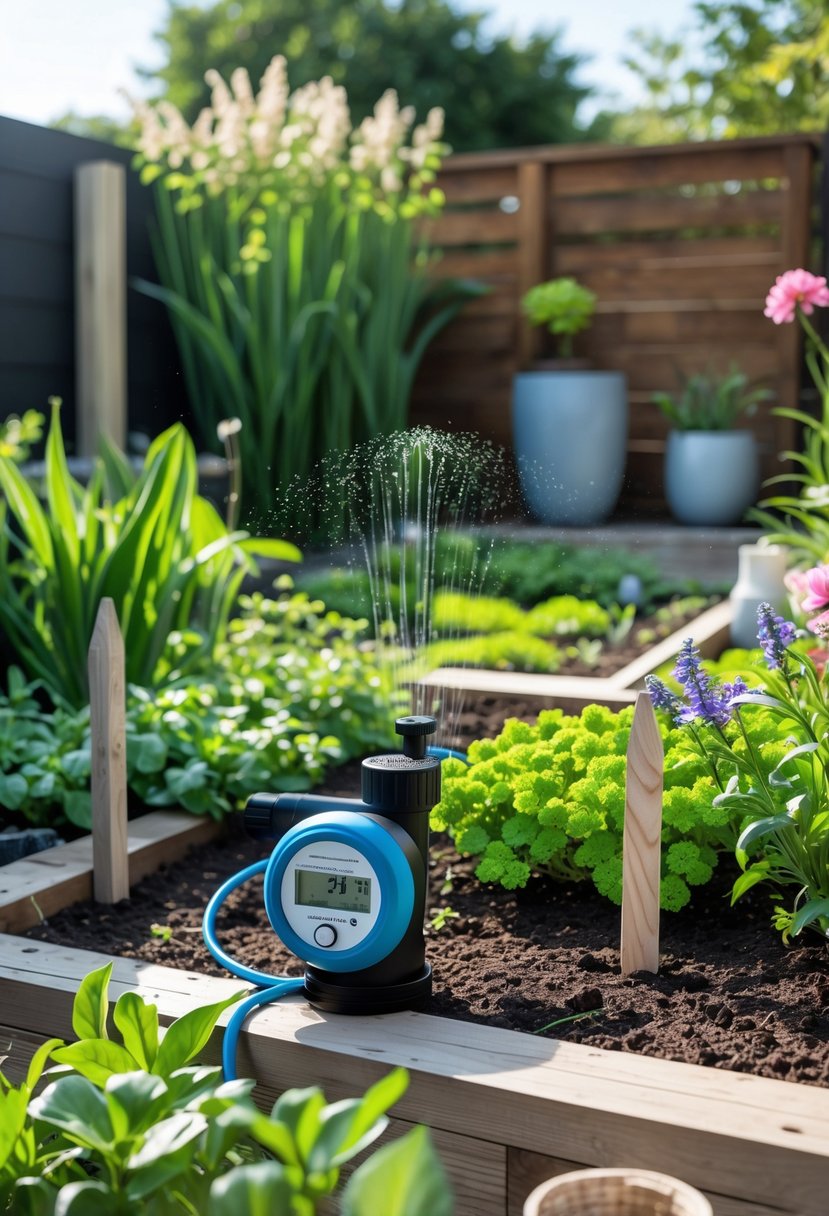
Automatic garden timers can save you a surprising amount of hassle. They turn your watering system on and off at set times, so you don’t have to remember.
Pair timers with drip irrigation or soaker hoses. This combo keeps your watering just right—no more soggy soil or dried-up plants.
You can set timers to go early in the morning or late at night, which helps cut down on evaporation. It’s a straightforward way to keep your garden low-maintenance.
If you want to dig deeper, here’s a DIY Automatic Garden Watering System guide that won’t break the bank.
19) Install solar garden lights
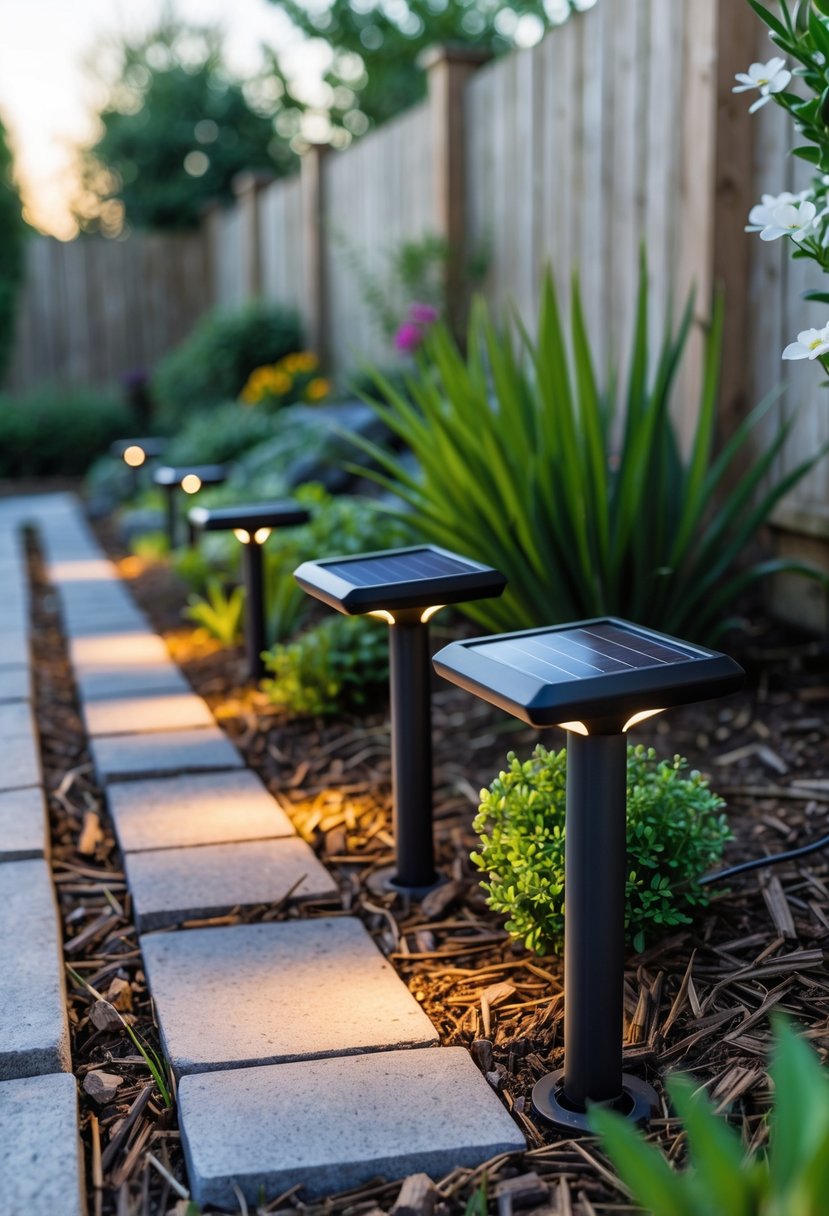
Brighten your garden with solar garden lights for an easy upgrade. They soak up sunlight during the day and glow at night—no wiring or extra power bills.
Just stick them where they’ll catch some sun, and you’re set. At night, your paths or flower beds will light up automatically.
Solar lights need almost no care. They’re a solid pick for anyone who wants a tidy, low-maintenance yard.
If you want to try it yourself, here’s a step-by-step guide to installing solar lights to get you started.
20) Use recycled materials for garden borders
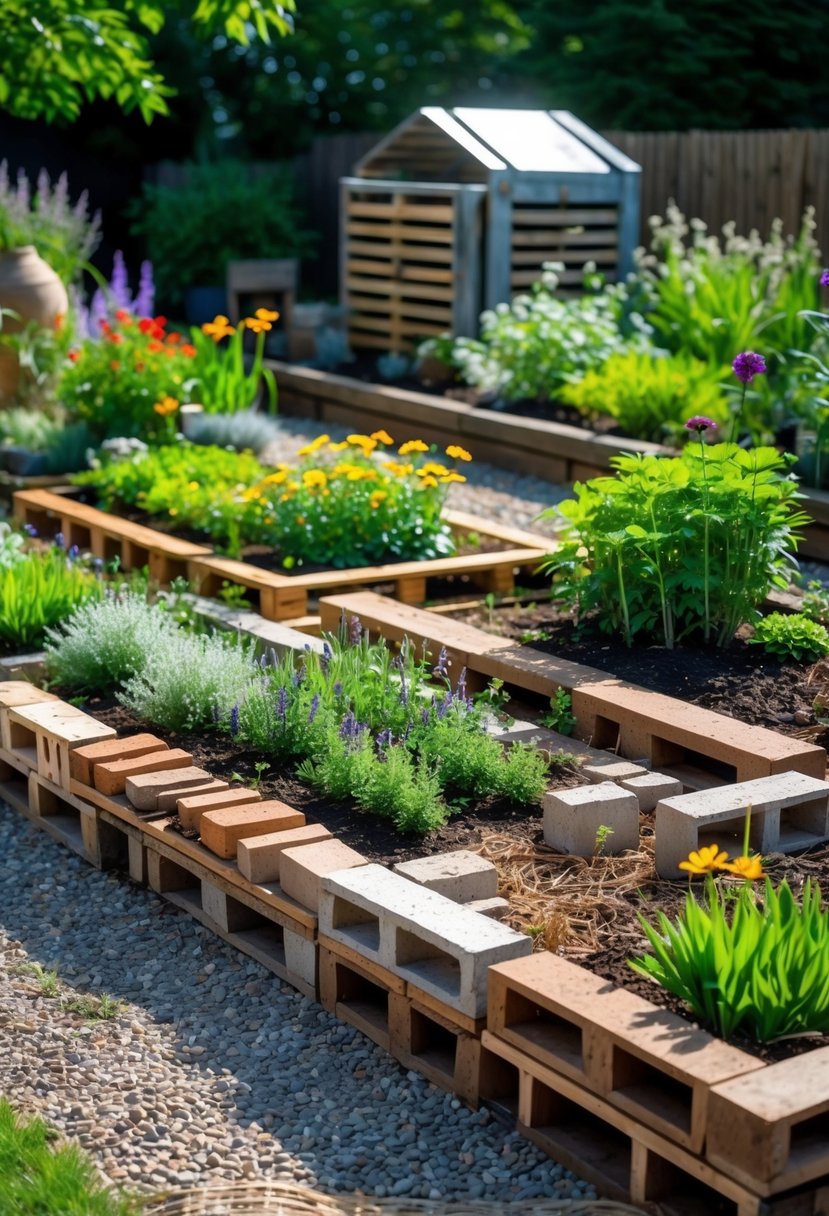
Try using recycled materials for your garden borders to save money and cut down on waste. Old bricks, wood, or bottles make unique edges and give your garden some personality.
Recycled borders don’t need much care and last a long time. Just check them now and then for any damage.
If you want a rustic look, go for reclaimed wood. Or get creative and turn old tires into colorful borders.
There are tons of ways to reuse stuff in your garden—just pick what fits your style.
21) Create seating areas with simple benches
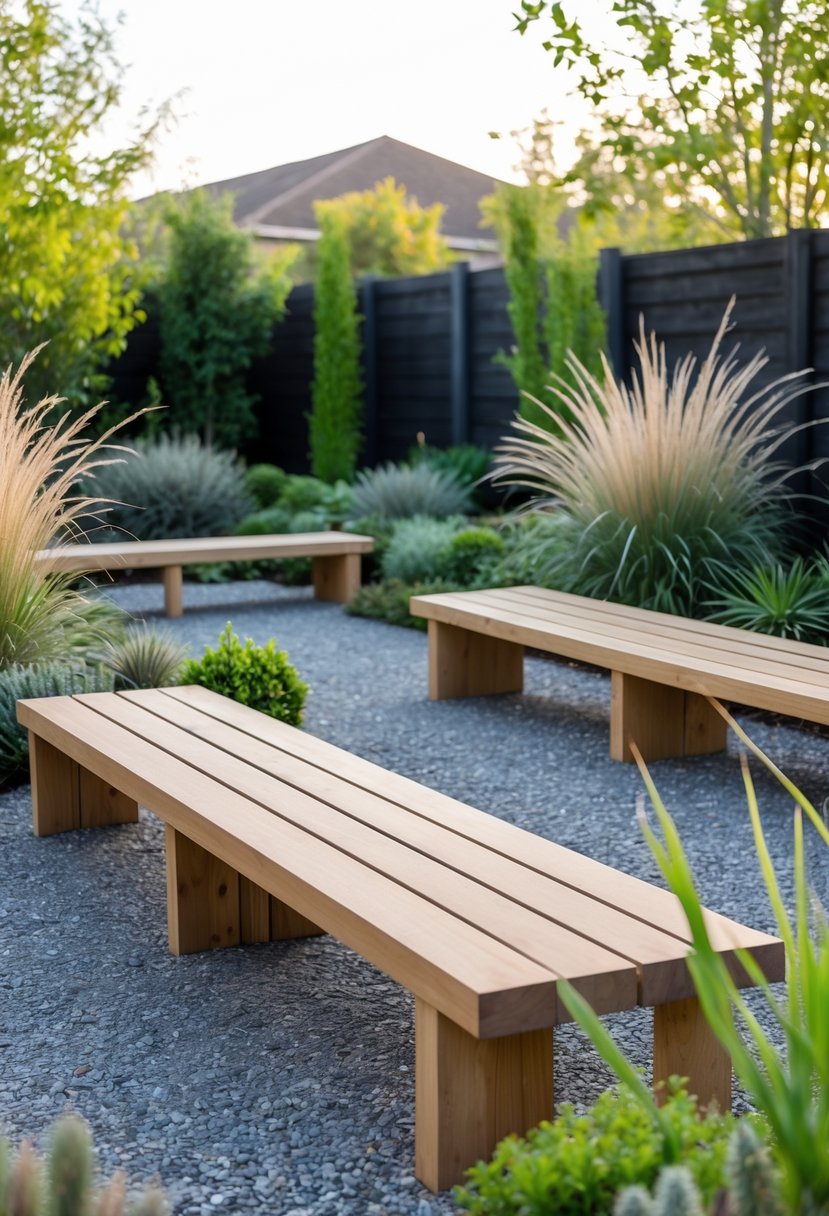
Adding a bench is one of the easiest ways to make your garden feel inviting. You can build a simple bench with basic wood planks and tools, so it won’t cost much.
A sturdy bench gives you a spot to relax and enjoy your plants. Put it near flowers or under a tree for a cozy vibe.
There are loads of easy plans online if you want to make your own. Building a bench is a fun DIY project and adds a nice touch to your yard.
Check out these DIY garden bench ideas for inspiration.
22) Mix flower borders with low-maintenance shrubs
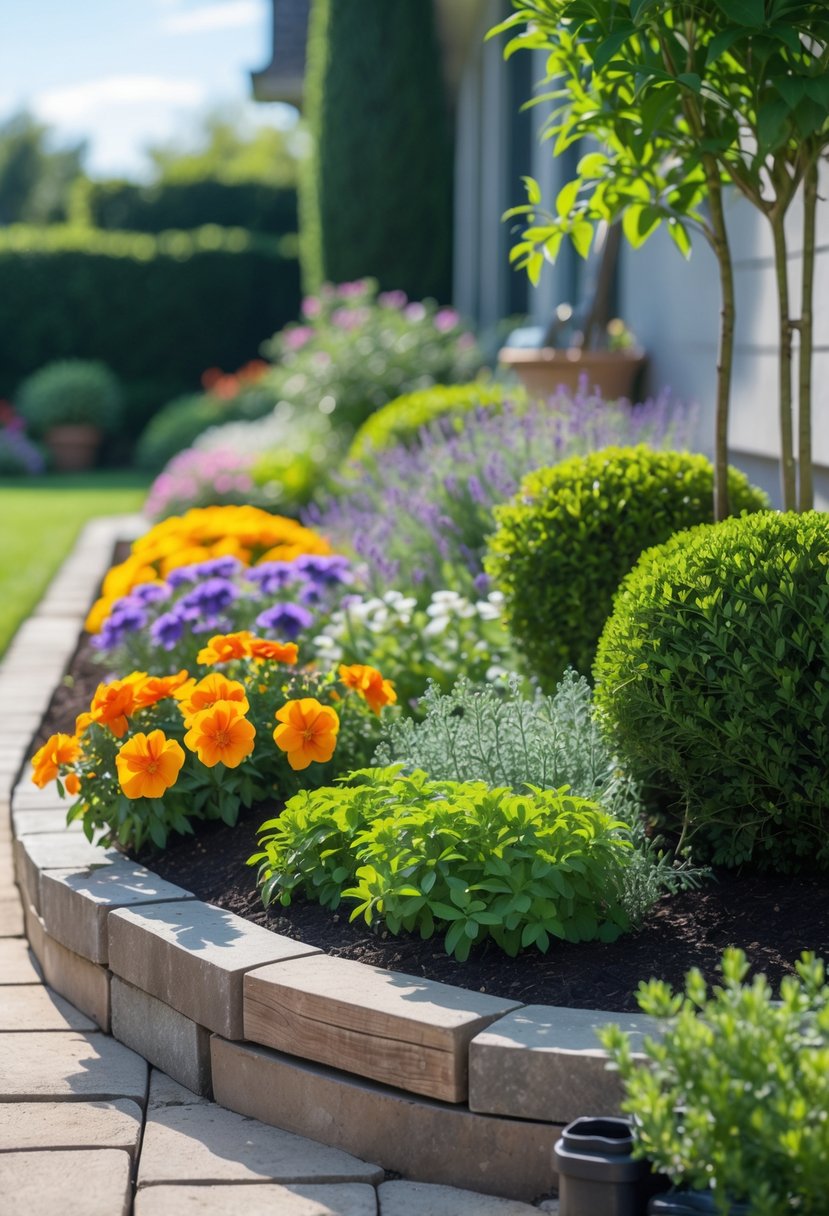
Mixing flowers with low-maintenance shrubs makes your garden look full and colorful. Shrubs like lavender, Texas sage, or salvia give you structure and greenery most of the year.
Pairing these shrubs with easy flowers means you get color all season without a ton of work. You’ll spend less time watering and trimming, which is always a plus.
Try putting shorter flowers in front and taller shrubs behind for a layered look. For more ideas, check out plants that work well for low-maintenance borders.
23) Plant lavender for fragrance and low care
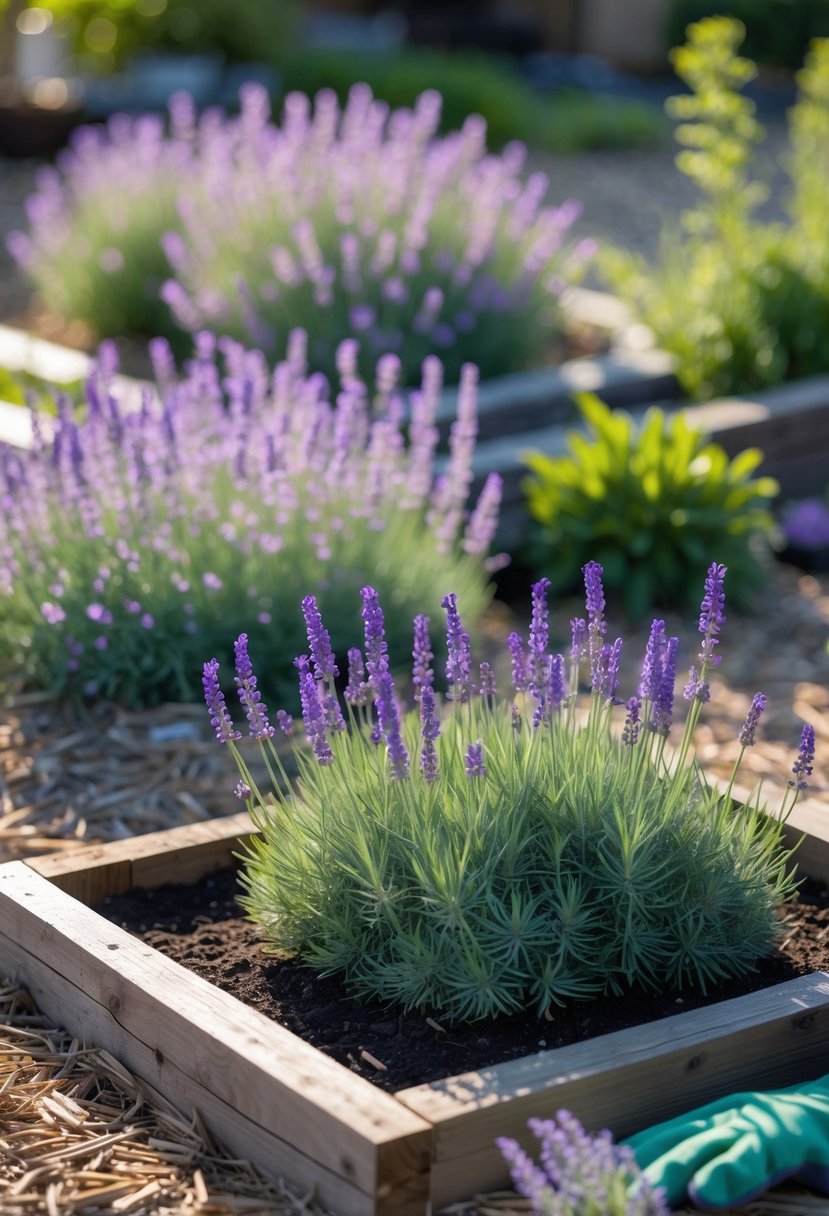
If you want a fragrant garden that’s seriously easy to care for, plant some lavender. It thrives in sunny, dry spots and doesn’t need much watering.
You’ll get pretty purple blooms and that relaxing scent everyone loves. Lavender also draws in bees, which is great for your other plants.
It’s tough, drought-tolerant, and super low-maintenance. For more on growing lavender, here’s a gardening guide that breaks it down.
24) Add bird feeders and houses for natural pest control
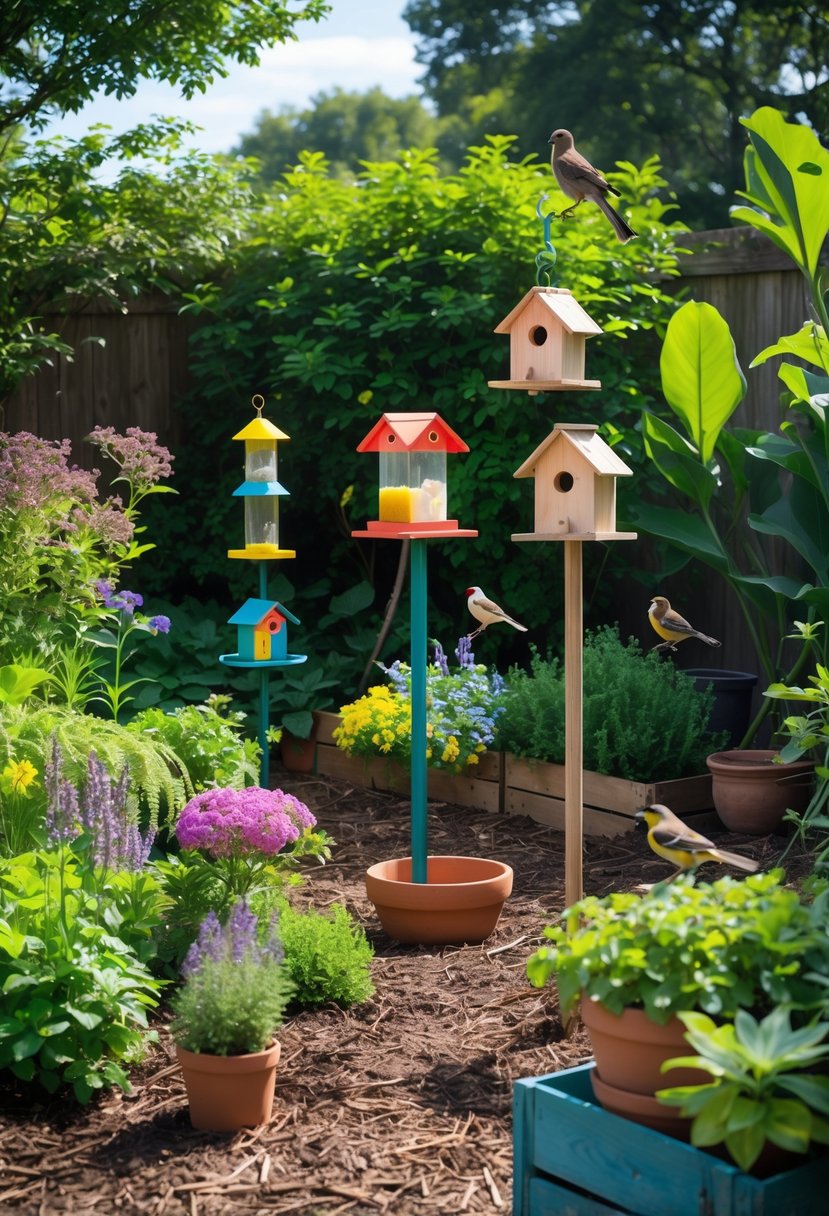
Bring more birds into your yard by putting up simple bird feeders and houses. Birds eat pests like insects, so you don’t have to use chemicals.
DIY feeders made from recycled stuff are cheap and easy. Plus, you give birds a safe place to hang out.
The more birds you attract, the more balanced your garden becomes. For quick ideas, try these DIY bird feeder projects.
It’s a small step that helps wildlife and saves you effort.
25) Use compost to enrich soil naturally
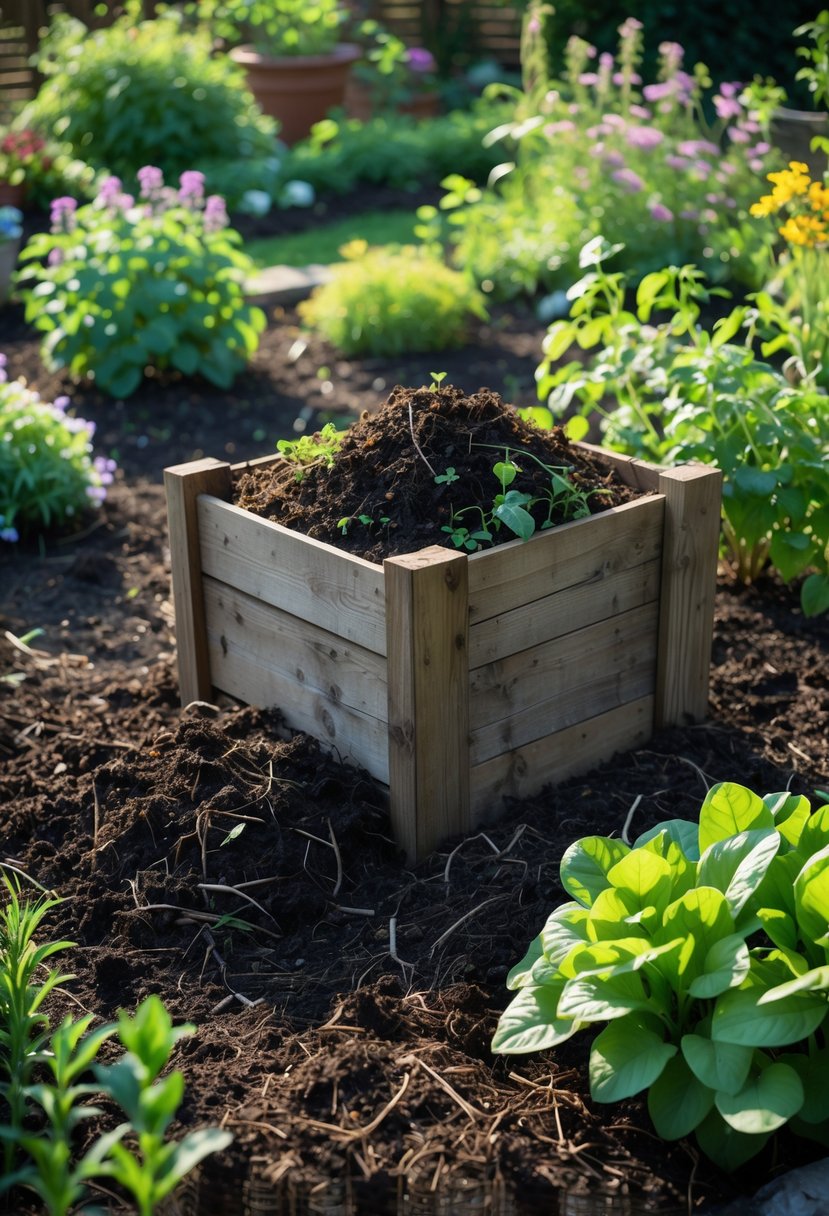
You can boost your soil without spending much by using compost. Just toss in kitchen scraps and yard waste—they’ll break down into rich soil over time.
Compost helps your plants grow stronger and cuts down on the need for chemical fertilizers.
Starting a compost pile at home is actually pretty easy. Use fruit peels, leaves, and other scraps.
If you want more details, check out this guide to using compost in a garden.
Essential Tips for a Thriving Low-Maintenance Garden
To keep your garden healthy without spending a fortune or your weekends, focus on strong soil, smart watering, and plants that actually like your climate. These little choices make a big difference in how much work you’ll have to do.
Soil Preparation Strategies
Great soil really sets the stage for a low-maintenance garden. Test your soil’s pH and nutrients with a simple kit before you do anything else.
This way, you’ll know exactly what your soil needs to support healthy plants.
Toss in some organic matter like compost or old manure to boost texture, drainage, and fertility. Plants love it, and you’ll end up using less fertilizer later.
Cover bare dirt with mulch. It locks in moisture, keeps weeds down, and slowly feeds your soil as it breaks down.
A layer about 2-3 inches thick usually does the trick—enough to help but not smother your plants.
Watering Methods for Efficiency
If you want to save time and keep your plants happy, focus on watering wisely. Try watering deeply but less often so roots go deeper.
When you water just a little all the time, roots hang out near the top and suffer when things dry up.
Set up drip irrigation or lay down soaker hoses to get water right to the roots. That way, you waste less and avoid splashing leaves, which can cause diseases.
Stick to watering early in the morning or in the evening. You’ll lose less water to evaporation that way.
Skip watering during the hottest part of the day—most of it just disappears into the air.
Choosing the Right Plants for Your Zone
Pick plants that suit your climate, and you’ll save yourself a lot of work. Check your USDA hardiness zone or a local plant list to see what really thrives in your area.
Go for native or drought-tolerant plants first. They already know how to handle your weather and soil, and they usually shrug off pests and need less water.
Group together plants that like the same amount of water and sun. That way, you can take care of each group easily without overdoing it or leaving something thirsty.
Curious for more? Take a look at easy low-maintenance garden hacks that won’t break the bank.
Budget-Friendly Upkeep and Troubleshooting
If you want a garden that doesn’t eat up all your free time, tackle problems before they get out of hand. You can stop weeds early and use natural ways to handle pests, so your plants stay healthy with less fuss.
Simple Ways to Prevent Weeds
Weeds sneak in fast if you let them. One of the cheapest tricks to prevent weeds is just to spread mulch—think wood chips or straw—around your plants.
This blocks sunlight and keeps weed seeds from sprouting.
If you want extra protection, try putting landscape fabric under the mulch. Pull weeds as soon as you spot them—don’t wait for them to take over.
Plant some ground cover like clover or creeping thyme to fill in empty spots. These plants hog space and make it tough for weeds to move in.
Be smart about watering. If you overwater, you’ll help weeds grow. Focus water right at your plants and skip soaking the whole bed—that’ll slow down weed seeds before they start.
Pest Management Without Chemicals
If you want to keep pests off your plants without reaching for chemicals, start by picking pest-resistant plants. Some varieties just don’t seem to attract as many bugs.
Bring in helpful insects like ladybugs or lacewings—they’ll chow down on the harmful pests for you. You can order them online, or maybe try planting flowers like marigolds or dill to invite them naturally.
If you spot bugs, mix up a quick homemade spray with water and a bit of soap. Spray it on your plants; it’s a gentler way to manage pests compared to harsh chemicals.
Keep your garden tidy. Pull out dead leaves and clear away old debris since pests love to hide there.
Try rotating your crops every year. Switching things up can throw pests off and help keep damage down.
For more ideas to keep your garden easy and budget-friendly, take a look at low maintenance landscaping ideas.


