

Decorative Garden Shed Skirting Ideas to Beautify Your Outdoor Space: 25 Creative Tips
Got a garden shed? Maybe you want to spruce it up a bit and keep the base protected from dirt and critters. Adding decorative skirting around the bottom is a clever way to help your shed blend in with your yard. It hides gaps and gives everything a tidy, finished vibe.
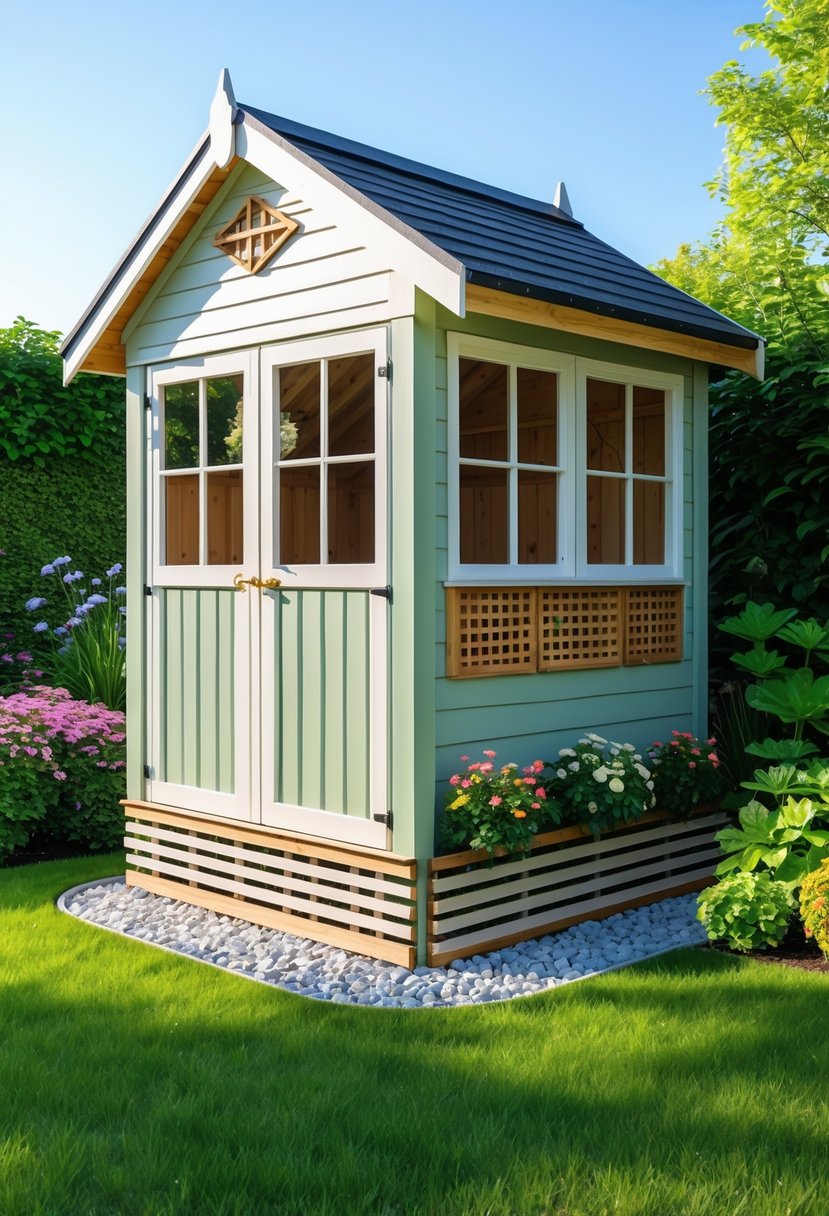
Decorative garden shed skirting does double duty: it covers the base and makes your shed look way better. There are so many options, so you can pretty much find something for any style or budget.
1) Painted lattice panels for airy coverage

Try painted lattice panels if you want to give your shed a fresh look. The open pattern lets air move through while covering up the base.
Paint the lattice to match your shed or your favorite garden colors. It keeps the space cheerful and welcoming.
Lattice panels are super easy to put up and barely need any maintenance. They add a nice touch without making the shed feel boxed in.
If you’re stuck on color ideas, take a peek at lattice skirting on Pinterest for inspiration.
2) Faux stone skirting for a rustic look

Faux stone skirting brings a bit of rustic charm to your shed. It gives the base a solid, lasting look without the hassle or weight of real stone.
You’ll find plenty of styles and colors to match your shed. Faux stone stands up to the weather, so you don’t have to worry about it falling apart.
It’s simple to install and really helps your shed feel like it belongs in your outdoor space. Get more ideas for using faux stone skirting here.
3) Vinyl siding wraps for easy maintenance

Vinyl siding wraps are a solid pick if you want low maintenance skirting. No need to paint or stain—just install and forget about it.
Cleaning vinyl is easy; just hose off any dirt. Vinyl also shrugs off dents and insects, so it helps keep your shed’s base in good shape.
You can pick from lots of colors and patterns, so it’ll fit your shed’s look. It’s a no-fuss way to keep things neat.
Want more info? Check out vinyl skirting panels for sheds and mobile homes.
4) Decorative metal vents for airflow and style

Decorative metal vents add style and help your shed breathe. You’ll find them in cast iron, aluminum, and other finishes, so you can go classic or modern.
Metal vents let air move in and out, which helps stop moisture and keeps the shed fresh. Some even have screens to block bugs and little pests.
If you want something that lasts and looks good, try ornamental iron vents. They really do add character. Browse decorative vents for sheds online for more ideas.
5) Brick skirting for classic charm

Brick skirting gives your shed a classic, sturdy look. It makes the base stand out and keeps the whole thing looking solid.
Pick bricks that match your house or garden for a seamless look. Or go bold and make the shed a focal point—why not?
Brick lasts for ages and keeps dirt and pests away from the base. It barely needs any upkeep, which is always a win.
Need some inspiration? Check out brick skirting examples on Pinterest.
6) Raised garden beds around the base

Use raised garden beds as skirting and instantly create a neat border around your shed. It brings greenery right up to the base.
Raised beds keep weeds in check and help with water runoff. You can fill them with flowers, herbs, or even veggies if you’re feeling ambitious.
This idea blends your shed into the garden so it doesn’t stick out awkwardly. For more tips, look up raised garden bed ideas that work with sheds.
7) Wooden slat skirting with a natural finish

Wooden slat skirting gives your garden shed a clean, simple look. Go with natural wood to show off the grain and color—it just feels warm and welcoming.
Leave little gaps between the slats for airflow. It keeps your shed dry and lets sunlight play off the wood.
Use untreated or lightly sealed wood for a true natural look. You can always stain or seal it later if you want more protection.
Wooden slat skirting is a breeze to install and fits all sorts of garden styles. More ideas for wooden skirting boards are here.
8) Fretwork panels with intricate designs

Try fretwork panels with intricate designs to add some flair to your shed. These detailed patterns really stand out and give the base a custom look.
You’ll find fretwork in wood or PVC, and both are easy to install and weather-resistant. They can turn plain skirting into something special.
Want a unique look? Check out decorative pierced fretwork panels for ideas.
9) Colorful painted wood boards

Paint the wood boards around your shed in fun colors to make it pop. You can match your shed or go bold with something totally different.
Painting skirting boards is a quick way to show off your personality. Maybe you prefer soft pastels or maybe you’re all about bright, happy colors.
Paint also protects the wood from the weather. A fresh coat of paint keeps everything looking sharp. Need more ideas? Take a look at painted skirting boards.
10) Perforated metal sheets for ventilation

Try perforated metal sheets as skirting to boost ventilation. The tiny holes let air flow but still keep things tidy and neat.
These sheets are tough and stand up to the weather. Plus, some designs look really cool and add a modern touch.
Perforated metal helps keep moisture from building up under your shed, which means less mold and mildew. For more design ideas, check out perforated metal panels for decks and sheds.
11) Recycled pallet wood for an eco-friendly touch

Use recycled pallet wood for a skirting project that’s both eco-friendly and full of rustic character. It’s affordable and gives old wood a second life.
Pallet wood is tough and you can arrange it in all sorts of patterns. It’s a fun way to get creative and reduce waste.
With a bit of sanding and maybe some paint, you’ll have skirting that’s both sturdy and charming. For ideas, check out pallet garden projects.
12) Gabion baskets filled with stones

Gabion baskets filled with stones make strong, stylish skirting for your shed. These wire cages hold rocks and give a natural, neat look that works with all sorts of gardens.
Gabions protect your shed’s base from dirt and pests. Over time, you might even see ivy or other plants creeping over the stones for extra charm.
Building gabion skirting is pretty straightforward, and it lasts for years. For more ideas, check out creative gabion garden projects.
13) Horizontal shiplap boards

Horizontal shiplap boards make your shed look crisp and modern. The boards fit snugly together, creating subtle shadow lines for a bit of depth.
Go for white or a light color to brighten things up and make your shed feel more welcoming.
Shiplap is easy to install and matches with tons of garden styles. Want more inspiration? Check out shiplap deck skirting designs.
14) Vertical beadboard paneling

Try using vertical beadboard paneling if you want a neat, classic look for your garden shed skirting. The thin vertical lines add texture and a bit of charm.
Beadboard has a simple, stylish vibe that works with both classic and modern sheds. You can paint it to match your shed and install it pretty easily.
It hides gaps under the shed and keeps things looking fresh. If you want more inspiration, take a peek at these vertical beadboard paneling design examples.
15) Decorative concrete blocks

Give your garden shed skirting some style and strength with decorative concrete blocks. You’ll find all sorts of patterns and textures, so there’s something for every shed.
They’re simple to install and keep pests out while still letting air flow underneath. If you want a clean, sturdy way to frame your shed base, these blocks work well.
Need ideas? Check out decorative concrete blocks for garden skirting.
16) Plastic garden trellis panels

Plastic garden trellis panels make for a clever shed skirting option. They’re lightweight and you can install them around the base in no time.
You get plenty of designs and colors to choose from, so matching your shed’s style is easy. Plus, they stand up to weather and pests better than some other materials.
If you like greenery, use the trellis to support climbing plants and bring a little nature right to your shed. For more ideas, check out these plastic lattice ideas.
17) Corrugated metal sheets for an industrial vibe

Corrugated metal sheets can give your shed a cool, industrial look. They’re tough and last for ages, adding texture and style without much hassle.
Just cut the metal to size and attach it with screws or bolts. Some sheets even come with patterns if you want to mix things up a bit.
If you’re after something modern and low-maintenance, corrugated metal’s a solid pick. It fits with so many outdoor styles and protects your shed’s base. Want to learn more? Check out ideas for using corrugated metal for shed skirting here.
18) Composite decking boards

Composite decking boards are a smart way to skirt your shed. They’re strong and stand up to weather, so you won’t be repainting or staining all the time.
You can pick from a bunch of colors and styles to match your shed or garden. These boards always look tidy and give your shed a polished finish.
They hide what’s under the shed and protect the base from damage. You get a clean, low-maintenance look that lasts. For more ideas, have a look at composite deck skirting ideas.
19) Fiber cement panels

Fiber cement panels make a sturdy skirting choice. They handle weather well and keep your shed protected.
You’ll find lots of textures and styles, so you can pick what fits your garden best. These panels are also easy to care for—no need to repaint often, and they hold up over time.
If you want something tough and long-lasting, fiber cement panels might be just right. For more decorative options, check out fiber cement boards and trims online.
20) Decorative lattice with climbing plants

Try using decorative lattice as a base for climbing plants around your shed. It brings texture, color, and a really natural, charming vibe.
Pick fast-growing vines like jasmine, clematis, or ivy to cover the lattice in no time. These plants create a soft, green wall that helps your shed blend right into the garden.
Wood lattice gives a natural feel, but plastic is easier to clean. Either way, combining lattice with climbing plants is a simple way to brighten up your shed and add privacy.
For more inspiration, check out decorative lattice options for sheds and garden walls.
21) Stacked stone veneer

Stacked stone veneer gives your shed a timeless, natural look. It looks like real stone but is lighter and much easier to install.
This material adds texture and warmth to the base. It pairs nicely with outdoor plants and wood.
Stacked stone veneer is pretty durable and doesn’t need much upkeep. It protects the bottom of your shed while making it look more finished. For more ideas, check out stacked stone veneer options online.
See more about this style at stacked stone skirting ideas.
22) Bamboo fencing rolls

Try bamboo fencing rolls for a natural, earthy look around your shed. They come in flexible rolls, so you can easily shape them around corners or uneven ground.
Bamboo rolls are light and easy to install, so you can update your shed’s base yourself without much trouble.
They give your shed a warm feel that fits right in with plants and outdoor spaces. Plus, bamboo fencing is affordable, so you can improve your shed’s look without breaking the bank.
Want more ideas? Check out bamboo roll fencing for outdoor spaces.
23) Wire mesh with climbing vines

Use wire mesh as skirting for your garden shed if you want a simple, practical frame. It supports climbing vines as they grow.
The vines will cover the mesh and soften your shed’s look. You can pick different plants for more color and texture.
Wire mesh is easy to put up and lets air move under the shed. If you want to try this, check out wire trellis guides with climbing plants for tips.
Mixing wire mesh with vines is a neat way to add function and decoration to your garden.
24) Cedar shake shingles

Cedar shake shingles bring a rustic, natural look to your shed skirting. They last a long time and resist decay and insects, which makes them a smart choice outside.
Cedar shakes add texture and warmth to the base. You can install them in different patterns for a unique style that fits your garden.
If you want more inspiration, check out creative cedar shake shed ideas or visit this cedar shake shed ideas page.
25) Natural river rock skirting

Try natural river rock skirting if you want a fresh, earthy feel. The smooth, rounded stones give a clean look that blends right into the garden.
River rocks are super durable and handle all sorts of weather. They’re a practical choice for the base of your shed.
Using river rock skirting helps keep pests away and hides any gaps under the shed. It adds a simple, natural charm and doesn’t need much maintenance.
If you’re looking for ways to style it, check out some river rock skirting inspiration to see what fits your space. Learn more at river rock skirting ideas.
Benefits of Decorative Garden Shed Skirting
Skirting your garden shed does more than just make it look better. It helps keep pests away and hides ugly spots beneath your shed.
Improved Curb Appeal
Decorative skirting can tidy up your shed’s look. You can use wood planks, shiplap, or even pressure-treated lumber to match your garden or home.
Paint or stain the skirting to fit your color scheme. This little change helps your shed blend in or stand out, depending on what you like.
Pest Prevention
Skirting blocks small animals and insects from getting under your shed. Without it, pests like rodents, spiders, and bugs find it easy to nest in the open space.
Using pressure-treated wood or moisture-resistant materials makes your skirting last longer. It also helps keep damage from pests and dampness away.
Concealment of Unsightly Areas
The area under your shed collects dirt, leaves, and tools—never looks great if it’s visible. Skirting hides all that and gives your shed a cleaner look.
It can also cover uneven ground or gaps under the shed’s base. By hiding these spots, your shed looks more solid and cared for. You can even add a small door for easy storage access.
For more ideas on materials that protect and look good, visit 7 Shed Skirting Options To Consider.
Choosing the Right Materials for Shed Skirting
When you pick materials for shed skirting, you’ve got to juggle durability, cost, and how the materials impact the environment. It’s smart to go for something that holds up in all kinds of weather, fits your budget, and doesn’t turn into a hassle down the road.
Weather Resistance Considerations
Your shed skirting faces rain, snow, sun, and wind, so you need something tough. Vinyl or PVC work well since they don’t rot or soak up moisture.
Wood looks great, but you’ll have to treat it so it won’t rot or attract bugs. Concrete and stone last a long time and shrug off bad weather, though they’re pricier and a pain to install.
Metal skirting fights off the weather, but if you don’t coat it right, it’ll rust. Take a look at your local climate and pick something that hangs in there year after year.
Eco-Friendly Options
If you’re thinking about the environment, go for sustainable or recycled materials. Bamboo and reclaimed wood both come from renewable sources, and they give your garden a more natural vibe.
Recycled plastic skirting is another eco-friendly option. It takes less energy to make than new plastic and doesn’t rot or fade much. Skip pressure-treated wood if you want something safer for your soil and plants, since it’s full of chemicals you probably don’t want around.
Cost and Maintenance Factors
Your budget? Yeah, it’s probably the biggest factor when you’re picking a material. Vinyl and plastic skirting tend to cost less, and honestly, you don’t have to fuss over them much.
Just grab some soap and water every now and then, and you’re good. Wood skirting might save you some cash at first, but you’ll end up spending more time (and money) repainting or sealing it every few years.
If you go with concrete or stone, you’ll pay more upfront. But after that, you barely have to think about maintenance.
Think about how much time you actually want to spend caring for your shed skirting before you decide.
For a deeper dive into the options, check out 7 Shed Skirting Options To Consider.


