

Low-Maintenance Small Front Garden Ideas: 25 Easy and Stylish Tips for Busy Homeowners
A small front garden adds charm to your home without taking up much space. It’s a great pick if you want a pretty outdoor area but don’t have a lot of time or energy for upkeep.
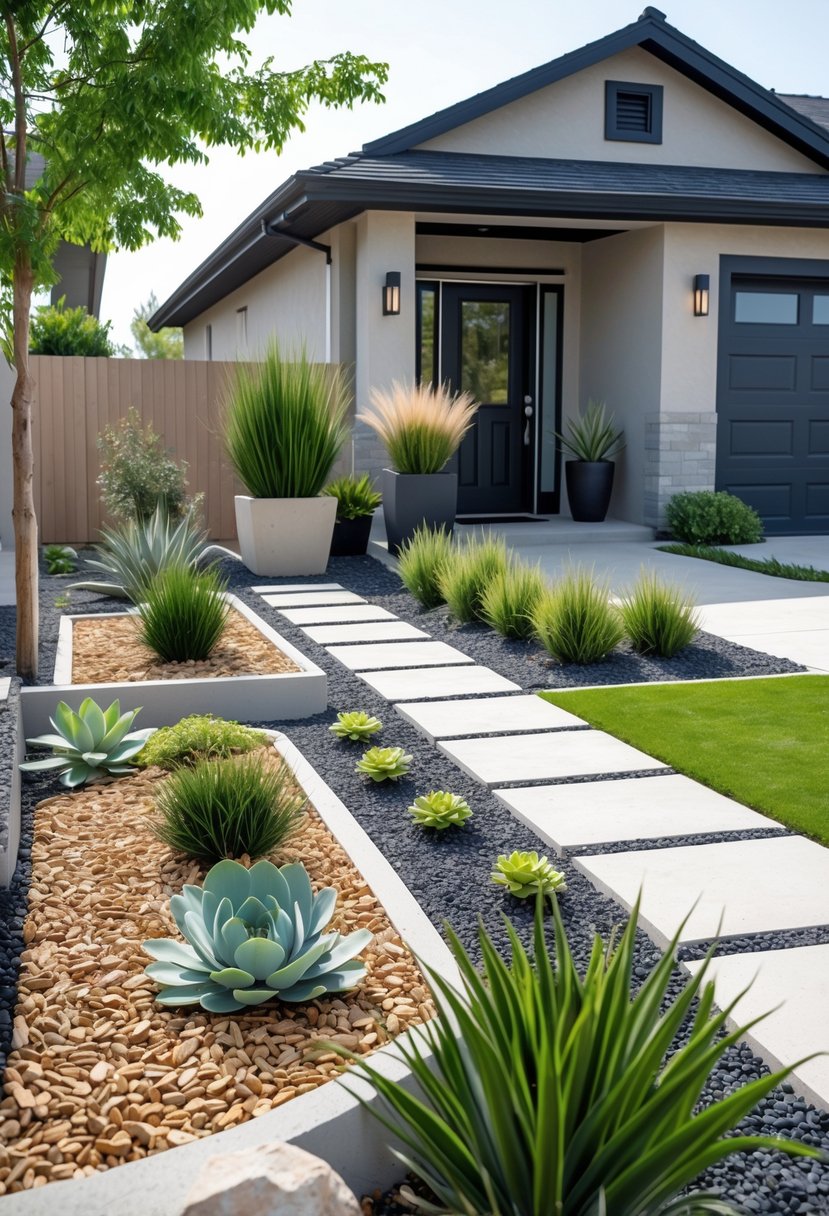
Low-maintenance small front garden ideas help you create a nice space that looks good without needing constant care. You get to enjoy your yard’s beauty without feeling buried by chores.
1) Use drought-tolerant succulents like hens and chicks
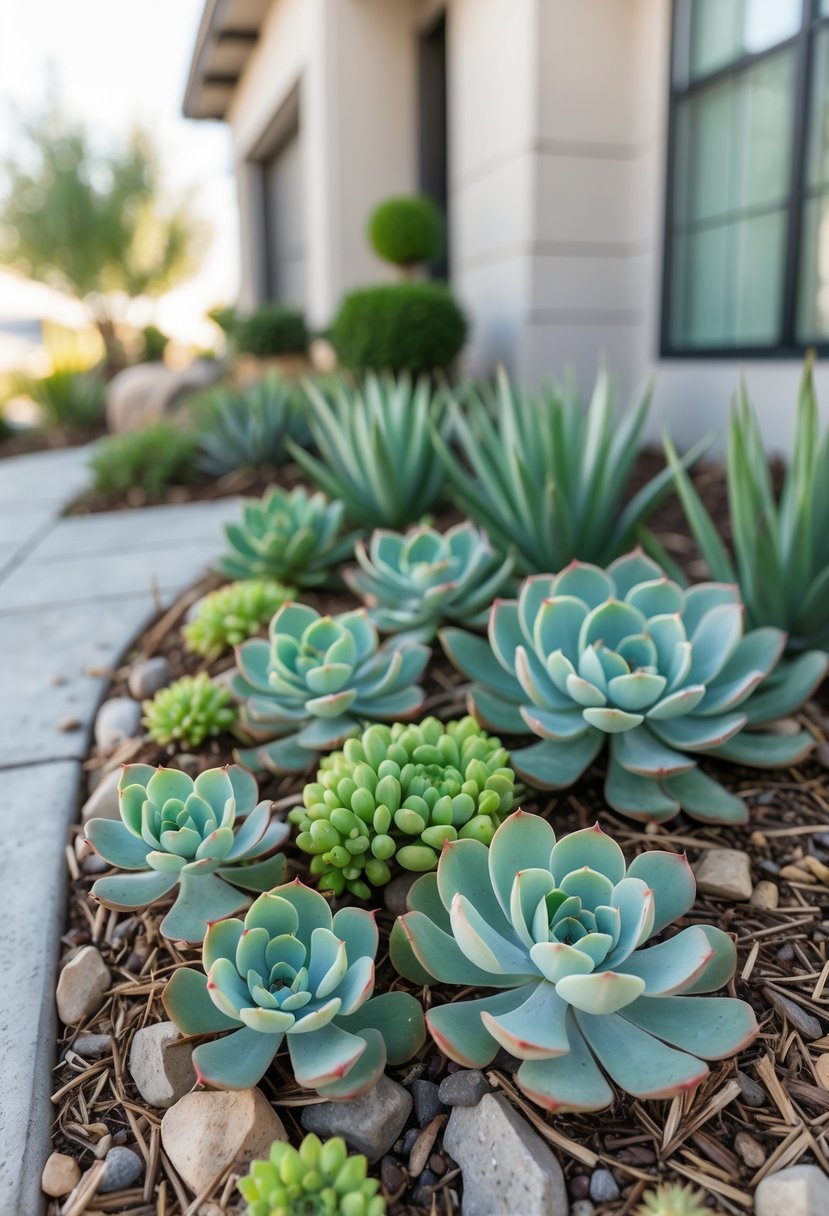
If you want a garden that doesn’t need much water, hens and chicks are a solid choice. These succulents handle dry weather like champs.
They grow in small rosettes, so your garden looks neat and a bit quirky. Try them in rock gardens or containers.
Hens and chicks spread quickly and don’t ask for much attention. If you want to dig deeper, check out this hens and chicks plant care guide.
2) Incorporate gravel or crushed stone pathways

Try adding gravel or crushed stone pathways for easy walking in your small front garden. These paths don’t need much upkeep and help keep your shoes clean after rain.
You can lay stepping stones on crushed stone for extra style and function. This combo keeps the path dry and looks sharp.
Pick gravel like pea gravel or crushed stone to match your vibe. Edge the path with bricks or metal to keep things tidy. For more, see gravel pathway tips at garden.eco.
3) Plant ornamental grasses such as blue fescue
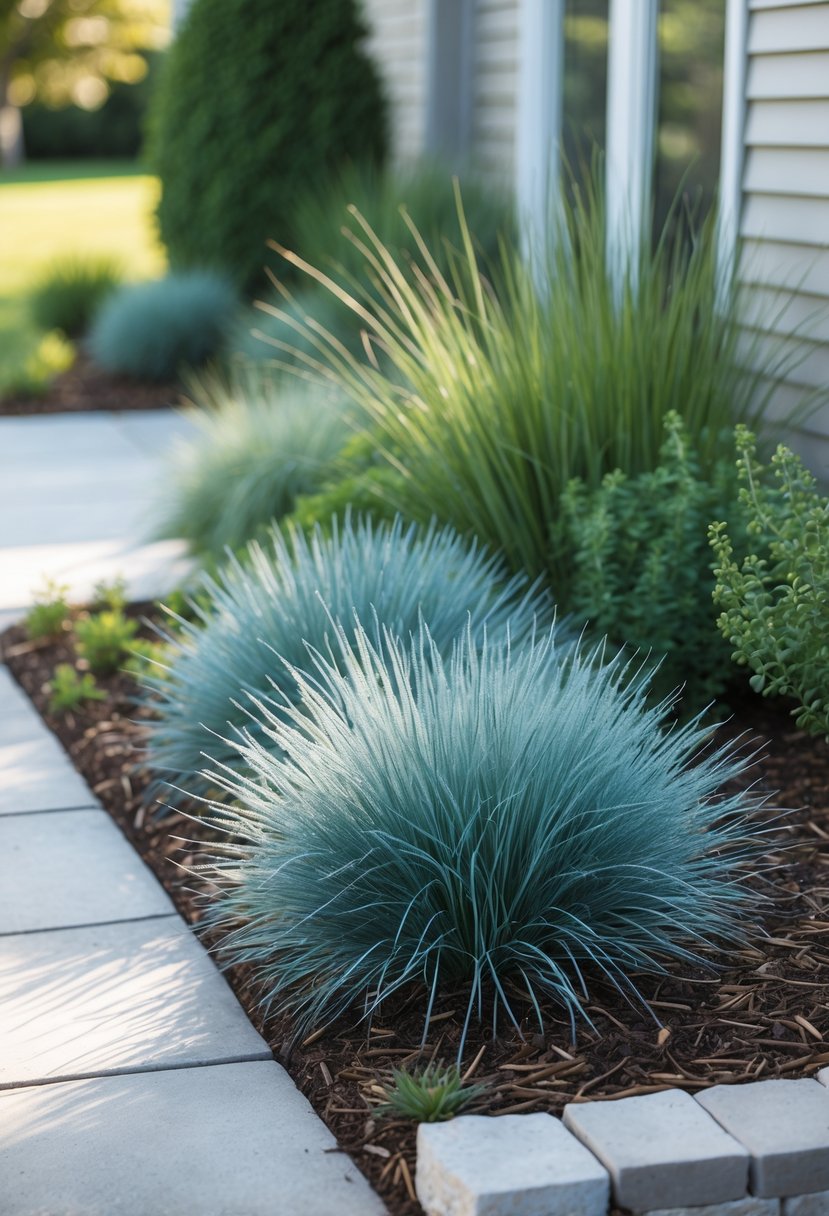
Bring in some blue fescue for texture and color. This grass has blue-gray leaves that stay tidy and compact, even in winter.
Blue fescue barely needs any care and shrugs off drought. It fits perfectly in small spaces or as a border plant.
Because it grows in clumps, you can group a few together for a fuller look. It pairs well with flowers or shrubs too. For growing tips, check out how to grow blue fescue.
4) Add a small raised bed with herbs like rosemary and thyme

Try adding a small raised bed to your front garden. It saves space and keeps herbs in check.
Rosemary and thyme thrive in raised beds and barely need any attention. They love well-drained soil, which raised beds provide.
Having fresh herbs nearby means you can snip some anytime you cook. Plus, they smell great and stay green all year.
If you’re curious about growing herbs in raised beds, here’s a guide to growing herbs in raised beds.
5) Install a gravel mulch to reduce weeds

Tossing down a layer of gravel mulch keeps weeds out of your garden.
Spread about two inches of gravel mulch for a clean look and less weeding.
Gravel mulch lets water flow through but blocks weeds from sprouting. Your plants stay healthier this way.
It also gives your front yard a neat, natural vibe. Want more ideas? Check these rock-and-mulch landscaping ideas.
6) Use low-growing ground cover like creeping thyme

Creeping thyme works wonders in a small front garden. It hugs the ground and fills gaps without fuss.
It loves the sun and doesn’t need much water once it’s settled in. That’s a win for low-maintenance.
You can walk on it, and it won’t mind. The tiny flowers add pops of color and attract pollinators.
Try planting creeping thyme between pavers or along paths for a natural look. It’s simple, charming, and doesn’t pile on extra work.
For more, check out creeping thyme ground cover for low-maintenance yards.
7) Build a simple paved seating area with permeable pavers

Set up a cozy seating area in your front garden using permeable pavers. These pavers let water drain, so you won’t get puddles.
Permeable pavers are easy to care for and work well in small spaces. They come in lots of shapes and colors, so you can match your style.
Building it isn’t too tricky. Dig out the spot, lay a base, and place the pavers. Add a bench or a couple of chairs, and you’ve got a great place to relax. For step-by-step help, see how to build a paver seating area.
8) Opt for native plants suited to your climate

Pick native plants that already thrive in your area. They don’t need much water, fertilizer, or fuss because they’re built for your local weather.
You’ll spend less time working in the garden. Native plants also help bees and butterflies stick around.
Start with a few native plants and let your garden fill in on its own. For more, check out guides on plants that fit your region. This move makes your front garden both low-maintenance and eco-friendly.
Want more info? Here’s a great resource on native plants for low-maintenance landscaping.
9) Include evergreens like dwarf boxwood for year-round greenery

Keep your small front garden green all year by planting evergreens like dwarf boxwood. These shrubs stay full and tidy with barely any effort.
Dwarf boxwoods make great borders or small hedges. They add structure and keep your garden looking organized, no matter the season.
Boxwoods also handle pruning well, so you can shape them to fit your space. If you want a garden that’s always green and easy to manage, dwarf boxwood is a smart bet.
Check out more boxwood landscaping ideas for small spaces here.
10) Create a small rock garden with stones and succulents

Add some charm to your front garden with stones and succulents. Start by arranging rocks of different sizes for a natural feel. Place bigger stones as eye-catchers and fill in gaps with smaller ones.
Mix in a variety of succulents for texture and color. They hardly need any water or care, so your garden stays tidy all year.
If you need ideas to get rolling, check out these low-maintenance small rock garden ideas.
11) Use decorative containers with sedums

Brighten up your small front garden with decorative containers filled with sedums. Sedums are easygoing and don’t mind drought or heat.
Pick containers that fit your style—rustic pots, modern planters, whatever catches your eye.
Sedums love sandy or gravelly soil, so they do great in fast-draining pots. Try vertical planters if you want to save space or add a twist.
Containers make it easy to move plants around and refresh your garden’s look. For more, check out creative sedum planter ideas.
12) Add a birdbath for visual interest and wildlife

Drop a birdbath into your small front garden for a fun centerpiece. Birds will stop by to drink and splash, bringing movement and life.
Pick a simple design that’s easy to clean and fits your space. Multi-tiered or stone birdbaths look nice and don’t need much attention.
Place the birdbath near shrubs or flowers so birds feel safe. It’s a small touch that helps you enjoy nature and keeps your garden low-maintenance.
Want some inspiration? Check out bird bath landscaping ideas that blend beauty and function.
13) Plant lavender for fragrance and low care

Lavender works wonders in a small front garden. It smells amazing and instantly brings a sense of calm.
This plant thrives in sunny spots and barely needs water. You won’t have to fuss over it much at all.
Bees and butterflies love lavender, so you’ll see more life in your garden. Grow it in pots or line your path with neat lavender borders.
Curious about growing lavender? Here’s a handy guide on how to grow a lavender garden.
14) Place stepping stones through gravel for easy access

Try laying stepping stones in gravel to make your garden easier to walk through. It keeps your shoes clean and marks out a clear path.
Start with a base of crushed gravel and sand, then set the stones in place. That way, they stay level and steady.
Mixing stepping stones with gravel creates a relaxed look. Add a few plants between the stones if you want a cozy, lived-in vibe.
Need help? Here’s a simple guide on how to lay stepping stones on gravel.
15) Grow compact ferns for shade-friendly spots

Got a shady spot in your front garden? Compact ferns fit right in and bring lush, green texture with barely any effort.
Ferns love moist, shaded corners under trees or beside a building. You won’t need to water them all the time; many types handle dry spells surprisingly well.
Mix a few fern varieties for a bit of contrast. Or pair them with hostas to brighten things up.
Compact ferns keep your garden looking fresh year-round. If you want more ideas, check out this guide to low-maintenance shade gardens with ferns.
16) Incorporate ornamental bamboo for privacy screens
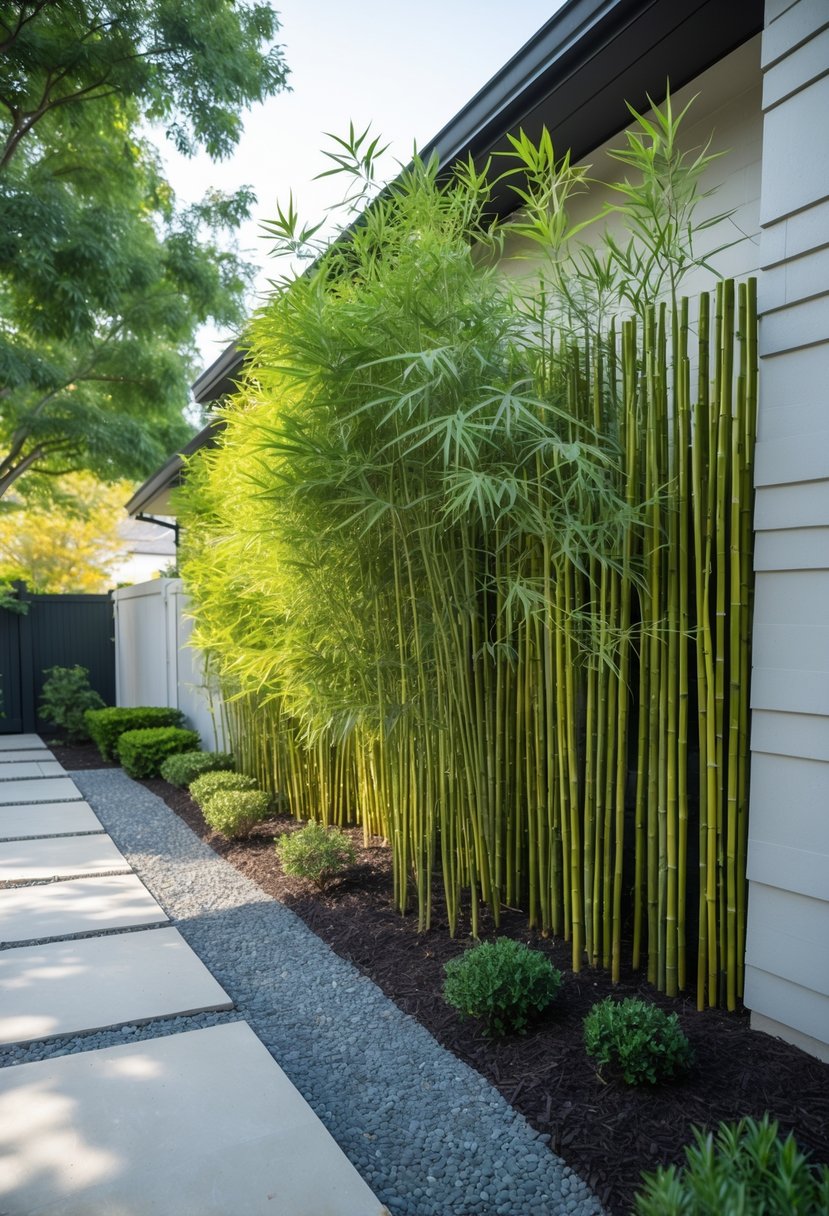
Try using ornamental bamboo for a simple, modern privacy screen. Bamboo grows fast and gives your front garden a lush green wall.
Once it’s settled in, ornamental bamboo barely needs your attention. It brings a peaceful vibe and doesn’t crowd out your space.
Stick with clumping bamboo to keep things tidy and avoid it spreading too far.
You’ll get privacy and shade all year. Want more info? Check out landscapingduty.com for how bamboo works as a privacy screen.
17) Install a drip irrigation system for efficient watering

Save yourself time and water with a drip irrigation system. It sends water right to each plant’s roots, keeping them happy and healthy.
Setting up drip irrigation is pretty straightforward, even for small spaces. Once it’s in, you don’t have to think about daily watering.
Drip irrigation also keeps weeds down since water only goes where you want it. It’s a clever way to keep your garden looking good with almost no effort.
Want to know how to set it up? Here’s a guide for efficient watering.
18) Use mulch to retain soil moisture and reduce maintenance

Mulch locks in moisture, so your soil stays damp longer. That means less watering for you.
It also blocks weeds, making your garden look tidy with less work. Use organic mulch like wood chips, bark, or straw.
As mulch breaks down, it feeds your soil. It’s a win-win for healthy plants and easy care.
Want more? Learn about mulching to save water here.
19) Plant dwarf conifers for structure and color

Dwarf conifers bring structure to your front garden without eating up space. They grow slowly and stay compact, so you won’t have to trim them much.
You’ll find dwarf conifers in all sorts of shapes and colors—greens, blues, even golds. They brighten things up, even in winter.
Stick them in beds, borders, or pots. Once they’re settled, they barely need any care. If you want more inspiration, check out dwarf conifers for small garden spaces.
20) Create a small gravel Zen garden
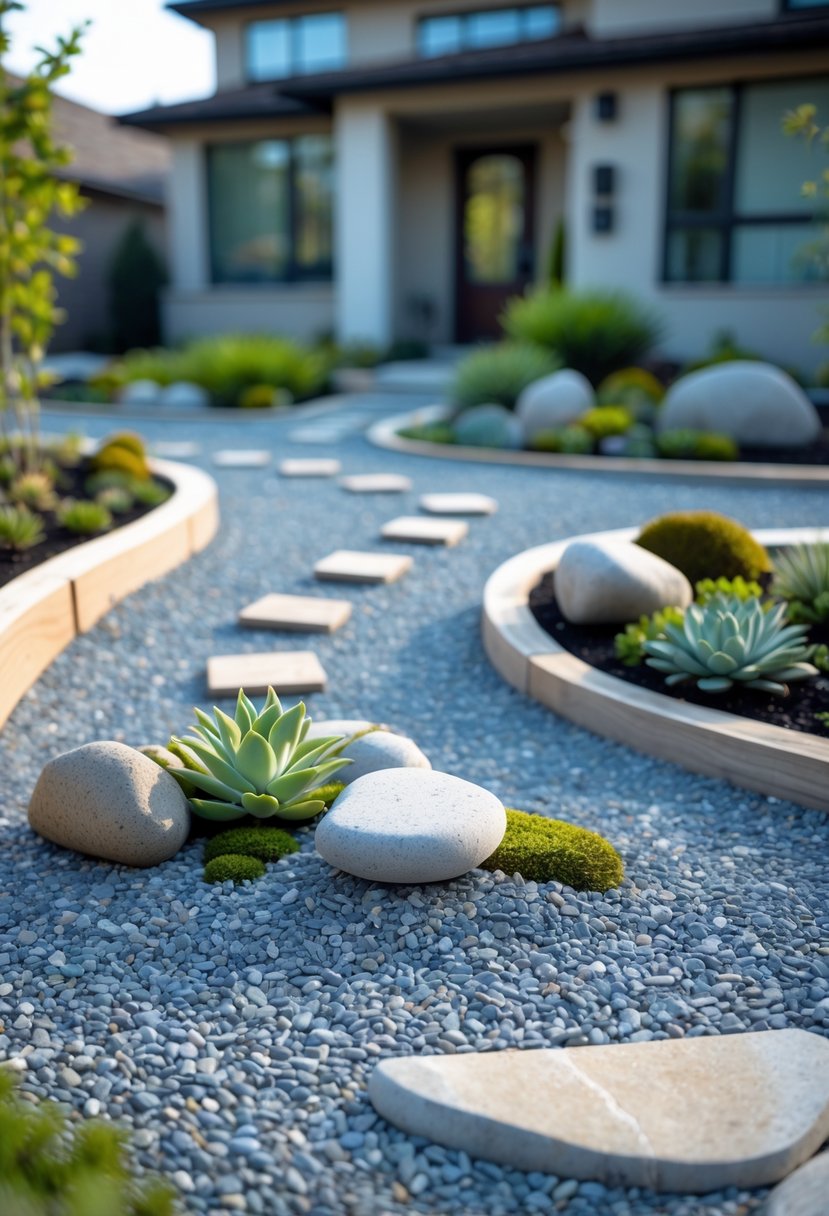
Turn your front yard into a peaceful Zen garden with gravel. Rake it into simple patterns—think of ripples in water.
Add a few big stones to stand for mountains or islands. Pick low-care plants like succulents or moss for a bit of greenery.
Gravel keeps everything tidy and low-maintenance. If you want a calm, simple look, this is it.
Looking for ideas? Here’s a page for small Zen gardens and budget-friendly Zen garden inspiration.
21) Add a few statement plants like agave or yucca

Give your front garden some bold style with agave or yucca. Their strong shapes grab attention and ask for almost no care.
Both thrive in dry spots and don’t need much watering. If you’re after a garden that looks sharp with little fuss, these are great picks.
Pair them with small succulents or gravel for a modern, tidy vibe. It’s a combo that stays cool without much effort.
Need more inspiration? Here’s a guide to front yard agave landscaping ideas.
22) Incorporate simple solar garden lights

Brighten your front garden with solar lights. They soak up sunlight during the day and light up by themselves at night.
Solar lights are a breeze since there’s no wiring or electricity. That’s one less thing to worry about.
Pick stake lights, strings, or lanterns to suit your style. They give a soft glow and highlight your favorite plants or paths.
Solar lighting saves energy and lights up walkways for safety. It’s an easy way to make your front garden more welcoming.
Want more ideas? Check out options for solar garden lights that fit your space and budget.
23) Include lavender or santolina for silvery foliage

Add a cool, fresh touch to your garden with lavender or santolina. Both have silvery leaves that brighten up small spaces.
Lavender blooms with soft purple flowers and smells great. Pollinators love it. Santolina—sometimes called lavender cotton—has bright yellow flowers and a fun texture.
They’re both tough in dry conditions and need little attention. If you want a garden that looks neat without much work, these fit the bill.
Read more about using lavender and santolina in xeriscaping.
24) Use hardy perennials like echinacea or black-eyed Susan

Keep things simple with hardy perennials like echinacea or black-eyed Susan. Once they settle in, you won’t need to do much.
Echinacea gives you bright, daisy-like blooms all summer. Black-eyed Susan brings cheerful yellow flowers with dark centers and stands up to dry weather.
Both love full sun and well-drained soil. Bees and butterflies will drop by often, giving your garden some energy.
If you want to know more, here’s a look at echinacea and black-eyed Susans.
25) Add a bench made of natural stone or wood

A bench made from stone or wood gives your garden a quiet spot to relax. Go for stone if you want something timeless and sturdy, or wood for a warmer, rustic touch.
Both options are pretty low-maintenance. Stone benches just need an occasional clean. Wood lasts well if you give it a protective seal.
Put the bench somewhere inviting so you and your guests can sit and enjoy the view. It adds character without crowding your space.
Need ideas or want to build your own? Check out these garden bench options.
Key Elements For An Easy-Care Small Front Garden
You might be surprised, but creating a good-looking, low-maintenance garden isn’t that complicated. Stick with plants that don’t need much water, toss on some mulch or ground cover to keep weeds at bay, and work in a few hard features that don’t ask for much once you set them up.
Choosing The Right Low-Maintenance Plants
Pick plants that can handle your local climate with little fuss. Drought-tolerant or native plants usually won’t need much water, and they tend to stay healthy on their own.
Succulents, ornamental grasses, and evergreen shrubs are solid choices. They hold their shape most of the year, so you won’t be out there pruning all the time.
It’s smart to go for plants with deep roots—they can handle dry spells better. Grouping plants with similar water needs together just makes sense, right?
That way, you avoid overwatering or underwatering by accident. It’s one of those little tricks that saves you time and keeps the garden happy.
Smart Mulching And Ground Covers
Mulch locks in moisture, so you’ll water less. It also keeps weeds from taking over, which means less work for you.
If you use organic mulches like bark or wood chips, they’ll slowly improve your soil as they break down. Inorganic mulches—think gravel or stones—stick around longer and give everything a tidy look.
Ground covers like creeping thyme or clover can fill up small spots instead of grass. They don’t need much mowing and add a splash of color or texture.
Mixing mulch with ground covers gives your garden a neat, low-fuss base. It’s a simple move that really pays off.
Incorporating Hardscaping Features
Hardscaping is all about non-plant stuff: paths, rocks, benches—things that don’t need watering or trimming. These features make life easier if you want a garden that doesn’t demand much.
Try laying down gravel paths or stepping stones. They help people move around and keep the soil from getting packed down.
A small rock garden or a few decorative boulders can make things more interesting, even in winter. Benches or a little seating area invite you to actually sit and enjoy your garden, not just work in it.
Hardscaping breaks up all the green and can shrink the space you need to maintain. For more ideas, check out these small front yard landscaping ideas.
Keeping Your Front Garden Neat With Minimal Effort
If you want your front garden to look tidy without spending ages on it, focus on practical watering and clever ways to cut down on weeding.
These tricks help you save water and time, plus your plants will thank you.
Effective Watering Tips
Try watering in the early morning or late evening to avoid losing too much water to evaporation. Drip irrigation or soaker hoses send water straight to the roots, so you don’t waste a drop and your plants stay healthier.
Grouping plants by their water needs just makes watering simpler. Mulch around your plants to keep the soil damp longer, so you’ll water less often.
Go for drought-tolerant plants, like lavender or sage, if you want to cut back on watering even more. It’s one of those choices that makes everything easier.
Simple Ways To Reduce Weeding
Throw down a thick layer of mulch to block sunlight and stop weed seeds from getting a chance to sprout.
Organic mulches like wood chips or bark break down over time and make your soil better, too.
If weeds just won’t quit, try putting landscape fabric under your mulch for extra backup.
Plant ground covers or low-growing shrubs close together. That way, you’ll shade the soil and leave less room for weeds to sneak in.
Yank weeds out as soon as you spot them. Trust me, regular quick checks save you a ton of work later.
If you’re curious about keeping your yard looking neat with less effort, check out these low-maintenance landscaping ideas for small yards.


