

Budget-Friendly Garden Shed Skirting Ideas to Transform Your Outdoor Space
If you’ve got a garden shed, adding skirting can really boost its appearance and help protect the base from weather and pests.
Skirting covers up that awkward gap between the ground and your shed, so everything just looks tidier and more finished out there.
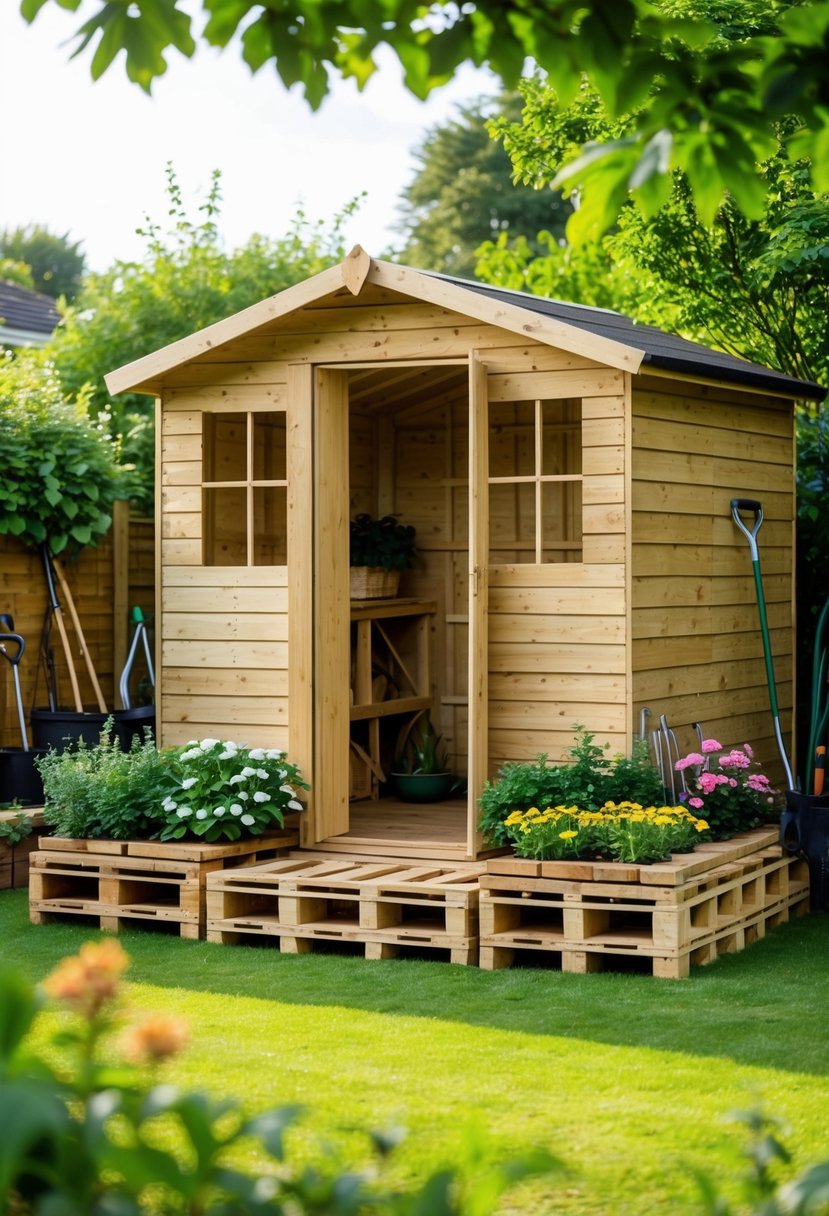
Budget-friendly shed skirting ideas let you upgrade your shed without blowing your wallet. There are so many simple options out there—plenty to match your style and what you actually need. You’ll find something that works for your garden and your budget.
You don’t need to be a pro to make your shed look and work better with the right skirting. Lots of these solutions are quick to install, so you can refresh your space in no time.
1) Vinyl lattice panels for ventilation and critter protection

Vinyl lattice panels work well if you want your shed to stay ventilated. The gaps let air move through, which helps keep moisture out.
At the same time, these panels block pests and small animals. You get protection without trapping dampness underneath.
Vinyl lattice is affordable and a breeze to install. It looks clean and gives your shed a crisp look—can’t complain about that. If you’re curious, check out more vinyl lattice panel ideas.
2) Chicken wire skirting for budget-friendly pest control
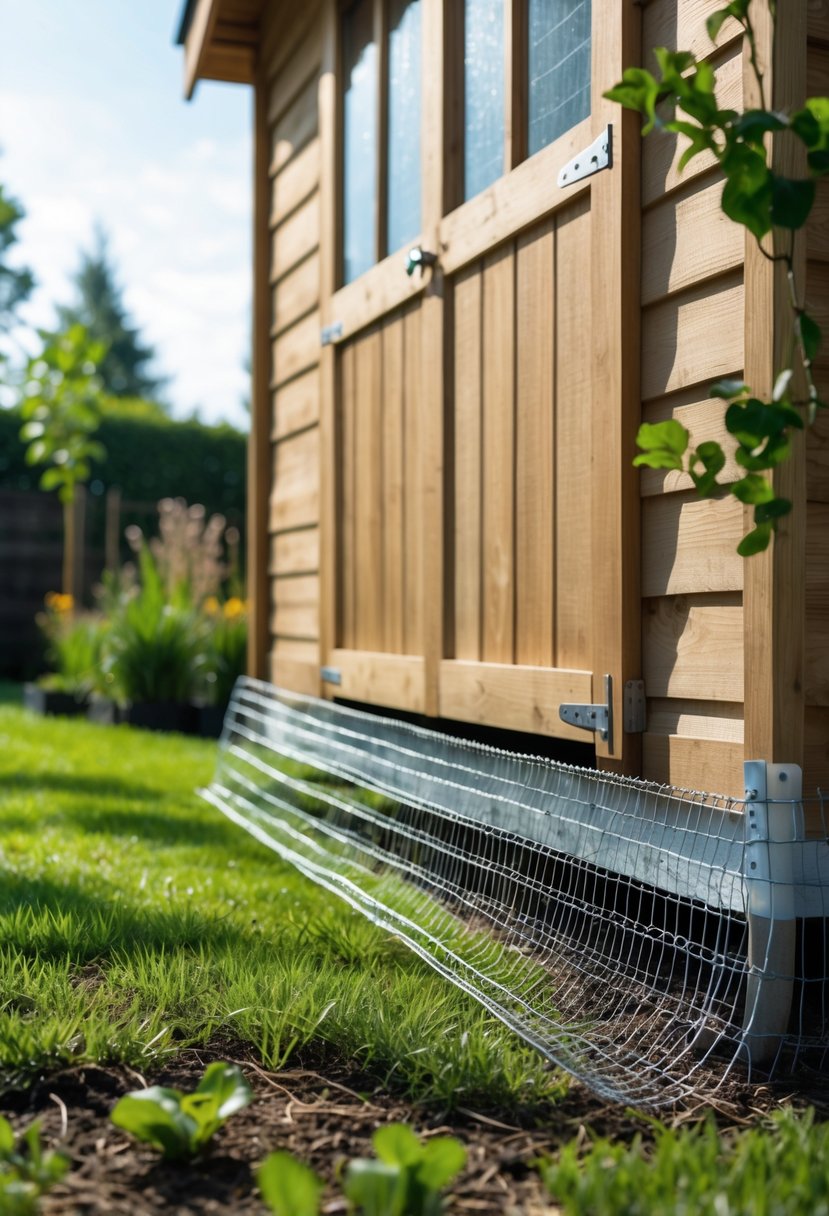
Chicken wire is a smart way to keep pests out without spending much. It’s cheap and easy to put up, especially if you just want something fast.
Air flows under your shed, which helps fight off moisture. At the same time, critters can’t build nests down there.
Chicken wire bends around all sorts of shapes, so it fits sheds of any size. It’s just super handy. Want more ideas? Take a look at chicken wire skirting options.
3) Painted plywood boards for a colorful shed base

Plywood boards make a budget-friendly skirting choice for your shed. Paint them and you can add a pop of color that either matches or stands out from your shed walls.
It’s easy to cut and install plywood around the base. Just remember to use outdoor paint so the wood holds up against the weather.
This method gives your shed a tidy, finished look and lets you play with colors. Bright shades or gentle pastels—whatever suits your vibe. For inspiration, check out shed paint ideas.
4) Recycled pallet wood for rustic charm

Recycled pallet wood brings a warm, rustic vibe to your shed. You can usually find pallets for free or super cheap if you keep an eye out.
That worn wood texture adds personality and blends in with your plants. Plus, reusing pallets cuts down on waste.
With just a few tools, you can break pallets apart and make slatted skirts that let air move under your shed. It’s practical and easy on the wallet.
Need more ideas? Have a look at free pallet shed plans and outdoor pallet features.
5) Brick veneer for a sturdy, attractive look
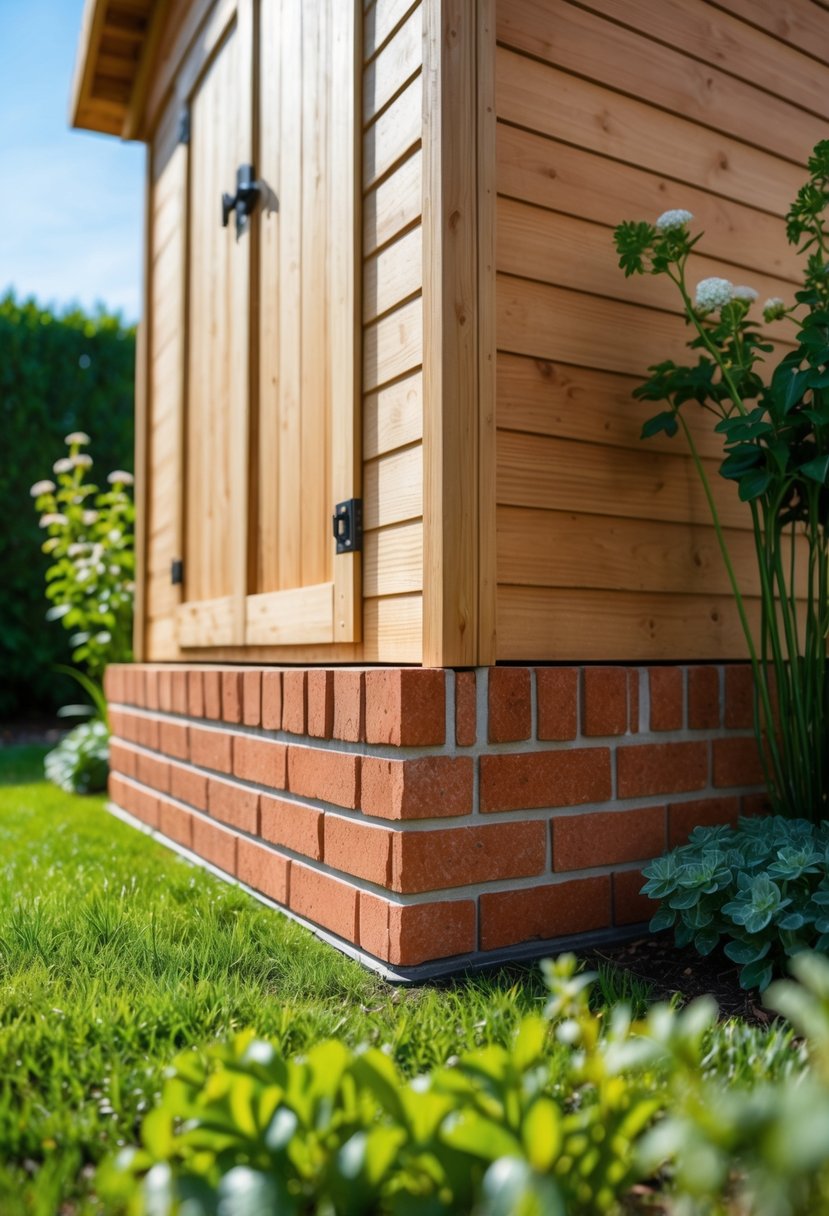
Brick veneer gives your shed a solid, sharp look. You get that sturdy feel without hauling around real bricks.
Thin brick panels are easy to install and don’t cost a fortune. They add charm and shield your shed’s base from damage.
If you want a classic style that holds up, this option balances cost and durability. For more ideas, check out GenStone’s brick skirting options.
6) Concrete blocks stacked neatly as a base cover
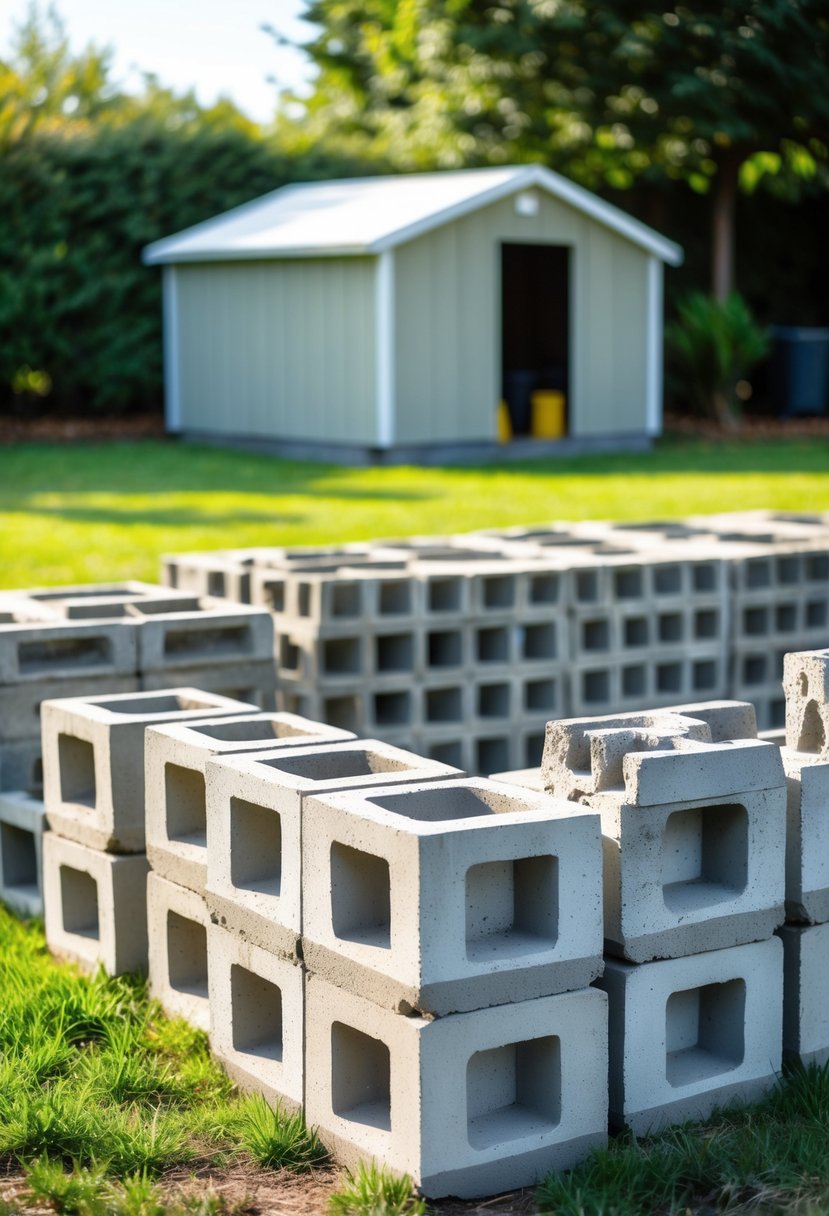
Concrete blocks are an easy way to build a strong cover around your shed’s base. Stack them to hide the gap between the ground and the floor.
They’re tough and keep out animals and junk. You can even paint or decorate them to fit your garden’s look.
If your ground isn’t perfectly flat, you can adjust the blocks as needed. Using concrete blocks is a simple, budget-friendly way to finish off your shed and add some protection. Want a step-by-step? Check this shed base guide.
7) Treated cedar planks for durability and natural beauty
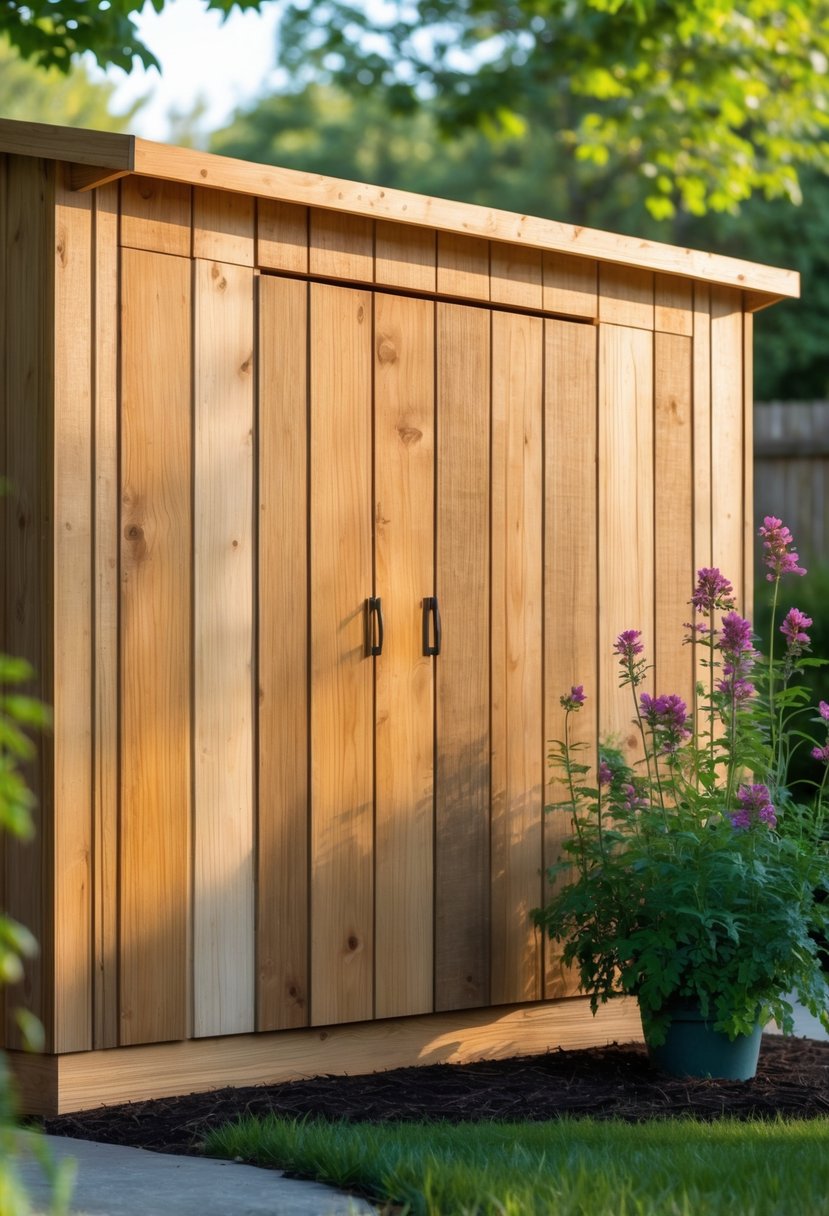
Treated cedar planks are a great pick if you want skirting that lasts and looks good. Cedar naturally resists rot, but treating it helps even more with moisture and bugs.
These planks add a warm, natural touch that fits right in with any garden. You won’t have to fuss over them much—cedar’s pretty low maintenance.
While cedar costs a bit more upfront, it saves you money in the long run because it just keeps going. It’s a solid choice if you want skirting that’s both strong and good-looking.
For more about cedar, check out cedar lumber for landscaping.
8) Faux stone panels for an upscale appearance
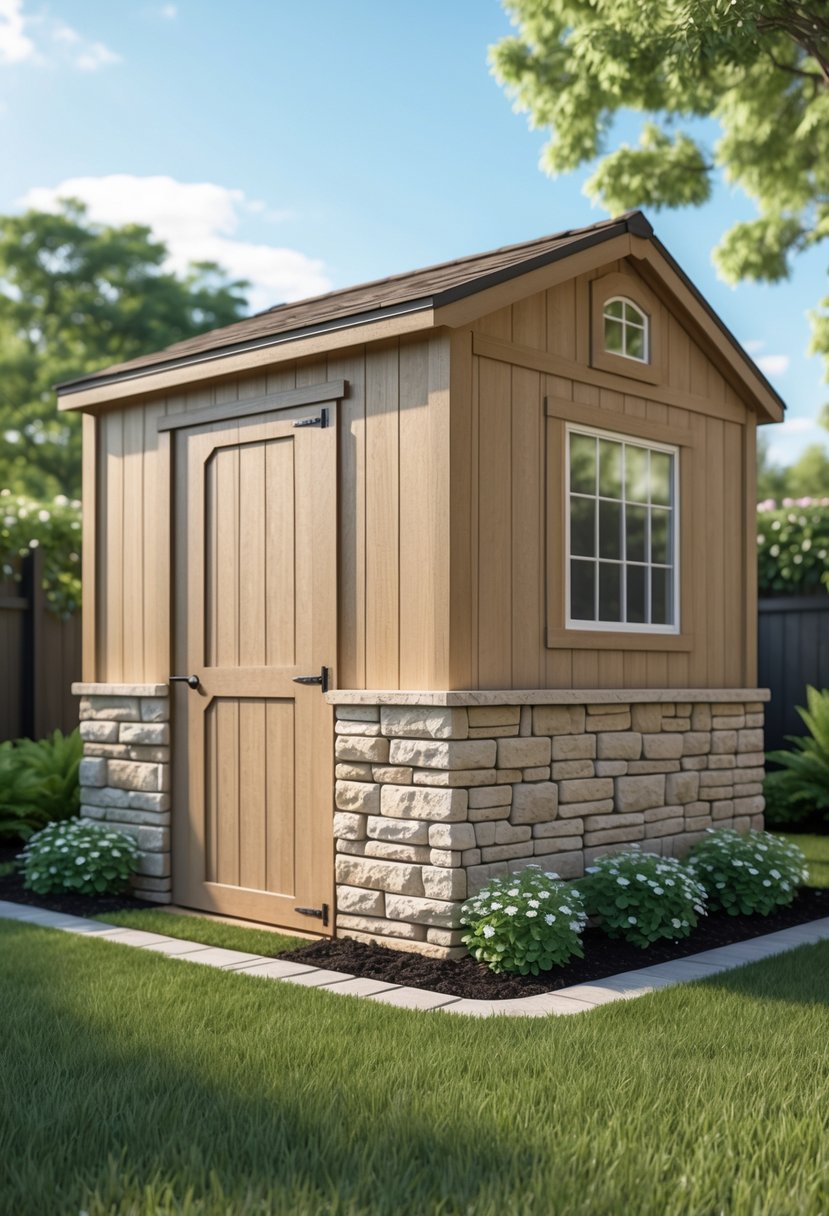
Want your shed to look a bit fancier? Faux stone panels give you that real stone vibe without the giant price tag or heavy lifting.
These panels are a snap to install, so you can update your shed fast. They don’t need much upkeep, which is always a plus.
Faux stone can really make your shed pop with a clean, polished look. There are all kinds of textures and colors, so you’ll find one that fits your style. Take a peek at some faux stone panel options.
9) Metal mesh screens to keep out rodents
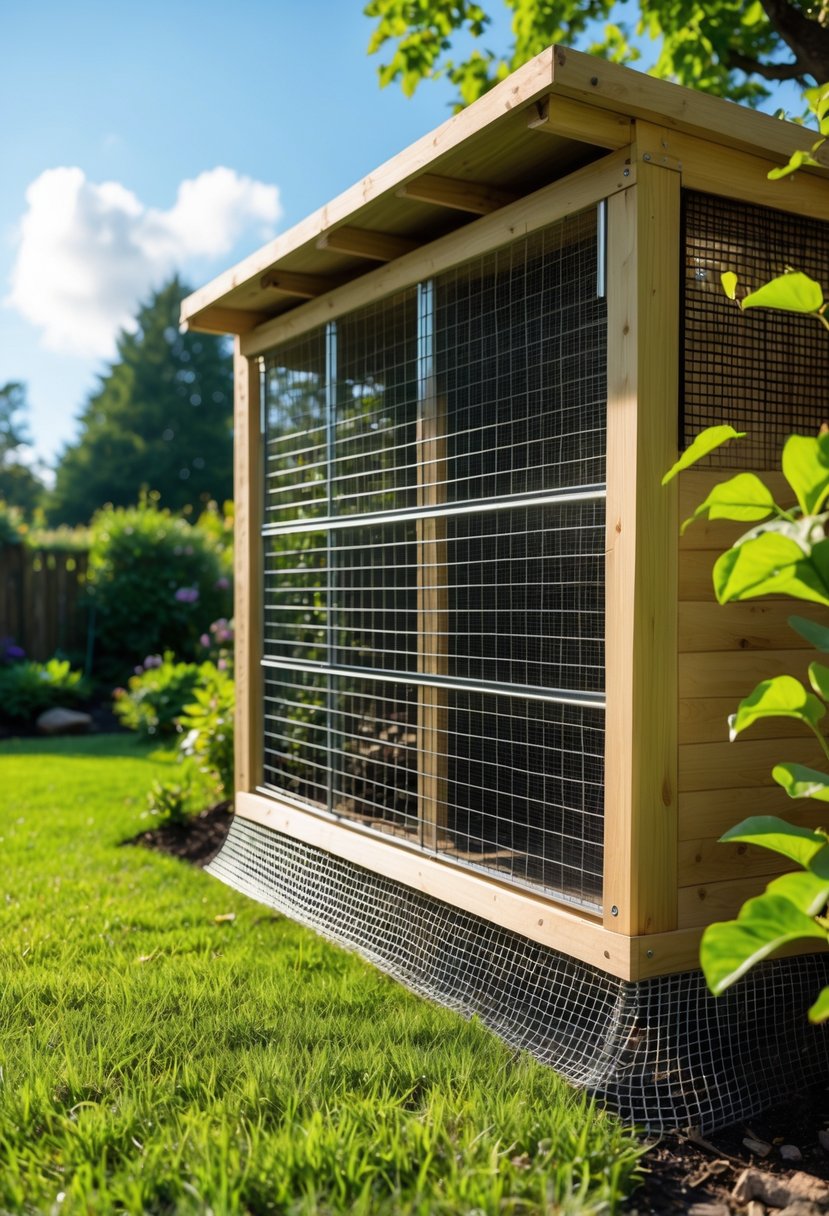
Metal mesh screens do a great job at keeping rodents out from under your shed. Usually made from stainless steel or galvanized wire, they’re tough and let air move through.
Just cut mesh rolls to size, attach them to the shed’s bottom edges, and bury a few inches for extra defense. This approach is affordable and keeps your garden space pest-free.
Need options? Check out this Rodent Screen on Amazon.
10) Landscape rocks arranged around the bottom

Landscape rocks around your shed make for easy, budget-friendly skirting. You can pick small pebbles or bigger stones, depending on what you like.
Rocks help block pests and improve drainage by the base. They also bring a tidy, natural look that just works with most gardens.
No special tools needed—just arrange the rocks yourself. It’s durable and barely needs any maintenance.
Looking for more? Here are 27 small garden landscaping ideas with rocks.
11) Corrugated metal sheets for industrial style
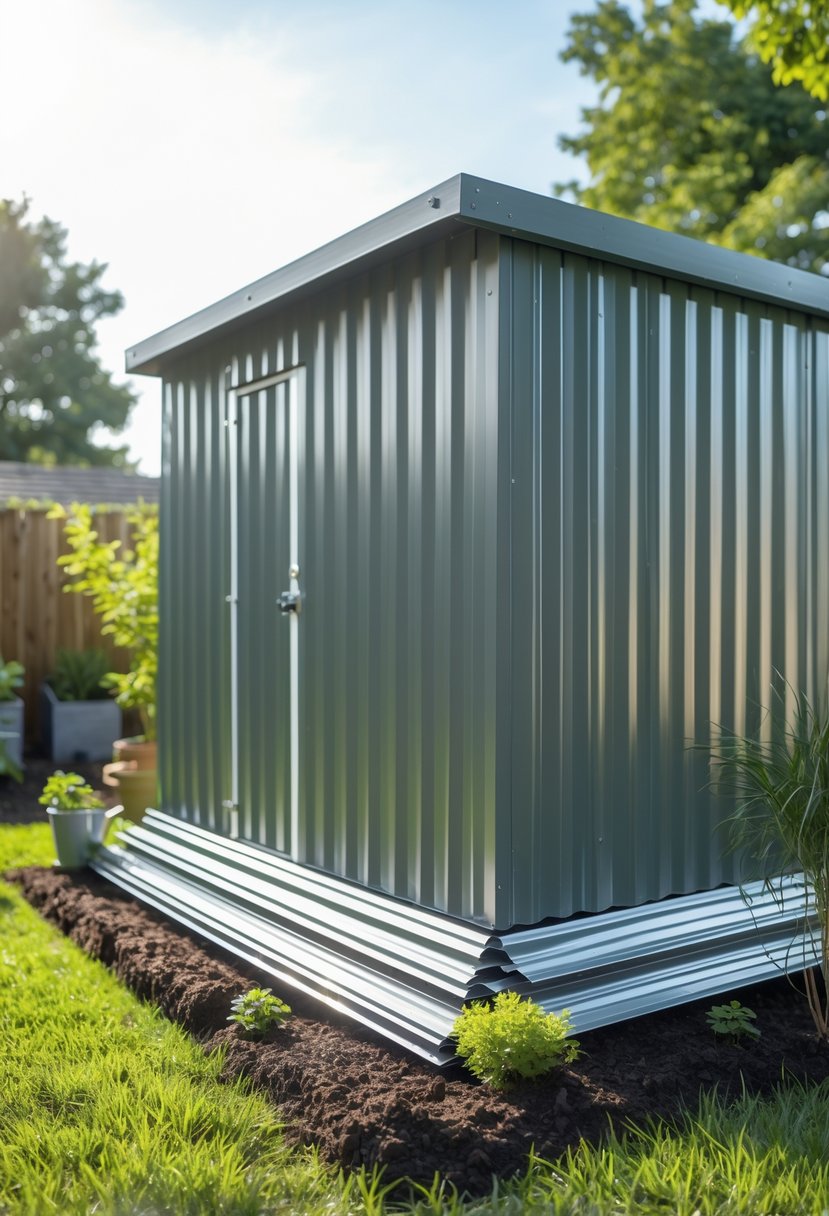
Corrugated metal sheets give your shed that cool, industrial style. They’re strong and can handle all sorts of weather.
If you want to save cash, look for metal off-cuts or dented panels at local shops—they’re usually cheaper but work just fine.
You can paint the metal sheets to add some color and prevent rust. This is a simple way to give your shed a modern edge.
Curious about using metal? Read more about painted corrugated metal sheets for shed siding.
12) Cinder block skirting with paint for a polished look

Cinder blocks make for easy, sturdy skirting around your garden shed. Just paint them to add color and give your shed a more finished look.
Pick a paint that works on concrete—bright, bold, or something that matches your shed.
Paint also helps shield the blocks from weather. You can get creative with patterns or designs if you’re feeling artsy.
This approach keeps costs down and improves your shed without much fuss. For more inspiration, see painted cinder block ideas.
13) Weather-resistant plastic panels for easy maintenance

Try using weather-resistant plastic panels to skirt your garden shed. These panels won’t rot, warp, or discolor, so they hold up in all sorts of weather.
Cleaning plastic panels is a breeze, so you won’t waste time on maintenance. You’ll find lots of styles and colors to match your shed, too.
Installing them is a pretty straightforward job and won’t cost much. If you want something durable but low-fuss, check out options like polypropylene panels for more ideas here.
14) Wooden fretwork panels to add decorative flair
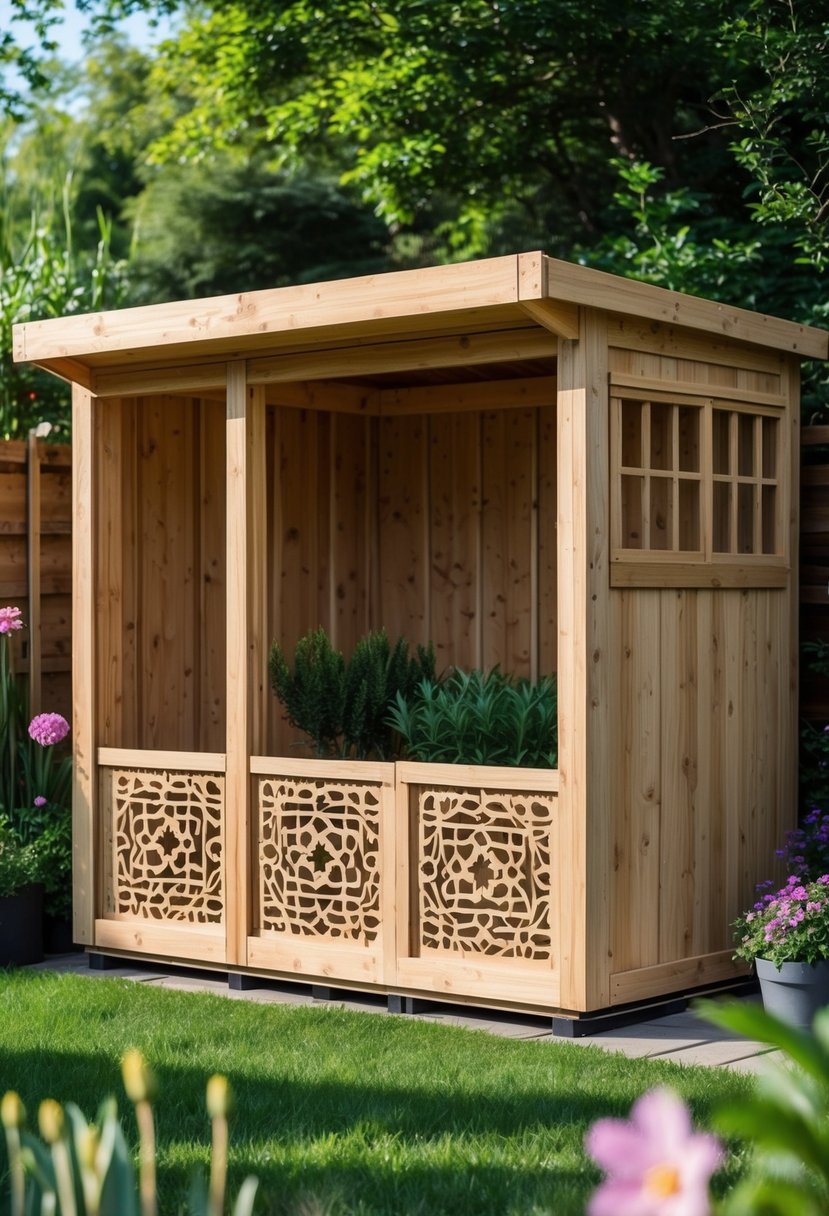
Add some wooden fretwork panels for a bit of decorative charm around your shed. These panels have lovely, detailed patterns that instantly make your shed look more interesting.
You can install them easily at the base, and it’s fun to paint or stain them to fit your style.
Fretwork panels bring a lot of character without a big price tag. They also let air circulate, which helps keep things fresh around the shed. If you’re curious, check out decorative wood panel designs to find a style that suits you.
15) Bamboo fencing as a natural, affordable skirting
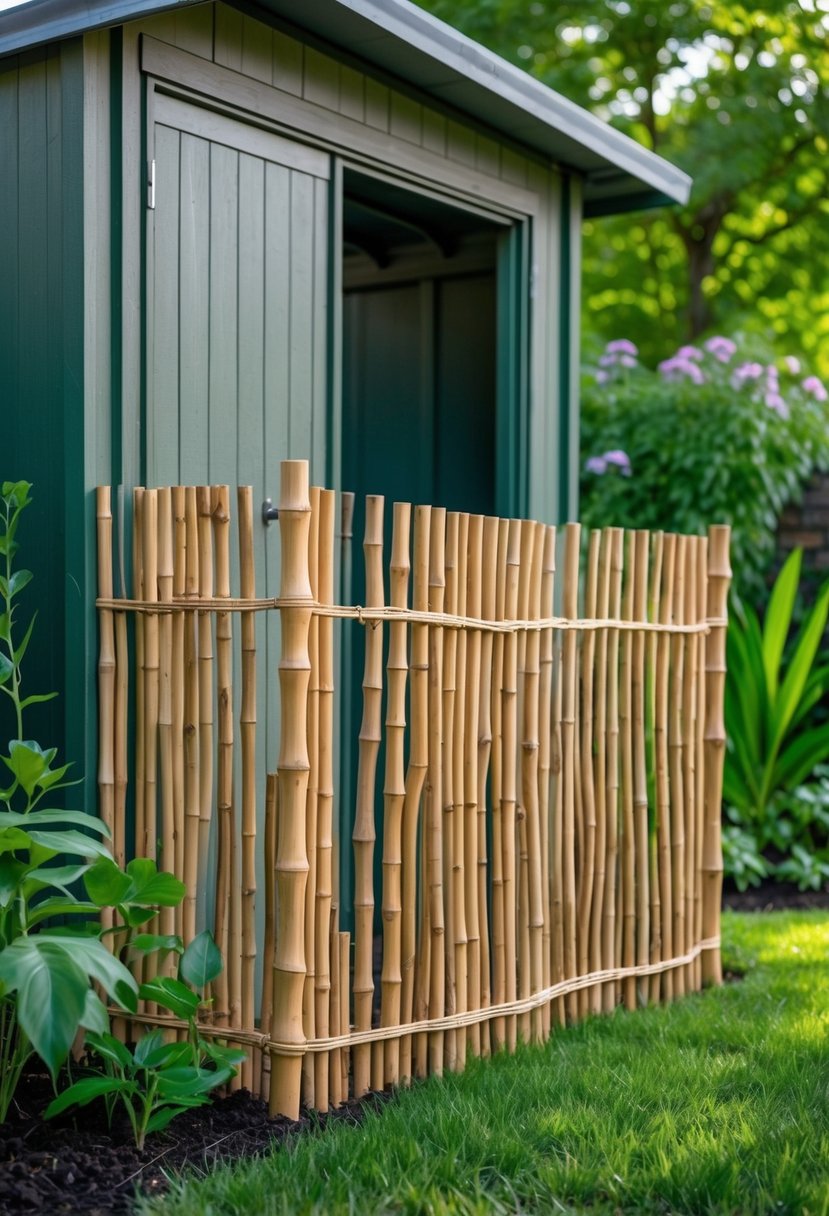
Bamboo fencing gives your garden shed a simple, earthy vibe. It’s affordable and easy to put up, so you can get it done fast.
You’ll find bamboo panels or rolls that fit just about any shed. Bamboo brings a warm, rustic look and blends in nicely with the outdoors.
It’s eco-friendly and surprisingly tough. Most people can install bamboo fencing themselves in a weekend—no fancy tools needed. For inspiration, check out bamboo garden fence ideas.
16) PVC lattice for moisture resistance

If you want skirting that stands up to moisture, PVC lattice is a solid choice. It won’t rot or get water damage like wood does.
You can set up PVC lattice quickly around your shed base. It looks clean and tidy, which really lifts your shed’s appearance.
Cleaning PVC lattice is easy, and you barely need to think about upkeep. It’s lightweight, sturdy, and can last for years without fading or cracking.
If you want to browse options, check out this page on PVC lattice.
17) Old shutters repurposed for a unique base cover

Try repurposing old shutters to skirt your garden shed for a unique look. Shutters work well as a breathable cover and add a touch of vintage charm.
You can paint them or leave the wood weathered for that rustic touch. Attach them vertically or horizontally—whatever fits your style best.
This idea saves money and reuses materials, so it’s eco-friendly, too. Old shutters also add texture and a bit of personality to your yard.
Need more ideas? Take a look at creative ways to repurpose shutters online.
18) Wire fencing topped with trimmed shrubs
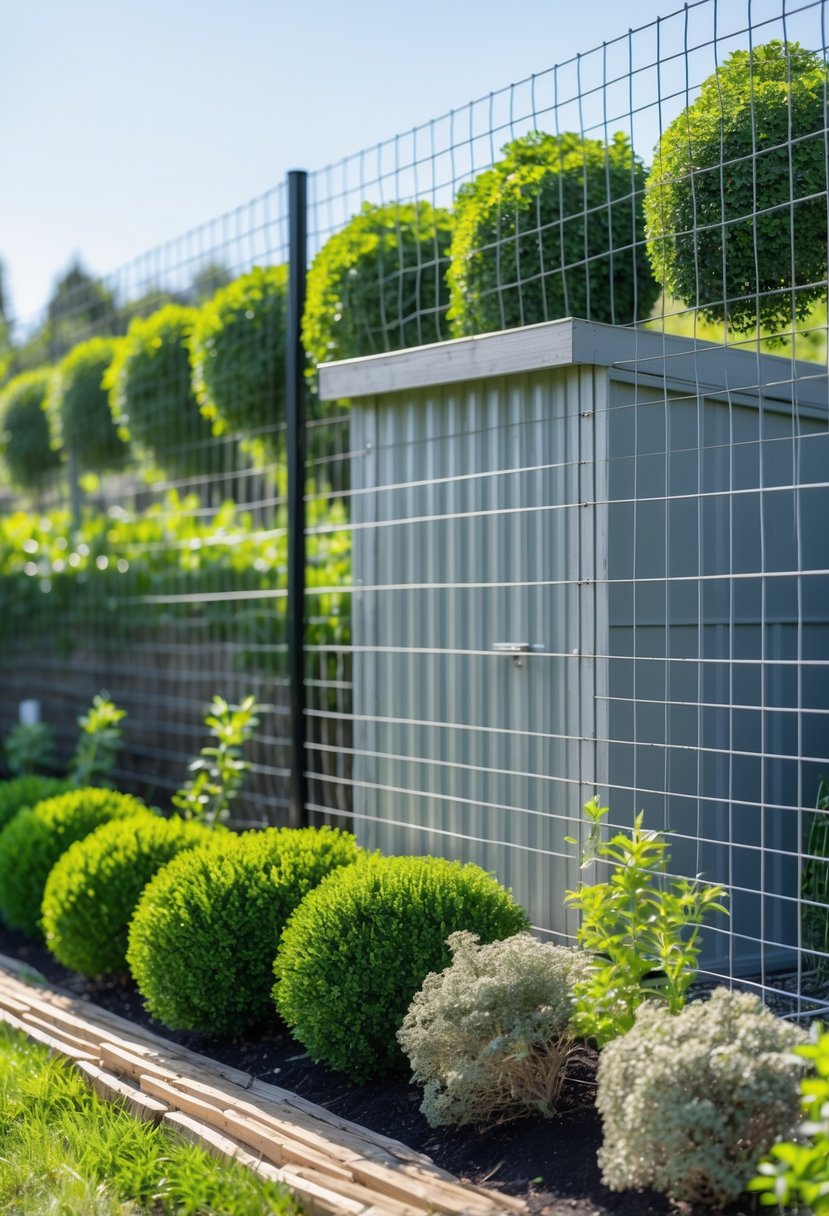
Try using basic wire fencing for shed skirting. It’s affordable and lets air move freely around your shed.
Top the wire with trimmed shrubs to soften the look. The greenery helps your shed blend in with the rest of your garden.
You’ll just need to trim the shrubs now and then to keep things tidy. For more wire fence ideas, check out 20 Cheap Diy Wire Fence Ideas You Can Build.
19) Wooden slats installed horizontally for modern appeal

Lay wooden slats horizontally to give your shed a modern edge. Go for narrow slats for a sleek vibe, or pick wider ones if you want something bolder.
You can leave gaps between the slats for airflow. Wood is pretty affordable and easy to handle, so this project won’t break the bank.
Add a stain or a coat of paint to protect the wood and match your style. For more inspiration, check out deck skirting ideas with wood slats.
20) Stacked cinder blocks with climbing vines
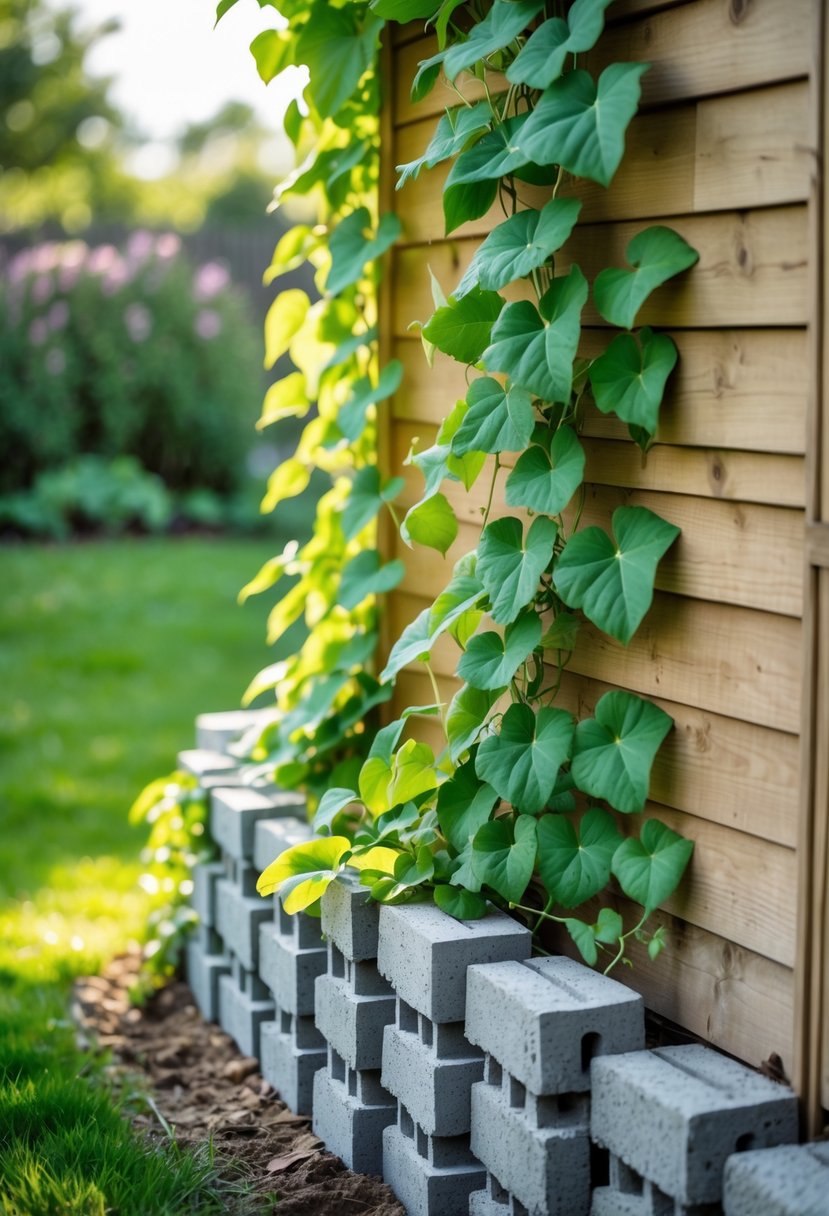
Stack cinder blocks around your shed base for a sturdy, budget-friendly skirt. The blocks form a strong frame and keep things looking tidy.
Plant climbing vines at the bottom and let them grow over the blocks. Over time, they’ll cover the blocks with green leaves and maybe even flowers.
Choose vines like ivy or clematis, since they cling to rough surfaces easily. Cinder blocks and vines help your shed blend right into your garden. For more ideas, look up creative cinder block projects with plants.
21) Brick pavers half-buried around the shed edges

Try edging your shed with brick pavers half-buried around its base. This keeps dirt and mulch away from the shed and looks neat.
Brick pavers last a long time and add a classic touch. Let the bricks settle before you add soil or mulch, so they stay put.
It’s a simple, budget-friendly DIY project. Brick edging also pairs well with garden paths or flower beds. For more, see shed skirting with brick.
22) Plastic garden edging strips painted bright colors

Use plastic garden edging strips to skirt your shed if you’re on a budget. They’re easy to install and bend around corners or curves.
Paint them in bright colors for a playful, eye-catching look. Match your shed or go bold with a contrast—it’s up to you.
Plastic edging doesn’t rot or rust, and you can repaint it whenever you want a new look. For affordable options and more ideas, check out plastic edging strips here.
23) Vinyl skirting panels for a clean, uniform look

Vinyl skirting panels give your shed a crisp, tidy look. They come in colors like white, brown, and silver, so you can match your shed’s style.
You’ll find them easy to install, and they hardly need any maintenance. Vinyl panels also keep pests and debris out from under your shed.
They’re tough enough to last through rough weather, too. If you want a polished look without much effort, vinyl skirting is a smart pick. Check out vinyl skirting panel options for more ideas.
24) Stone chips and gravel for good drainage and finish
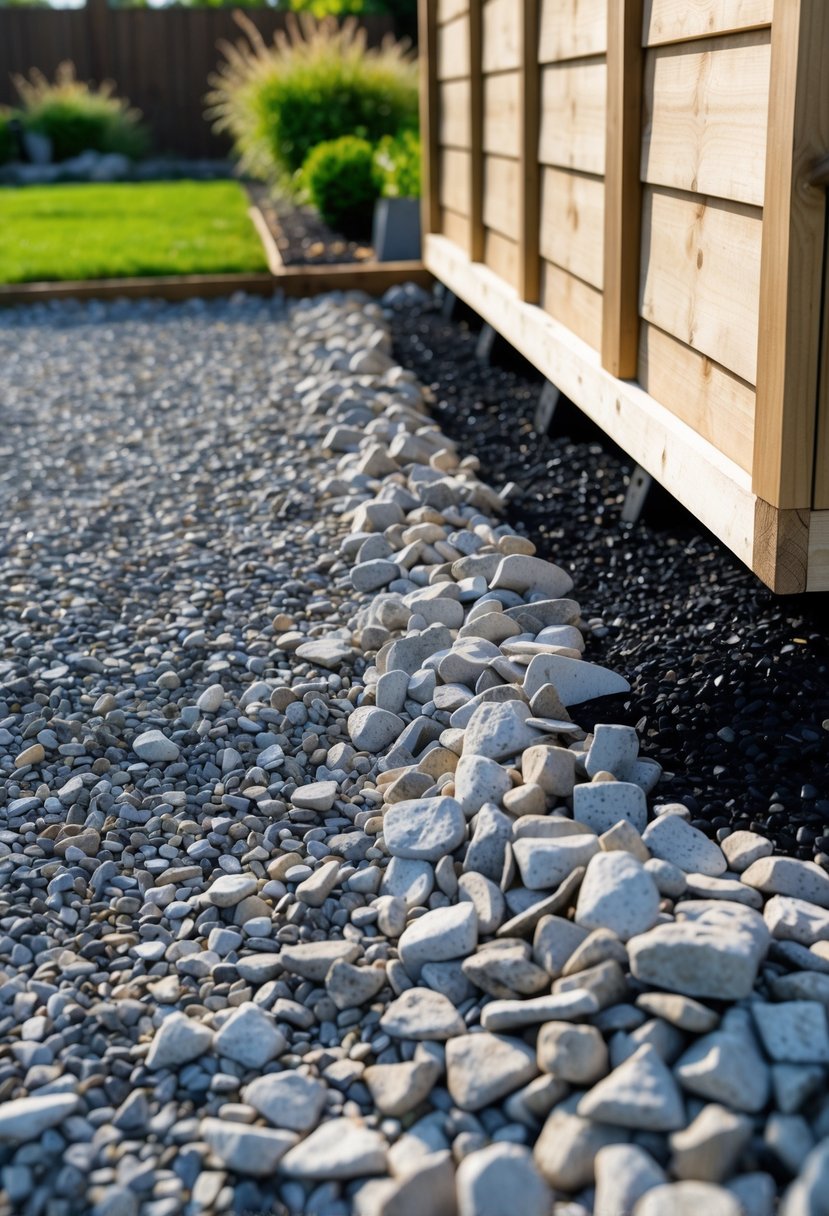
Spread stone chips or gravel around your shed to keep water away from the base. This helps stop moisture damage and mold.
Gravel gives your shed a clean, finished look and it’s easy to put down. It won’t cost much, either.
Pick smaller stones like pea gravel or crushed stone for better drainage. These stones let water drain so puddles don’t form around your shed.
If you want something low-maintenance and natural, this is a solid choice. You’ll find more tips on the best gravel types for drainage in landscaping guides.
25) Metal garden trellis to grow plants as skirting

Try a metal garden trellis as an easy, budget-friendly way to skirt your shed. It adds some height and style, and gives your climbing plants a good support to grow on.
Metal trellises look nice on their own, but they really shine when covered with flowers or vines. They help create a green screen around your shed.
Metal stands up well to the weather, so your trellis will last for years. If you want something simple and attractive, this is a great option.
For more ideas, check out metal trellises for shed skirting at renovatedfaith.com.
Choosing the Right Materials for Shed Skirting
Picking shed skirting materials is all about finding the right balance between durability and cost. You want something that stands up to the weather and doesn’t blow your budget—so your shed stays protected, and you don’t have to stress about it.
Weather Resistance Considerations
Your skirting deals with rain, wind, and sometimes snow, so it really needs to stand up over the years. Vinyl and pressure-treated lumber handle water well and don’t rot easily.
Vinyl also keeps pests away and barely needs any upkeep. If you use untreated wood, it can warp or rot quickly in damp areas.
Brick or natural stone last a long time, but wow, they’re heavy and can get pricey. Chicken wire? It’s cheap and lets air move, but honestly, it doesn’t really protect against weather. Weather protection matters more than you might think.
Consider your climate and how much time you want to spend on maintenance. If you’re after something low-fuss, vinyl or treated wood make sense.
Cost Comparison of Popular Skirting Materials
Here’s a quick look at common skirting materials and how much you might pay per square foot:
| Material | Approximate Cost | Notes |
|---|---|---|
| Vinyl | $2 – $5 | Easy to install, weather and pest resistant |
| Pressure-treated wood | $3 – $6 | Durable, might need sealing over time |
| Brick or natural stone | $10 – $15 | Long-lasting but expensive and heavy |
| Chicken wire | $1 – $3 | Very cheap but minimal protection |
Vinyl and treated wood offer solid durability for a fair price. Chicken wire is super cheap, but let’s be honest, it mostly just keeps critters out.
Stone or brick? Those are for folks who want something permanent and don’t mind the extra cost.
Pick the material that fits your budget and gives you the protection you want. Honestly, most people go for a balance between price and strength.
If you want more ideas, you can dive into different shed skirting options.
Enhancing the Look and Function of Your Garden Shed
Making your garden shed both attractive and useful isn’t hard or expensive. You can help it blend into your yard, keep pests out, and even cut down on chores with the right skirting.
Integrating Skirting Into Your Landscape
You want your shed to actually fit in with your garden, right? Materials like wood lattice or stone can create a natural look that feels like it belongs.
Try adding climbing vines or shrubs at the shed’s base to soften the edges a bit. Matching the skirting color to your shed or house pulls everything together for a more finished vibe.
If you place your shed near flower beds or walkways, you can use stepping stones or mulch to tie in with the skirting style. Skirting that hides the shed’s foundation also helps keep bugs and rodents from sneaking underneath.
That’s one more way to protect your tools and supplies, and honestly, it just looks better too.
Low-Maintenance Options for Busy Homeowners
If you’re not keen on spending tons of time on upkeep, go for skirting materials that clean up easily and last a long time. Vinyl lattice panels, for example, don’t rot and you’ll never have to paint them.
Metal or composite boards work well, too. They stand up to rough weather and barely need any attention.
Skip untreated wood—it warps and just invites pests. Who wants that headache?
For even less hassle, look for skirting designs that let air flow underneath. Good airflow helps prevent moisture and keeps your shed dry.
Removable panels are another smart move. They make it simple to clean or get under the shed if you ever need to.
If you stick with straightforward, tough materials, your shed should look good with almost zero extra effort. Curious about more creative or stylish options? Take a peek at this page on creative shed skirting options.


