

Mosquito Repellent Plants for Patios and Yards
Mosquitoes follow carbon dioxide, body heat, and odor, so a fragrant patio can feel more comfortable when you pair plants with practical mosquito control. Herbs and flowers such as lavender, rosemary, basil, mint, and marigolds add color and useful aromas while supporting pollinators and outdoor entertaining.
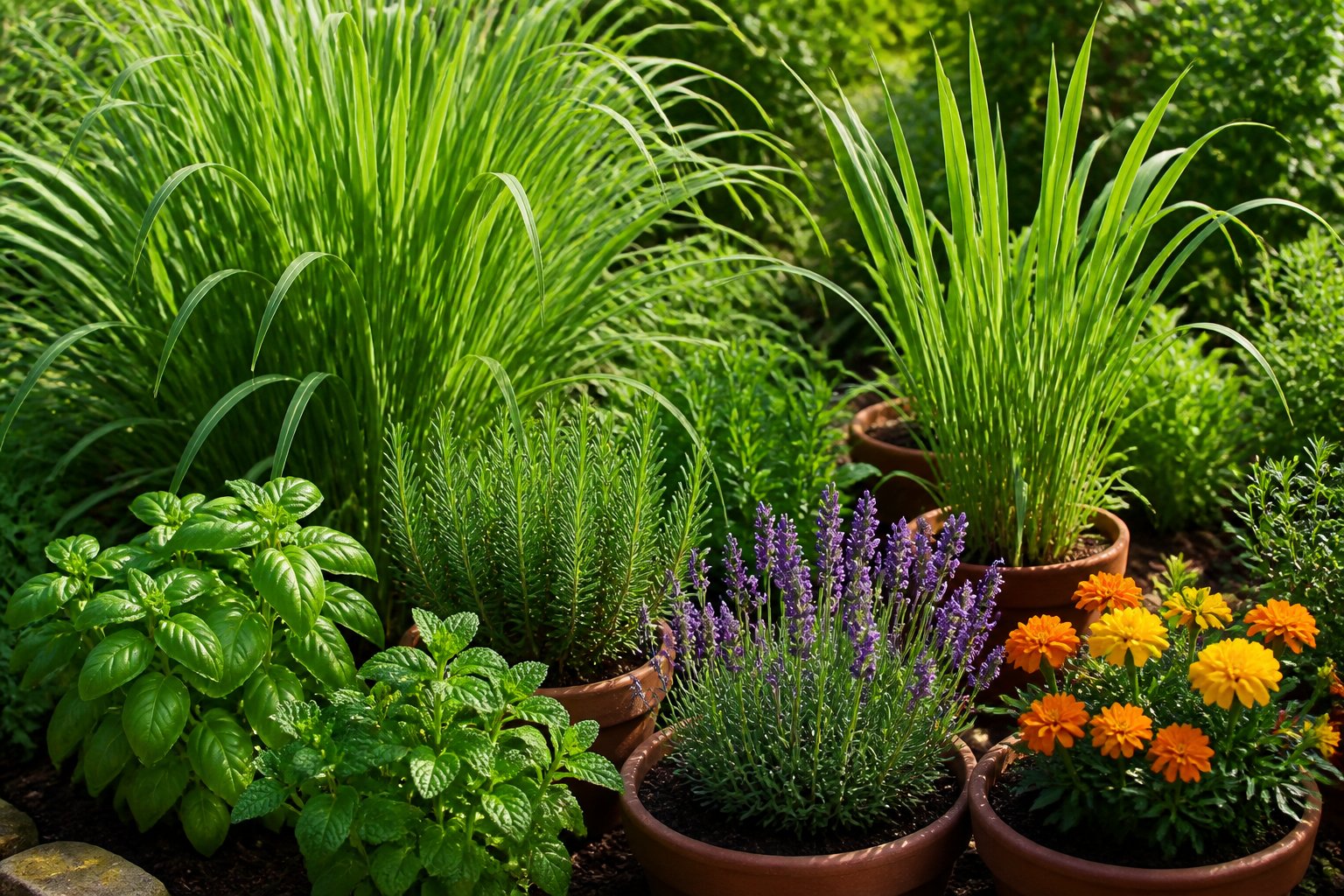
Mosquito repellent plants work best as one layer of defense. Their scent becomes more noticeable when leaves are brushed or crushed, while removing standing water, using screens, and choosing a proven repellent provide broader protection. Select plants according to your sunlight, container space, climate, and household pets. For more help with outdoor pest prevention, explore these garden pest control tips.
1) Catnip
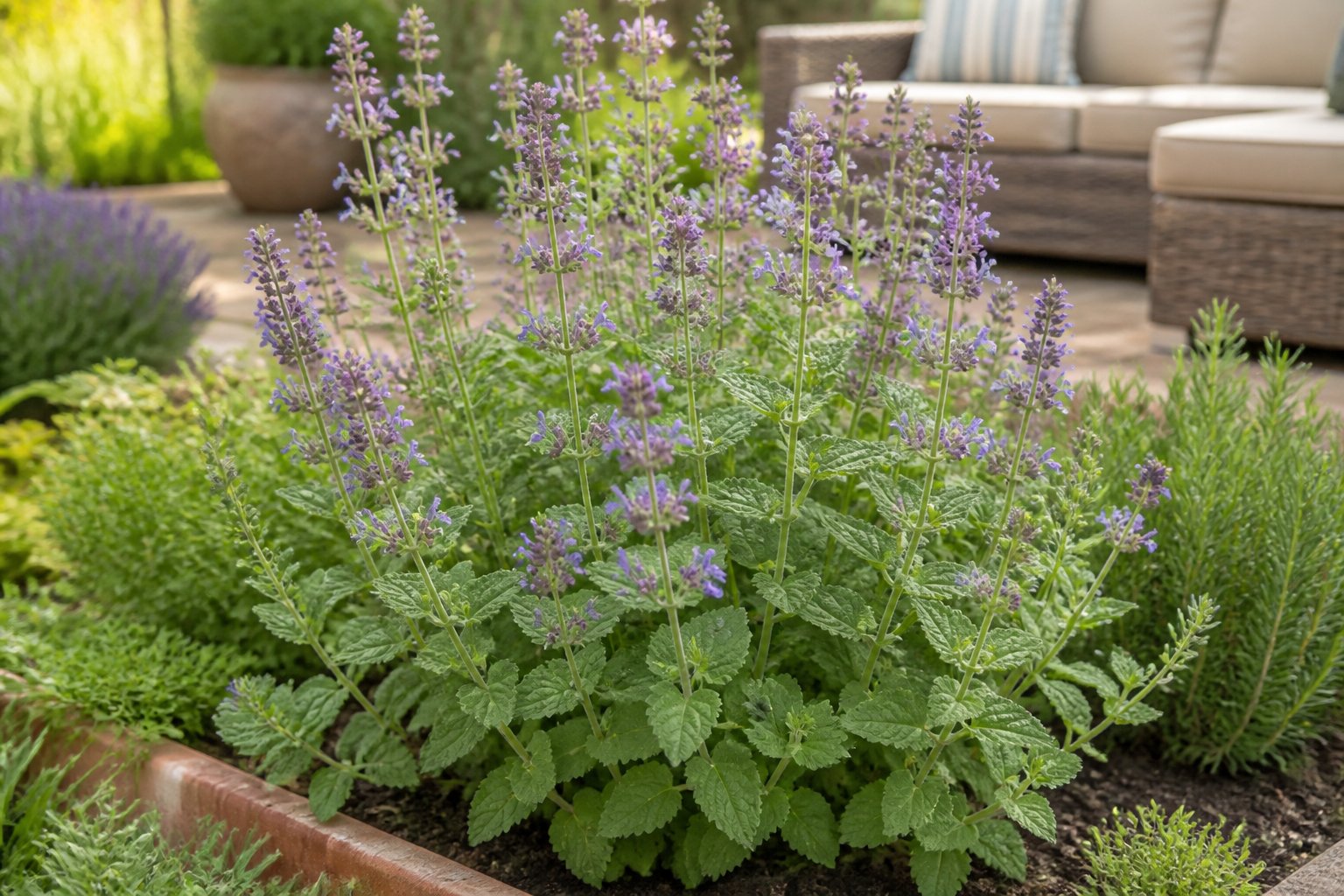
Catnip (Nepeta cataria) contains aromatic compounds that help deter mosquitoes, and it grows quickly in full sun. Its soft, gray-green foliage and small flowers suit patio containers, raised beds, and pollinator-friendly borders.
Keep catnip in a pot because its spreading habit can overtake a garden bed. The plant reaches about 2 to 3 feet tall and wide and prefers loamy or sandy, well-drained soil. USDA Zones 3 to 7 provide suitable growing conditions.
Catnip attracts cats, so place it where feline visitors will not damage the plant or disturb your seating area. It is also listed as toxic to cats, making pet-safety guidance especially important before planting.
2) Lemon Eucalyptus
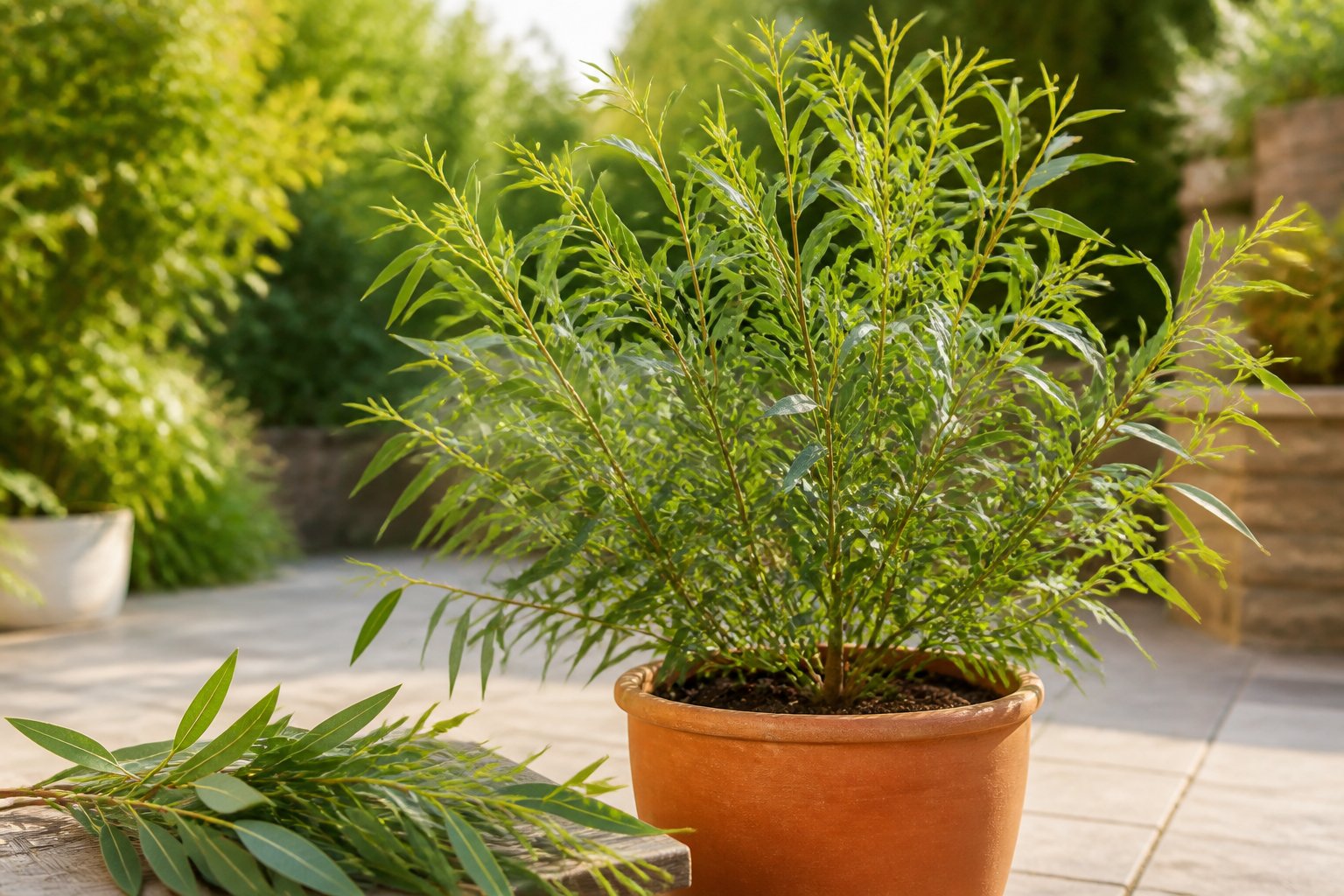
Lemon eucalyptus provides strongly scented foliage that fits warm, sunny patios and container gardens. Choose a compact variety for a pot, since eucalyptus trees can become very large in their native habitat.
Give the plant full sun and sharply draining soil. A large container helps stabilize the plant as it grows, while moving it indoors protects it from harsh winter cold in regions outside its preferred climate.
Crushing a leaf releases a brighter aroma, although a potted plant produces a less concentrated effect than distilled oil or a registered mosquito repellent. Use the foliage as an atmospheric deterrent alongside screens, fans, and standing-water removal. These eucalyptus garden ideas can help you plan its placement.
3) Citronella Grass
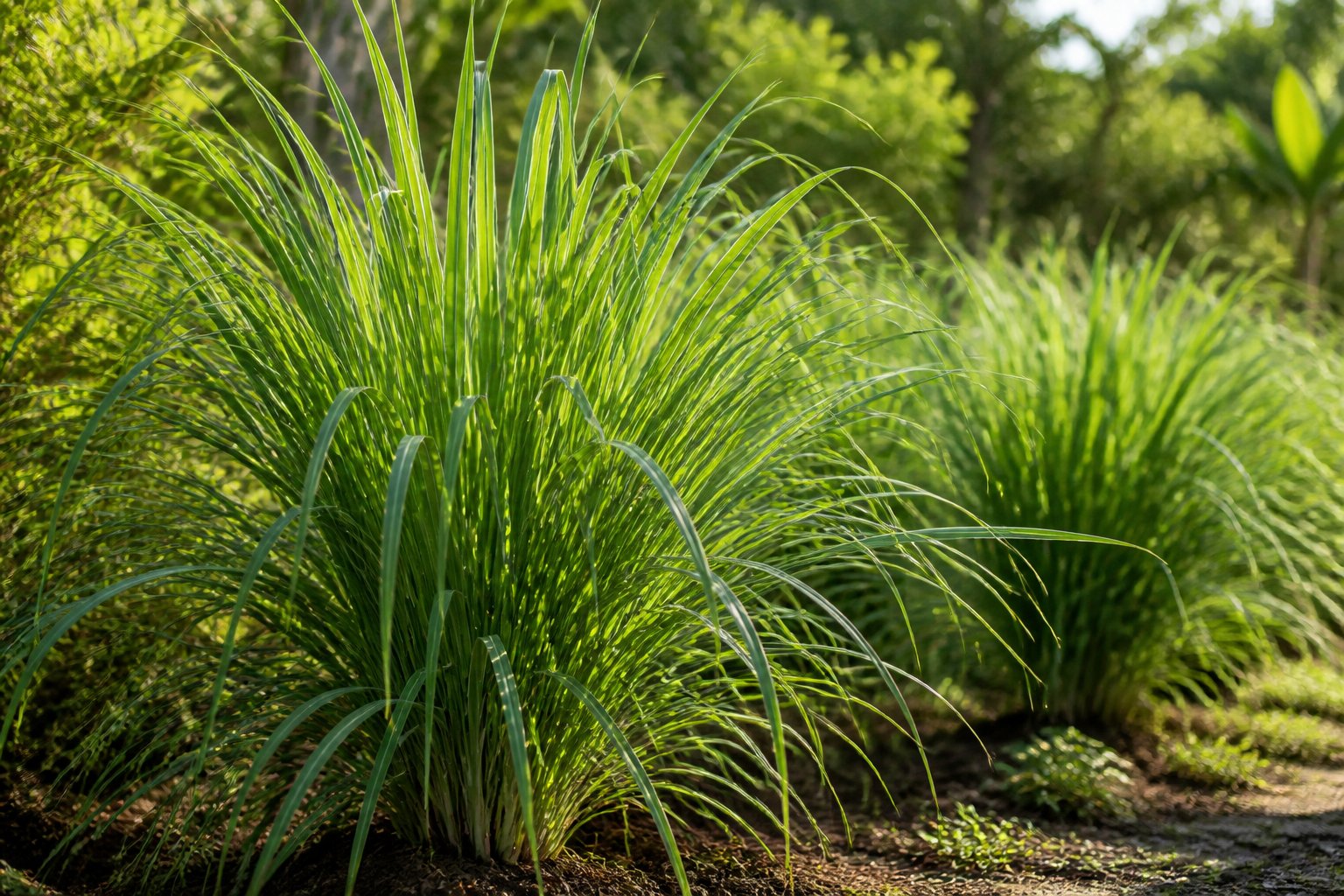
Citronella grass adds tall, arching foliage and a lemony fragrance to a sunny patio or garden border. Its scent is associated with citronella oil, a common ingredient in mosquito-repellent products.
Grow it in full sun with fertile, well-drained soil, and use a substantial container if you want to control its size. The clumps create a strong visual screen around seating areas and pair well with ornamental grasses.
Check the plant label carefully because citronella grass is frequently confused with citronella-scented geranium. The true grass offers the characteristic grassy form and citrus aroma. Trim damaged leaves and divide crowded clumps when growth becomes dense.
4) Lemongrass
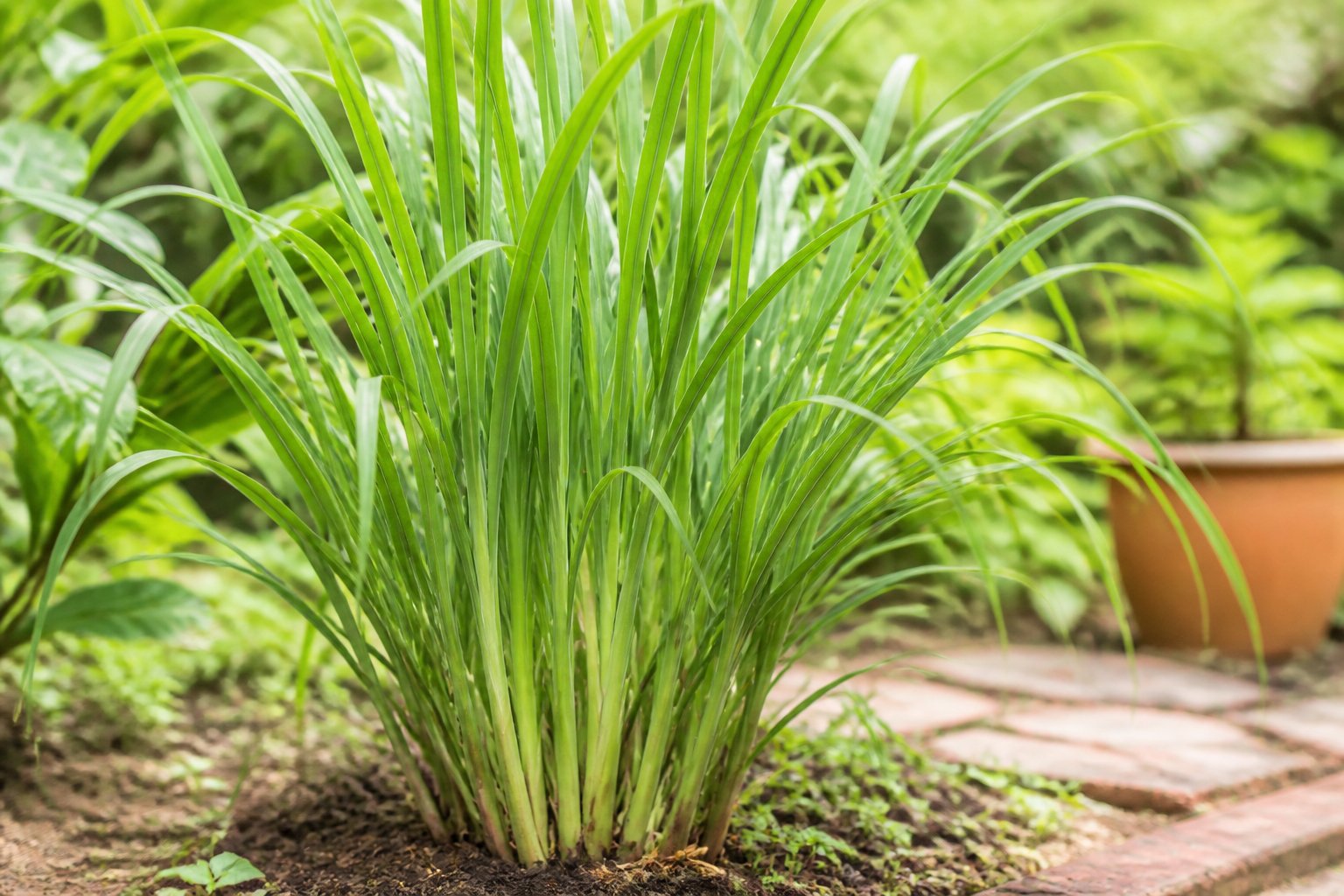
Lemongrass (Cymbopogon citratus) releases a bright citrus scent and contains citronellal, a component associated with citronella oil. Its edible stalks also make it useful in a culinary herb garden.
Place lemongrass in full sun with rich, loamy soil and consistent moisture. It reaches about 2 to 4 feet tall and wide, so leave room for a broad clump or use a large pot beside your outdoor seating.
Cut a few fronds and scatter them nearby, or coarsely chop the leaves to release more fragrance. Wear gloves while handling the sharp blades, and keep the plant away from pets because lemongrass can be toxic to animals.
5) Lavender
Lavender contributes fragrant purple flowers and aromatic oils that interfere with the scent cues mosquitoes use to locate people. It performs best in full sun, dry conditions, and sharply draining soil.
A mature lavender plant reaches about 2 to 3 feet tall and 2 to 4 feet wide. Place it near a walkway or seating edge where brushing the foliage releases its fragrance, while avoiding consistently wet soil that encourages root problems.
Lavender suits USDA Zones 5 to 9 and works well in terracotta pots. Prune lightly after flowering to maintain an open shape. The plant is toxic to dogs and cats, so choose a location pets cannot reach. For layout inspiration, browse these lavender garden ideas.
6) Rosemary
Rosemary brings a resinous scent to sunny patios and performs especially well in warm, dry climates. Its fragrance helps deter mosquitoes and several other garden pests.
Use sandy or loamy, well-drained soil and let the surface dry between waterings. Rosemary can reach 2 to 6 feet tall and 2 to 4 feet wide, though regular trimming keeps a container specimen compact.
Set the pot beside a grill, doorway, or outdoor table so you can brush the foliage while moving around. In regions with harsh winters, bring container rosemary indoors before freezing weather. These rosemary garden tips cover pruning and growing conditions.
7) Basil
Basil supplies a sweet, peppery aroma that mosquitoes find unpleasant, while giving you fresh leaves for cooking. It grows quickly in full sun and responds well to repeated harvesting.
Plant basil in fertile, evenly moist soil with good drainage. Pinch flower buds as they appear to encourage leafy growth, and place several pots around a patio perimeter for accessible fragrance.
Basil is sensitive to cold, so treat it as a warm-season annual in much of the United States. A container near your seating area lets you move it toward shelter during cool nights. Explore these basil garden tips for pruning and harvesting guidance.
8) Scented Geranium
Scented geraniums offer citrus-scented leaves and colorful flowers in patio containers. Their fragrance becomes stronger when you rub or gently crush a leaf, making placement near paths and chairs useful.
Give the plant full sun, loose potting soil, and careful watering. Let excess moisture drain freely, since waterlogged roots cause problems in containers. Bring the plant indoors before frost if you want to preserve it through winter.
Scented geraniums provide a pleasant aroma close to people, while their mosquito-deterring effect remains limited to the immediate area. Use them as part of a broader plan that includes airflow, covered water containers, and personal protection.
9) Mint
Mint releases a strong cooling fragrance and grows in full sun or partial shade, making it one of the more flexible patio plants. Its vigorous roots spread rapidly in garden soil.
Keep mint in a container with drainage holes, and trim stems before they become leggy. Place pots near doorways or outdoor seating where the leaves receive occasional contact and release their oils.
Mint prefers moist, loamy, well-drained soil and grows across USDA Zones 3 to 11. It is toxic to animals, so keep pots away from pets that chew foliage. A dedicated container also makes harvesting easy for iced drinks and cooking.
10) Marigold
Marigolds add bright flowers and foliage containing pyrethrum, a compound used in some organic insecticides. Their presence supports a broader garden-pest strategy while adding seasonal color.
Grow marigolds in full sun with evenly moist, well-drained soil. Deadhead spent flowers to encourage continued blooming, and use pots around a patio or plant them along vegetable beds.
Marigolds are annuals in the United States, though they produce abundant flowers during the warm season. Their mosquito-deterring effect from an uncrushed plant remains limited, so combine them with larval-source reduction and a repellent approved for skin or clothing when needed.
How to Use Mosquito Repellent Plants Effectively
Mosquito repellent plants work best when you place fragrant foliage near people, release its oils carefully, and remove breeding sites from the yard.
Do mosquito repellent plants work when left uncrushed?
Uncrushed plants provide some ambient fragrance, though their effect is mild and localized. Mosquitoes respond more strongly when you brush, rub, or crush leaves because those actions release aromatic oils.
A living plant does not deliver the concentrated protection of a tested topical repellent. Treat plants as an added landscape measure, not your only defense during heavy mosquito activity.
Where should you place mosquito repellent plants?
Place containers beside seating, paths, doorways, and sunny patio edges where you and the foliage make regular contact. Window boxes and pots near entrances also add fragrance close to common access points.
Use the plant’s growing requirements to guide placement. Rosemary and lavender need strong sun and dry soil, while mint tolerates partial shade and moisture.
Why is standing-water control more important than plant selection?
Standing water gives mosquitoes a place to lay eggs, so removing it reduces the number of new adults in your yard. Empty saucers, buckets, toys, clogged gutters, and birdbaths at least weekly, and keep rain barrels tightly covered.
Plants cannot prevent mosquitoes from breeding in neglected containers. Inspect shaded corners after rain, since small amounts of water can support larvae.
How can you safely release a plant’s fragrance?
Rub or crush a small amount of foliage between gloved fingers, then wash your hands before touching your face or food. Keep plant sap and essential oils away from eyes, broken skin, children, and pets.
Never apply crushed leaves or homemade plant extracts to your skin as a substitute for a registered repellent. Use fans, long sleeves, screens, and an EPA-registered product when you need reliable personal protection.
Choosing Plants for Pots, Shade, and Pet-Safe Spaces
Your best plant choices come from matching sunlight, container behavior, and household safety to the space you need to protect.
Which mosquito repellent plants grow best in containers?
Mint and catnip belong in containers because their spreading roots can take over garden beds. Rosemary, lavender, basil, scented geranium, lemongrass, citronella grass, and lemon eucalyptus also adapt well to pots when you provide drainage and enough root space.
Choose heavier containers for tall grasses and eucalyptus so wind cannot tip them over. Group pots according to watering needs, keeping drought-tolerant rosemary and lavender separate from moisture-loving mint and basil.
Which plants tolerate partial shade?
Mint grows well in full sun or partial shade, while catnip, rosemary, lavender, basil, lemongrass, and citronella grass produce their strongest growth with full sun. Scented geranium also performs best with bright light.
A shaded patio can still support mint in a container. Rotate pots toward brighter conditions when stems become thin or foliage loses its fragrance.
Which popular mosquito repellent plants are unsafe for pets?
Catnip, mint, lavender, lemongrass, citronella grass, and scented geranium require pet-safety checks, while the broader plant group also includes species such as lantana and allium with toxicity concerns. Risk varies by plant and animal, and ingestion can cause illness.
Keep questionable plants behind barriers or in raised containers. Before planting in a yard used by dogs or cats, verify the exact species with your veterinarian or a trusted poison-control resource.
Frequently Asked Questions
Do mosquito repellent plants really work?
Mosquito repellent plants provide localized fragrance that can discourage mosquitoes, especially when leaves are brushed or crushed. Their effect is limited, so combine them with standing-water control, screens, airflow, and a registered personal repellent.
What smell do mosquitoes hate the most?
Mosquitoes commonly avoid strong aromatic scents such as citronella, lemongrass, lemon eucalyptus, lavender, rosemary, mint, and basil. Scent strength varies with the plant, weather, airflow, and whether foliage has been disturbed.
What are the best mosquito repellent plants for a patio?
Rosemary, lavender, basil, mint, scented geranium, lemongrass, and compact lemon eucalyptus work well in patio containers. Place sun-loving plants near seating and keep mint contained to prevent spreading.
Which mosquito repellent plants grow well in shade?
Mint is the strongest choice among the listed plants for partial shade. Give it a container with moist, well-drained soil, and move it toward brighter light if its stems become weak or stretched.
How do I make my yard mosquito free naturally?
Empty standing water, clean gutters, cover rain barrels, and keep outdoor containers dry between uses. Add fragrant plants near gathering areas, improve airflow with fans, and use screens and protective clothing during peak mosquito activity.


