
Secret Gardening Tips That Actually Improve Your Garden
If your garden struggles, the solution often starts below the leaves. Small changes to soil structure, planting depth, watering habits, and insect management can improve plant health without adding complicated chores.
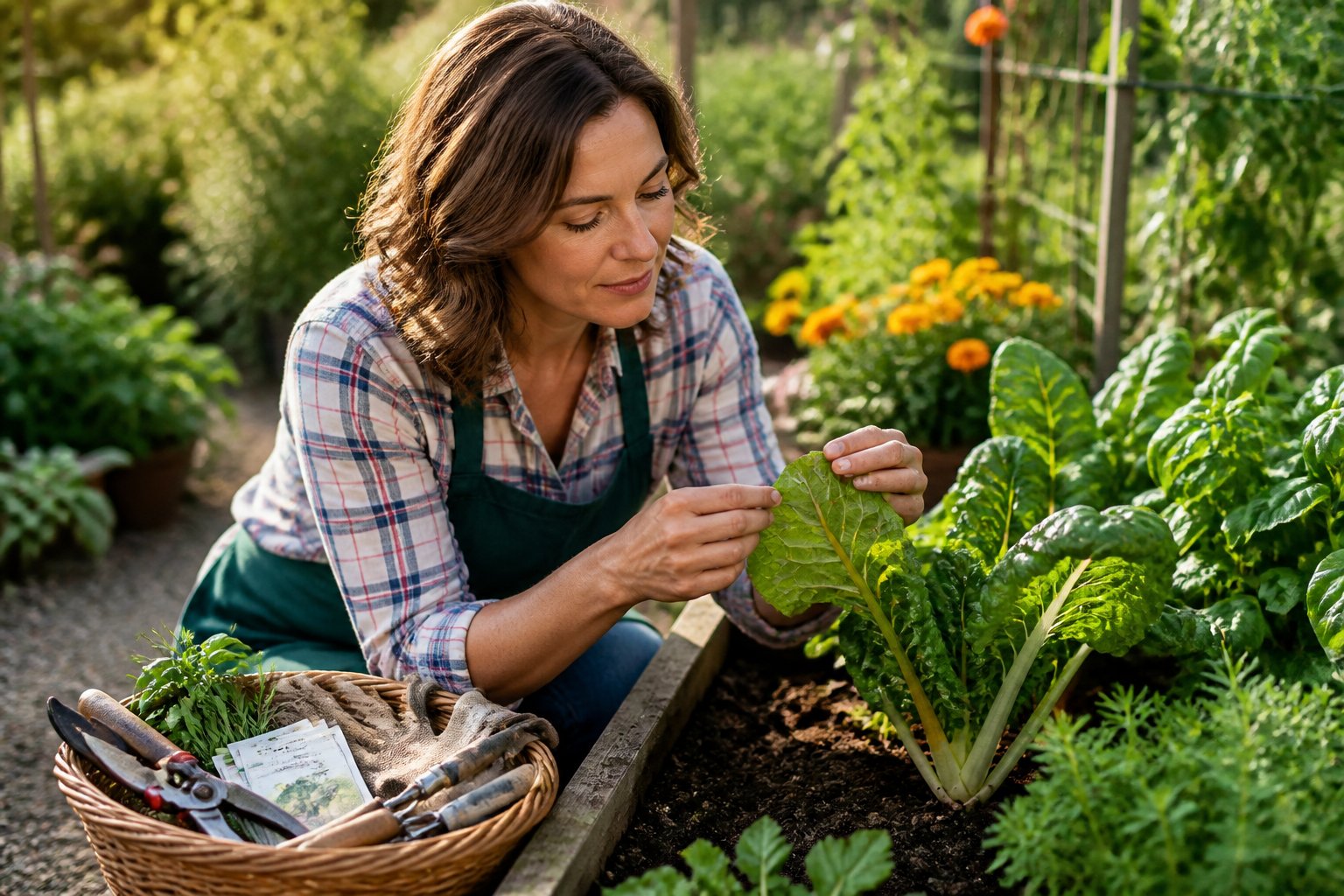
The most useful secret gardening tips help you prevent problems before they appear, giving roots better soil, plants steadier moisture, and beneficial wildlife a place to work. Whether you are trying easy gardening for the first time or refining familiar gardening techniques, observe what your plants tell you and adjust one habit at a time. You can also explore these easy gardening tips for practical ways to make routine care more manageable.
Start with one improvement this week, then track the result in a garden notebook. Your notes will help you choose smarter gardening hacks and build a routine that suits your space.
Build Better Soil Before You Plant
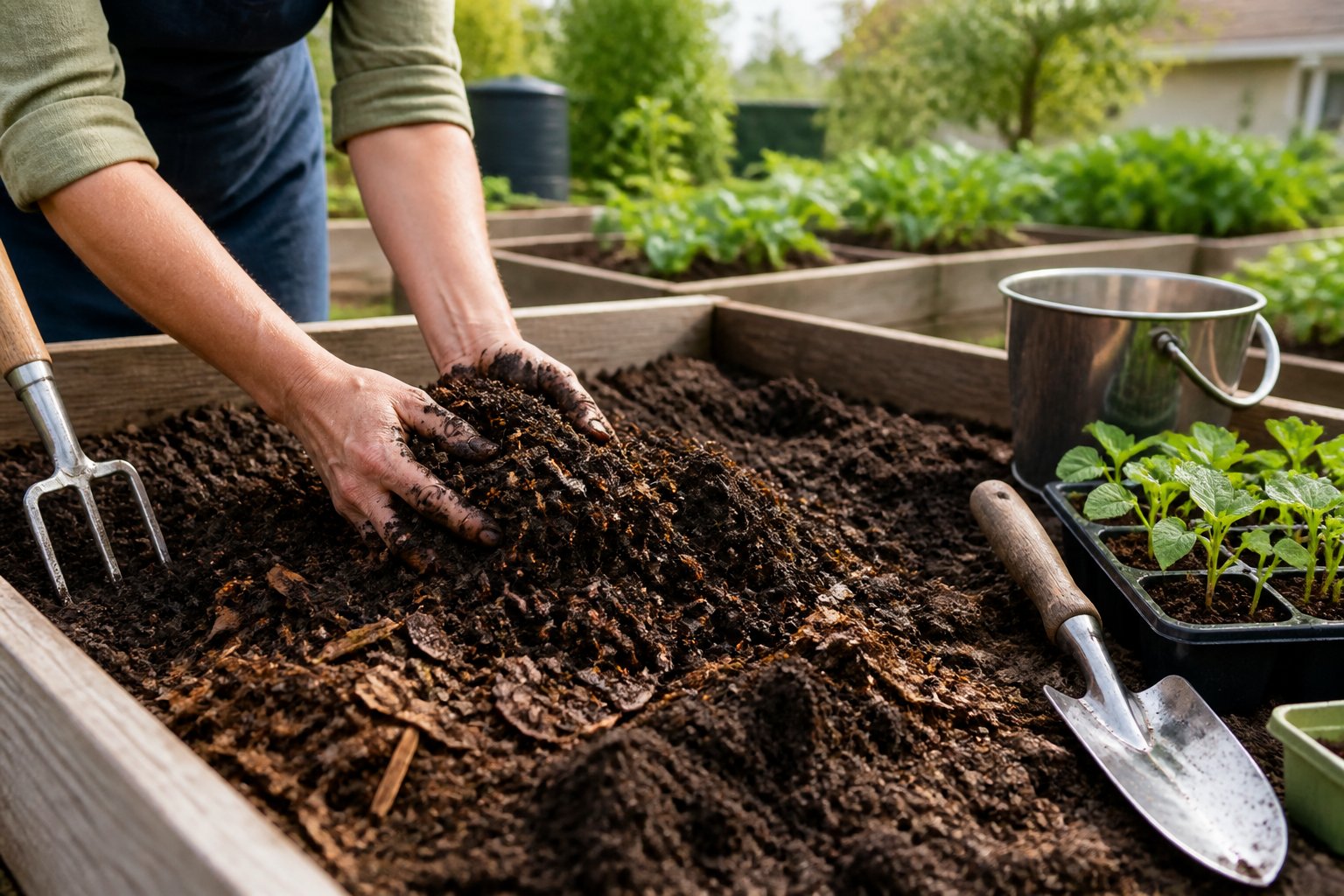
Healthy soil supports stronger roots, steadier moisture, and better plant growth, so amend the planting area before adding seeds or transplants. A soil test helps you choose compost or other amendments with purpose, while finished organic matter improves structure over time.
Why Should You Start With a Soil Test?
A soil test shows soil pH and available nutrients, including nitrogen, phosphorus, and potassium. Use those results to decide whether your plants need compost, lime for acidity, or another soil amendment. Acid-loving plants such as blueberries require different conditions from many vegetables, so avoid guessing.
Turn Kitchen Scraps Into Useful Soil Amendments
Compost is the safest routine use for kitchen scraps. Coffee grounds contribute organic matter and some nitrogen, while banana peels break down into compost that contains potassium. Dry and crush eggshells before adding them to a compost bin if you want a gradual calcium contribution. Eggshell fertilizer works slowly, so it will not correct an immediate calcium deficiency.
Epsom salt supplies magnesium and sulfur, yet it does not belong in every garden. Apply it only when a soil test or a documented deficiency supports its use.
How to Make Compost Work Harder
Use mature compost that smells earthy and has no recognizable food scraps. Blend it into topsoil before planting, spread it as a surface layer around established plants, or steep a small amount in water to make compost tea.
Composting works best when you balance nitrogen-rich greens with carbon-rich browns and keep the pile lightly moist. Turn the material when it becomes compacted, and let unfinished compost mature before placing it against plant stems. For more help, use these garden soil preparation tips.
Plant Smarter for Stronger Roots and Bigger Harvests
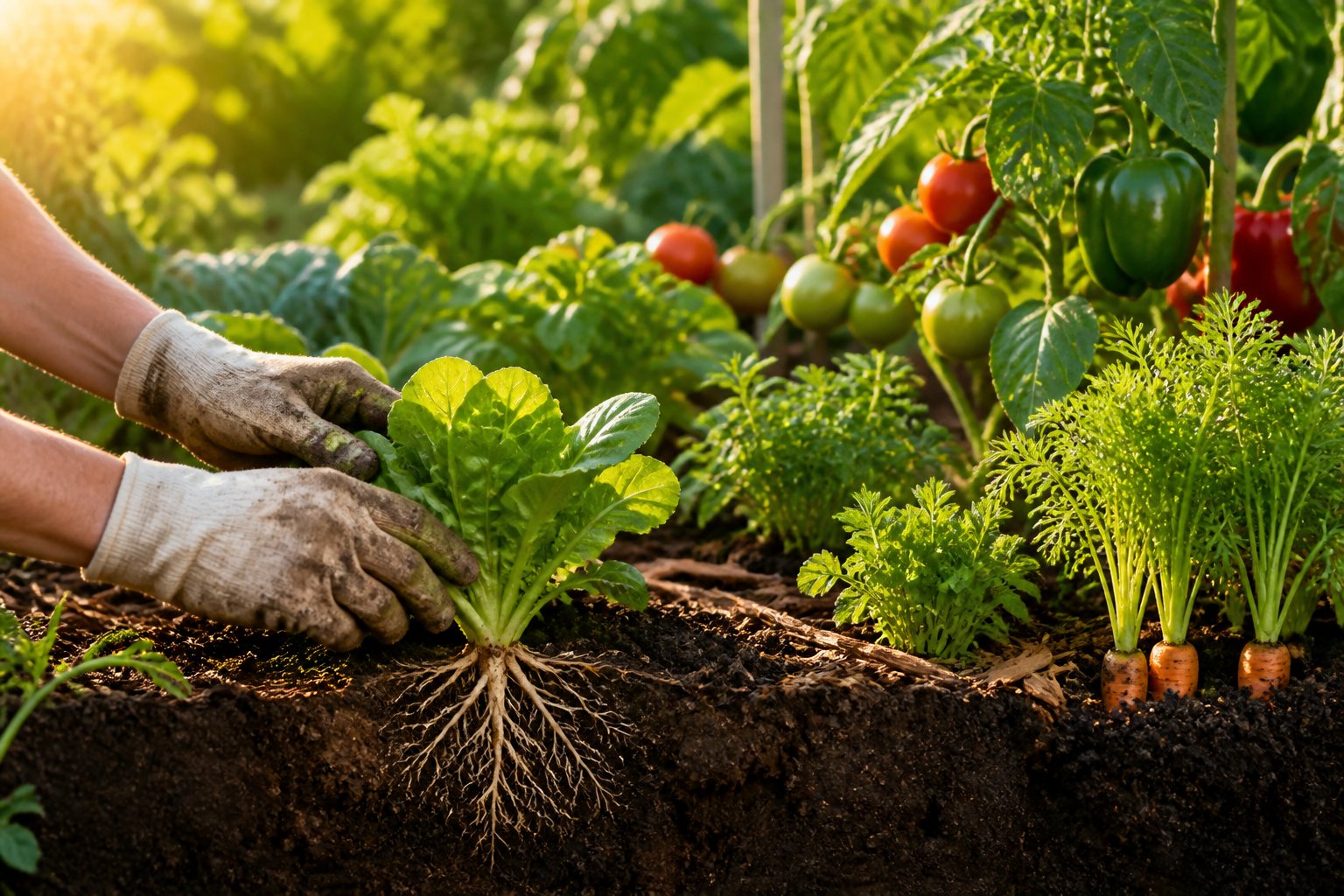
Choose planting dates from your local frost information, give each crop enough room, and use vertical space when ground area is limited. Small adjustments to seed depth, spacing, drainage, and support help seedlings establish sturdy root growth.
When Should You Plant Seeds and Seedlings?
Plant seeds when soil temperature and daylight suit the crop, using your local extension planting calendar as a starting point. Hardy crops such as lettuce, radishes, and carrots tolerate cool conditions, while warm-season tomatoes need protection from frost.
Harden seedlings by placing them outdoors for gradually longer periods over about a week. Winter sowing in protected containers suits some hardy flowers and vegetables, and seed saving gives you a low-cost supply for future seasons. Check each plant’s mature size before crowding a bed.
How Deep Should Tomatoes Be Planted?
Plant tomatoes deeply, burying part of the stem so covered stem nodes can form additional roots. Remove leaves from the section that will sit below the soil, then place the seedling in a trench or deep hole with its upper leaves above ground.
This method supports the plant as it grows and improves access to moisture. Keep the soil loose around the root zone, water thoroughly after planting, and add a trellis or other support early.
Which Space-Saving Method Fits Your Garden?
Use the method that matches your light, access, and crop choices:
- Raised beds: Offer defined soil, easier access, and good drainage when built correctly.
- Square foot gardening: Organizes crops in small sections and helps you plan spacing.
- Container gardening: Works for patios and balconies when containers have drainage holes.
- Vertical gardening: Uses trellises for climbing crops and keeps paths open.
- Microclimates: Let you place heat-loving plants near sunny walls or shelter-sensitive crops from wind.
Interplanting lettuce or radishes among slower crops can fill temporary gaps. For more crop-specific ideas, explore these vegetable planting hacks.
Water Less Often but More Effectively
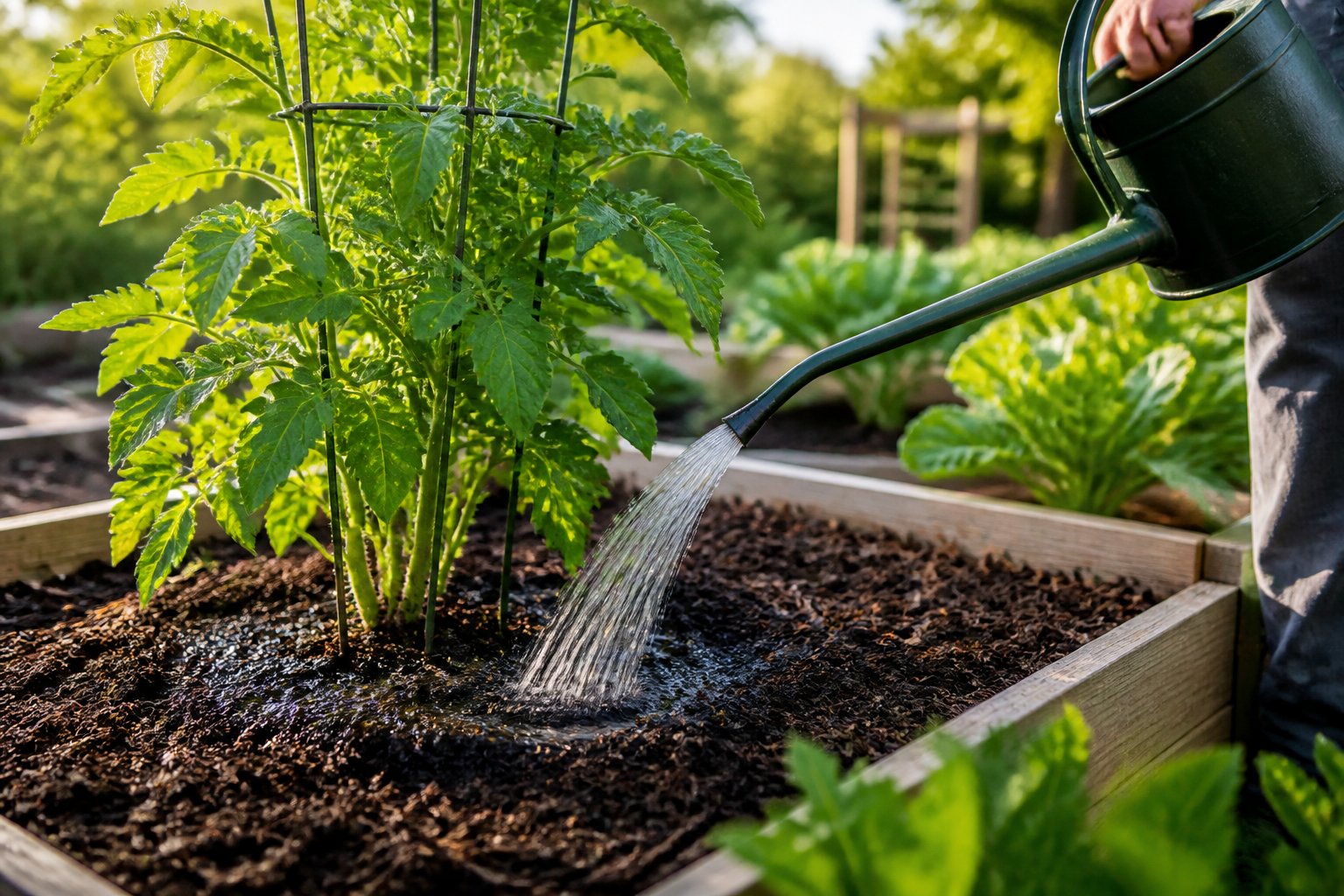
Deep, consistent watering sends moisture toward the root zone and reduces the shallow rooting caused by frequent surface sprinkles. Check the soil beneath the surface before watering, then deliver water slowly enough to soak the growing area.
Why Is Deep, Consistent Watering Better?
Slow watering encourages roots to move downward, where moisture remains available longer. Drip irrigation applies water near the base of each plant and limits wet foliage, which helps reduce water loss and some disease pressure.
Water when the upper soil has begun to dry, then check several inches down with your finger or a trowel. Raised beds and containers drain at different rates, so inspect them separately and confirm that every container has open drainage holes.
How Can You Save Water Without Stressing Plants?
Collect rainwater in rain barrels, mulch exposed soil, and group plants with similar moisture needs. Water early in the day so plants have time to use the moisture before afternoon heat.
A garden watering tips resource can help you refine timing and technique. Keep an eye on wilted leaves, cracked soil, and runoff, then adjust the duration of each watering session.
Simple Reused-Container Watering Ideas
Turn a clean plastic milk jug into a slow watering tool by poking a few tiny holes in its cap, filling it with water, and placing it beside the plant with the cap secured. For containers, set the jug on the soil so water releases gradually near the roots.
Keep reused containers clean, label them if they previously held anything questionable, and avoid burying plastic where roots could become tangled. Test the flow before leaving the setup unattended.
Use Plants and Beneficial Insects for Natural Pest Control
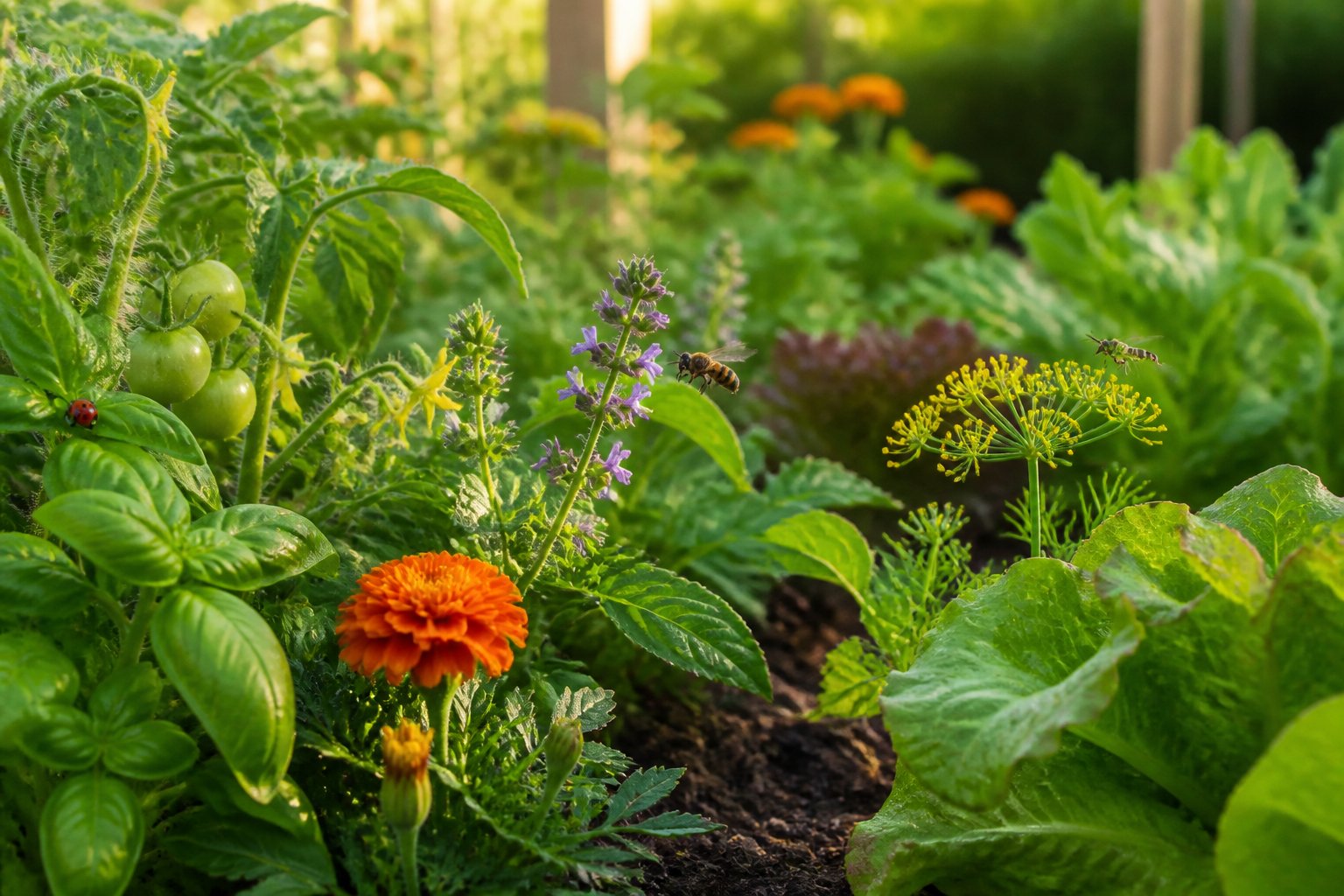
Combine companion planting, regular inspection, physical removal, and habitat for beneficial insects to reduce pest pressure. A diverse garden gives ladybugs, bees, and other helpful visitors food and shelter while supporting pollination.
Which Companion Plants Help Vegetable Beds?
Plant basil near tomatoes for a compatible edible pairing, and use marigolds, rosemary, or chives around vegetable beds to add variety and flowering resources. Companion planting supports biodiversity, though it does not guarantee that aphids, mites, or nematodes will disappear.
Give every plant enough airflow and inspect leaves weekly. Rotate crops when possible, remove heavily infested foliage, and keep weeds from competing for moisture.
How Do You Attract Helpful Garden Insects?
Grow native plants and flowering plants with different bloom periods so beneficial insects find food throughout the season. Avoid broad-spectrum pesticides, provide shallow water with stones for landing spots, and leave a small range of plant textures for shelter.
Ladybugs help feed on aphids, while bees and other pollinators improve fruit set. If you buy beneficial insects, release them near active pest populations and follow the supplier’s care directions. These garden pest control tips offer additional low-impact approaches.
When Is a Dish Soap Spray Appropriate?
Use a mild, fragrance-free dish soap spray only for soft-bodied pests such as aphids, and test it on one leaf first. Spray the undersides of leaves in the evening, rinse later if the plant is sensitive, and stop if spotting or burn appears.
Soap sprays work by contacting pests, so repeat inspection is essential. Keep the solution away from open flowers and direct spray on bees or other beneficial insects.
Let Observation Guide Your Next Garden Move
Daily observation gives you the information needed to adjust gardening techniques before small issues become expensive problems. Record planting dates, rainfall, pest activity, plant growth, soil pH, and unusual microclimates in a notebook.
Walk through the garden slowly and inspect new leaves, soil moisture, stems, and the underside of foliage. A ten-minute observation habit can reveal chewing damage, heat stress, blocked drainage, or early disease signs while treatment options remain limited and targeted.
Use those notes to improve next season’s layout, plan homesteading projects, choose crops for canning and preserving, and save seed from vigorous plants. Revisit what worked after each harvest, then change one variable at a time so you know which gardening tips produced the improvement.
Frequently Asked Questions
What are the best secret gardening tips for beginners?
Start with a soil test, add mature compost, water deeply, and inspect plants regularly. Choose a few crops suited to your light and climate, then record what happens so each season builds your gardening knowledge.
Can coffee grounds go directly around plants?
Small amounts of used coffee grounds can be mixed into compost or incorporated lightly into soil. A thick layer may compact and restrict water movement, so composting them first provides a better amendment.
Why put cardboard in the bottom of a raised bed?
Plain, untreated cardboard can smother grass and weeds beneath a new raised bed as it breaks down. Lay it over watered ground, overlap the seams, and fill the bed with quality soil and compost; confirm that the site drains well.
What is the 70/30 rule in gardening?
The 70/30 rule commonly describes using roughly 70% browns and 30% greens in a compost pile by volume. Browns provide carbon, while greens supply nitrogen, and moisture plus airflow help the materials decompose.
What is the 3-hour gardening rule?
The 3-hour gardening rule is a flexible habit of dividing garden work into short sessions, often around three hours or less, to protect your energy and keep maintenance manageable. Break larger jobs into planting, watering, pruning, or cleanup tasks.
Which companion plants are best for tomatoes?
Basil, marigolds, and chives pair well with tomatoes and add flowers or herbs to the bed. Give tomatoes adequate spacing and airflow, then monitor for aphids and mites because companion plants support a garden system without replacing inspection.


