

Chaos Gardening Tips for a Productive, Wild Garden
Chaos gardening invites you to scatter a mix of seeds and let the strongest plants shape a living, productive space. This relaxed approach has surged across TikTok and Instagram because it turns leftover packets, surprise seedlings, and imperfect garden beds into a colorful low-maintenance garden with food, flowers, and habitat for wildlife.
A chaos garden still benefits from thoughtful choices. You need a suitable site, compatible plants, enough water for germination, and occasional guidance as growth fills the bed. Try these chaos gardening tips to create a garden that feels wild while giving vegetables and pollinators a fair chance. Grab your seed stash and start with one manageable patch this season.
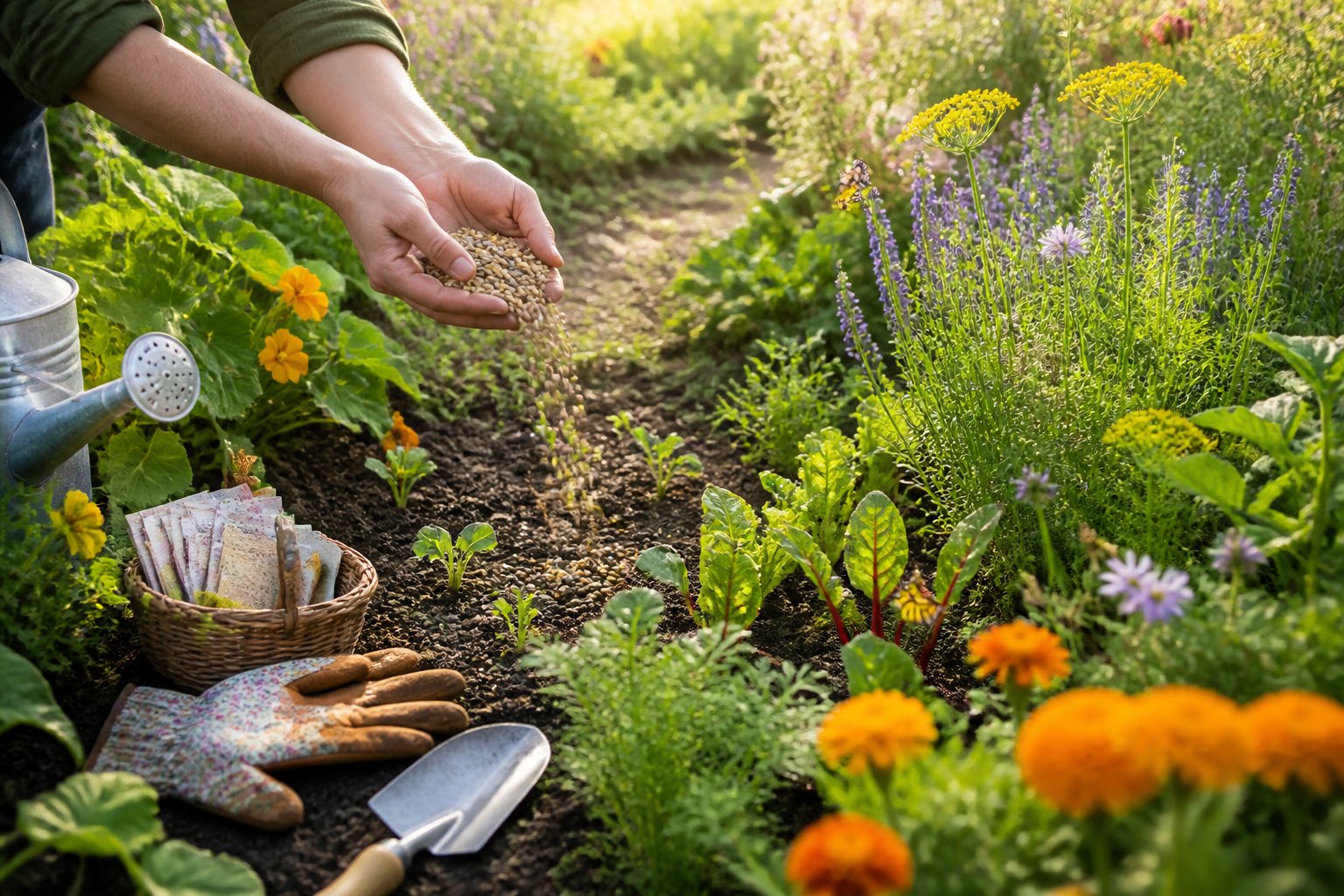
What Controlled Chaos Looks Like
Controlled chaos combines informal planting with practical boundaries, so biodiversity has room to develop while you retain access for watering and harvesting. A diverse garden might pair companion planting with flowers that attract birds and beneficial insects, including ladybugs that help reduce aphids.
Loose planting works best when you accept variation and guide only the problems that threaten productive growth. The wild garden ideas approach fits well when you want habitat and visual abundance without mapping every plant.
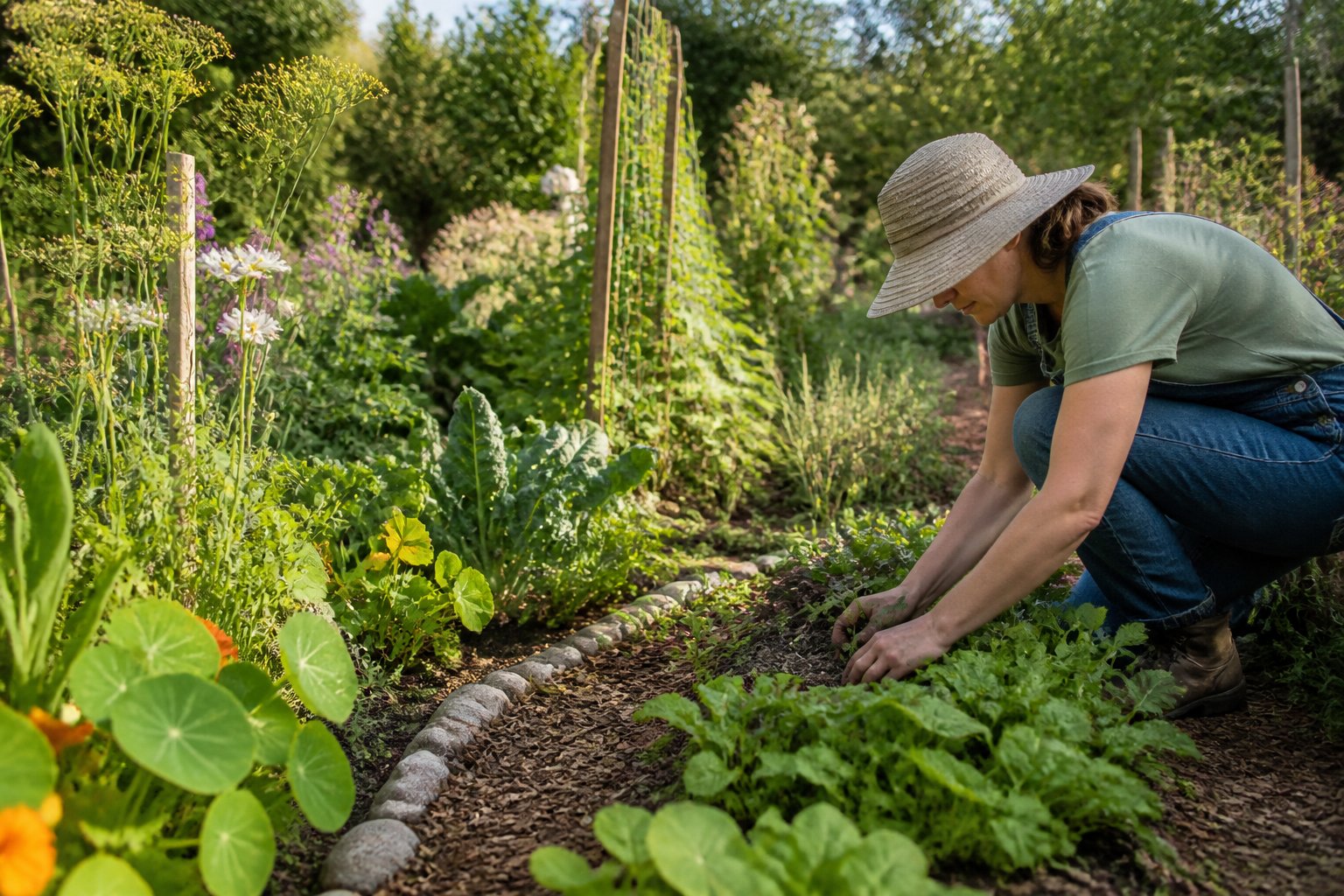
Why Random Scattering Is Different From Neglect
Random scattering begins with prepared soil, a deliberate seed selection, and enough space for plants to establish. Neglect leaves seedlings competing indefinitely, allows aggressive weeds to dominate, and removes your ability to harvest easily.
Keep a visible edge around the bed, label unfamiliar plants when possible, and pull anything invasive or diseased. You can let harmless volunteer plants remain while removing growth that blocks light or crowds edible crops.
When a Loose Planting Style Works Best
This style suits sunny backyard beds, pollinator patches, and spaces where a natural appearance feels welcome. It also works well for annual flowers and quick crops that you can replace or reseed during the season.
Use more structure around pathways and food plants that need regular harvesting. A simple trellis, border, or narrow access path gives the bed shape while leaving the planting itself informal.
What Results to Expect in the First Season
Expect uneven germination, unexpected combinations, and a few plants that outperform the rest. Some areas might fill quickly while other pockets stay bare until later sowings or volunteer seedlings appear.
Your first season is a practical trial. Note which plants handle your light, rainfall, soil, and pests, then save those observations for the next seed mix.
Choose a Site That Gives Seeds a Fair Start
A defined garden bed, raised bed, or planter with good light and drainage gives scattered seeds the best chance to germinate and grow. Site preparation does not need to be elaborate, though it should address compacted soil, standing water, and competing invasive species.
Choose a location you can reach easily with a hose or watering can. Convenient access encourages the brief, regular care that young seedlings need.
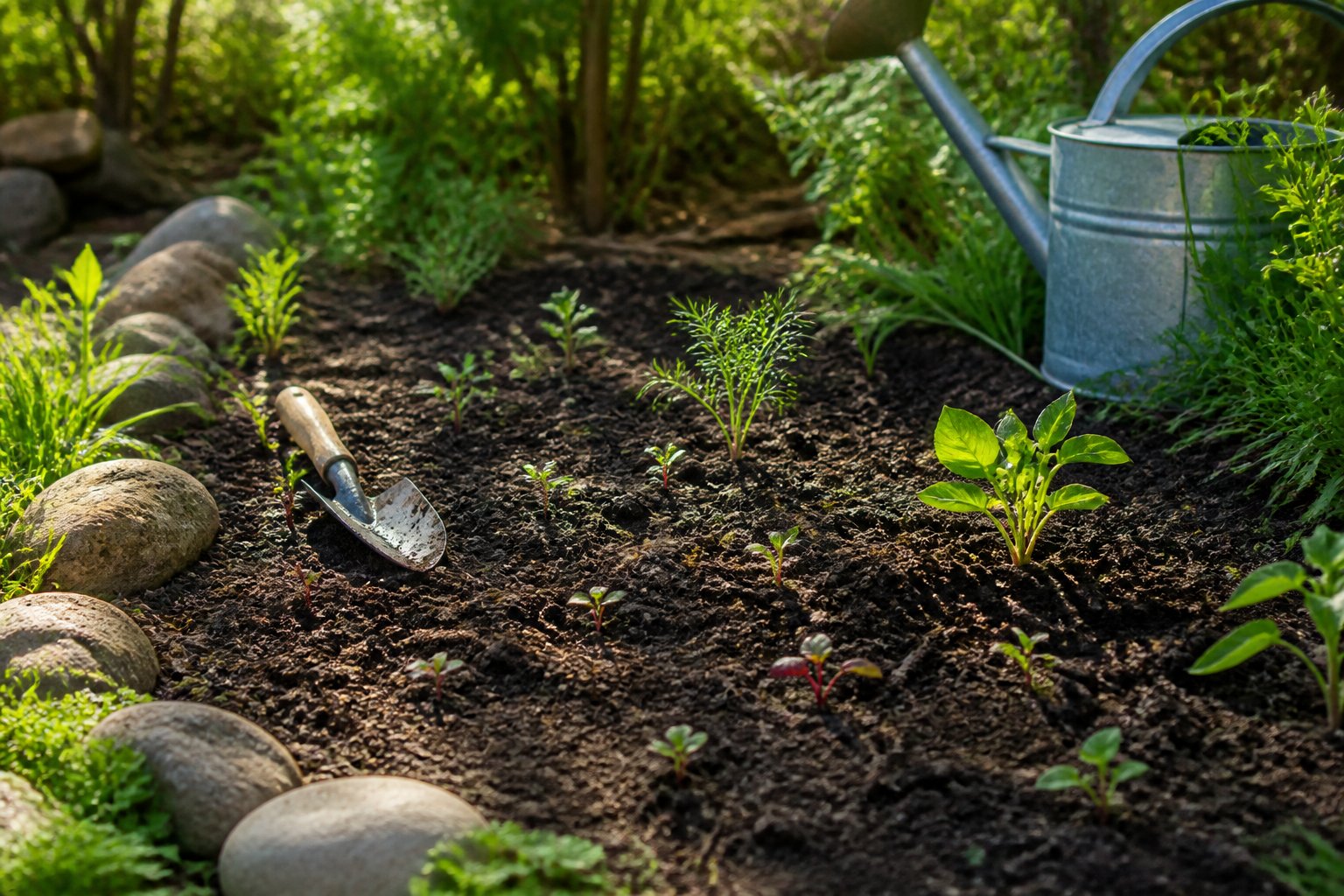
Use a Defined Garden Bed, Raised Bed, or Planter
A garden bed in the ground gives roots more room and connects plants with existing soil life. Raised beds offer clearer boundaries and warmer, looser growing conditions, while planters work well for small spaces.
Check that containers have drainage holes, then fill them with potting soil or potting mix. Use garden soil in an in-ground bed, amending it with compost when it feels compacted or low in organic matter.
Why Full Sun and Rainfall Matter
Most productive vegetables and many flowers need full sun, so choose a site with several hours of direct light. Observe how nearby buildings, fences, and trees change the shade during the day before scattering seeds.
Rainfall helps maintain moisture after germination, yet young seedlings still need attention during dry weather. A site close to your home makes supplemental watering easier when the forecast stays hot or dry.
Improve Soil Quality Without Overworking It
Loosen the top layer, remove large stones, and spread a thin layer of compost across the planting area. Rake it into the surface so seeds contact fine soil without creating a deeply disturbed bed.
Avoid turning the soil repeatedly. Excessive disturbance brings weed seeds to the surface and breaks up established soil structure.
Keep Invasive Species Out of the Mix
Inspect old seed packets and volunteer plants before adding them to the bed. Choose known plants, remove aggressive spreaders early, and avoid scattering unidentified seed heads that could establish beyond your property.
Keep invasive growth contained in pots when you are unsure of its behavior. Pull unwanted seedlings while they are small, before roots and seed production make removal harder.
Build a Seed Mix With Compatible Plants
A successful seed mix balances fast-growing edible crops with flowers and herbs that occupy different heights and harvest times. Use seed packets, old seeds, and leftover planting seeds selectively, then scatter them where their light and moisture needs match.
Keep the mix broad enough for biodiversity while reserving space for plants that need room. Garden planting ideas can help you combine informal beauty with practical access.
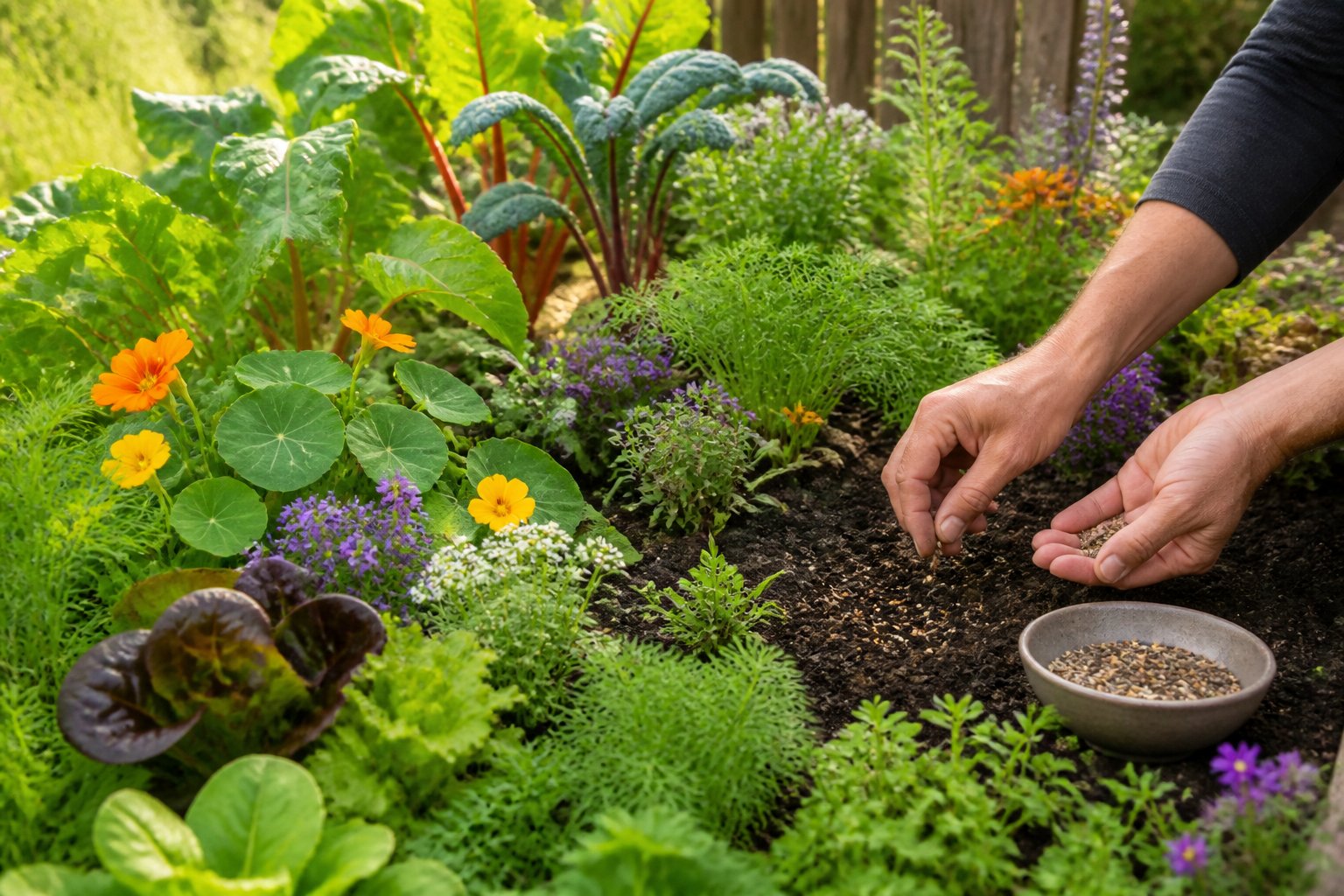
Can You Use Old Seeds and Leftover Seed Packets?
Old seeds can work when they were stored cool, dry, and sealed. Germination becomes less predictable with age, so sow them alongside fresh seeds and expect some gaps.
Check each packet for plant type, planting depth, and expiration information. Discard packets with moisture damage, mold, or missing identification.
Separate Large Seeds From Fine Seeds
Large seeds such as beans, corn, squash, pumpkins, and sunflowers need more coverage and space than fine flower seeds. Scatter them separately or place them by hand so smaller seeds do not get buried beneath them.
Mix fine seeds with a small amount of dry sand or compost for more even distribution. Press them into the soil and cover them according to the packet directions.
Mix Flowers, Herbs, and Vegetables With Intention
Pair vegetables with useful herbs and flowers that share similar growing conditions. Calendula, borage, marigolds, thyme, sage, nasturtium, and clover bring color and habitat, while edible flowers add harvest value.
Give sprawling cucumbers, squash, and melons room to travel. Keep taller plants toward the back or north side when possible, so they do not shade lettuce and other short crops.
Choose Native Plants and Wildflowers for Easier Care
Native plants and regional wildflower seeds fit local conditions and support local pollinators. Select species suited to your soil and moisture, then confirm that they are appropriate for your area before sowing.
Combine perennial native plants with annual wildflowers for first-season color. Leave some seed heads standing after flowering to provide food and shelter for wildlife.
Sow, Water, and Guide the Garden as It Grows
Scatter seeds over prepared soil, water gently, and guide the emerging growth with light thinning, weeding, and support. Chaos gardening reduces planning, while basic care protects seedlings from overcrowding and drought.
Keep a narrow path or stepping area so you can reach the vegetable garden without crushing plants. A few minutes of observation during each visit will show you where the bed needs help.
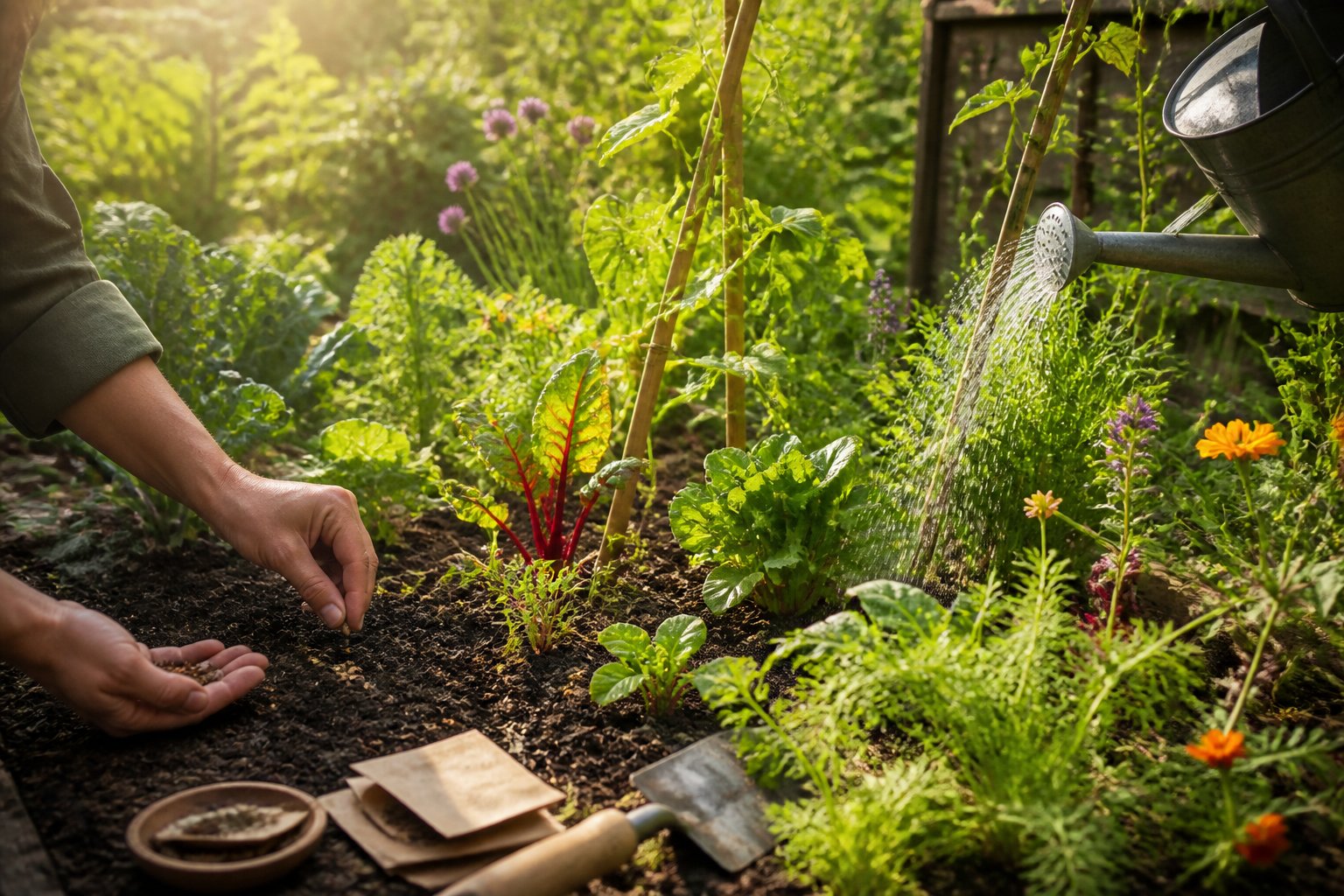
Scatter and Cover Seeds Without Burying Them Too Deeply
Prepare a fine, crumbly surface, scatter seeds, and press them against the soil. Cover each type according to its packet instructions, since fine seeds often need light coverage while large seeds require deeper placement.
Use a gentle spray setting during watering so seeds stay in place. Mark the area with simple labels if you have mixed several varieties.
How Much Water Do New Seedlings Need?
Keep the seedbed evenly moist until germination, checking the surface during warm or windy weather. Water slowly when the top layer begins to dry, directing moisture toward the soil instead of blasting fragile stems.
Once roots develop, water deeply enough to moisten the root zone and allow the surface to dry slightly between sessions. Rainfall reduces the need for supplemental watering, while containers dry faster than in-ground beds.
When to Thin, Weed, and Add Support
Thin seedlings when crowding limits airflow or leaves plants competing for light. Remove weeds while they are small, especially grasses that spread quickly through a mixed bed.
Add stakes or trellises as climbing plants gain height. Support tomatoes, beans, cucumbers, and sunflowers before they lean across neighboring plants.
How to Protect a Productive Vegetable Patch
Use light barriers or netting when birds or mammals target tender seedlings. Inspect leaves regularly and remove damaged foliage, while leaving room for pollinators and beneficial insects to move through the bed.
Harvest vegetables as they mature to keep plants producing. Give large crops such as squash and pumpkins a clear direction to spread, protecting smaller plants from being buried.
Let the Garden Teach You What Thrives
Chaos gardening becomes more useful each season when you record which plants handle your conditions and reseed those successes. Biodiversity creates variety, while selective guidance keeps the space productive and low-maintenance.
At the end of the season, collect mature seeds from healthy, well-performing plants when appropriate. Add finished compost to replenish organic matter, remove diseased plants, and leave suitable stems or seed heads for wildlife.
Keep notes on sowing dates, rainfall, harvests, and pest pressure. Your next seed mix can give more space to proven performers and less room to plants that struggled.
Frequently Asked Questions
What are the best seeds for a chaos garden?
The best seeds match your climate, light, soil, and available space. Start with hardy vegetables, herbs, flowers, native plants, and wildflowers that share similar moisture needs.
Can you grow vegetables in a chaos garden?
You can grow vegetables in a chaos garden when you give productive crops enough light, water, and room to mature. Carrots, lettuce, cilantro, beans, cucumbers, tomatoes, and leafy greens fit well when you thin crowded seedlings.
Do old seeds work for chaos gardening?
Old seeds work when they have stayed dry and viable, though germination becomes less predictable with age. Combine them with fresh seed and sow generously enough to account for gaps.
How often should you water a chaos garden?
Water a new seed mix whenever the soil surface begins to dry, keeping it evenly moist during germination. After roots establish, water deeply as needed, paying closer attention to containers and extended periods without rainfall.
How do you keep a chaos garden from looking weedy?
Keep a defined edge, remove invasive species and aggressive grasses, and thin seedlings that block pathways or crowd productive plants. Leaving intentional clusters of flowers and herbs helps the loose planting look cared for while preserving its informal character.


