
Cheap Garden Soil: Where to Buy and Save
Cheap garden soil is easiest to find when you compare the full cost of material, transport, and amendments. Bagged soil from a sale works well for a few containers, while bulk soil, compost, or a municipal pickup program can reduce the price for larger garden projects.
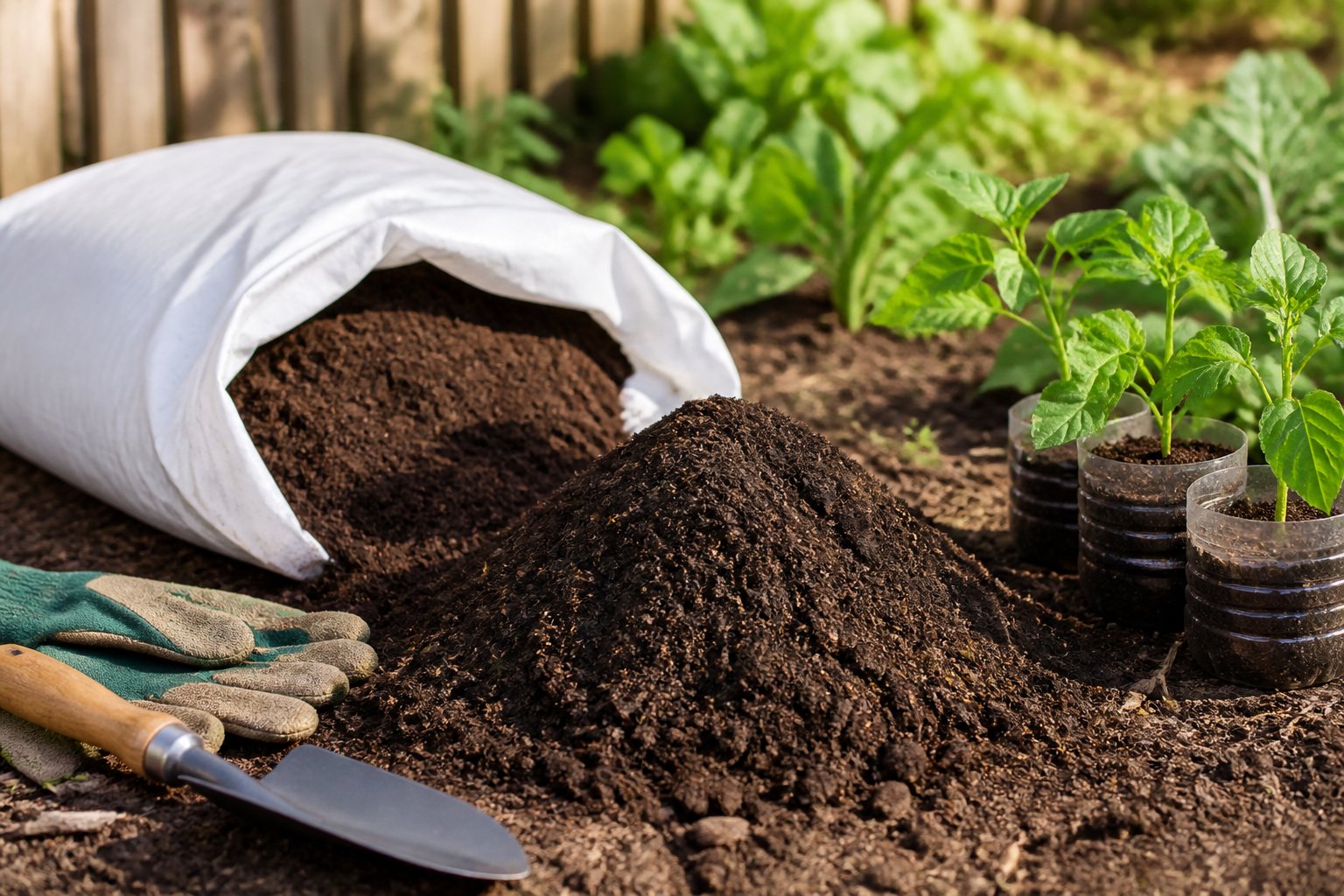
Start by measuring your planting area and choosing the material your plants need. Paying less per bag does not help if the soil drains poorly, contains debris, or requires several extra amendments. Check local sales, ask landscape suppliers for delivered pricing, and compare every option by cubic foot.
You can also reduce costs by improving existing soil with finished compost. If you need help planning an affordable project, explore these garden money saving tips and choose the buying method that fits your space.
Where Can You Find the Lowest Soil Prices?
The lowest prices usually come from store promotions for small purchases, landscape suppliers for large volumes, and free or low-cost municipal compost programs. Marketplace listings can help when you can inspect the material and arrange safe transport.
Big-Box Store Sales and Multi-Bag Deals
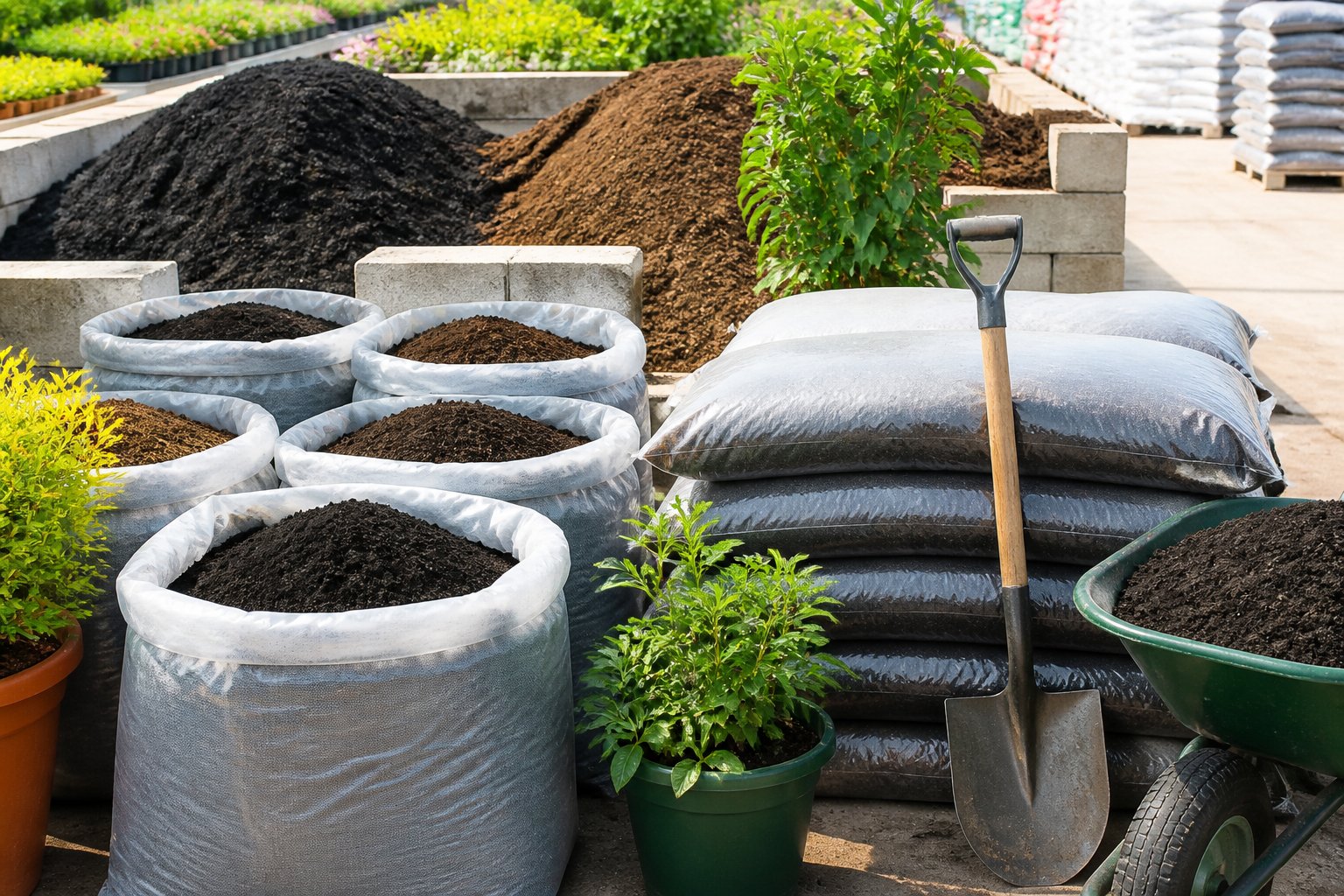
Home improvement stores and a local garden center are convenient places to compare garden soil, compost, and topsoil in one trip. Seasonal sales, clearance pallets, loyalty offers, and multi-bag discounts can lower the unit price.
Read the label before buying. A low-priced bag of topsoil suits leveling or filling, while a garden soil blend with compost supports many in-ground planting jobs. Check the bag size, ingredients, moisture level, and return policy.
Keep receipts when you buy several bags. Torn bags can lose material, and wet soil weighs more during transport.
Local Landscape Suppliers and Garden Centers
Landscape suppliers often offer loose soil by the cubic yard, which makes them competitive for raised beds, lawn projects, and broad planting areas. Ask for the price of the material, delivery fee, minimum order, and unloading location in the same conversation.
Request a description of the blend and screening process. A budget blend may contain more coarse material, while a finer garden mix costs more but works better around young roots. If you have a truck, pickup pricing can make a small bulk order more affordable.
For buying questions, these buying garden soil tips can help you evaluate quality before placing an order.
Community Compost, Municipal Programs, and Marketplace Listings
Your city or county may offer free or inexpensive compost or mulch made from yard waste. Check the municipal website for residency rules, pickup hours, loading requirements, and limits.
Community gardens, neighborhood giveaway groups, and marketplace listings sometimes have leftover soil, compost, or clean fill. Inspect any offered material for trash, weeds, sharp debris, chemical odors, and signs of contamination. Avoid material with an unknown history near edible crops.
A free load still has costs if you need bags, labor, fuel, or a trailer. Add those expenses before calling the deal cheap.
When Online Ordering Is Worth the Shipping Cost
Online ordering makes sense when you need a specific blend, have limited transportation, or live far from a supplier. Compare the delivered total, bag count, soil volume, and estimated drop-off location before paying.
A low advertised price can change at checkout once freight or delivery charges are added. Confirm whether the driver can place the load near your garden, driveway, or curb, and plan how you will move it afterward.
Compare Prices by Volume, Not by the Bag
The best deal appears when you compare the same volume of usable soil and include delivery, pickup, storage, and waste. Bag prices hide differences in package size, moisture content, and the amount of material you receive.
How to Calculate Cost per Cubic Foot
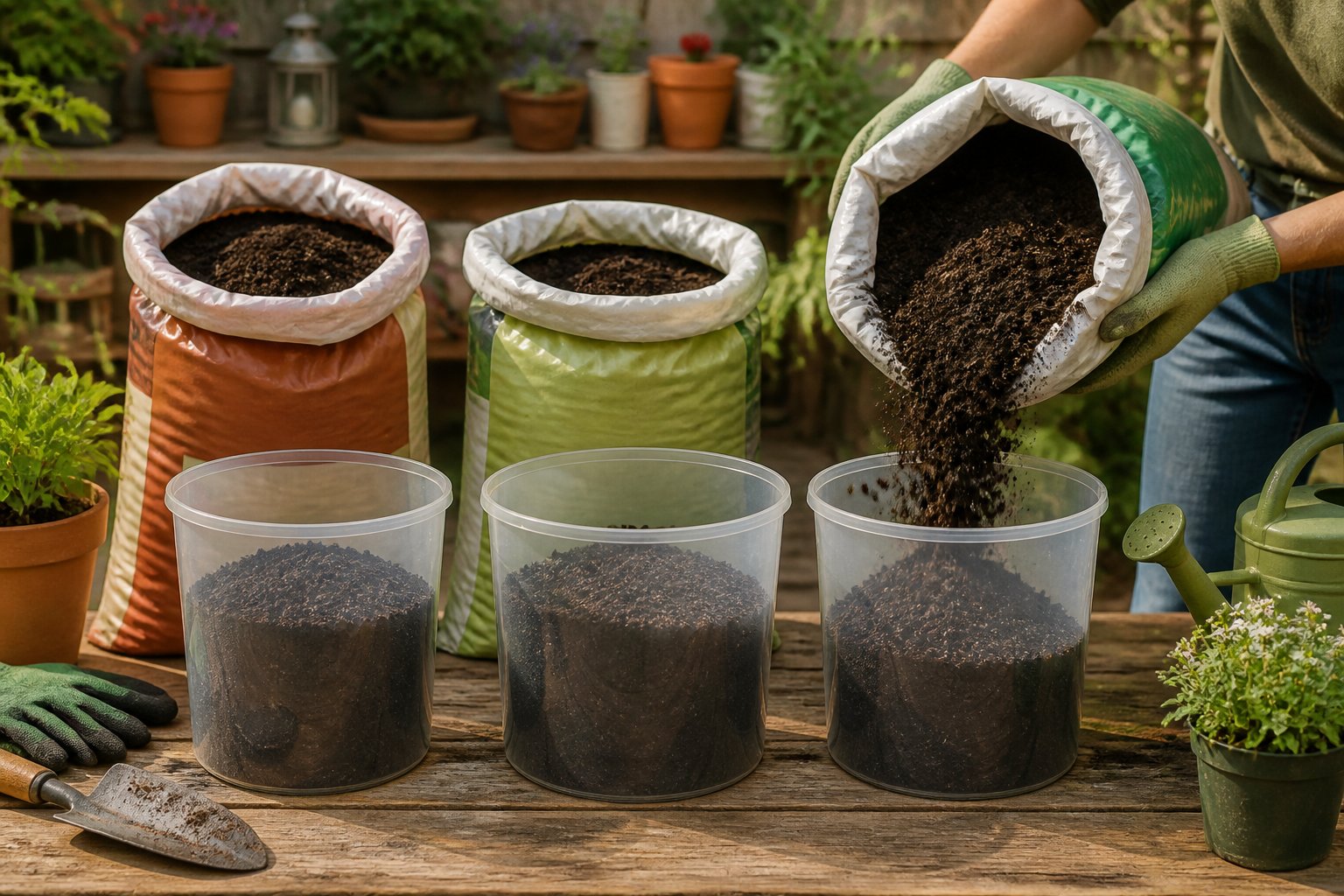
Find the bag’s volume in cubic feet, then divide the price by that number:
Cost per cubic foot = bag price ÷ bag volume in cubic feet
For example, a $5 bag labeled 1 cubic foot costs $5 per cubic foot. A $5 bag labeled 1.5 cubic feet costs about $3.33 per cubic foot. Use the same calculation for each brand and blend.
A cubic yard contains 27 cubic feet. To estimate how many bags equal one cubic yard, divide 27 by the bag’s cubic-foot volume. This calculation gives you a useful comparison before you add transport expenses.
Bagged Soil vs. Bulk Delivery
Bagged soil suits containers, narrow beds, and projects that require hand placement. Bulk soil becomes more competitive as the volume grows, and one 2026 comparison places the tipping point near 2 cubic yards, or 54 cubic feet, depending on delivery pricing.
Bulk delivery also reduces packaging waste and repeated trips to the store. Ask whether the supplier sells screened garden soil, raised-bed mix, compost blend, or basic topsoil, since each material has a different purpose.
Use a garden soil calculator to estimate the quantity required before comparing a truckload with pallets of bags.
Delivery, Pickup, and Storage Costs That Change the Deal
Add delivery, fuel, trailer rental, labor, and unloading limits to your material price. A supplier that charges more per cubic yard can become cheaper after you account for a long round trip and several store visits.
Measure your storage area before ordering bags. Keep them covered, dry, and off the ground when possible. Loose soil needs a clear dumping area that will not block drainage, sidewalks, or access to your home.
Choose the Right Material for the Job
Choose material according to where your plants grow, how water moves through the space, and how much organic matter the roots need. The cheapest suitable mix supports plant growth, while the cheapest available material can create extra correction costs.
Garden Soil for In-Ground Planting
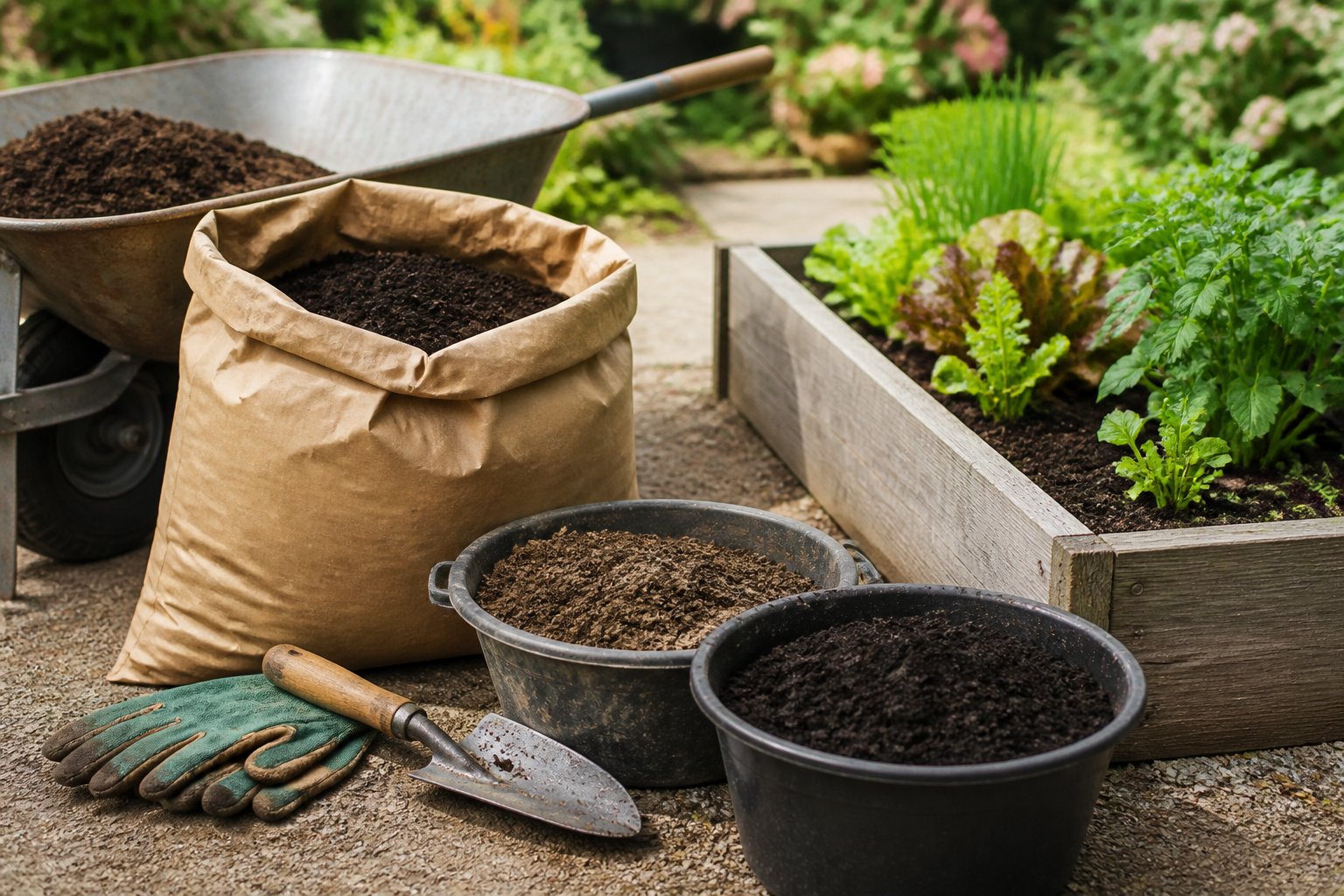
Garden soil is formulated for outdoor beds and works best when blended with native soil. Use it to improve texture, add organic matter, or fill shallow planting areas after you loosen the existing ground.
Test a small area first. Heavy clay may need compost and improved structure, while sandy soil may need organic matter that helps retain moisture. Spread amendments across the bed and mix them into the root zone.
A bag labeled “topsoil” may contain useful mineral material, yet it may have limited nutrients. Reserve plain topsoil for filling or grading unless the supplier provides a clear analysis.
Potting Mix for Containers
Potting mix belongs in containers because it is lighter and designed to drain through a confined space. Garden soil becomes dense in pots, limiting air around roots and increasing the risk of waterlogged plants.
For a few containers, buy the smallest package that meets your needs. For many containers, compare larger bags and mix prices by cubic foot. Match the product to the plant, since seed starting, succulents, and moisture-loving plants need different textures.
Compost and Peat Moss as Budget Amendments
Finished compost adds organic matter and nutrients to many garden beds. Blend it with native soil or a basic soil product to improve the planting area without replacing every inch.
Peat moss changes moisture retention and texture, though it contributes little nutrition. Use it only when its water-management benefits fit your plants, and follow package directions for mixing.
Clean leaf mold, homemade compost, and well-aged organic material can reduce the amount of purchased amendment. Keep unfinished compost and fresh manure away from tender roots.
Why Drainage Matters More Than a Low Sticker Price
Drainage protects roots from prolonged saturation, which can slow plant growth and encourage decay. A bargain mix that stays wet may require replacement, raised planting, or additional amendments.
Check how the soil behaves after watering. Healthy material absorbs moisture while allowing excess water to move away. In a container, confirm that drainage holes remain open and that the mix does not collapse into a dense layer.
How to Fill Garden Beds for Less
You can lower the cost of filling raised garden beds by calculating the exact volume, buying bulk blends for large beds, and using clean organic material in the lower space. Keep the final root zone deep enough for the crops you plan to grow.
Estimate How Much Material You Need
Multiply the bed’s length by its width and depth to find cubic feet:
Length × width × depth = cubic feet
Convert inches to feet before multiplying. A 4-by-8-foot bed filled 12 inches deep requires 32 cubic feet, which equals about 1.19 cubic yards. Add a small allowance for settling, then compare that quantity with bagged and bulk prices.
Measure each bed separately when depths differ. This prevents you from buying extra soil for paths, edging, or spaces that do not need planting material.
Use Bulk Blends for Large Raised Garden Beds
Bulk soil blends make financial sense when the order is large enough to offset delivery. Ask for a raised-bed blend containing mineral soil and compost, then confirm how much compost is included.
Plan the delivery before ordering. Mark the drop zone, protect paving from tire damage, and prepare a wheelbarrow route. A supplier can dump a load quickly, while moving it across a long yard adds labor.
For more planning ideas, use these tips for filling raised garden beds.
Layer Low-Cost Organic Material Without Shortchanging Roots
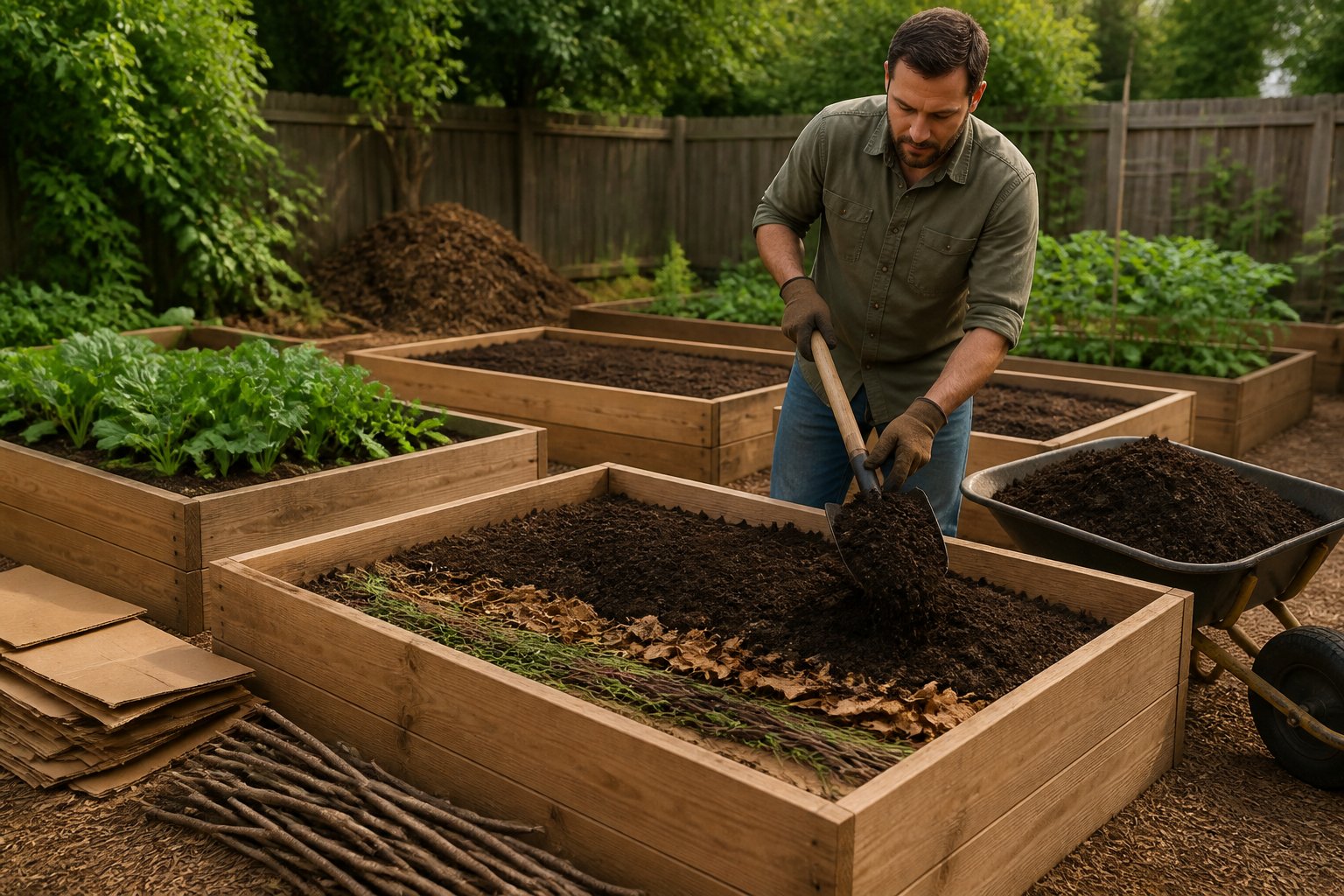
Place bulky, clean organic material in the lower part of a deep bed to reduce the amount of purchased soil. Suitable materials include untreated logs, branches, leaves, cardboard, and finished compost, as described in this raised-bed filling guide.
Leave a deep layer of quality garden soil and compost at the top for active roots. Avoid treated lumber, diseased plants, invasive weeds, glossy paper, and fresh manure. As the lower material settles, top up the bed with compost or soil during future seasons.
Spend Less Without Compromising Your Plants
Spend less by improving the soil you already have, buying volume based on measurements, and reserving premium mixes for crops that need them. Good structure, adequate nutrients, and reliable drainage support plant growth more effectively than a premium label alone.
Start with a soil test when you are unsure what your bed needs. Add only the amendments that address the result, and mix compost into the root zone before planting. You can find more soil and plant care tips for maintaining fertility between seasons.
Reuse containers, share delivery orders with nearby gardeners, and store unopened bags under cover. These small choices reduce waste while keeping your planting budget focused on useful material.
Frequently Asked Questions
Where is the cheapest place to buy garden soil?
Municipal compost programs, local landscape suppliers, and seasonal store sales often provide the lowest prices. Compare the complete cost, including delivery, fuel, loading, and the volume you receive.
Is bulk garden soil cheaper than buying bags?
Bulk garden soil is often cheaper for large beds because you pay for loose volume instead of individual packaging. Bagged soil remains practical for small projects, tight access areas, and container gardening.
How can I fill raised garden beds cheaply?
Calculate the bed volume, use a bulk soil-compost blend when the quantity is large, and fill the lower space with clean organic materials that will decompose safely. Leave enough quality soil at the top for the crops’ root systems.
Can I use cheap topsoil for a vegetable garden?
You can use topsoil as a base or filler when it is clean and suitable for planting. Mix it with finished compost and check its texture, drainage, and history before using it around edible crops.
Are Home Depot and Lowe’s multi-bag soil sales a good deal?
Multi-bag sales are useful when the discounted price is low after you compare cubic-foot volume. Check the label and calculate the total cost against a local bulk supplier before buying a pallet.
How much garden soil do I need for my planting area?
Multiply the planting area’s length, width, and depth in feet to calculate cubic feet, then divide by 27 for cubic yards. Compare that volume with each bag’s labeled cubic-foot capacity to determine the number of bags.


