

Neighborhood Party Ideas That Build Community
A neighborhood gathering gives you a practical way to turn familiar faces into friendly connections. Shared food, easy activities, and a welcoming setting help neighbors start conversations without pressure.
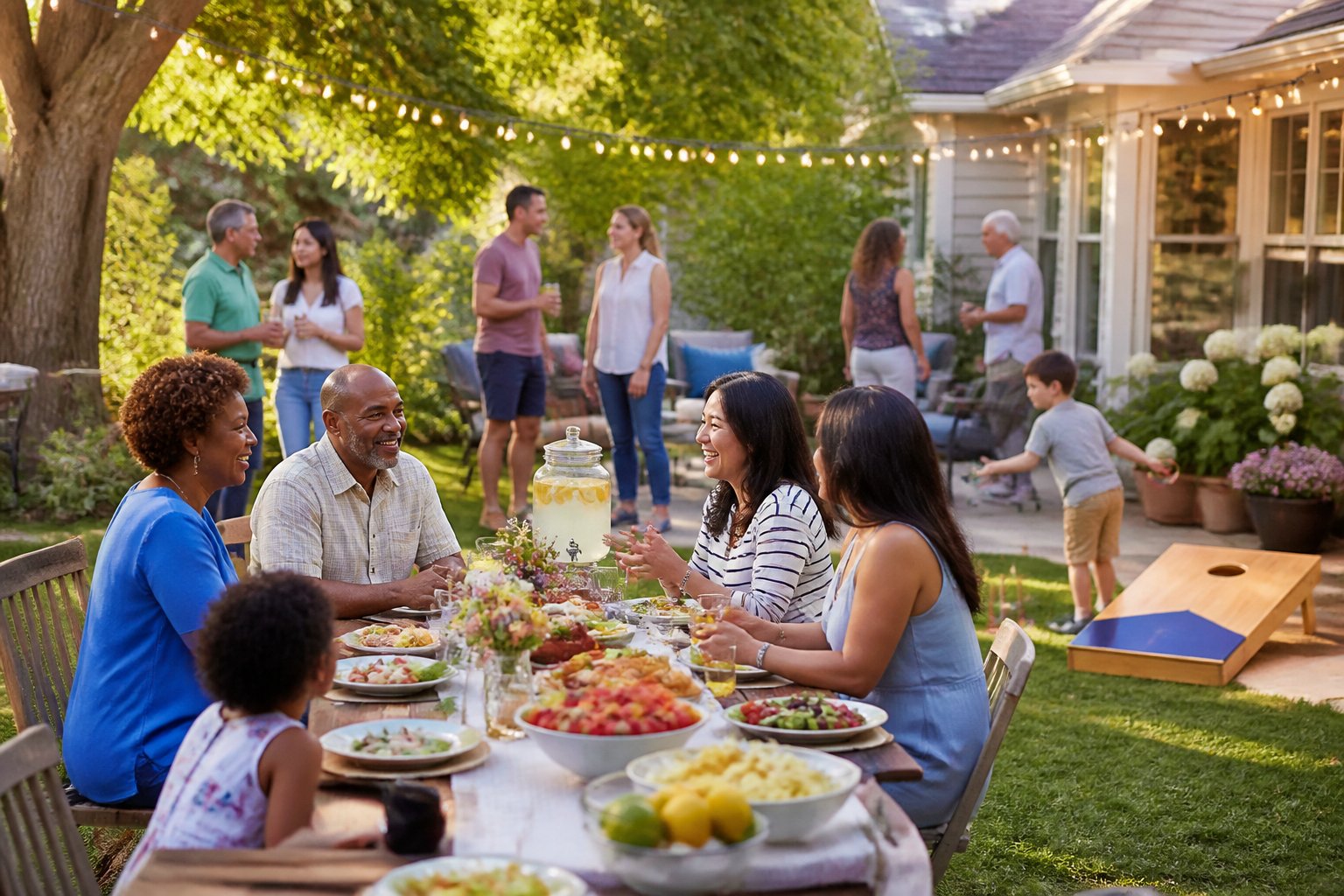
The strongest neighborhood party ideas make participation easy, give people a reason to mingle, and leave room for different ages, abilities, and comfort levels. Choose one manageable format, invite a few neighbors to help, and build the event around connection instead of elaborate decorations. When you are ready to organize your gathering, use a shared invitation, RSVP list, and volunteer plan to get neighbors involved from the start.
1) Summer Potluck Block Party
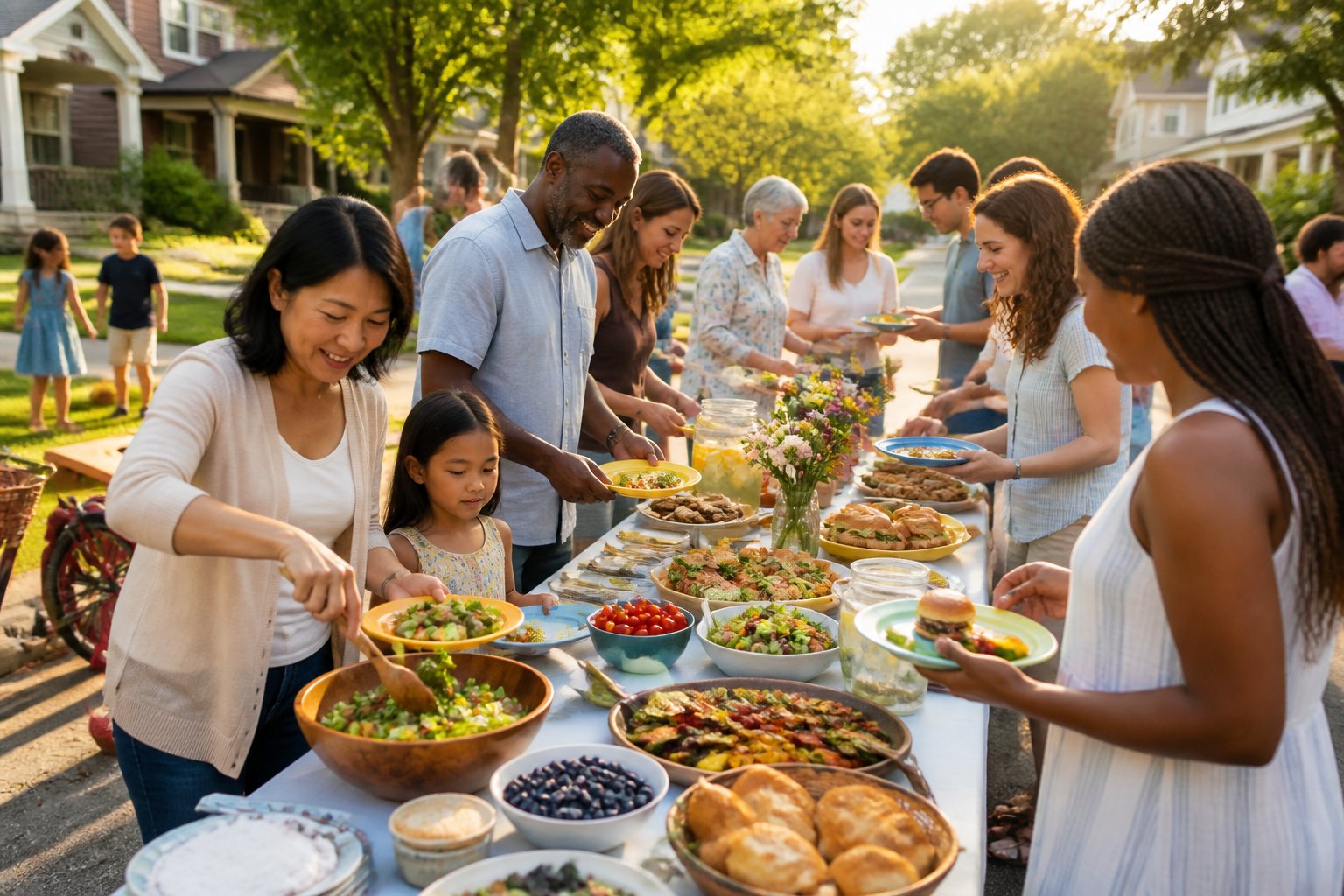
A summer potluck block party creates an easy social anchor: everyone brings a dish, then shares a meal outdoors. Choose a two- to three-hour window, provide tables and shade, and label dishes with common allergens and dietary information.
Ask households to sign up for categories such as salads, grilled foods, vegetarian dishes, desserts, and drinks. Include reusable cups, water, serving utensils, trash bags, and a cooler with nonalcoholic beverages.
Set up small conversation areas around the main table. A welcome sign with each person’s name and street number helps new residents join conversations. Simple lawn games, sidewalk chalk, and background music give guests natural ways to participate.
If you need inspiration for the food setup, these garden BBQ party ideas can help you plan an inviting outdoor menu and serving area.
2) Outdoor Movie Night at the Neighborhood Park
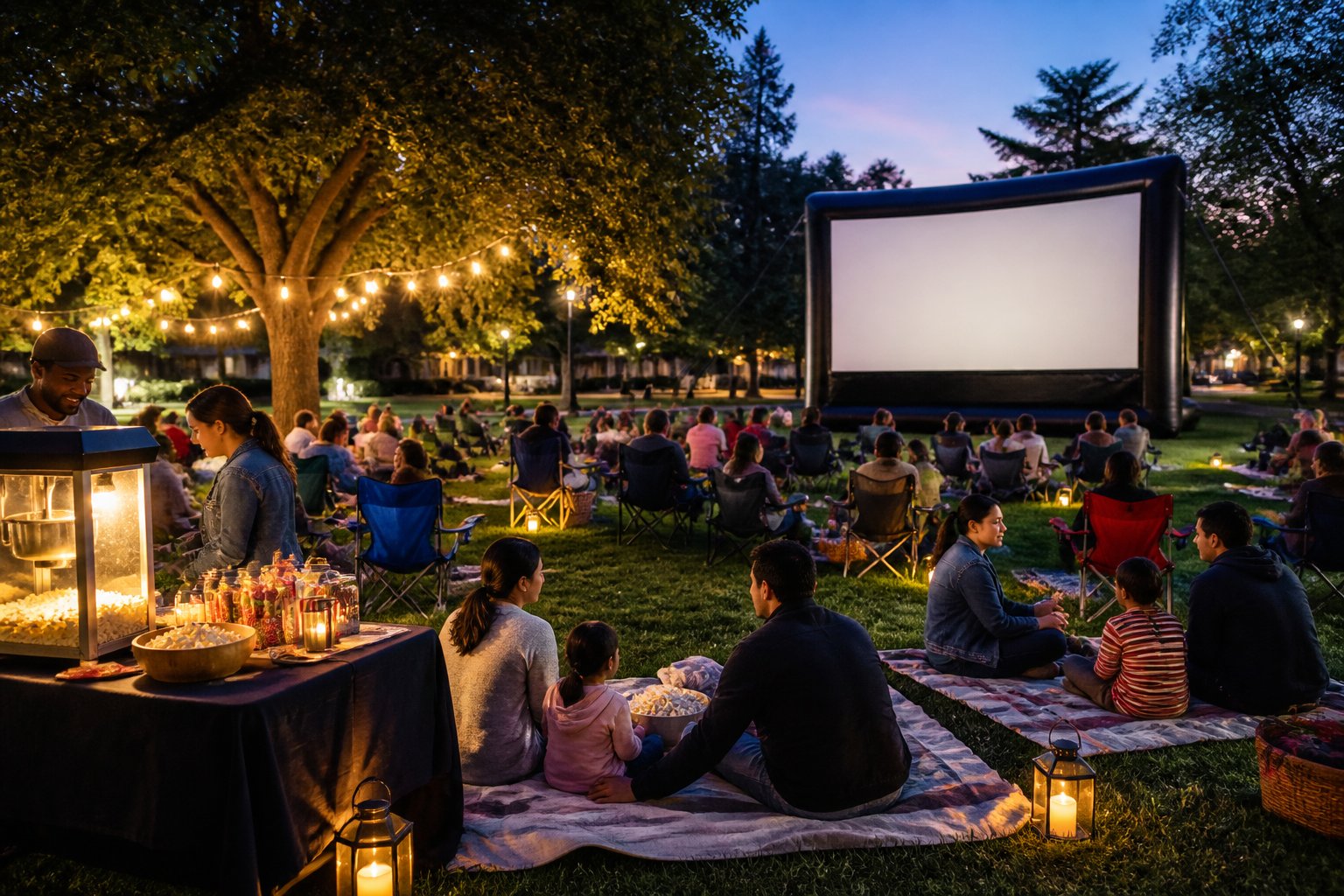
An outdoor movie night gives neighbors a shared experience with a clear beginning and ending. Select a family-friendly film, confirm public screening permissions, and check whether the park allows amplified sound, projectors, and evening gatherings.
Ask guests to bring blankets or lawn chairs while the planning team supplies the screen, projector, extension cords, and a backup power plan. Test the equipment before sunset so technical issues do not interrupt the event.
Offer popcorn, fruit, water, and individually packaged snacks. Place seating close to the screen for children, create a quieter edge area, and keep pathways clear for guests who need mobility access. A short welcome announcement before the movie can introduce new residents and share cleanup instructions.
For a more festive evening atmosphere, explore these garden party nighttime ideas for lighting and guest comfort.
3) Community Talent Show and Open Mic
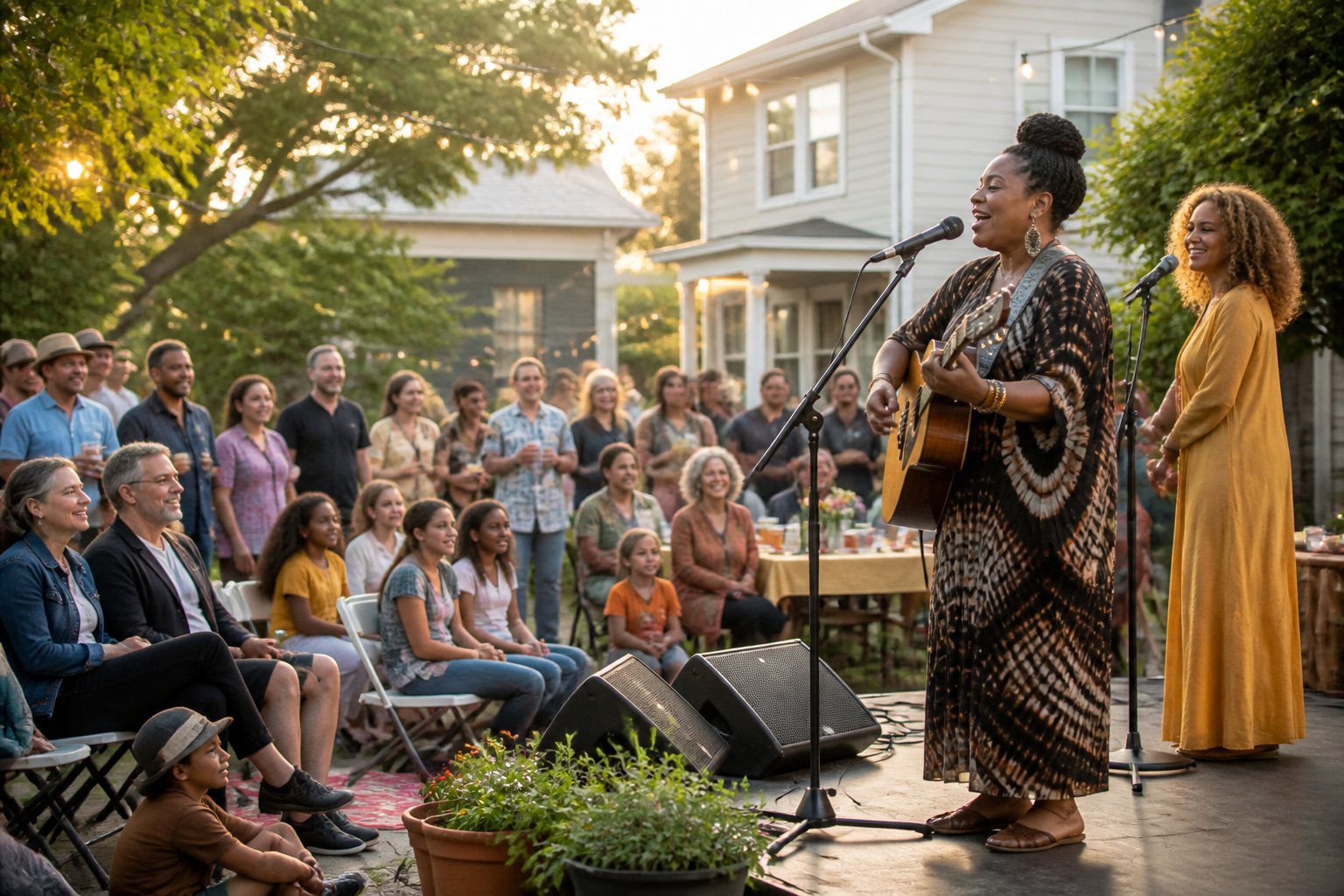
A community talent show gives residents a visible role and celebrates skills across generations. Invite singers, musicians, poets, comedians, dancers, storytellers, and hobby demonstrators to sign up for short performances.
Use a simple registration form that asks about act length, equipment needs, and accessibility requests. A host can keep the program moving while a volunteer manages microphones and music playback. Set a welcoming tone by applauding every participant and offering a group finale for guests who prefer shared participation.
Provide a small stage area with clear cables, stable flooring, and seating with an unobstructed view. Include a low-pressure open mic after the scheduled acts so spontaneous contributions fit into the evening.
Offer snacks during intermission and create a backstage waiting area away from the speakers. A printed program helps guests follow the lineup and gives performers recognition.
4) Seasonal Recipe Swap Potluck
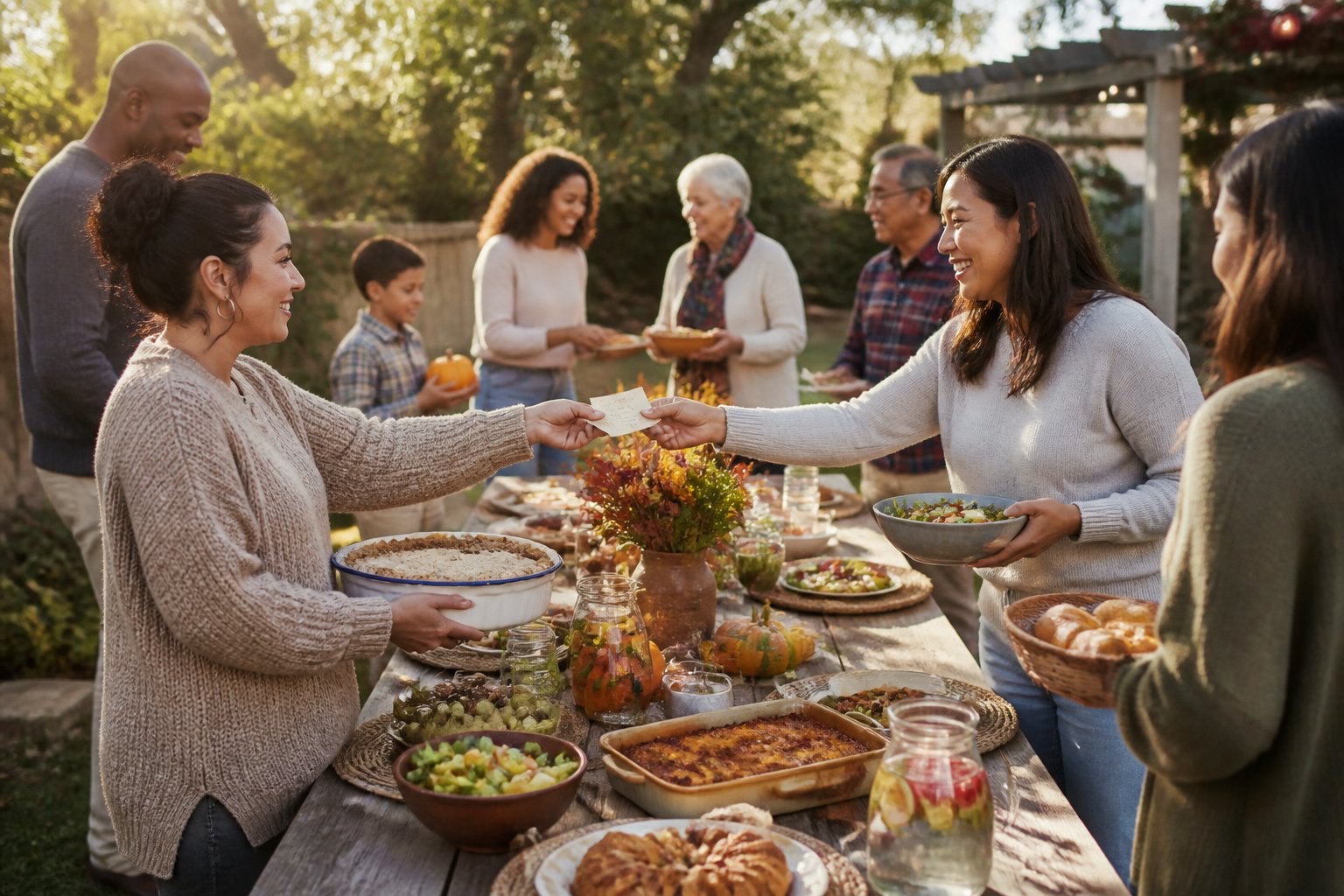
A seasonal recipe swap combines a shared meal with a useful take-home exchange. Ask each participant to bring one prepared dish and copies of its recipe, including ingredient substitutions and allergen notes.
Organize tables by category, such as appetizers, main dishes, baked goods, preserves, and beverages. Place tent cards beside each dish with the cook’s name, recipe title, serving temperature, and dietary details.
You can choose a theme tied to the calendar, such as summer produce, autumn comfort food, winter soups, or spring brunch. Keep portions small enough for sampling, and provide take-home containers for leftovers if local food-safety rules permit.
Set up a recipe card station with blank cards, pens, and a display board. Guests who do not cook can contribute drinks, napkins, music, or conversation prompts. A short introduction round lets neighbors explain the story or tradition behind their dish.
Use these garden party recipe ideas to expand your seasonal menu planning.
5) Family Field Day With Lawn Games
A family field day builds interaction through short games that guests can join at different skill levels. Create stations for ring toss, beanbag targets, relay races, hula-hoop challenges, sidewalk chalk, and a water-cup relay.
Use mixed-age teams so children, adults, and older neighbors can participate together. Keep score with a shared board, while offering participation ribbons or playful awards such as best team spirit and most creative cheer.
Schedule water breaks and place refill stations near the activity area. Choose soft equipment, mark boundaries clearly, and appoint a safety volunteer to watch busy zones. Guests with limited mobility can serve as scorekeepers, announcers, judges, or strategy captains.
A short field day works well before a potluck because games encourage introductions before everyone sits down to eat. For additional activity options, browse these garden party game ideas.
6) Cultural Exchange Dinner Night
A cultural exchange dinner invites neighbors to share food, music, stories, and traditions in a respectful setting. Ask participants to contribute a dish, family recipe, playlist suggestion, table display, or short explanation of a custom.
Create a buffet with clear labels for ingredients, allergens, vegetarian options, and spice levels. Invite guests to pronounce names correctly and describe traditions in their own words. A host can introduce each contribution without assigning anyone the role of representing an entire culture.
Add conversation cards with prompts such as “What dish reminds you of home?” or “Which celebration do you look forward to?” Include quiet seating for guests who prefer small conversations and a children’s table with coloring supplies.
Keep the event welcoming by accepting nonfood contributions. Guests can help decorate, translate, greet arrivals, or share music. Obtain permission before photographing people or posting cultural displays online.
7) Neighborhood Scavenger Hunt
A neighborhood scavenger hunt gives small groups a reason to explore, cooperate, and learn about local features. Prepare a route with clues based on public spaces, colorful gardens, architectural details, community landmarks, and safe photo prompts.
Keep every clue on public property and avoid asking teams to enter yards or photograph residents without permission. Offer a paper version and a digital version, then create routes with shorter distances for young children, seniors, and guests with mobility limitations.
Form mixed-household teams at check-in so people meet neighbors outside their usual circle. Assign each group a start time if sidewalks are narrow or the route crosses busy areas. A finish-line table can offer water, snacks, and a simple prize drawing.
Test the route before inviting guests. Remove clues that depend on temporary displays, confirm accessible paths, and provide a phone number for teams that need assistance. A community trivia round makes a good indoor backup during poor weather.
8) Community Art Mural Project
A community art mural project creates a lasting visual record of neighborhood participation. Choose a permitted wall, confirm ownership and local rules, and develop a design that leaves space for many individual contributions.
Invite a local artist, art teacher, or experienced neighbor to guide the layout and supervise materials. Use washable sidewalk chalk for a temporary version or exterior-rated paint for a permanent mural after receiving written approval.
Provide aprons, gloves, brushes in varied sizes, water containers, and clearly marked work zones. Offer stencils and pre-drawn shapes for guests who feel unsure about freehand painting. Children can add small tiles, symbols, or color blocks with adult supervision.
Include a short story-gathering station where residents write what they hope the neighborhood represents. Display those notes beside the finished work or compile them into a community booklet. Plan cleanup before the first brush is opened.
9) Skill-Sharing Workshop Social
A skill-sharing workshop social helps neighbors exchange practical knowledge while keeping conversation focused. Invite residents to teach short sessions on bicycle repair, container gardening, basic sewing, budgeting, cooking, technology, or home maintenance.
Use rotating stations lasting 15 to 30 minutes, with a printed schedule and clear supply lists. Teachers should demonstrate tasks at a pace that allows questions, while assistants help participants who need individual guidance.
Ask presenters to identify tools, materials, safety requirements, and accessibility needs in advance. A contribution jar can support shared supplies, or each session can use donated materials. Keep the event affordable by prioritizing skills that require common household items.
Serve light snacks during transitions so guests have time to meet outside their workshop. Provide a quiet table for one-to-one help and a sign-up sheet for future sessions. This format also gives new residents a comfortable way to offer expertise.
10) Cleanup Day and Picnic Celebration
A cleanup day followed by a picnic connects visible neighborhood improvement with a relaxed social gathering. Select a manageable area, coordinate with the city or property owner, and identify what volunteers should collect.
Give volunteers gloves, bags, grabbers, water, sunscreen reminders, and clear instructions for hazardous materials. Divide the area into zones and pair new residents with returning participants. Children can collect safe litter with adult supervision or decorate signs encouraging proper disposal.
Set a firm cleanup end time, then move to a nearby picnic area with handwashing supplies and food stored safely. Invite local organizations, tenant groups, or community garden members to share information about future projects.
Document the completed work with permission and share a short update through your neighborhood communication channel. Keep the celebration inclusive with vegetarian options, shaded seating, and a no-cost participation policy.
How to Plan a Neighborhood Party
A successful neighborhood party starts with a small planning team, a clear purpose, and an event format that matches your space. Create a shared checklist for location, date, invitations, food, activities, accessibility, safety, permits, and cleanup.
How do you choose a party idea that fits your neighbors?
Choose an activity by considering age groups, common interests, available space, weather, and the amount of volunteer time you can secure. A potluck suits neighbors who enjoy conversation and cooking, while a scavenger hunt or field day gives active guests more movement.
Ask for input through a short survey, door-to-door conversations, or a neighborhood social platform. Include an “I would attend,” “I could volunteer,” and “I have equipment to lend” option so responses lead directly to planning tasks.
Start with a repeatable format that can grow over time. A small gathering with reliable attendance creates useful feedback for the next event.
What permits, insurance, or street-closure approvals might you need?
You might need municipal approval for a street closure, amplified music, park use, temporary structures, food service, or alcohol. Contact your city clerk, parks department, public works office, or neighborhood services department early, since requirements and deadlines differ by location.
Ask whether barricades, fire-lane access, liability insurance, vendor licenses, or event security are required. Written permission from a property owner is important for walls, private yards, shared driveways, and other controlled spaces.
Keep copies of approvals with the event lead and communicate boundaries to volunteers. Follow local rules for food handling, waste disposal, noise, and emergency access.
How can you organize food, volunteers, and RSVPs without doing everything yourself?
Divide the work into named roles: coordinator, communications lead, food organizer, activity lead, accessibility contact, setup crew, and cleanup captain. Give each role a short checklist and a deadline, then use one shared document for updates.
Send invitations six to eight weeks ahead for a larger summer block party, with reminders closer to the date. Include the location, rain plan, food assignments, parking guidance, accessibility details, and an RSVP method.
Use a sign-up sheet for dishes and equipment so several households share responsibility. Confirm volunteers a few days before the event and keep a printed contact list for setup day.
Ways to Make Every Neighbor Feel Welcome
Inclusive neighborhood parties use clear information, multiple ways to participate, and practical accommodations. Design the event so guests can join through conversation, food, creative work, games, volunteering, or quiet observation.
How can you include kids, teens, adults, and seniors?
Offer activities with different energy levels and time commitments. Children might enjoy chalk, crafts, or supervised games; teens can manage music, photography, scorekeeping, or a refreshment station; adults can host activities; and seniors can lead storytelling, trivia, or seated games.
Use mixed-age teams and avoid making every activity competitive. Place seating near the action, provide frequent breaks, and make instructions readable from a seated position.
Invite each age group to help shape the event during planning. A teen-led playlist, a family recipe table, and a senior-led neighborhood history display give residents meaningful ownership.
What makes an event comfortable for new residents and quieter guests?
A visible welcome table, name tags, conversation prompts, and assigned greeters help new residents enter the gathering. Give guests a clear schedule so they know what will happen and where to find food, restrooms, seating, and activities.
Create a quieter area away from speakers and crowded food lines. Let guests participate without performing, introducing themselves publicly, or joining a team immediately.
Use inclusive language on invitations and ask about preferred names, mobility needs, dietary restrictions, and communication preferences. A host who notices people standing alone can make introductions with permission.
How can you keep the event affordable and accessible?
Set a no-cost or pay-what-you-can model, borrow supplies, use public spaces with permission, and ask local businesses for in-kind donations. Potluck assignments, shared equipment, reusable decorations, and volunteer labor reduce expenses without shifting all costs to one household.
Choose an accessible route, stable seating, readable signs, nearby restrooms, and food at reachable heights. Provide nonalcoholic drinks, vegetarian choices, allergen labels, and a way to attend without bringing a dish.
Share transportation information and avoid requiring digital-only RSVPs. A paper sign-up sheet or phone contact keeps participation open to neighbors with limited internet access.
Frequently Asked Questions
How do you have a neighborhood party on a budget?
Keep the gathering short, use a public or donated space, and divide food, supplies, setup, and cleanup among households. Borrow tables and games, choose a potluck menu, use digital or printed invitations, and ask local businesses for donated water or small prizes.
What are the best block party ideas for adults?
Adults often enjoy a recipe swap, cultural exchange dinner, outdoor movie, skill-sharing social, or tasting-style potluck. Add conversation prompts, comfortable seating, background music, and nonalcoholic beverages so guests have several ways to socialize.
What activities work well for kids and teens at a neighborhood party?
Kids respond well to chalk art, craft stations, scavenger hunts, relay games, and simple lawn activities. Teens can lead music, photography, team games, open-mic support, or a community mural, giving them responsibility alongside entertainment.
How do you plan a block party when neighbors do not know each other?
Choose a low-pressure format with structured introductions, small teams, and shared tasks. Name tags, welcome hosts, conversation cards, and activities such as a scavenger hunt or potluck help people interact without requiring long speeches.
What are fun neighborhood party ideas for seniors?
Recipe swaps, seated trivia, storytelling circles, garden tours, music socials, and afternoon tea create comfortable opportunities for seniors to participate. Provide shade, accessible paths, nearby seating, readable signs, easy-to-handle food, and a quieter conversation area.


