

Creative Steep Bank Garden Ideas for Stunning Outdoor Spaces: 25 Inspiring Designs
Gardening on a steep bank? Yeah, it can seem tricky at first, but honestly, it opens up all sorts of fun ways to get creative with your yard. Slopes can become beautiful, practical gardens that bring both charm and function—if you play your cards right.
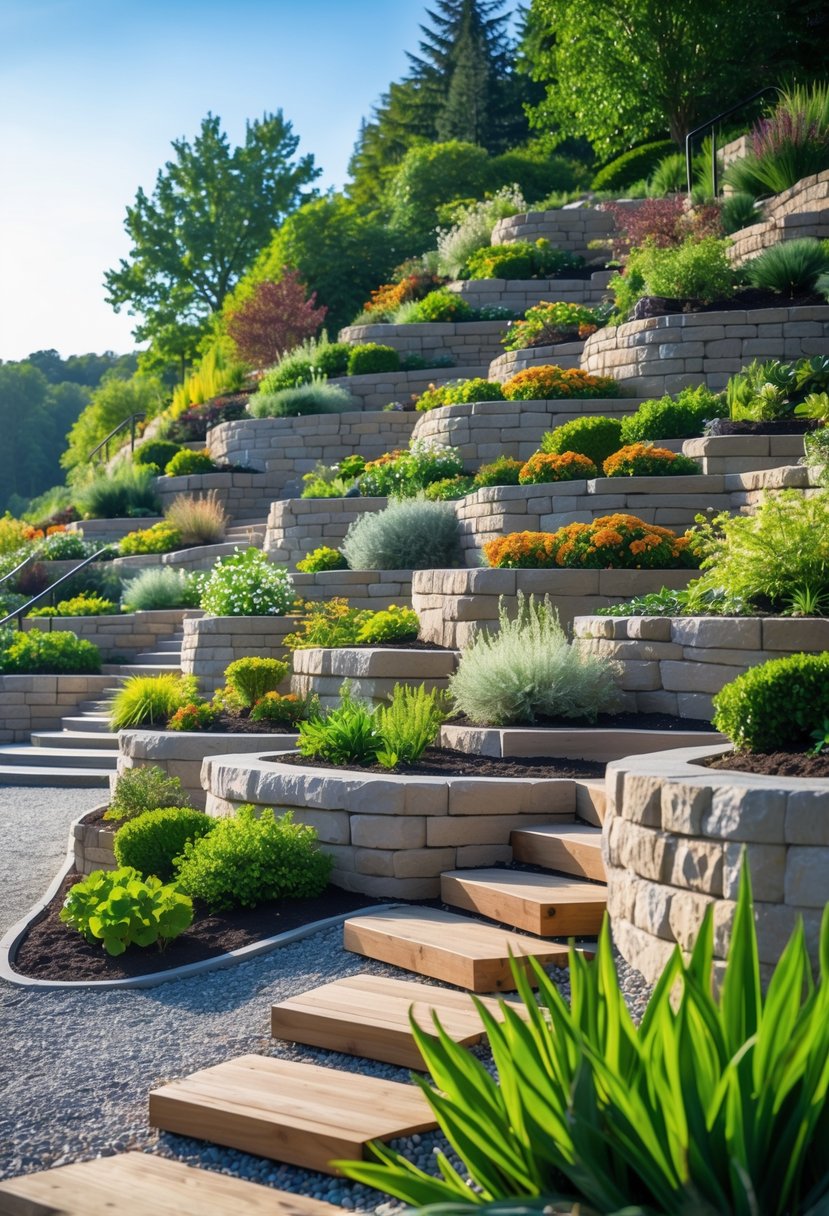
Creative steep bank garden ideas help you get the most out of uneven ground while keeping your plants happy and soil where it belongs. With a little planning, you can have a space that looks great and actually works, no matter how steep your land is.
1) Terraced flower beds with colorful perennials
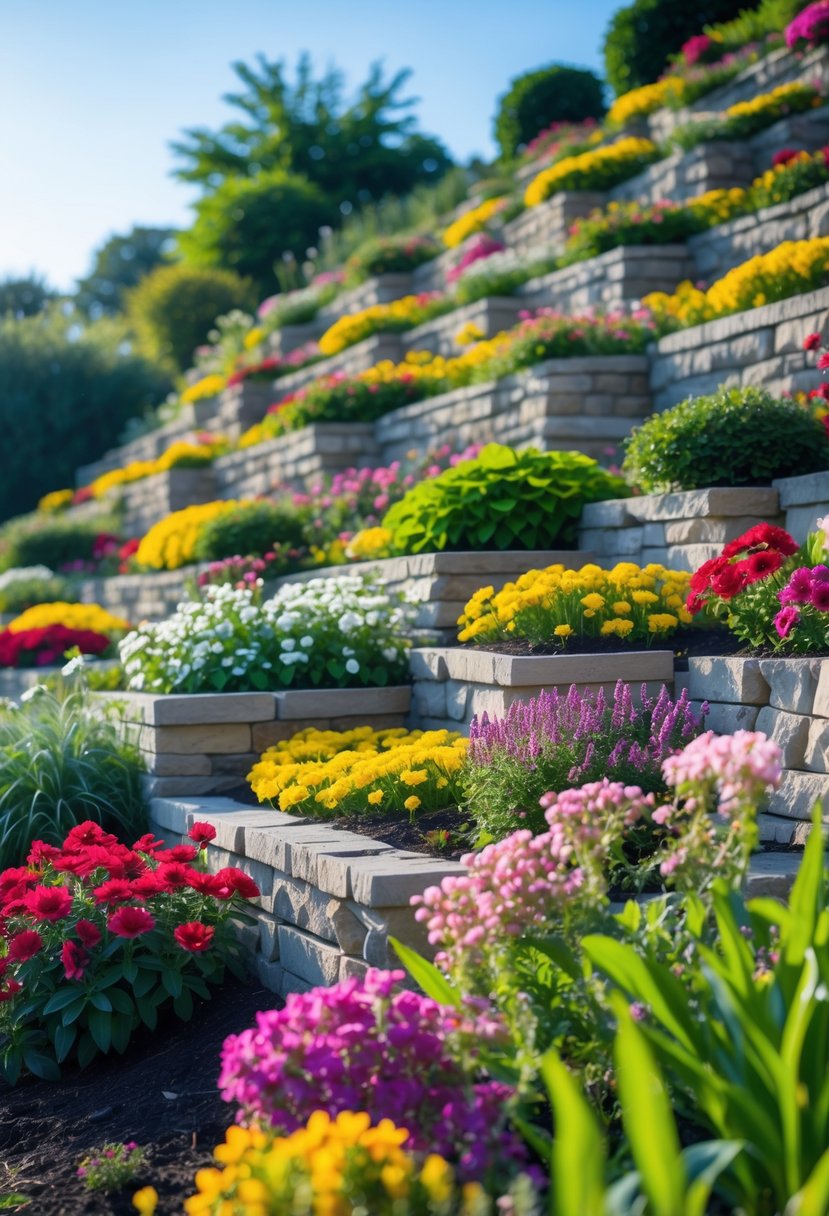
Terraced flower beds let you transform a steep bank into a real garden showpiece. By building flat levels, you keep soil from washing away and make watering a lot easier.
Plant colorful perennials on each terrace. These come back every year, so you won’t have to replant constantly.
Pick plants that love your local weather to keep things simple and bright. Stones or bricks make solid retaining walls that hold soil and give your garden a tidy, layered look.
Need more ideas? Dive into terraced flower beds and other steep bank garden ideas.
2) Cascading lavender and creeping thyme ground cover
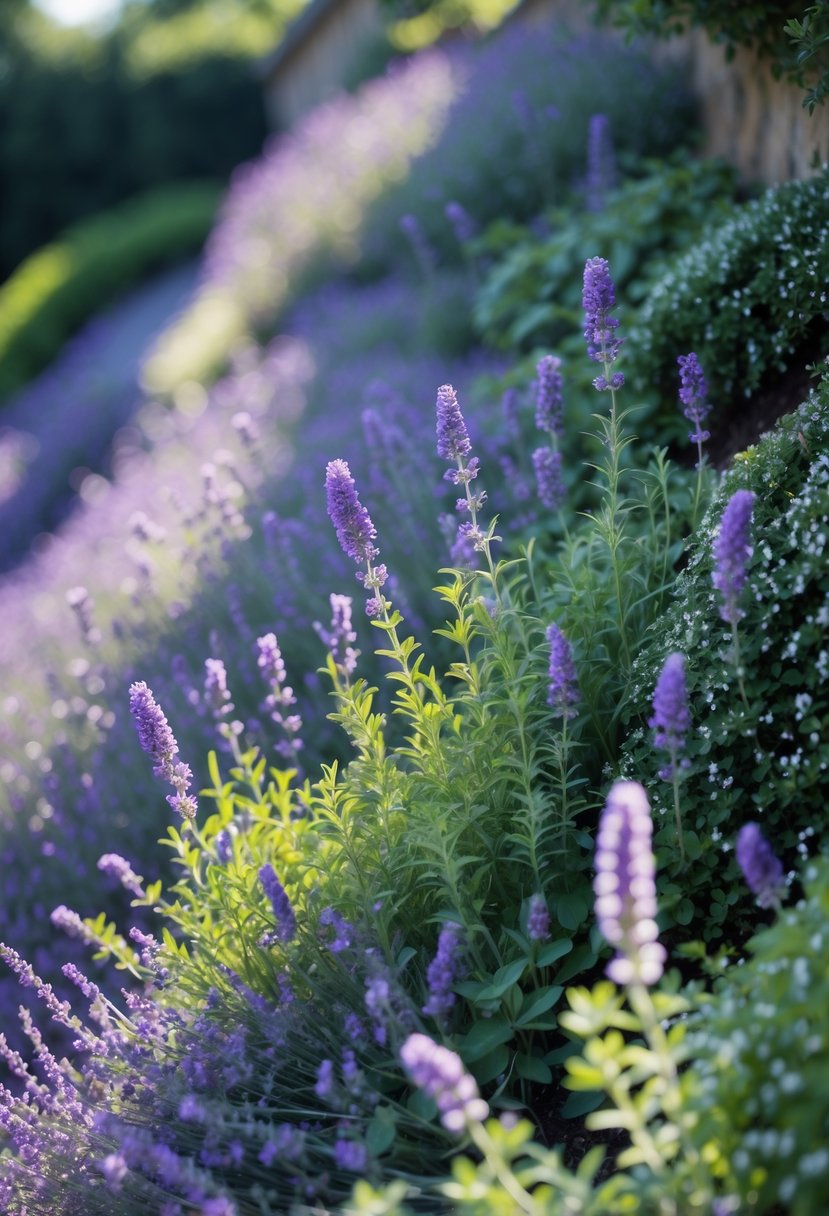
Mix lavender and creeping thyme for a gorgeous, fragrant cascade down your steep bank. Lavender brings color and that classic scent, while creeping thyme spreads low and thick as a ground cover.
Both plants barely need any work and help keep soil from sliding away. You’ll get a spot that looks good and smells even better, with hardly any fuss.
Try planting them together to turn a tough patch into a favorite garden corner. Want more? Check out creative ways to use creeping thyme here.
3) Winding natural stone pathway with solar lights
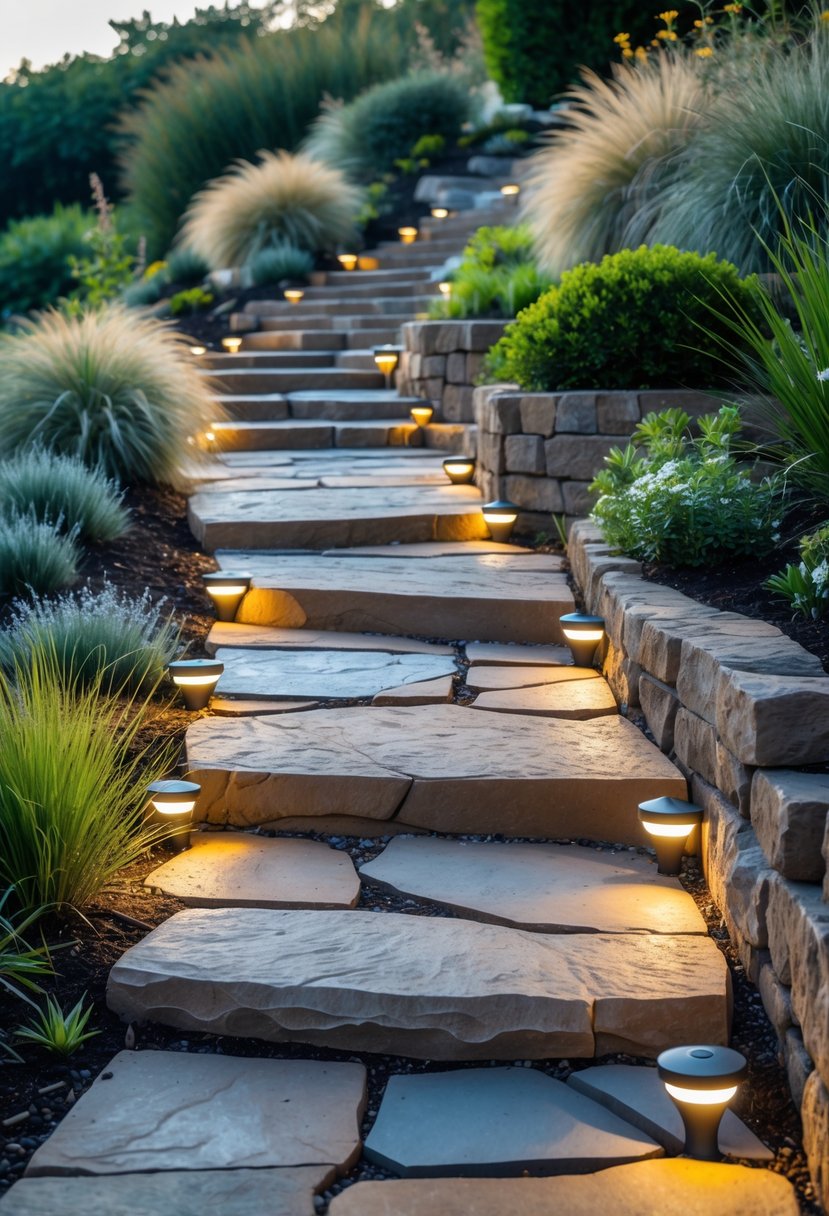
Lay down a winding pathway with natural stones to add some magic to your steep bank. The curves feel welcoming and fit right in with the landscape.
Pick irregular stones for a rustic vibe. Add solar lights along the path to light things up at night.
Solar lights install easily and don’t use extra energy. They make evening strolls safer and way more inviting.
A winding stone path with solar lights gives your garden a unique, practical flair. Need more ideas? See winding stone pathway options with solar lighting.
4) Rock garden with drought-tolerant succulents
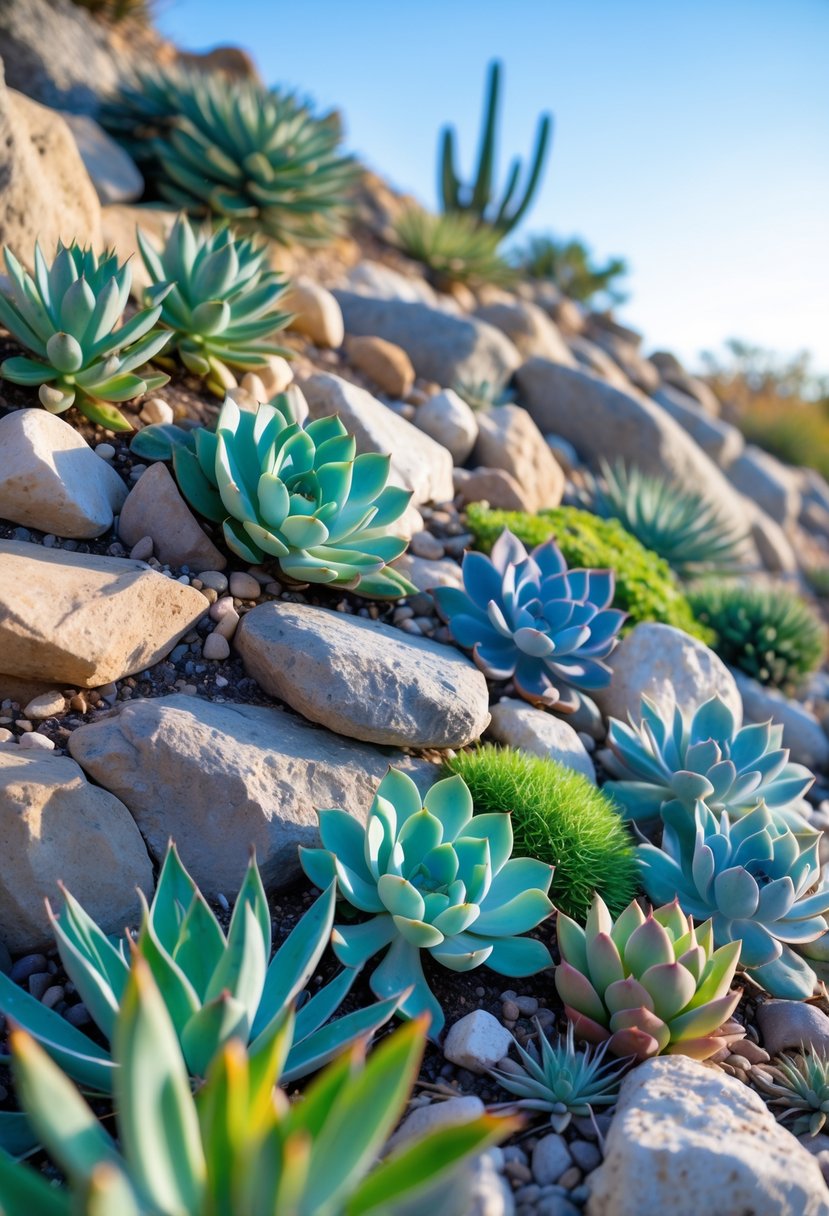
Go for a rock garden to give your steep bank a natural, playful look. Add drought-tolerant succulents, and you’ll barely need to water or fuss over them.
Succulents like echeveria come in all sorts of colors and shapes. They really pop against the rocks.
The rocks hold soil in place and contrast nicely with the soft, plump leaves. This combo makes your slope safer and a lot more interesting.
Looking for inspiration? Check out simple succulent rock garden ideas for different styles.
5) Vertical garden wall with herbs like rosemary and mint
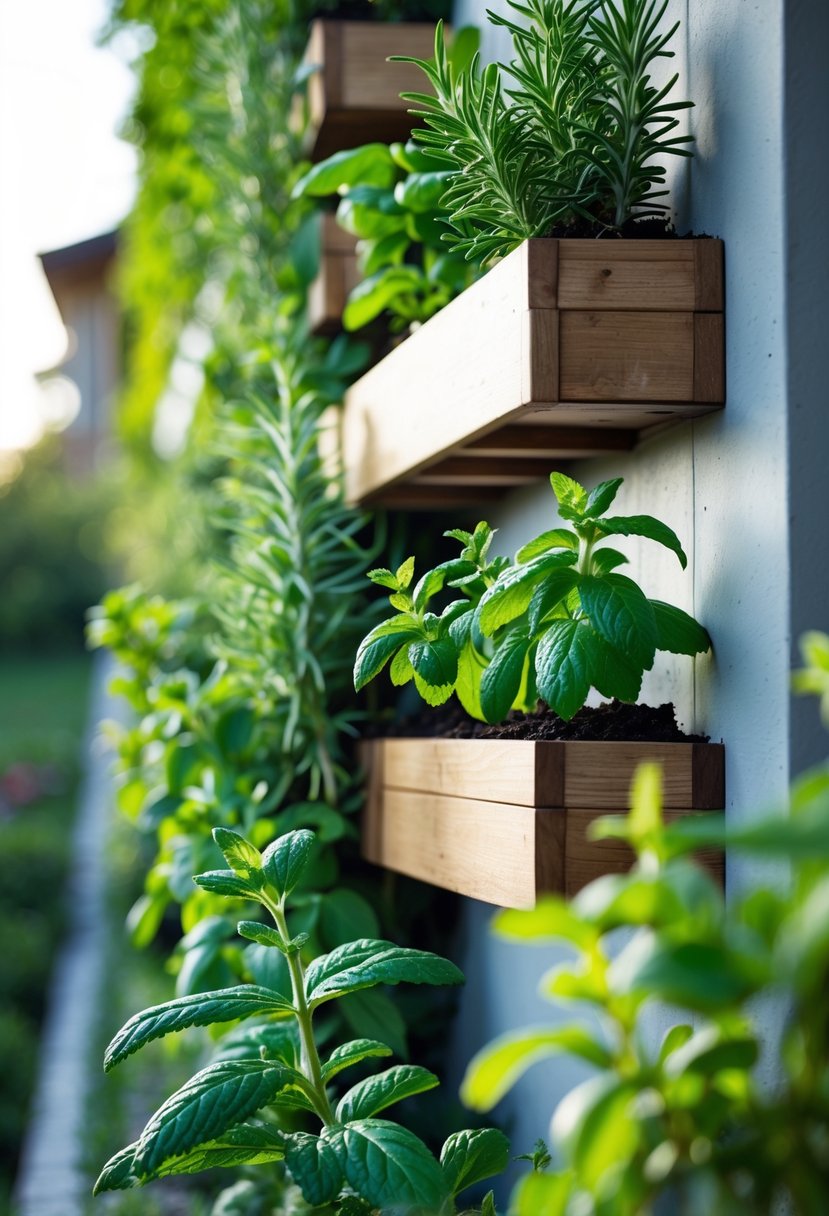
Turn your steep bank into a vertical herb wall with rosemary and mint. These herbs thrive in small spaces and bring fresh flavors to your meals.
Plant herbs in pockets or small containers fixed to the wall. It saves space and makes picking fresh leaves a breeze.
A simple wooden frame or upcycled materials hold your plants just fine. It adds a splash of green without crowding your garden.
Try mixing different herbs for more color and options. Having fresh rosemary and mint right there? Pretty handy. For more, see vertical herb garden ideas.
6) Layered planting with ornamental grasses and ferns

Layer ornamental grasses and ferns to add depth to your steep bank. Start with low ferns at the bottom for soft texture and a splash of green.
Add medium grasses like fountain grass or blue fescue in the middle. They move in the breeze and help keep soil from slipping.
Use taller grasses at the top to frame everything and pull the eye up. This mix keeps your slope stable and gives it a wild, layered look.
Need more ideas? Check out creative steep bank garden ideas.
7) Upcycled wooden pallets as vertical planters

Grab some old wooden pallets and turn them into vertical planters. They’re perfect for saving space on a steep bank.
Just lean a pallet against your slope or secure it tightly. Fill the gaps with soil or slip in little pots for flowers, herbs, or succulents.
You get a tidy green wall and reuse materials that might have gone to waste. Curious? Check out 25 Best Vertical Pallet Garden Ideas & DIY Basics.
8) Stepped retaining walls made from natural stone
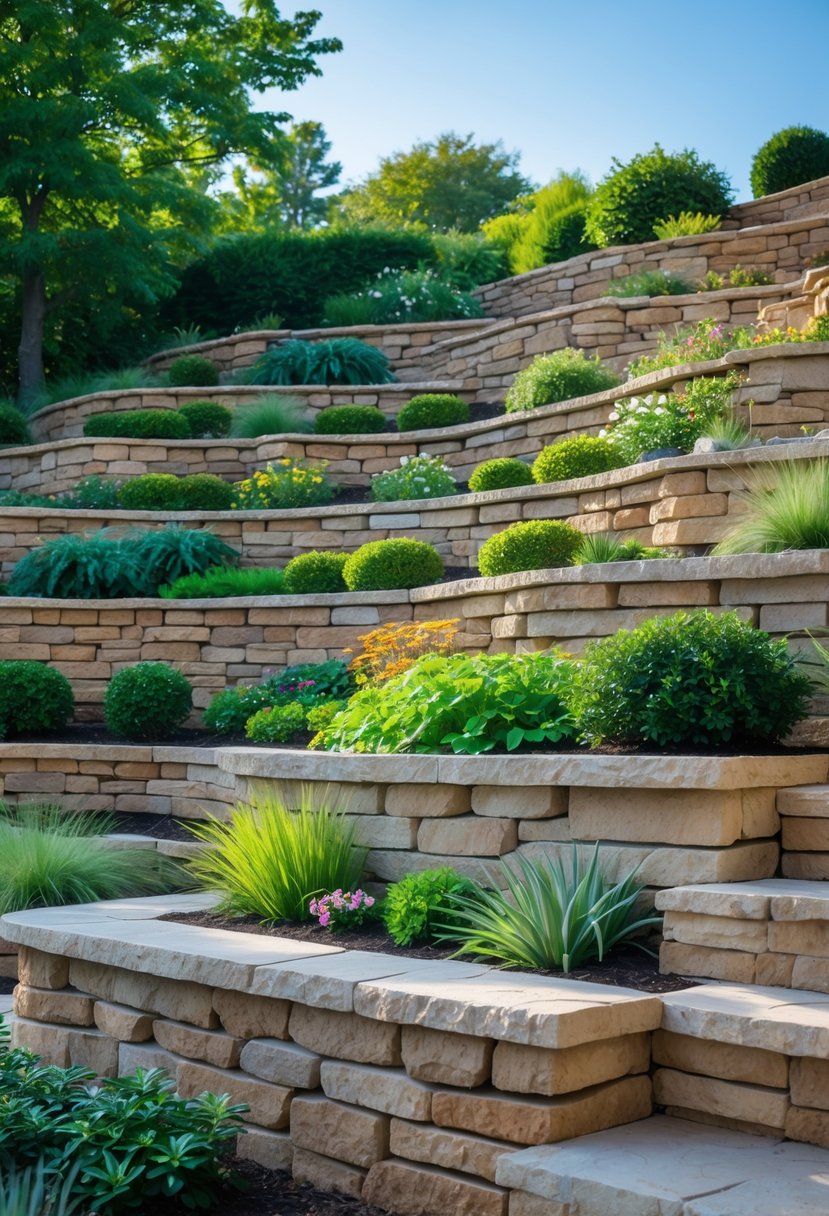
Build stepped retaining walls with natural stone to keep your steep bank in check. These walls control soil and bring a timeless, earthy feel.
Each step gives you a flat spot for flowers or small shrubs. Natural stone fits right in with plants and the rest of your yard.
A well-built stone wall lasts for ages and lets water drain so your soil stays healthy. Need ideas? See natural stone retaining wall ideas for backyard design.
9) Multi-level seating areas carved into the slope
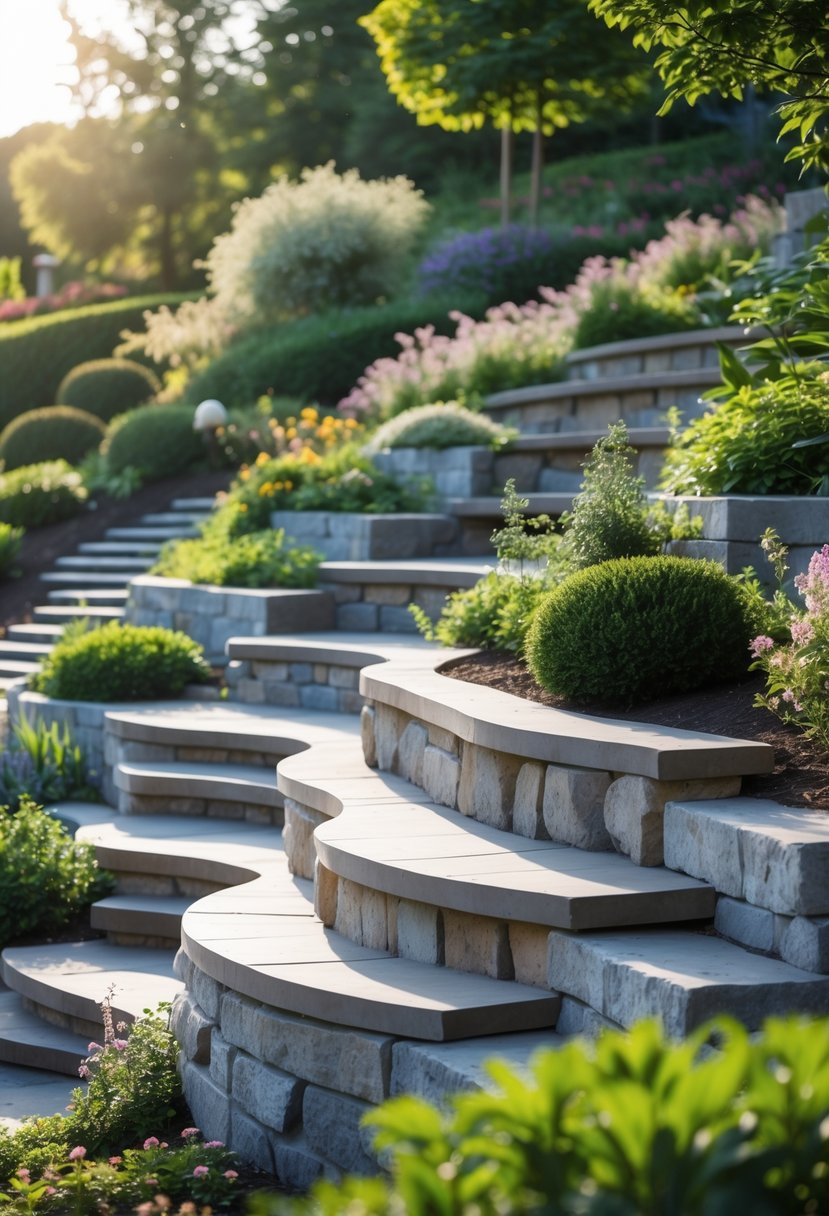
Carve out cozy seating spots by making flat areas in your steep bank. Each level becomes a place to relax, chat, or just take in the view.
Use wood or stone for benches to keep the vibe natural and peaceful. Multi-level seating turns a tricky slope into a personal retreat.
For more on this, check out multi-level deck designs for slopes.
10) Native wildflower meadow section for pollinators
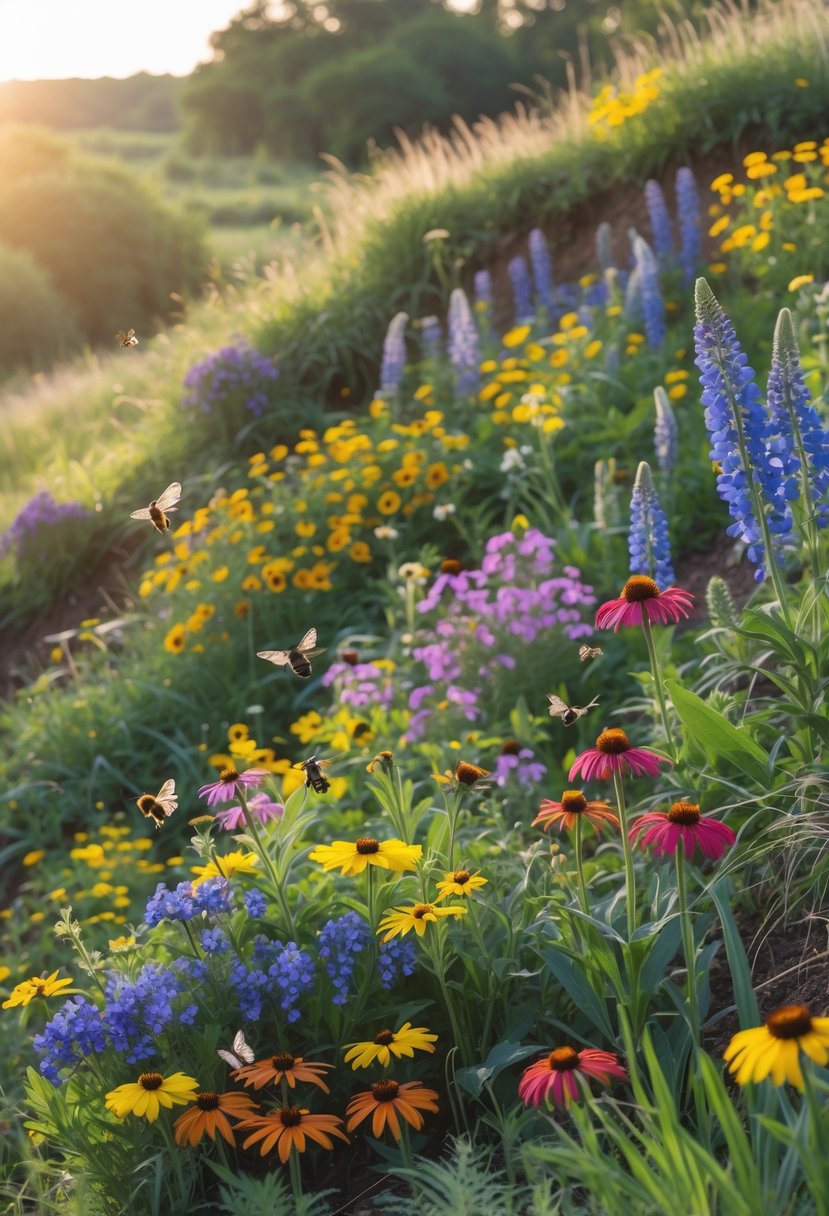
Plant a native wildflower meadow on your steep bank to draw in bees, butterflies, and hummingbirds. These flowers are easy to grow and help local pollinators thrive.
Wildflowers don’t need much mowing, making them perfect for slopes. Pick native species that match your soil and sun.
Use native wildflower seed mixes for the best results. Over time, your meadow will bloom in waves, adding color and life.
This wild patch also creates a home for helpful wildlife.
11) Edible hillside garden with strawberries and blueberries
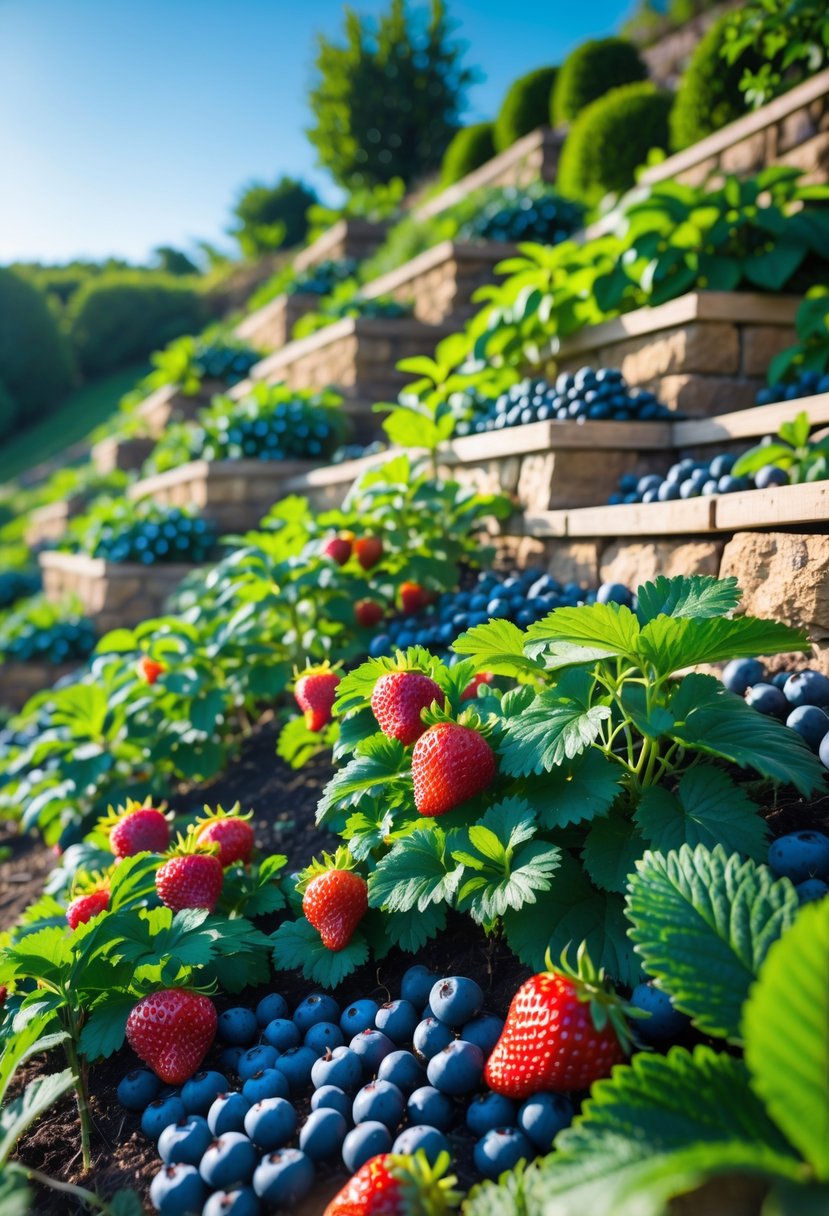
Turn your steep bank into an edible garden with strawberries and blueberries. These plants help hold soil while giving you something tasty to pick.
Strawberries spread low and cover the ground. Blueberries bring height and bursts of color with their bushes.
Make sure your hillside gets good sun and drains well. Mulch helps keep moisture in and weeds out.
Want more tips? Check out growing strawberries on slopes and backyard strawberry garden designs.
12) Bird-friendly planting using native shrubs

Bring more birds to your steep bank garden by planting native shrubs. These provide food, shelter, and safe nesting spots.
Native shrubs already fit your local climate, so they’re easier to grow and better for wildlife. Shrubs like American Beautyberry give birds berries and thrive in sun or shade.
By layering a few types of shrubs, you create a safe, lively spot for birds all year. Want to learn more? See native shrubs for a bird garden at art of stone gardening.
13) Waterfall feature with mossy rocks

Add a peaceful vibe to your steep bank garden with a small waterfall. When you use mossy rocks, the waterfall blends right into the landscape and just feels like it belongs there.
Moss gives everything a soft green glow and makes the water feature more inviting. It holds moisture, so your waterfall stays fresh.
Stack rocks to make a little stream or cascade. Place moss around and on top of the rocks for a rich, natural vibe.
If you want more inspiration, check out some ideas for using rocks and moss in waterfalls here.
14) Ajuga ground cover to prevent erosion

Ajuga works wonders for a steep bank garden. It spreads fast and forms a thick mat that really keeps the soil in place.
This plant likes partial shade and moist soil, so it’s perfect for spots that don’t get blasted by sun all day.
The leaves show off shades of green, burgundy, or bronze—pretty cool, right? When spring rolls in, Ajuga blooms with purple flowers and brings in pollinators.
Ajuga as a ground cover prevents erosion and adds color and texture to your slope. Want more info? Check out mybloomgarden.com for ajuga care tips.
15) Herb spiral design for compact kitchen garden

Looking to save space? An herb spiral is a smart pick for your kitchen garden. It lets you grow a bunch of herbs in a tight spot by building a spiral raised bed.
The spiral shape uses vertical space and creates little microclimates. Some spots get more sun or stay wetter, so you can mix and match herbs.
Plant basil, thyme, rosemary, and mint all together. Herb spirals are easy to build and make picking fresh herbs a breeze.
Want to try it? Here’s a handy herb spiral garden guide.
16) Driftwood art accents among plantings
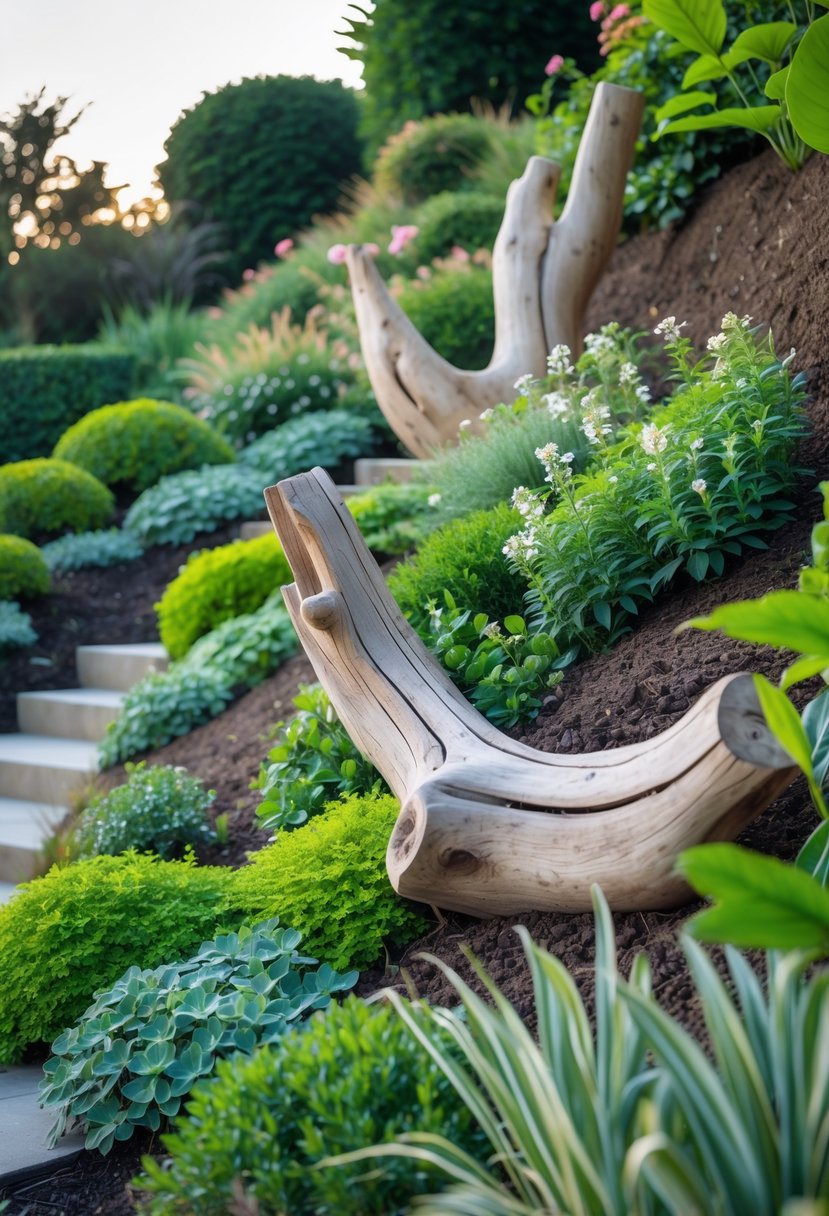
Adding driftwood art between your plants brings a rustic, natural vibe to a steep bank garden. Place weathered wood between flowers or shrubs for interesting shapes and a bit of texture.
Driftwood can act as a divider or just a cool focal point. It fits right in with the greenery and doesn’t need much fuss.
Try using driftwood as a frame for a small planter or as a base for succulents. These art accents make your garden feel more personal.
Get more driftwood garden ideas here.
17) Pathway lined with solar lanterns

Brighten up your steep bank garden with a path lined with solar lanterns. These lights soak up the sun by day and glow softly at night, so your garden feels safe and cozy.
Solar lanterns add charm and you don’t have to mess with wiring or electricity.
You can place them along curved or bumpy paths, and they highlight all the best spots. They’re a super eco-friendly way to enjoy your garden after dark.
Need ideas? Check out creative solar light options here.
18) Terrace with raised vegetable beds

Build terraces on your steep bank and add raised vegetable beds. This stops soil erosion and makes planting way easier.
Raised beds let you control the soil quality, so your veggies grow strong and healthy.
Terraces also make the garden easier to reach and work in. You don’t have to crouch as much to water or harvest.
Mix in different plants and colors for a lively, fun space. Using raised beds on terraces turns a tricky slope into a neat, productive garden.
Want more inspiration? See creative terraced garden beds for ideas.
19) Dense planting of sedum for low maintenance
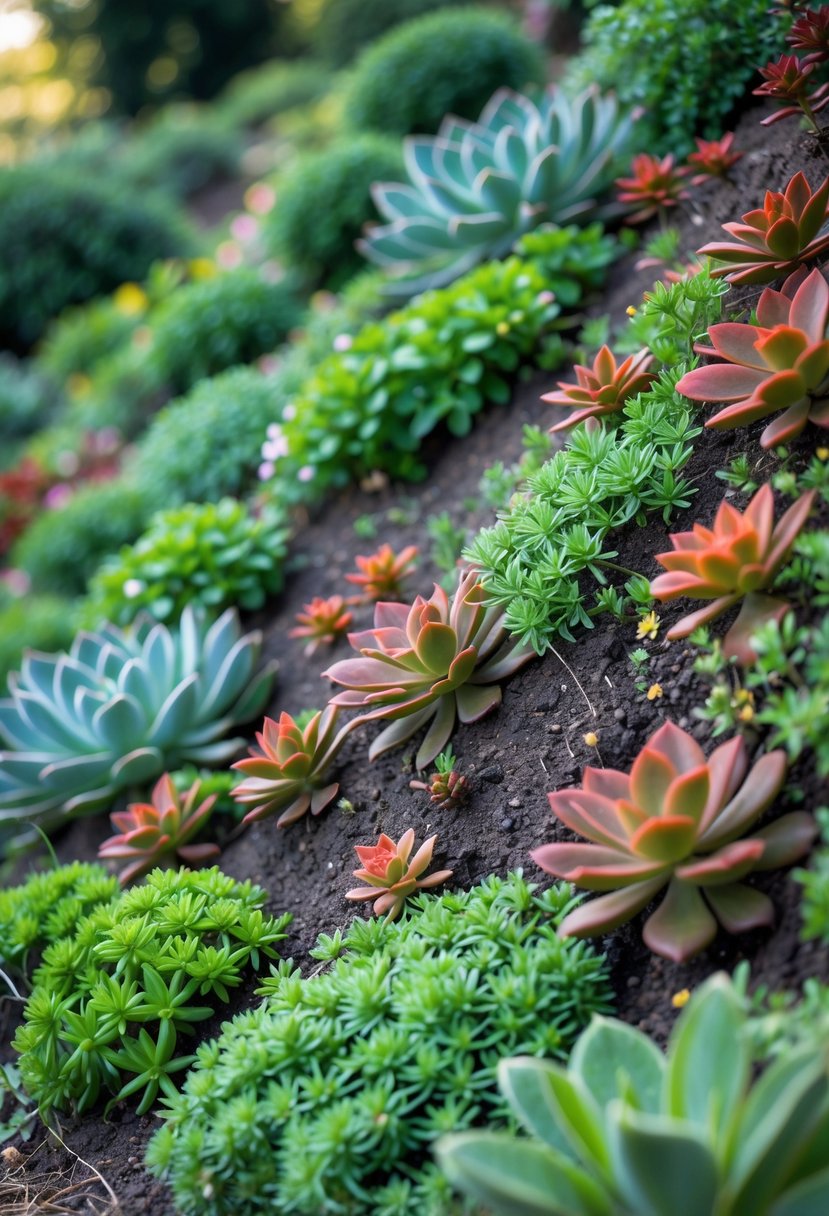
Plant sedum thickly on your steep bank and you’ll stop soil erosion in its tracks. These hardy succulents form dense mats that lock the soil down.
Sedum barely needs water or care, so it’s perfect if you want a low-maintenance garden.
Their colors and shapes give your slope a fresh look all year. Let sedum spill over terraces or walls for extra charm.
Using sedum saves time and keeps your slope steady and good-looking. Find more sedum garden ideas here.
20) Climbing vines on trellises to soften fences
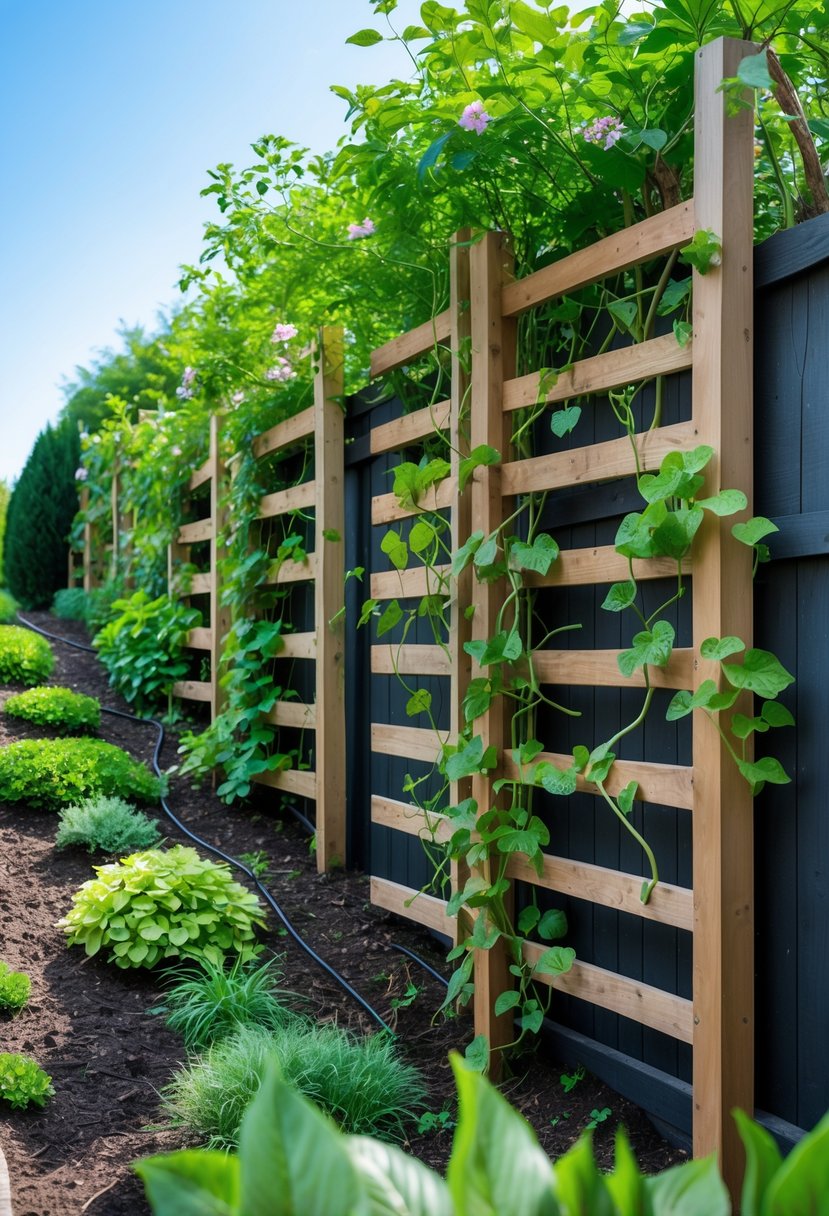
Grow climbing vines on trellises to bring life to steep bank gardens. The vines climb up your fence, softening harsh lines with green leaves and flowers.
A trellis gives vines something to grab onto. Try ivy, clematis, or morning glory—classic choices.
Vines also help prevent soil erosion by shielding the bank. You get a peaceful, green view that blends right in with the slope.
Want more info? Visit 21 Trellis Ideas For Vines And Climbing Plants.
21) Mini rock ponds integrated into terraces
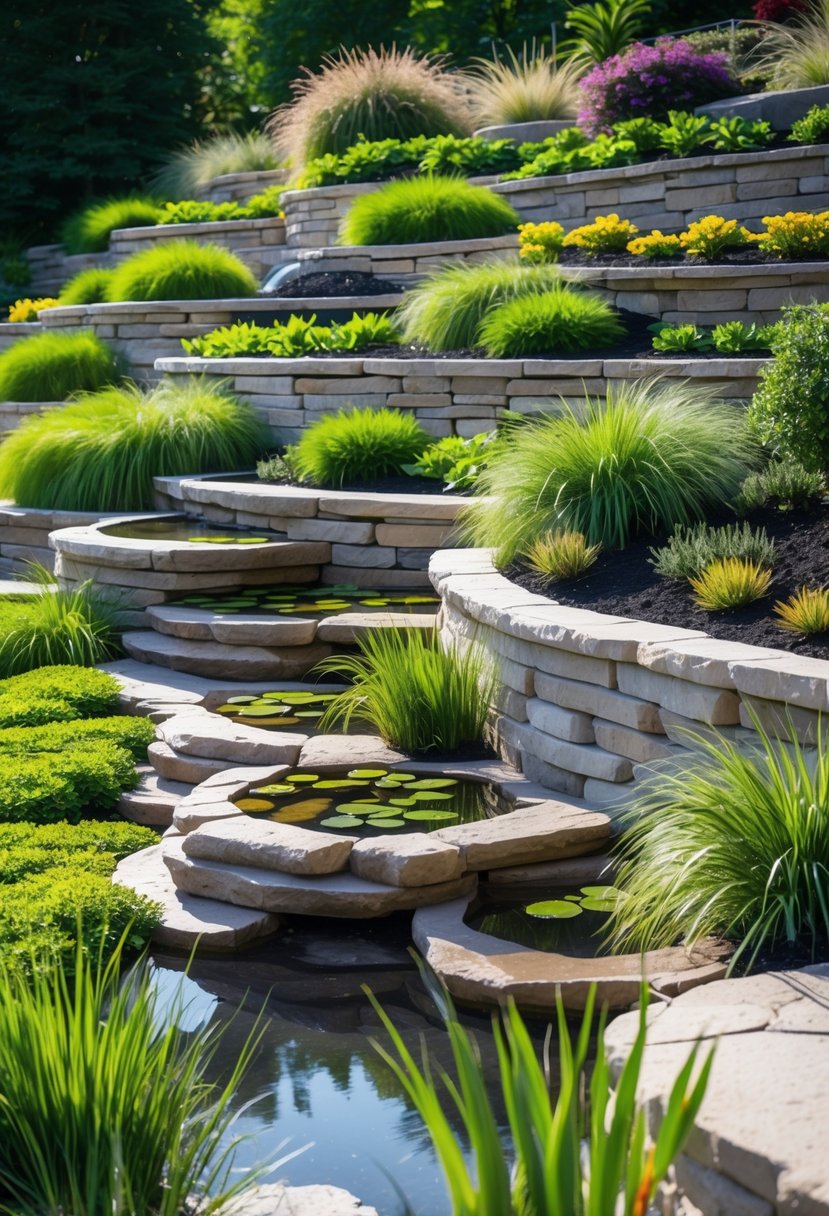
Add small rock ponds to your terraced steep bank garden for a calm, natural touch. These little ponds nestle right into the stone edges, mixing water, rock, and plants.
A mini pond attracts birds and insects and brings a gentle water sound to the garden.
Building ponds in terraces helps manage water runoff and keeps soil from washing away. You get a little oasis that’s both pretty and practical.
For more ways to transform steep banks, see steep bank garden ideas.
22) Mixed bulbs and spring flowering plants

Brighten your steep bank by mixing bulbs with spring flowers. Tulips, daffodils, and hyacinths bring early color and attract pollinators.
Plant bulbs in clusters for a natural vibe, then tuck low-growing flowers around them. This hides yellowing leaves after bulbs finish blooming.
Combining bulbs and companion plants keeps your slope lively all spring. Your garden will look full and interesting, not patchy.
Check out more ideas for mixing bulbs and plants on slopes from these steep bank garden ideas.
23) Using creeping juniper as a hardy green carpet

Cover your steep bank with creeping juniper for a tough, green carpet. This plant hugs the ground and spreads out, quickly covering bare soil.
Creeping juniper keeps soil in place and helps control erosion.
Once it’s settled in, it barely needs any care. It loves full sun and well-drained soil, and its evergreen leaves keep your slope looking fresh year-round.
It’s a great pick for rocky or dry slopes where other plants might not make it. For more tips, see how to use creeping juniper for slopes here.
24) Small fruit trees trained as espalier

Save space on a steep bank by training small fruit trees as espalier. This method lets you grow trees flat against a wall, fence, or trellis, so they don’t take up much room.
Espalier trees add a tidy, artistic look to your garden. You can train apples, pears, or peaches in fan or ladder shapes.
These trees still give you plenty of fruit, even in tight spots. With some regular pruning and care, your espalier trees thrive on your steep bank.
Check out this guide to easy espalier fruit tree projects for more ideas.
25) Natural log benches built into the slope

Try adding natural log benches right into your steep bank for a rustic seating spot.
These benches really blend into the landscape and just look like they belong there.
When you build them into the slope, they stay steady and safe.
Logs work well for a sturdy base, and if you want a smoother seat, just lay some flat wood on top.
This idea gives you a peaceful spot to soak in your garden views.
It’s simple, but it brings charm and function to your sloped space.
If you’re curious about shaping sloped spaces, check out some creative ways to landscape a steep hill—without all the hassle.
Understanding Steep Bank Gardens
When you garden on a steep bank, you deal with uneven ground and the risk of soil washing away.
To keep your garden healthy, you have to manage the slope and hold the soil in place.
Let’s look at how you can work with the terrain and protect your garden’s foundation.
Terrain Challenges and Solutions
Steep banks can be tricky.
The slope makes planting and even walking a challenge.
Sometimes water runs off too quickly, or you find spots where nothing really wants to grow.
One handy fix is terracing.
Terraces break the slope into flat steps, giving your plants room to grow and slowing down water.
You might also add winding paths—they make your garden easier to walk and give it a nice look.
Try using raised beds or retaining walls too.
These features hold soil in place and make flat spots for planting.
Pick plants that can handle slopes.
Ground covers like creeping thyme or sedum spread out and help hold everything together.
Soil Erosion Prevention
Plant strong-rooted varieties to keep soil from washing away.
Native plants or drought-tolerant types usually do the job well.
Add mulch around your plants.
Mulch keeps the soil moist and shields bare dirt from heavy rain.
Toss in some rocks or small boulders to break up water flow so it doesn’t carry soil downhill.
You might want to look into drainage solutions.
French drains or swales can move extra water away without causing trouble.
When you manage water and pick the right plants, your steep bank garden stays solid and looks good for years.
For more erosion tips, check out landscaping with terraced plantings and pathways.
Design Principles for Unique Outdoor Spaces
You can make your steep bank garden stand out by using clever design ideas that add depth and a bit of character.
Focus on height and plant choice to create a space that’s both beautiful and pretty easy to look after.
Maximizing Vertical Interest
Bring in vertical elements to draw the eye up and make your garden feel bigger.
Try adding terraces—they break up the slope into flat spots for planting.
Terraced beds help stop erosion and give you different places for your favorite plants.
You could also use retaining walls made of stone or wood.
These walls create level zones and add a bit of texture.
Think about adding climbing plants on trellises or fences.
Plants like clematis or climbing roses bring in color and softness while making use of vertical space.
Hanging planters or stackable pots add extra layers without needing more ground.
Why not get creative with it?
Incorporating Local Flora
When you pick plants that naturally grow in your area, your garden tends to do better with less fuss. Native plants already know how to handle your soil and weather, so you won’t need to water or pamper them as much.
Try to find species that really hold their own on slopes. Ground covers with deep roots can lock in the soil and help prevent erosion, especially on a steep bank.
It’s a good idea to mix in shrubs, grasses, and wildflowers. These not only look great but also draw in bees and birds—who doesn’t want a little more life in the garden? Native ferns or low-growing bushes can add some nice texture and help local ecosystems, too.
Planting in clusters just feels right. You get a more natural look, and honestly, it makes things easier when you’re taking care of them later.
When you use native plants, your garden feels like it belongs. It usually stays healthier all year long.
Want more inspiration for sloped gardens? Check out steep bank garden ideas.


